
Malawi brings measles-rubella jabs to schools in bid to quash outbreaks
The measles virus is resurgent, with almost 2,000 cases reported since the start of the year. But a September campaign sought to tamp out risk, by immunising 5.8 million children.
- 16 October 2026
- 7 min read
- by Josephine Chinele
At a glance
- Malawi has recorded more than 1,800 cases of measles so far this year, with the vast majority of those patients being either unvaccinated or of unknown vaccination status.
- To close up the pressing immunity gap, the country’s Ministry of Health launched a targeted measles-rubella campaign this past September, aiming to reach 5.8 million children aged between six months and nine years.
- Schools provided convenient campaign outposts, with parent-teacher associations and religious leaders providing support to the community mobilisers drumming up community participation.
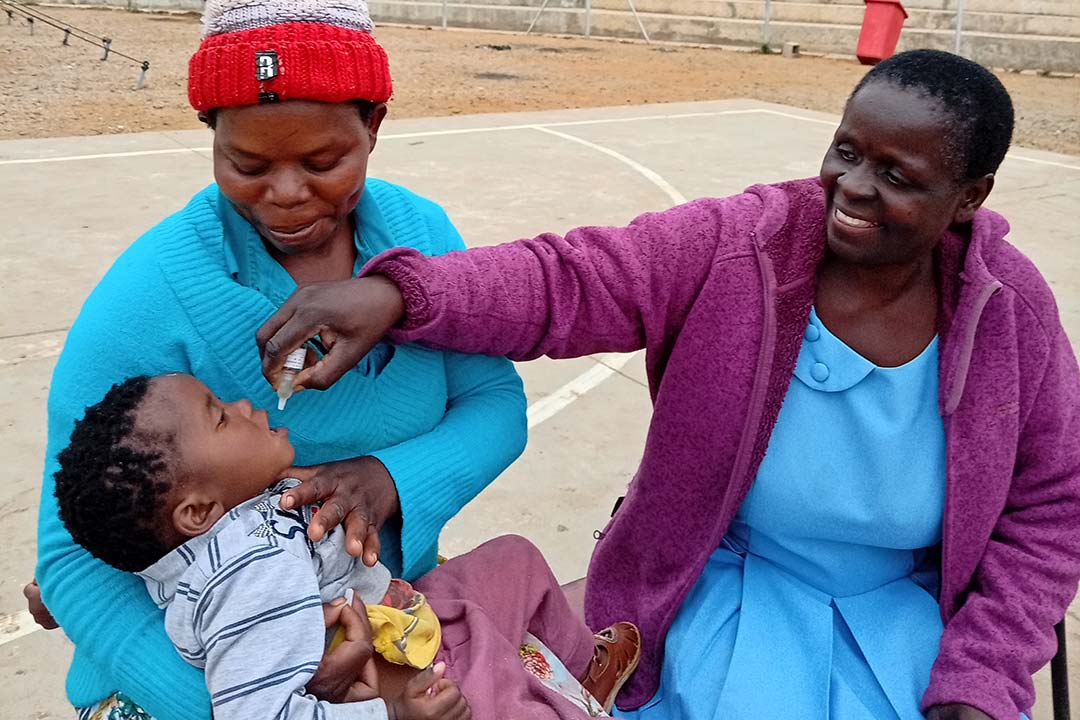
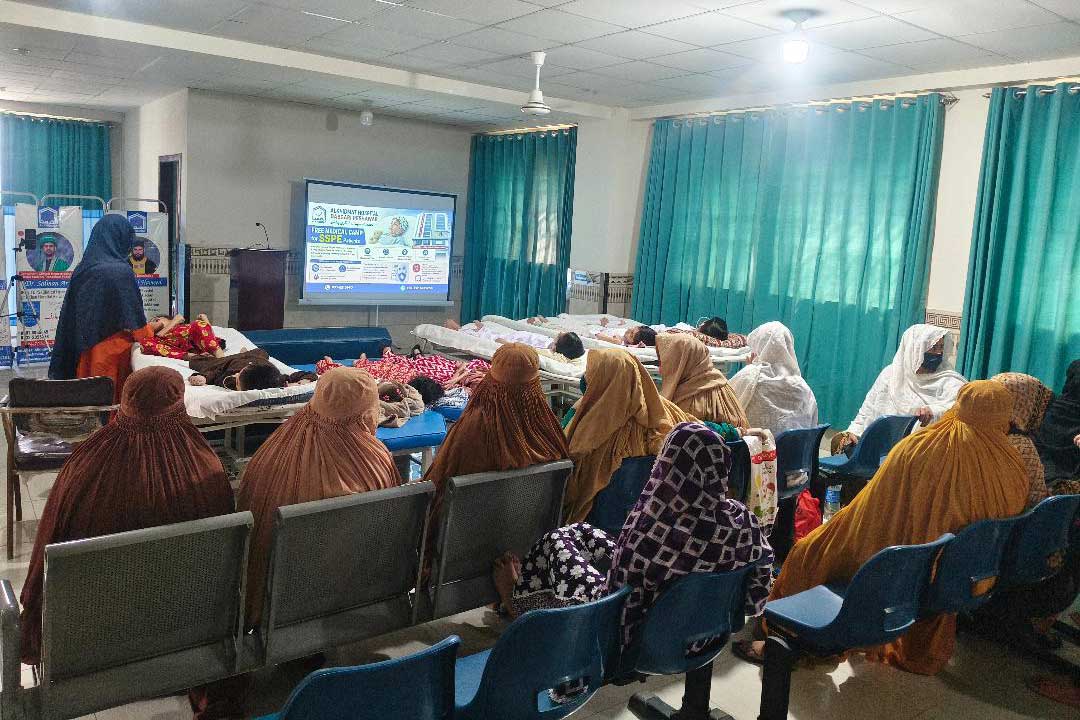
“My mother told me to get vaccinated at school today,” Standard 2 pupil Elija Muhulu proudly told VaccinesWork, showing off his blue vaccination card before a health worker marked his finger with ink.
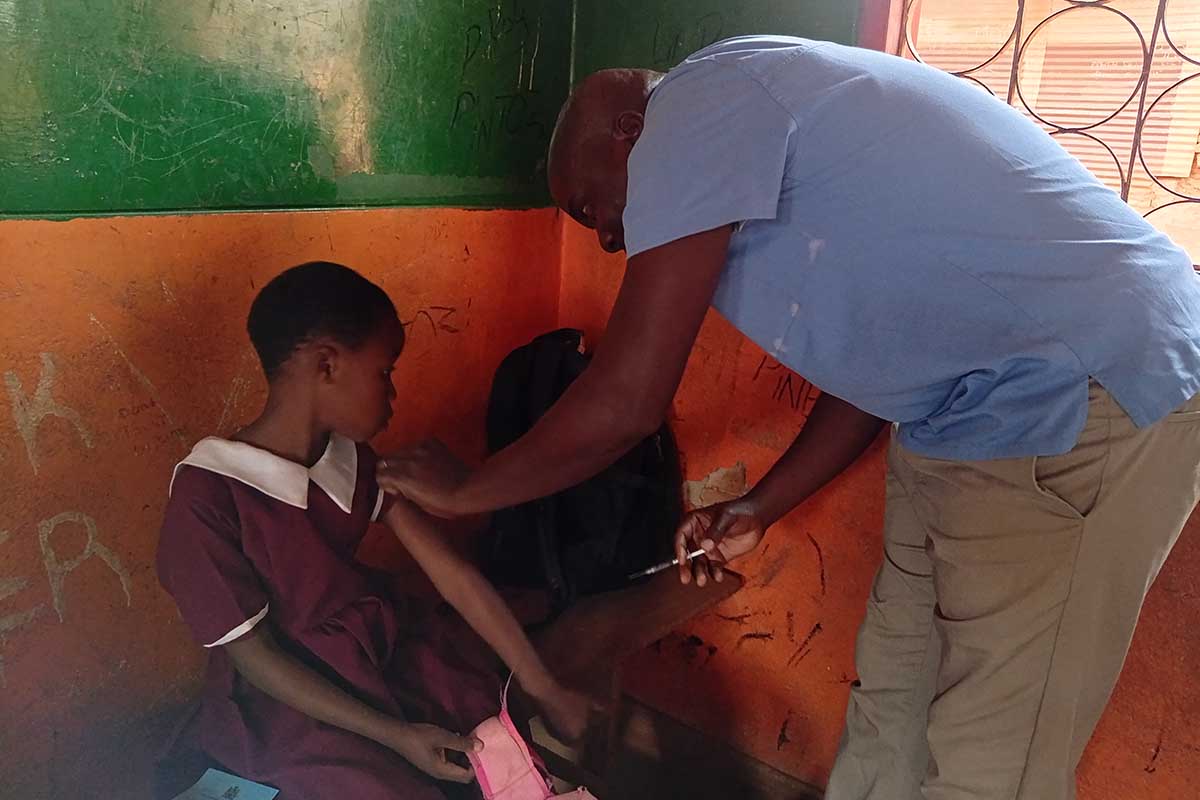
It was mid-morning breaktime at Naotcha Primary School in Blantyre, southern Malawi, and behind Elija, jostling children waited in several lines for their shot of the measles-rubella (MR) vaccine.
Malawi has been battling a measles resurgence that has sparked outbreaks across eight districts, sickening more than 1,800 people in total since the beginning of the year. Eighty-five of the people affected have been under 15 years of age, and the vast majority have been either unvaccinated or of unknown vaccination status.
In response, the Ministry of Health and Sanitation staged a targeted measles-rubella immunisation campaign between 21 and 25 September, aiming to get 5.8 million children aged between six months and nine years protected.
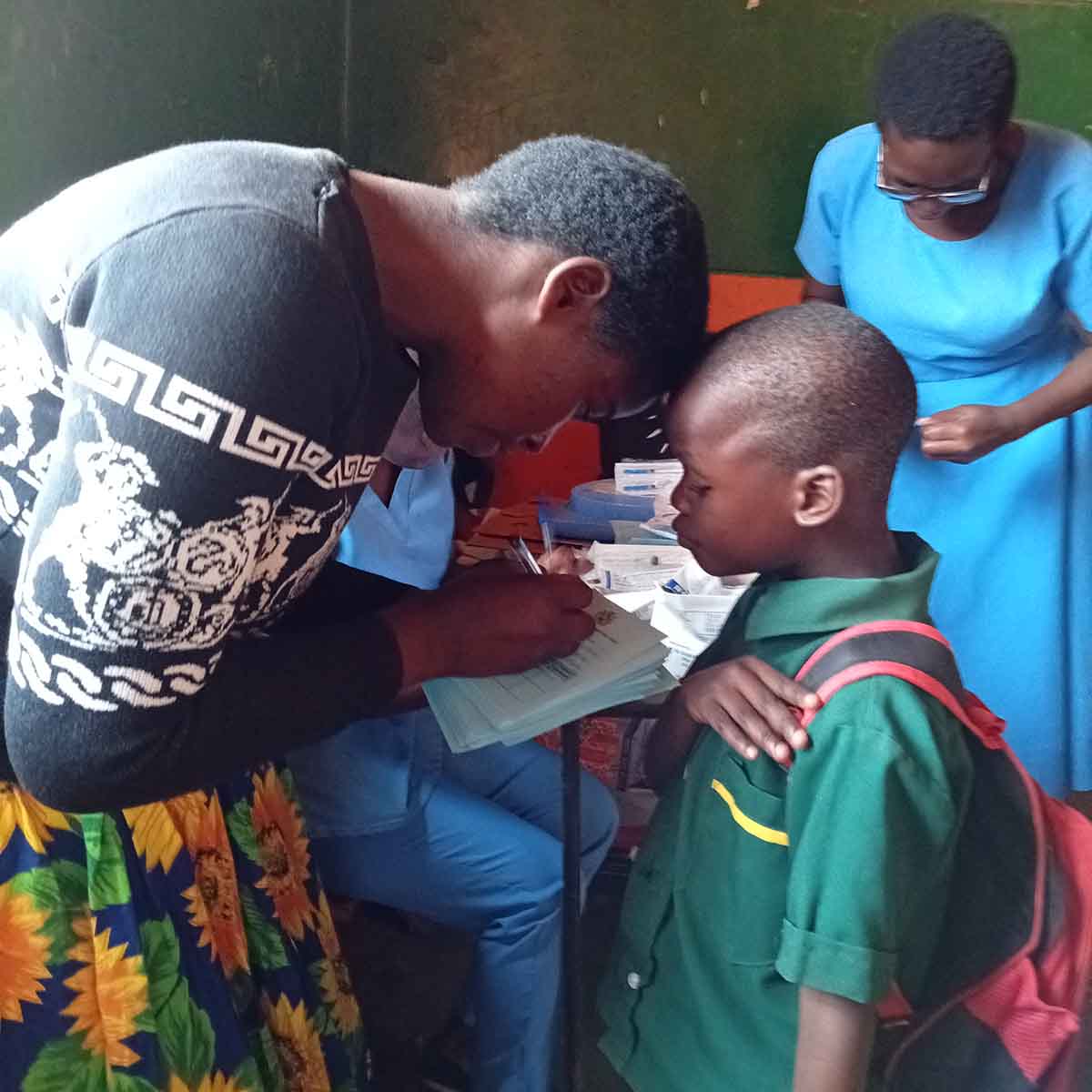
“This is the second day of the campaign, vaccinating children from this school and the surrounding households,” explained Alick Phiri, a Health Surveillance Assistant (HSA) who played a supervisory role at the Naotcha Primary School’s makeshift vaccination post.
“The turn up has been very good. I believe this is the case because parents were involved through the Parent-Teacher Association before the campaign.” Phiri said he and his colleagues had seen more than 5,000 local children come through for vaccines or a Vitamin A booster over the past couple of days.
Campus campaign
Parent-Teacher Associations (PTAs) played an important bridging role in the September campaign, as the Ministry dispatched vaccination teams directly to primary and nursery schools and community based child-care centres, to make it easier for working parents to meet their children’s health needs without taking time off.
“On first and second campaign days, we usually do it in schools. The third day we go into communities, door to door, because the target is to reach out to the children that are not yet in school or missed classes for various reasons,” explained Godfrey Chirwa, also an HSA at the Naotcha Primary School vaccination site.
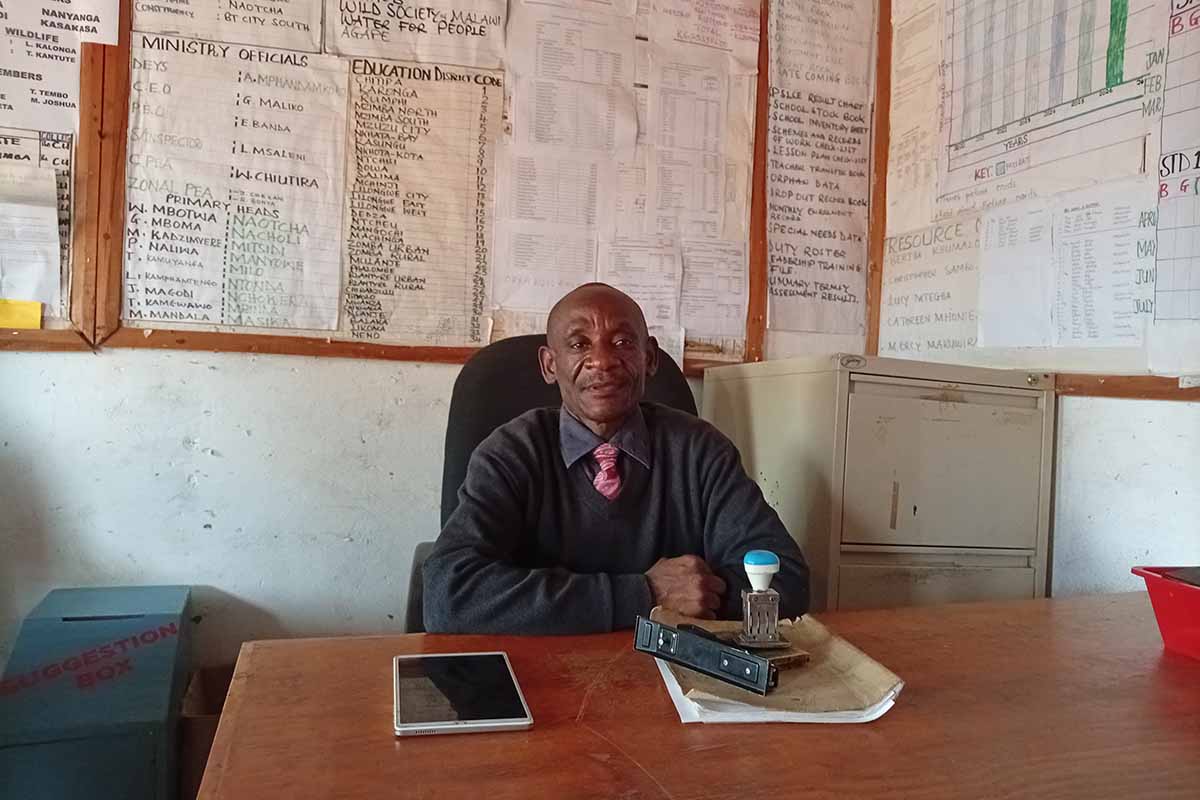
The school’s headteacher, William Mbotwa, said 2,000 of the school’s 4,160 learners were eligible for immunisation during the MR campaign.
“Parents’ engagement through PTAs, plus church [and] mosque, announcements helped to curb vaccine hesitancy in communities. They know that measles is dangerous but preventable through this vaccine,” he said.
Quick, easy, and vital
Each vaccination team comprises an HSA vaccinator, a data-recorder, and a community mobiliser.
Fales Zikatiwindu, who served as the mobiliser for the Chilobwe Naotcha area, is also the caregiver for her two young grandchildren.
“It’s even to our advantage to a vaccine site right in our neighbourhood, at a walking distance. The process is very quick, one is done within a few minutes. This is the message I’m also disseminating to the communities,” she said.
Zikatiwindu acknowledged encountering pockets of hesitant parents, who complained of having many immunisation campaigns for their children this year. A polio outbreak has triggered multiple rounds of reactive vaccination to contain the spread of that virus, too.
“I convinced them that it takes less than five minutes to have a child protected from life-threatening diseases that would have lasting consequences without the jab,” Zikatiwindu said.
Meanwhile, Expanded Programme on Immunization (EPI) Project Manager within MoH, Dr Mike Chisema said the direct engagement of community members – rather than relying only on traditional village criers or overburdened healthcare staff – has proven its effectiveness.
He revealed that the model being used during the MR campaign is one borrowed from previous polio vaccination drives, in which health workers moved in organised teams of three to conduct structured outreach and door-to-door mobilisation.
“We had these social mobilisers constantly with us and it made our job easier,” Dr Chisema said.
Winning hearts
Innocent Mvula, District Environmental Health Officer (DEHO) for Blantyre said Blantyre set out to reach to 435,166 eligible children with the measles and rubella vaccines, and 246,200 children aged 6–59 months with supplementary vitamin A.
Early data was encouraging. “Communities have responded positively. On the first day, we exceeded the 20% target, achieving a 22% immunisation coverage,” he said. By the campaign’s end, Blantyre had vaccinated 446,062 children – more than the initially targeted 435,156.
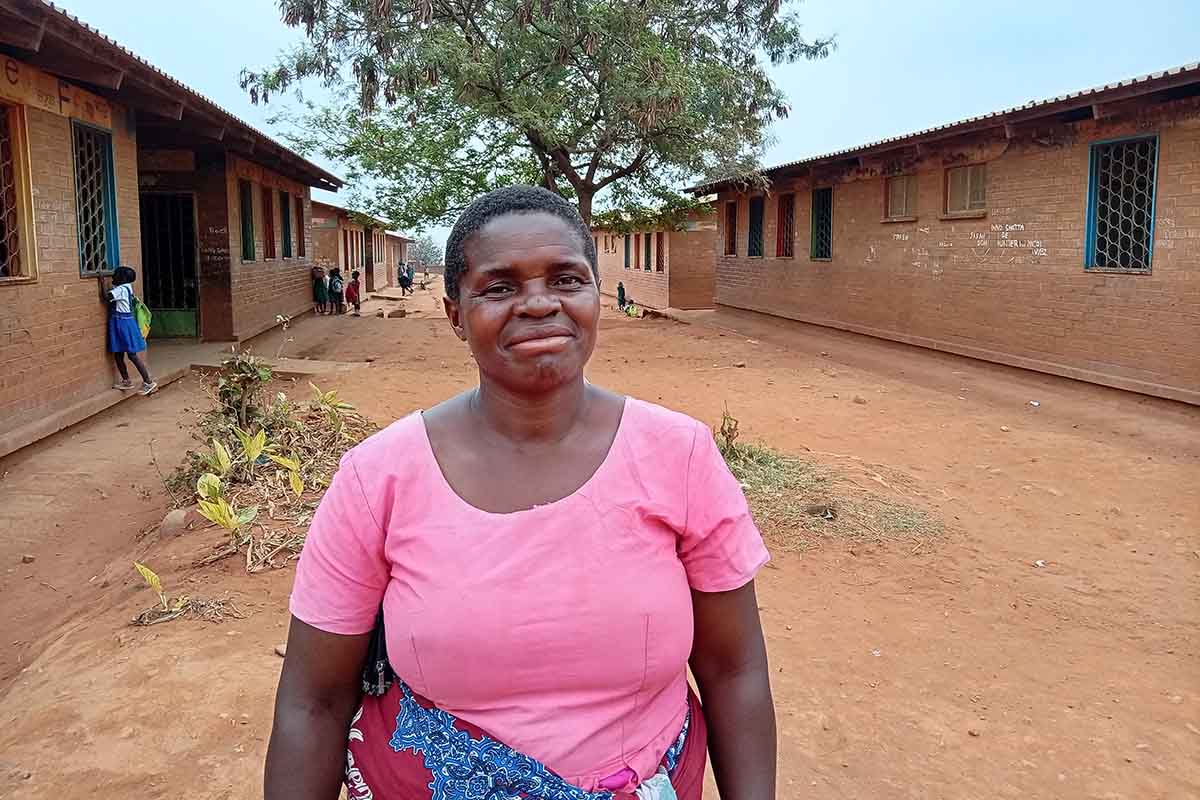
Mvula is hopeful that those figures may show a new demand-generation strategy bearing fruit: deputising religious leaders that initially never believed in vaccines to reach out to hesitant communities, using faith-based arguments.
“We have emphasised and utilised on dialogue with them, hence sending their own to reach out with the important messages. This is in addition to the usual methods of van mobilisation and church announcements,” he tells.
Mvula adds: “We also have a vibrant taskforce, where all sectors including education and NGOs are members. The taskforce teams met at the end of each day to analyse incoming data and immediately fix operational bottlenecks. During our pre-vaccination campaign meetings, Education led us on how to manoeuvre with the immunisation campaigns in schools.”
Have you read?
Bicycle-powered healthcare
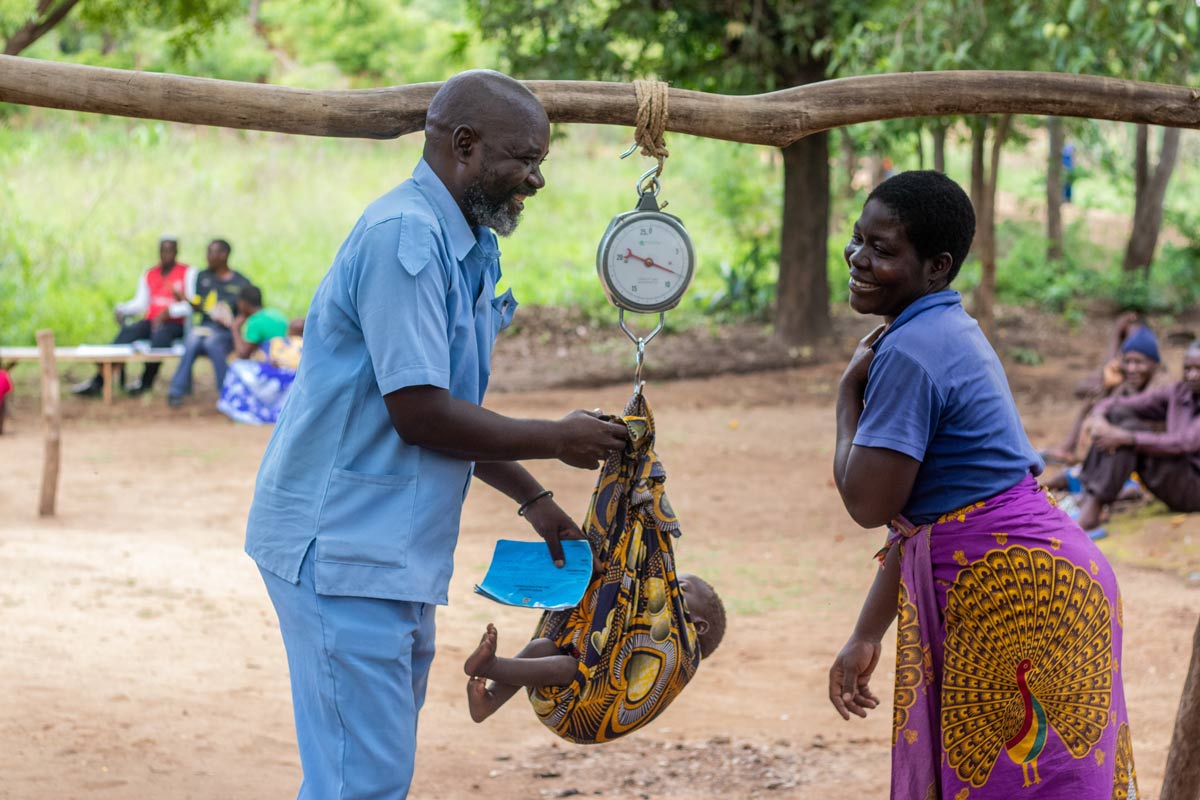
Meanwhile, the campaign’s success rides on the shoulder of HSAs like Phiri and Chirwa, who often work without up-front payment for transport or lunch. They expect payment of their allotted allowances long after the campaign is over.
For some, a lack of cash in hand means foregoing public transport and covering the long distances on foot. Phiri revealed, “For this campaign, we will receive 20,000 kwacha (US$ 11.50) for transport per day but only for two days. We were told this is due to limited funds. We will get 8,000 kwacha (US$ 4.60) per day for five days as lunch allowances.”
Mvula, the Blantyre DEHO, acknowledged the logistical challenges, but promised that all HSAs would be paid their allowances. He added that his office has provided bicycles to all HSAs working in hard-to-reach areas.
“At least 50% of the 14,000 HSAs in Blantyre received these bicycles. We are still in the process of sourcing funds to get more for the remaining HSAs,” he told VaccinesWork.
Tracking a moving target
Chisema says Malawi conducts supplementary measles and rubella immunisation campaigns every three to four years to close existing immunity gaps.
To identify resource gaps, track progress and coordinate ground operations in real time, he says coordinators across Malawi deployed digital platforms. “This is a collaborative sheet that was developed prior to the immunisation launch, where teams mapped out social data, existing immunisation levels, supply shortages and logistical needs.”
“We were able to monitor in real time because we are using ODK [Open Data Kit] tools, which could help us locate where we need more emphasis so that we can have a sustained quality campaign,” Chisema said.
The World Health Organisation says despite the ongoing outbreaks, Malawi has made notable progress towards its measles elimination goal. Still, the ongoing outbreaks reveal there’s further to go. At the launch of the campaign in Blantyre, WHO Representative to Malawi, Dr Charles Kuria Njuguna cited the recent WHO and UNICEF Estimates of National Immunization Coverage (WUENIC) results showing that Malawi has a reasonably high first-dose measles coverage at 88%, but lags well behind the targeted 95% with the second dose, which has been administered to just 68% of the target group.
“This gap poses a significant risk, as measles and rubella infections can be devastating, not only for children, but also for adults and unborn babies when mothers are infected,” he said.