
Sierra Leone's Kombra Network is engaging fathers and healers to reach zero-dose children
In a country where patriarchal norms often stand in the way of children’s vaccination, a grassroots community organisation is helping drive a shift in perspective.
- 12 June 2026
- 5 min read
- by Dr Smart Saffa , Olivier Konan
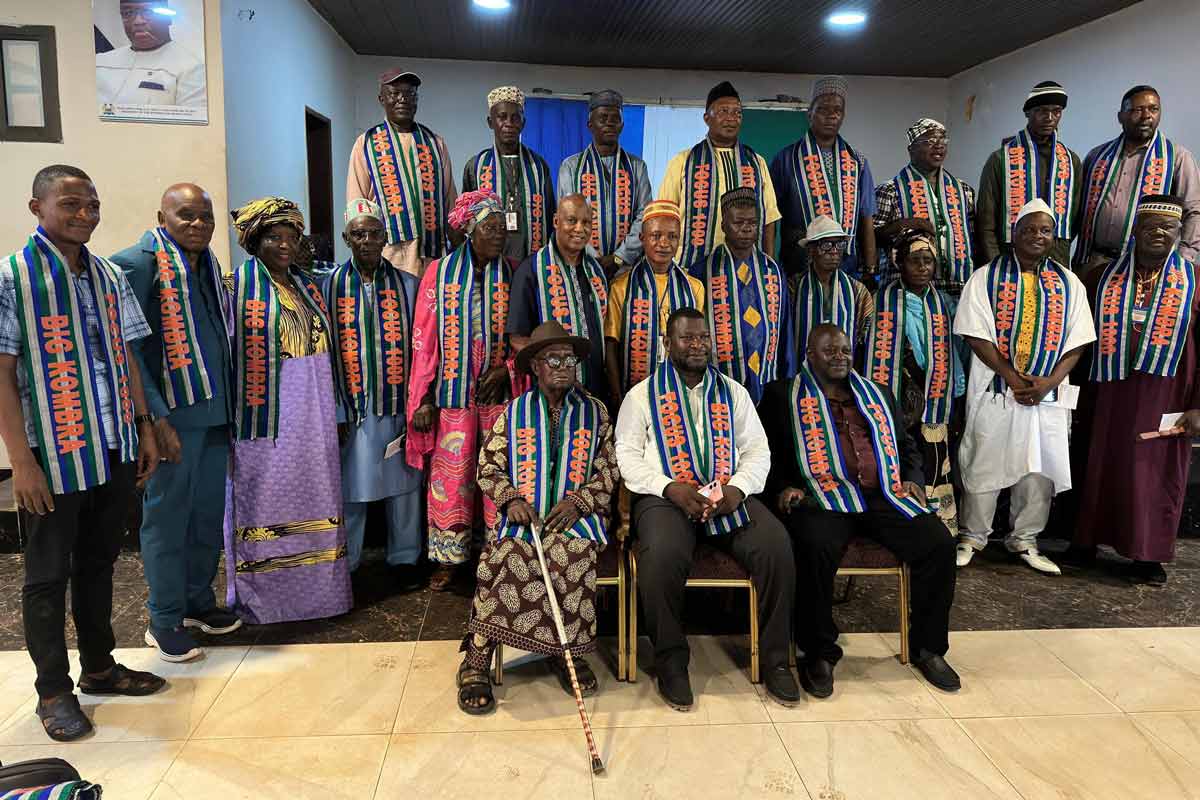
In Sierra Leone, multiple challenges impede efforts to reach zero-dose and under-immunised children, so strategies to reach them need to be equally diverse.
But one social challenge cuts across the country’s many social contexts. From the nomadic communities of the Northern and Northwest provinces in Sierra Leone to the rapidly expanding, under-served urban slums of the capital, Freetown, patriarchal norms stand in the way of safety.
Traditionally, men in these communities hold the primary decision-making power within the household, while women bear the burden of caregiving. This dynamic, compounded by women’s financial dependency on men and cultural myths and norms – such as believing men should have the last word – makes it harder for women to access basic maternal healthcare services, and harder for mothers to get their children vaccinated.
Put simply: when mothers lack the autonomy or financial means to access clinics, children miss out on life-saving vaccines.
A network that brings people together
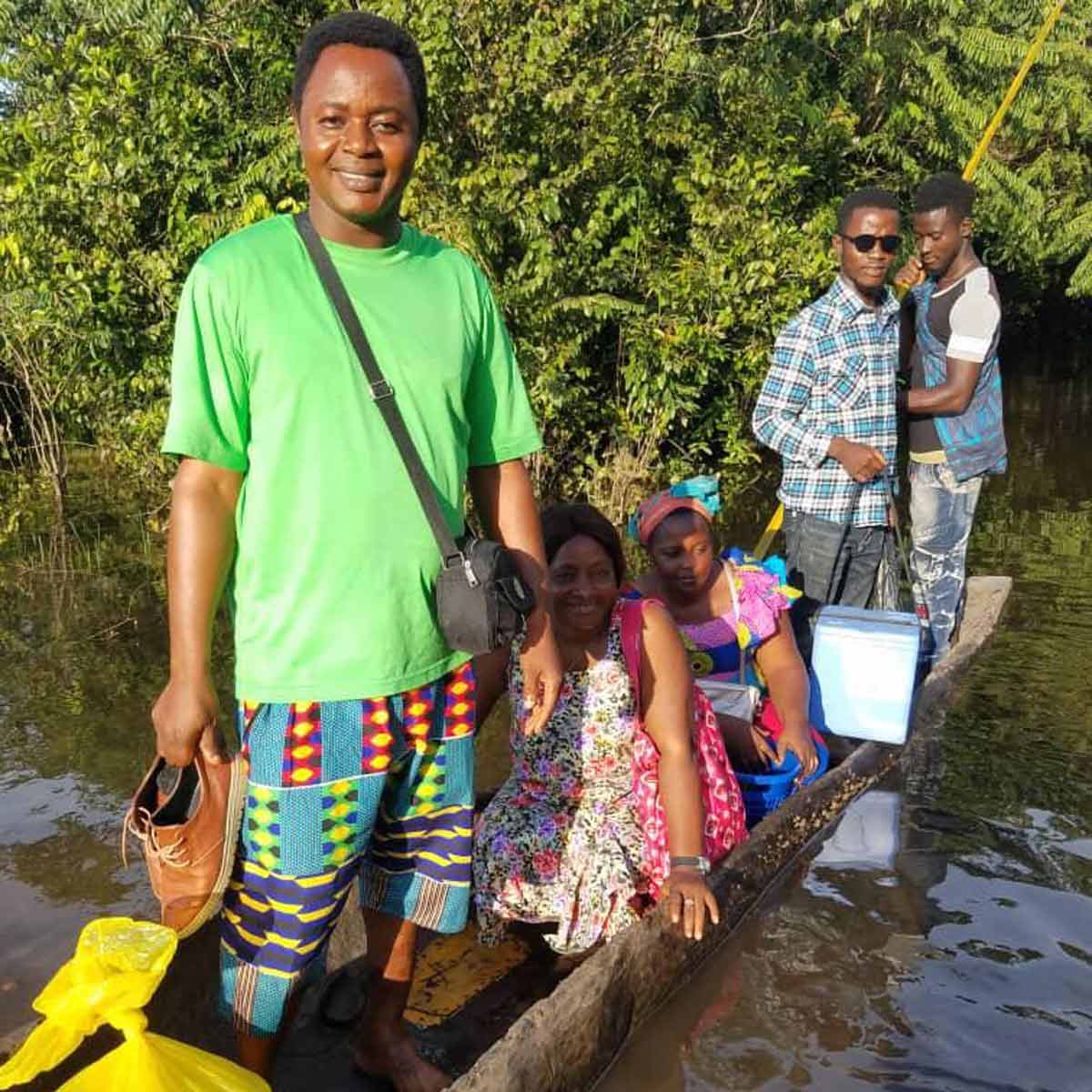
In March 2015, the civil society organisation (CSO) Focus 1000, a sub-awardee of the Sierra Leone Red Cross, created the Kombra Network. The name “Kombra” comes from the Sierra Leonean local language, Krio. It means care, nurturing and bringing people together.
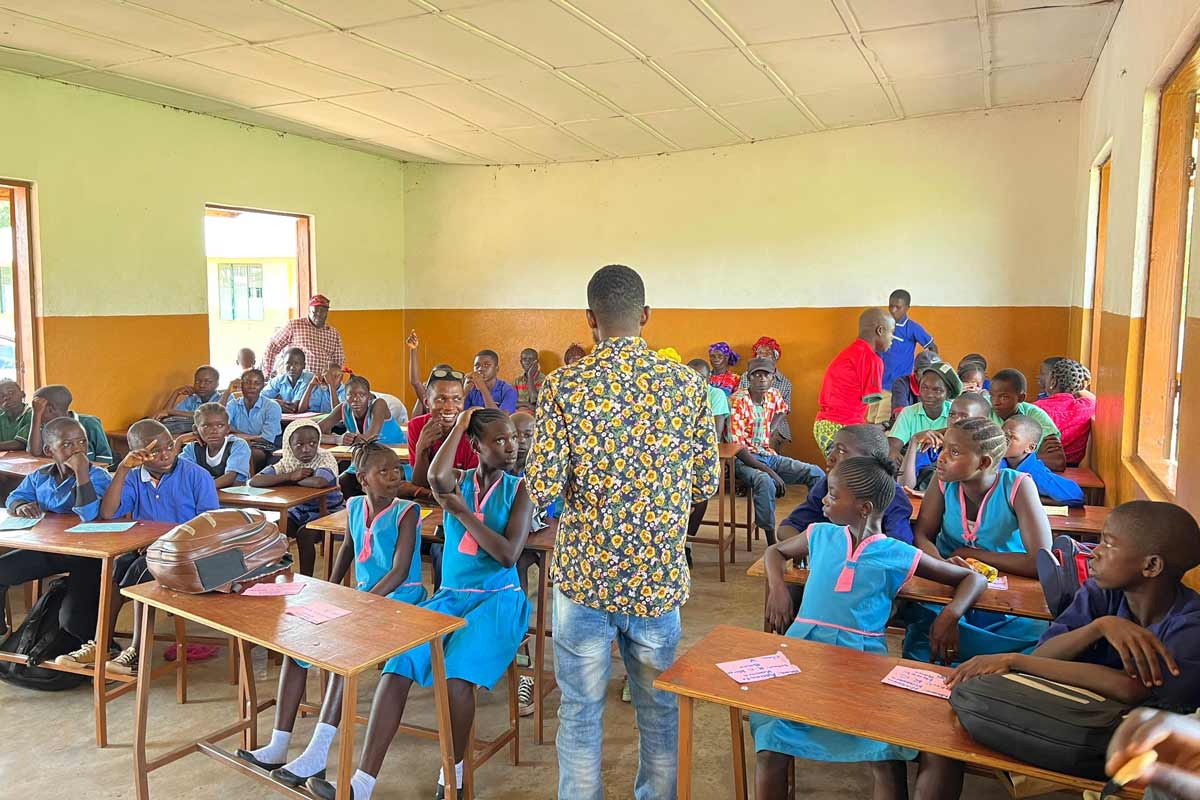
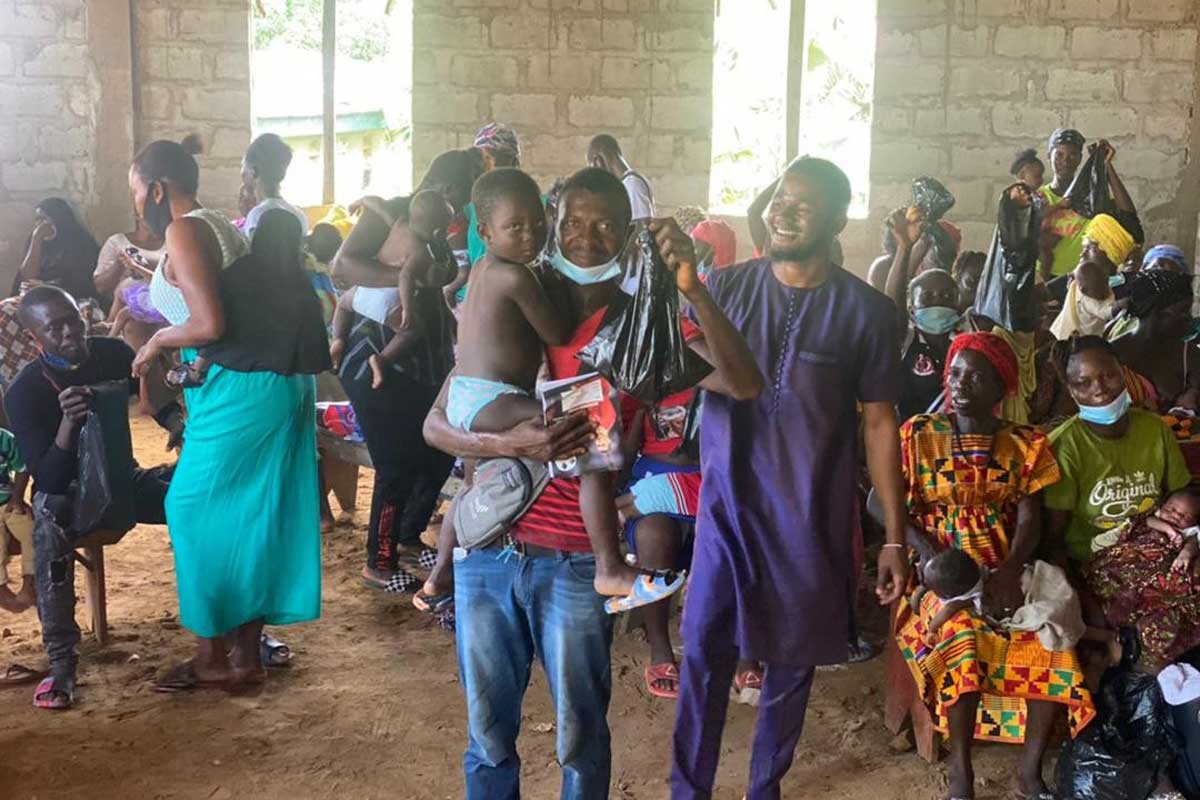
With more than 10,000 members, the coalition unites traditional healers, market women and religious leaders alongside youth groups, CSOs and media professionals for community engagement and public health education. The Kombra Network encounters people wherever they are – in community hubs, schools or local trade fairs, for example – to work to dispel fears and misconceptions about vaccination, and build trust in healthcare.
The Kombra Media Network sees journalists work alongside local leaders to deliver interactive radio discussions, market women conduct ‘market-to-market’ sensitisations using megaphones, and youth groups facilitate school health talks.
“The Kombra Network employs a community ‑driven approach that leverages existing social structures,” says Alhaji Mohammad Bailor Jalloh, CEO of Focus 1000. “We aim to shift family dynamics from traditional, unequal structures to equitable partnerships between men and women.”
Challenging gender norms
One of the ways the Kombra Network does this is by conducting Gender Model Family (GMF) training, which is a positive, educational approach to challenging traditional gender roles and promoting gender equality within households and the wider community.
The Kombra Network acknowledges family decision-making dynamics, including men’s traditional role as heads of household, as a starting point of dialogue. GMF training aims to encourage shared responsibilities and joint decision-making.
The training is helping to challenge traditional gender norms that too often require women to seek their husbands’ permission to access healthcare. The hope is that, over time, more fathers will bring their children for vaccination or accompany pregnant wives or partners to healthcare centres.
And the strategy works – couples have reported a significant shift in their views since taking the gender training.
Alie Bangura and his wife Zainab live in Freetown Rural – Waterloo. Alie remembers how things used to be. “Before the training, I, the husband, used to decide alone – and I would say no to vaccines.”
That’s different now. “We decide together,” Zainab says. “The training encouraged husbands to accompany their wives to health facilities. We talk more about birth preparedness and our children’s health. Everything has changed.”
A coalition of trusted voices
Traditional healers are deeply respected in many Sierra Leonean communities for their knowledge of indigenous practices, so their collaboration in advocacy and training offers a stamp of cultural authenticity to modern healthcare initiatives, to communities who trust their opinion and authority.
Endorsement from traditional healers can help bridge the gap between traditional wisdom and clinical medicine, potentially lending greater credibility to vaccination campaigns in the eyes of the community.
This is where the Kombra Network plays a role in education and awareness-raising to encourage communities to have their children vaccinated in Sierra Leone.
To add to this, as traditional healers are often fathers themselves, the Kombra Network can reach both the healers’ children, and the children of the families they influence.
To bring on board these essential influencers, the Kombra Network initially holds meetings with traditional healers, led by health workers from the national Expanded Programme of Immunization and local CSOs, including Focus 1000. They talk about the importance of awareness-raising and demand generation for vaccination services.
Have you read?
Traditional knowledge meets modern medicine
Joseph Lahai, a father and traditional healer, said, “Before I joined this network, I was like many in my community. I looked at the vaccine with deep suspicion. As a healer, my patients come to me with their fears, and I had heard the rumours – that the vaccine was intended to harm us, that it was a foreign tool. I was telling my people to wait, to rely on traditional methods alone,” he recalls.
Musa Koroma is from the Kambia district in northern Sierra Leone. For years, he served as the primary healthcare provider, working as a traditional healer. “I used traditional medicine to treat illnesses and was sceptical about vaccines,” he said.
The dialogues with the Kombra Network act as a catalyst and help to shift the healers’ perspectives on conventional medicine. They do not renounce their own practices, but agree to join the Kombra Network as ambassadors for vaccination to families, proving that mutual respect between traditional knowledge and modern medicine can save lives.
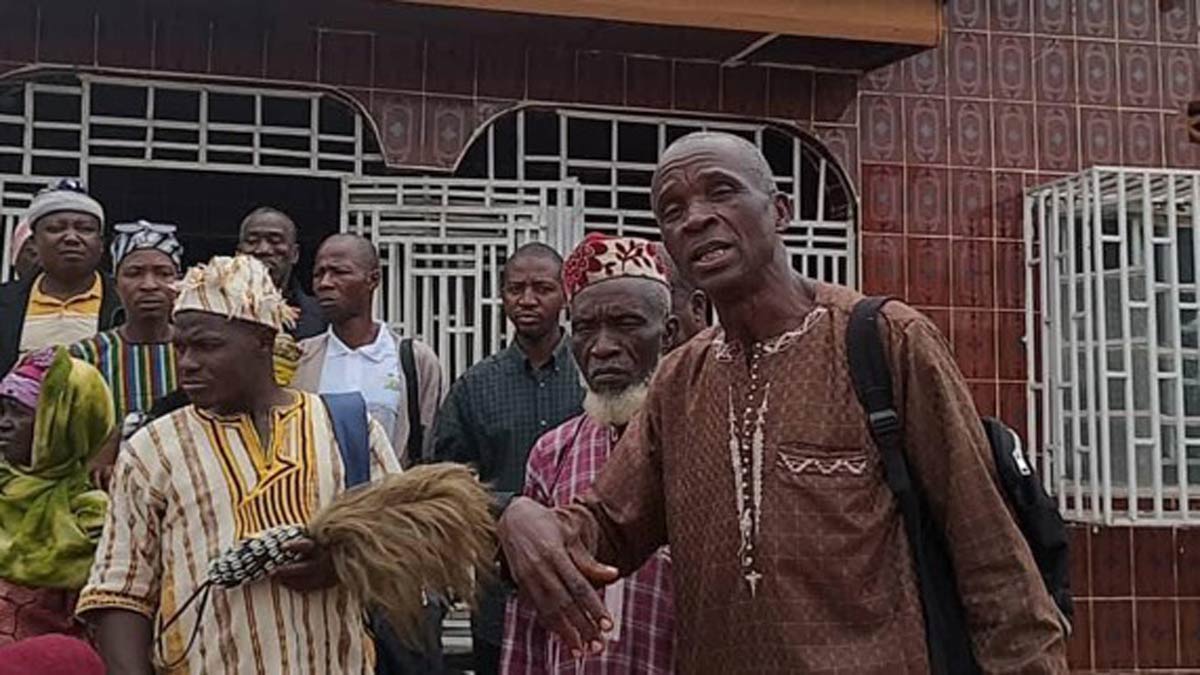
Koroma learned that: “Vaccines do not replace my role, but serve as a tool to stop diseases before they start, thereby strengthening our community.”
Lahai adds: “The change did not happen overnight, but through the network. It wasn't just a government official shouting at us; it was a dialogue.”
Today, the network has grown and works across all the 16 health districts of Sierra Leone, reaching many chiefdoms and towns in Sierra Leone. The strength of the Kombra Network lies in its vast and diverse composition.
How is Gavi helping?
To help increase immunisation coverage in lower-income countries, Gavi has launched a series of opportunities for civil society organisations (CSOs) to deliver projects reaching zero-dose children and under-immunised communities via its CSO Fund Manager.
MannionDaniels, a global health and social development consultancy, working in a consortium with Oxford Policy Management (OPM), currently operates in this role, providing end-to-end grant management services.
With the support from Gavi through this funding mechanism, Focus 1000, a subsidiary of Sierra Leone Red-Cross, is working to implement this immunisation project in Sierra Leone. The achievements in this story reflect the strengthened collaborative efforts of the CSOs, Essential Programme on Immunization (EPI) teams, community mobilisers and health workers in improving immunisation coverage and reaching missed and vulnerable children’s populations.