
Zambian families level up malaria defences with vaccination
Half a year since the malaria vaccine began to roll out in Zambia, families say it’s a complement to traditional mosquito protection.
- 4 May 2026
- 6 min read
- by Deogracious Kalima
At a glance
- Families in Zambia says the malaria vaccine programme, which began last October, is a “relief”.
- Mosquitoes are “so endemic here” and “give us panic attacks,” one mother from Manda District said. Mosquito nets and coils may be standard protocol in homes in the high-burden district, but having an additional layer of protection has been more than welcome.
- Health officials say the vaccine’s roll-out is spurring the country towards its next big target: the elimination of deaths from malaria by the year 2030.
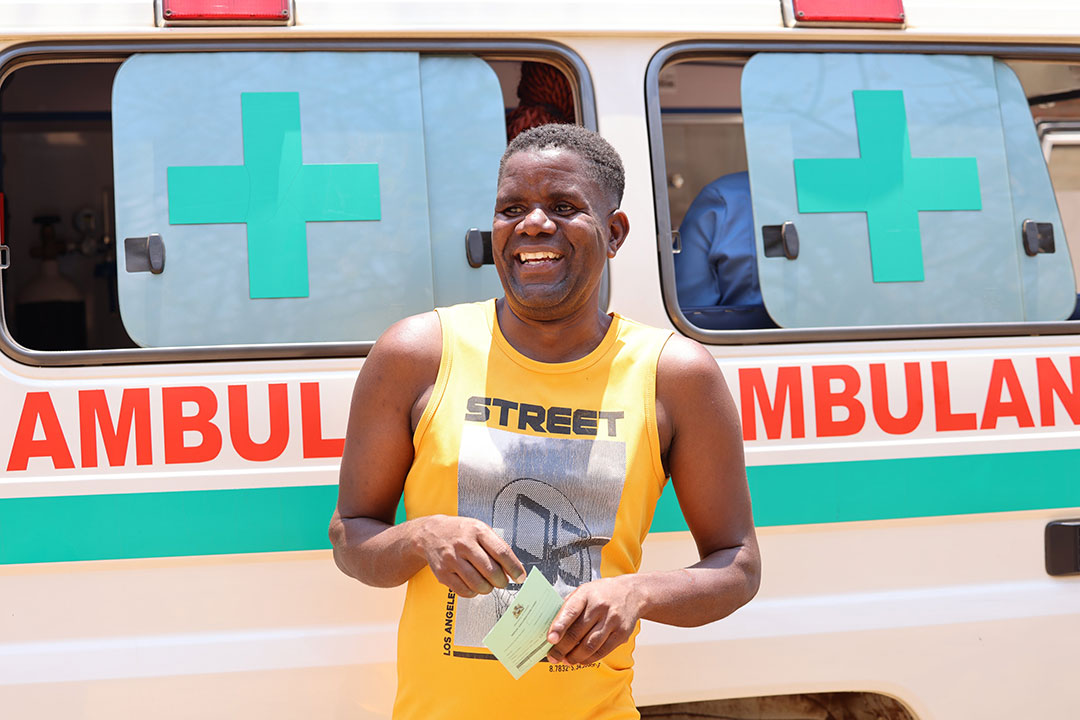
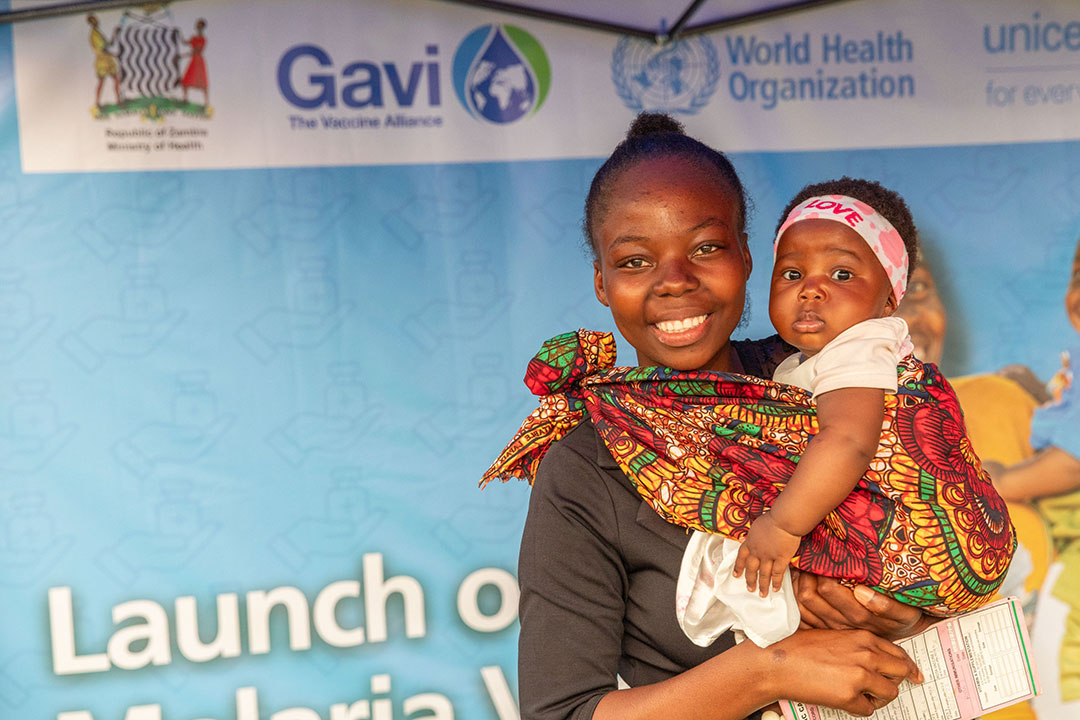
“The vaccine is a good friend to the mosquito nets we are used to,” says Malonde Bala, 35, a preschool teacher and parent from Mansa District, in Luapula Province.
Zambia, which has both dry savannah and swampy landscapes, has always known the nighttime buzzes of the Anopheles mosquitoes that spread the causative Plasmodium parasites to humans when they suck their blood. Many children and adults alike here sleep under mosquito nets, and the smell of anti-mosquito coils are familiar in every village. But increasingly, families across the country are opting to add the malaria vaccine to their preventive toolboxes.
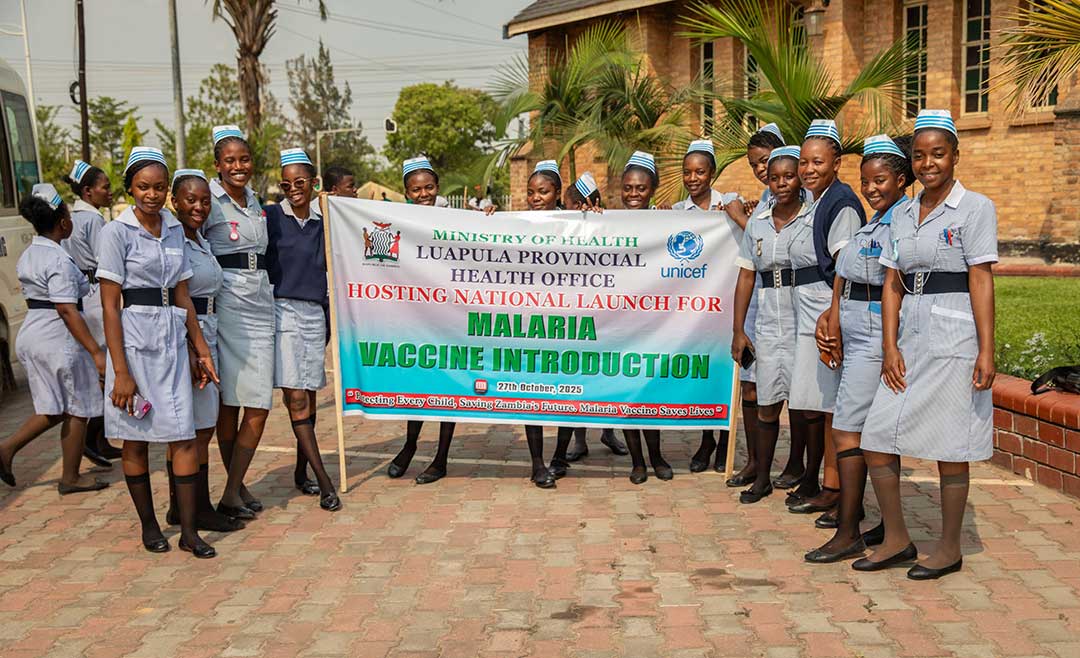
Mansa District is considered a malaria “hotspot”, and hosted the national launch of the path-breaking vaccine in October 2025. The youngest residents of Mansa and 78 other "high-burden" districts, as well infants and toddlers from four additional districts considered moderate-burden, became eligible for vaccination during the first phase of the country’s roll-out. Five districts remain to be targeted later this year.
For Bala, it’s a relief. “They are so endemic here,” she says of the irritating insects. “They are not only a nighttime nuisance, but they give us panic attacks. In the past, each time, my child got sick with fever I would ask the pharmacy nearby to do a K9 (US$ 0.50) malaria finger blood test prick,” she says.
Positive impact
Bala’s nighttime anti-mosquito routine starts at 7pm, tucking her children in under insecticide-treated nets. It is a necessary but repetitive task she balances with household chores like cooking for her kids. Malaria is always to be feared, she says.
Families like hers are glad to be able to add immunisation to the bed-nets and mosquito coils they currently use to keep risk at bay.
She brought her son for his first dose of the R21/Matrix-M vaccine after her pastor announced that the local hospital would have malaria vaccines available as part of the national roll-out. She and other mothers with whom she fellowships at church took it up without delay, she says.
The word on the street is that the vaccine is already making an impact on the lives of parents with children under five, Bala adds.
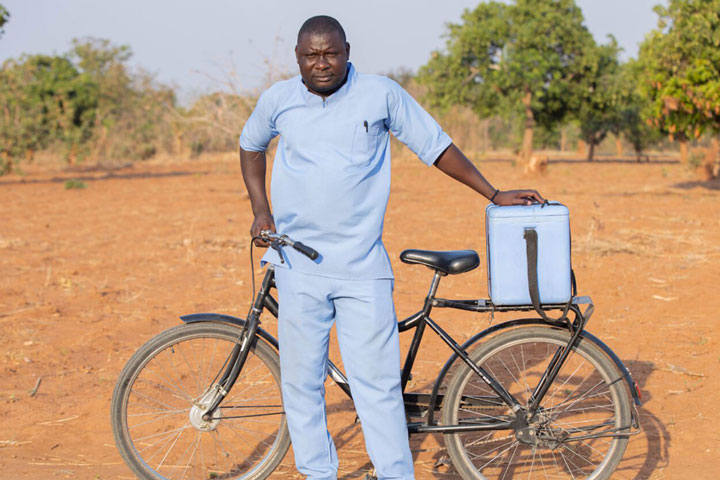
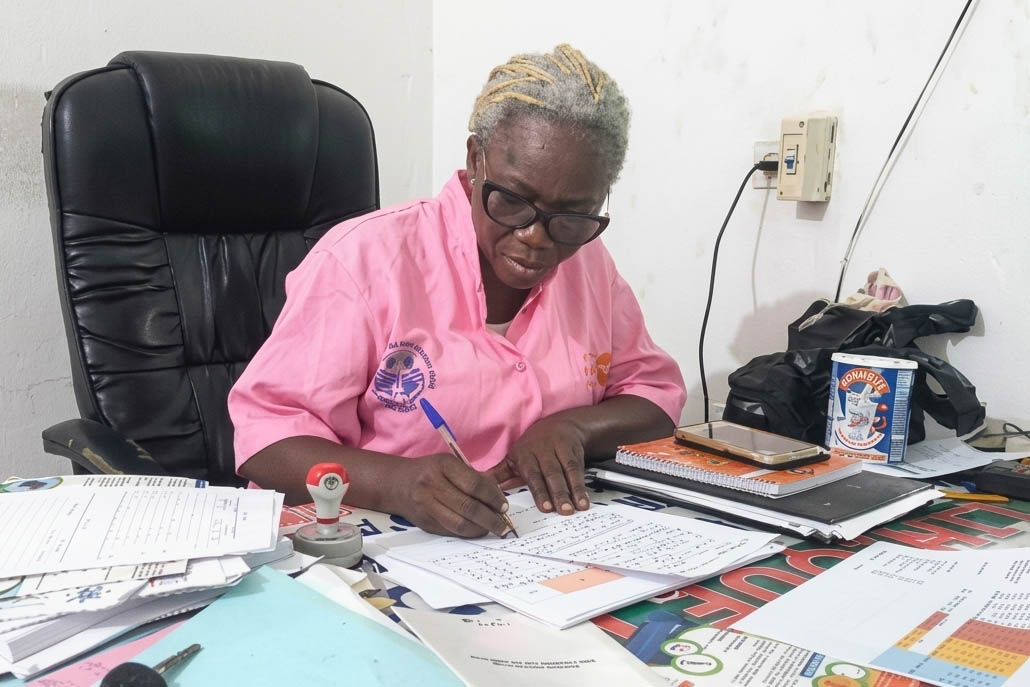
“The vaccine has made life easier,” says Dora Mwanjali, 55, a retired nurse, who is now one of the so-called “Malaria Agents” in Mansa: community workers who track the four-dose schedule of the malaria vaccine to stop children from dropping out before they get maximum protection.
Have you read?
Mosquito nets, which are given out by the Zambian Health Ministry, corporates and donor agencies, are effective in preventing malaria, she emphasises, but sometimes there are gaps in their use at household level. For example, some very poor families are misusing mosquito nets, improvising them into nets to scoop fish in nearby rivers, she reveals.
Mosquito coils, which are burnt at night to scare away mosquitoes through pungent smells, are often purchased in street tuckshops for nine kwacha (US$ 0.50), and not everyone can sacrifice food money to buy them, she adds. Studies show malaria incidence is always higher among those with lower education – which tends to align with lower income – compared to those with higher education.
“This is why the ‘prevention only’ model was not adequate and some people kept falling sick of malaria in the villages I work in despite knowing of nets and coils,” she says, referring to the physical and chemical prevention methods that are considered ‘traditional’ in Zambia. “Prevention plus immunisation is golden,” she says.
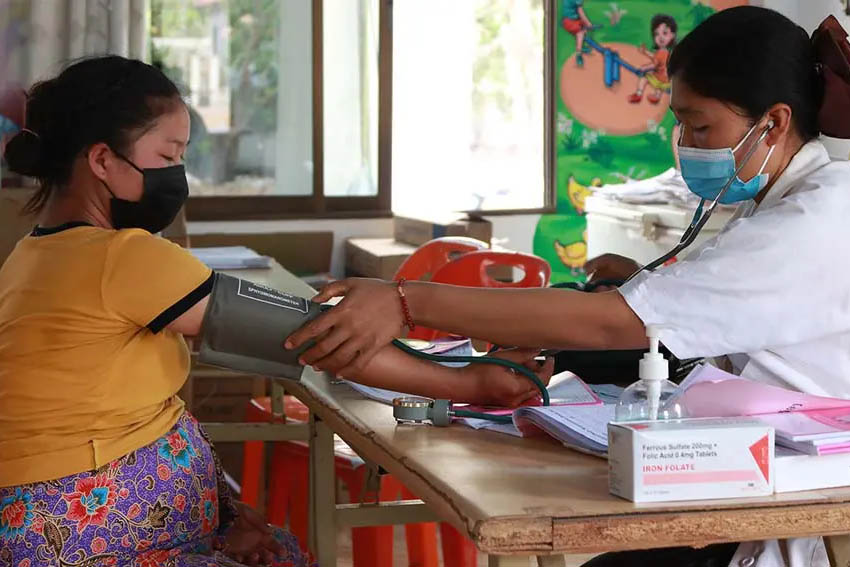
Mwanjali says she sees widespread relief among parents and caregivers when they learn of the availability of the vaccine. Parents who have watched their babies be hospitalised with serious bouts of infection are often intensely grateful. The vaccine, they know, is expected to significantly reduce severe cases.
Credit: Gavi
Even those families who have avoided seeing a child admitted to the clinic know that the infection takes a steep toll. A lot of Zambian parents are informal traders who either sell merchandise in the streets or farm to earn a livelihood. When a child falls ill with malaria, parents bear a cost for transport, diagnostics and sometimes prescriptions. “Taking time off work means earnings are lost, and hunger sets in. The vaccine, along with preventative measures like nets, gives parents added peace of mind that they will see less disruptions to their livelihoods due to illness,” she says.
Another layer
For parents like Bala, the vaccine helps overcome what she calls “bed-net fatigue.” Mosquito nets are effective, she says, but they work best when a child is fast asleep. “In the early night or morning our kids wake up, sometimes they turn and toss and crawl out of nets at a time mosquitoes are quite active. Especially the youngest kids. The vaccine, in contrast, is in the body, stays with the child all time. That’s why we like it so much too,” she says.
In her own circles, the vaccine’s four-dose schedule seems not to be taking too much adjustment. “As parents we already bring our kids to hospital for polio, measles, tetanus shots and the vaccine is added to the basket. It’s easy to accept it as a new ‘shiny product’ in the half dozen basket of vaccines our kids already take. So here, when parents go for other old, legacy vaccines - they ask for the malaria one too.”
Milestones towards safety
The anticipated roll-out of vaccines to the remaining five districts of Zambia will be marked as a milestone on Zambia’s pathway towards the elimination of malaria deaths by 2030, says George Sinyangwe, the Permanent Secretary in the Health Ministry.
In the meantime, because the World Health Organization (WHO) and all other agencies recommend the vaccine as an additional defence to be used alongside other prophylactic measures, the Zambian Ministry of Health is going ahead with what it has always done. That means working with municipalities, corporates and community leaders in distributing nets, sanitising the places where mosquitoes thrive, spraying homes, and leading households to clear bushes, dirty water drains and rubbish dumps that are a magnet for mosquitoes to breed.
The latest data available from Zambia’s Ministry of Health shows that Malaria infection cases totalled 8.5 million in 2024, down from 10.2 million cases in 2023. Zambia aims to vaccinate over 500,000 children aged six to eight months in the initial months of the launch. According to the Zambia Expanded Programme on Immunization, 182,875 children eligible for the first dose of the vaccine have received it to date.