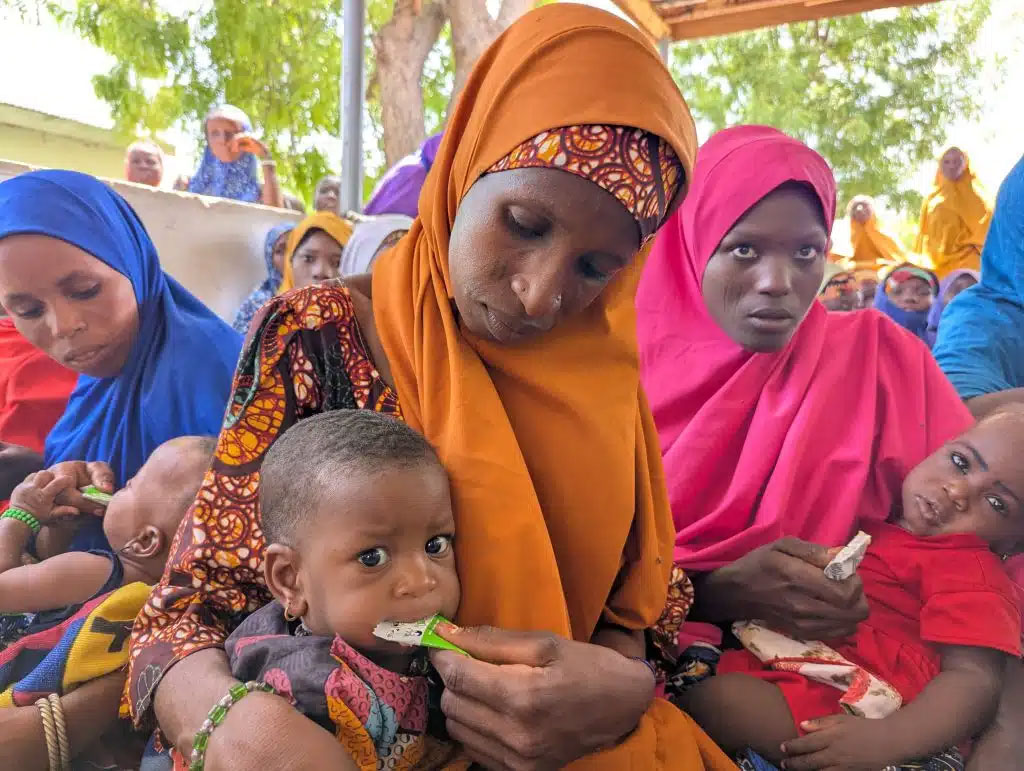

Mothers in Abuja’s largest IDP camp do whatever it takes to get their kids protected
When the camp health centre shut down, getting children immunised became much, much harder. That hasn’t stopped these mothers.
- 19 March 2026
- 5 min read
- by Ekpali Saint
At a glance
- 7,000 internally displaced people, most of them women and children, live at Wassa IDP camp in Abuja. Four years ago, the camp’s only clinic was shut down.
- The trip to the health facility at Chori Bisa is far: an hour’s walk, or an often unaffordable transport fee away
- The fact that mothers like Dorcas Charles, 32, or Sarah Jacob, 29, routinely make that trip is a testament to their commitment to their children’s health, health workers say. It’s also evidence of high levels of health education.
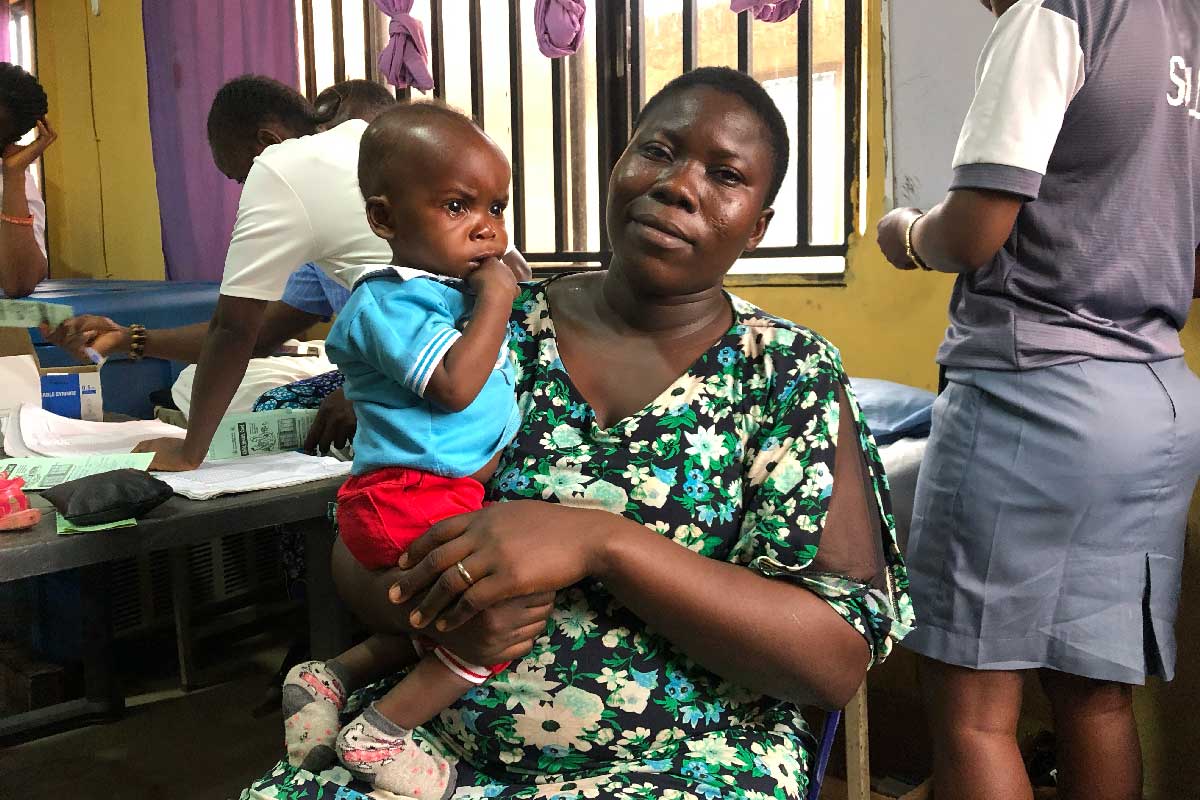
After 32-year-old Dorcas Charles gave birth to her fifth child, Esther, in January 2025, her main concern quickly became how her baby would be immunised.
This is because the only clinic in the Wassa Internally Displaced Persons (IDP) Camp, where two of her older children had received their vaccines, had been closed in 2022 by local authorities following a “dispute” between camp members and a doctor posted to the health facility.
Wassa IDP camp is the largest in Abuja, Nigeria’s capital, accommodating over 7,000 displaced people from 12 northern Nigerian states, about 70% of whom are women and children, according to Geoffrey Bulus, the camp chairman. Since the closure of the health facility in the camp, immunisation services have become far more difficult to access for inhabitants, leaving many children exposed to vaccine-preventable diseases.
Charles was determined. She said the immense benefits immunisation offers and the desire to always see her children healthy led her to register her youngest for immunisation at a clinic in Chori Bisa, another community.
But going to Chori Bisa presented a lot of challenges, chief of which was that it is quite a distance away. Transport costs money. Charles estimated that she spends 1,000 naira (US$ 0.72) to make it to the weekly appointment day at Chori Bisa for immunisation. Getting the transport fare together was difficult, because her business of selling kunu aya, a local non-alcoholic beverage, “is not moving well”.
“[So,] a day before immunisation, I think a lot, wondering where I will get 1,000 naira for transport,” Charles said.
Should the money become available – as when her husband is able to step in to cover the cost – she finds herself in conflict. The same sum could solve many immediate problems facing the household. “The money is important. If not to cover transport, I can use the money to buy soup ingredients and cook for my family,” explained Charles, who has been at the camp for ten years after fleeing her home with her family due to Boko Haram insurgency in Borno state.
Have you read?
Her story is not unusual. Sarah Jacob, a 29-year-old mother of four residing at the camp, said whenever her husband is unable to support her with the transport fare, she leaves her house at 07:00 and walks for one hour to Chori Bisa to immunise her six-month-old baby, sometimes in bad weather such as cold, or in the dry, dusty harmattan wind.
“Walking a long distance in the sun is not easy. I feel very tired each time I return from Chori Bisa,” said Jacob, adding that she has fallen sick at times following the stress that comes with walking to Chori Bisa. “But there is no choice. I am just making the necessary sacrifice to ensure my baby is healthy.”
Tackling low immunisation coverage
Nigeria has the world’s highest number of unvaccinated children, with an estimated 2.1 million zero-dose children in 2024.
Iyare Osarhiemen, public health physician at Alex Ekwueme Federal University Teaching Hospital, Abakaliki, said the vaccination gap was due to factors such as lack of education, poverty, high transportation costs and long distances to clinics.
“These factors contribute to low immunisation coverage [resulting] in higher risks of vaccine-preventable diseases,” he explained, adding that only those well-informed about the importance of immunisation walk miles to immunise their children. “Immunisation is the most cost-effective strategy in disease prevention. Healthcare closer to the people will encourage the people to go for immunisation.”
“The women are cooperating”
If the journey to Chori Bisa is evidence that the Wassa mothers making that trip are well-informed about vaccination, it’s also evidence of a small, but consequential, gap in knowledge.
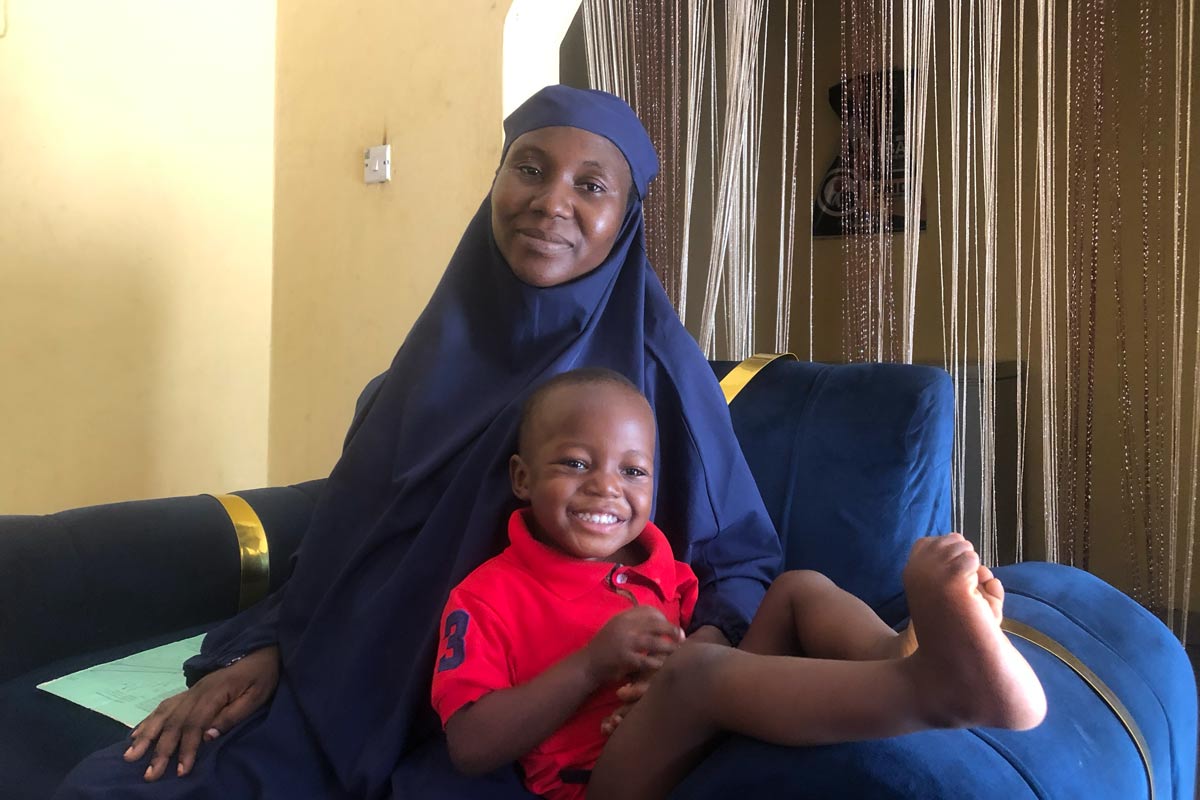
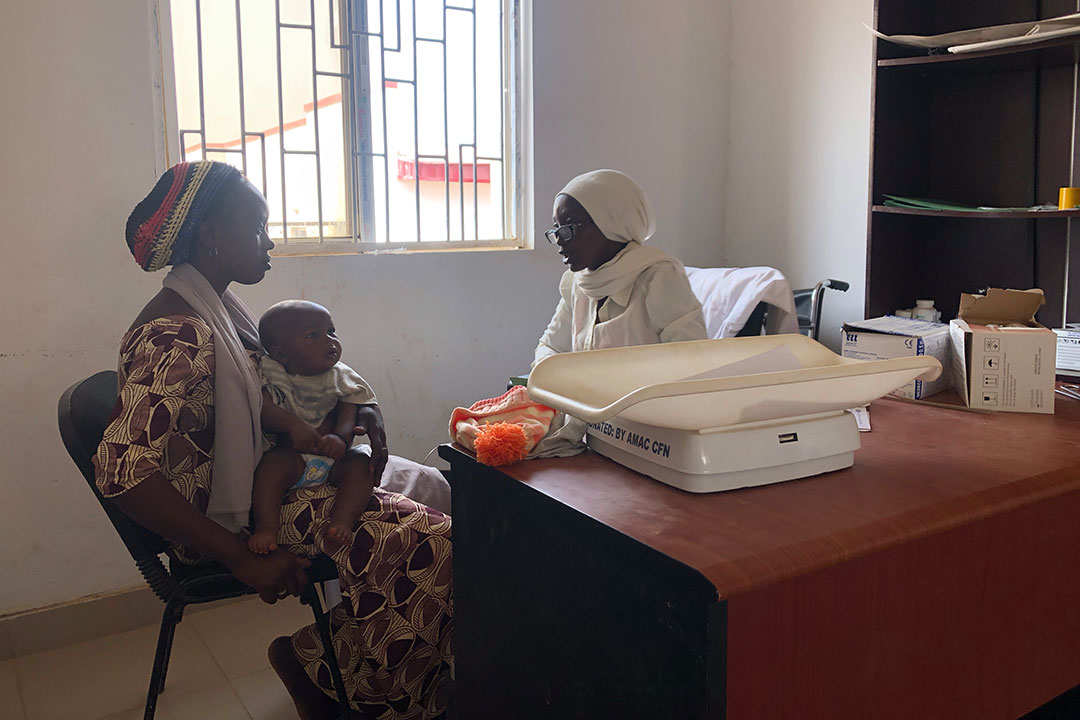
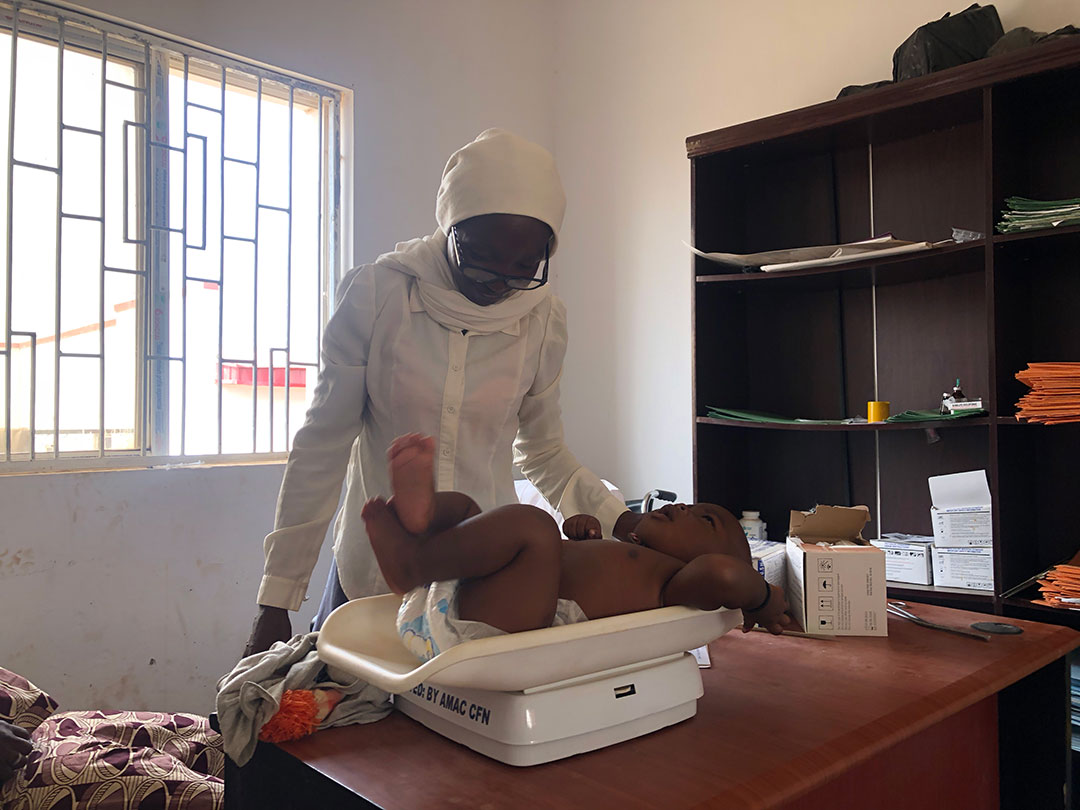
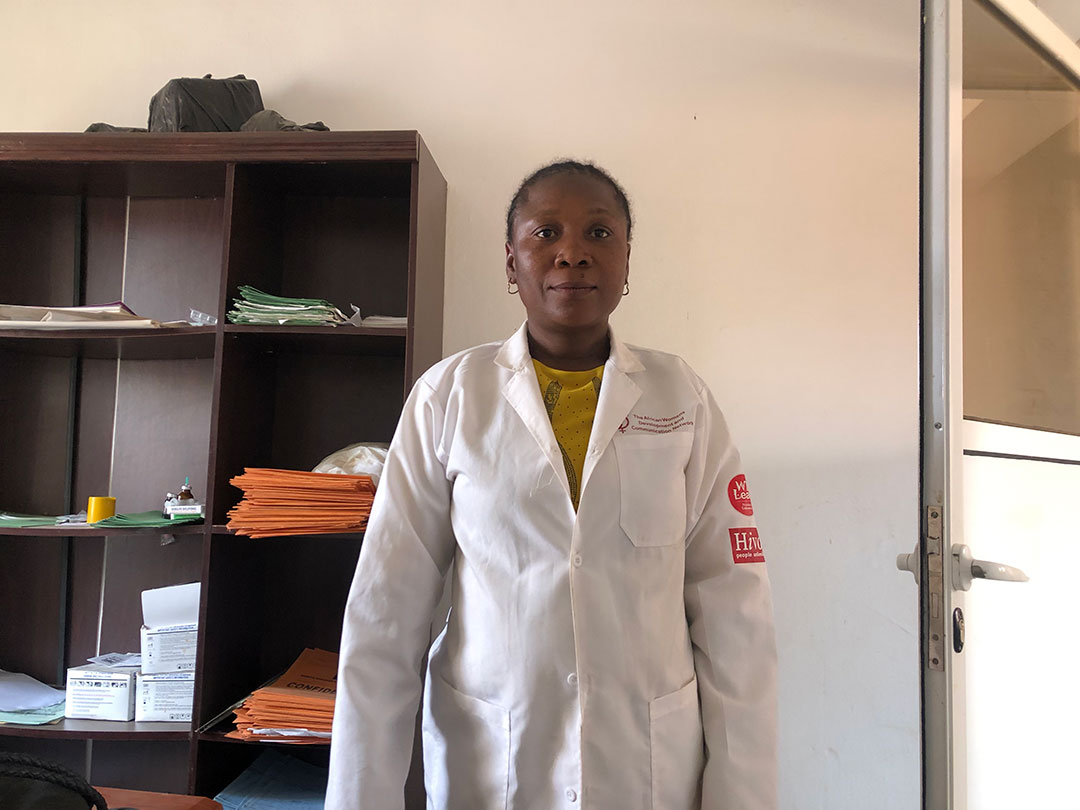
There is a health facility much closer to the IDP camp. A clinic opened recently on the grounds of a widows-and-orphans housing estate supported by Qatar Charity. Rahila Yusuf, a community health worker at the clinic, said she has learned that most of the displaced women, whose camp is about ten minutes from the clinic, are not aware of the new clinic and so still go far to Chori Bisa for immunisation.
Credit: Ekpali Saint
“Mothers going to Chori Bisa are really committed. They told me that they see immunisation as something important,” Yusuf told VaccinesWork. “Many of them did not know that there was a clinic [now close to them]. So sometimes, I go to their camp or their market to ask them not to go to Chori Bisa again but to come to this clinic.”
So far, “the women are cooperating and the turnout is encouraging,” Yusuf said.
Credit: Ekpali Saint
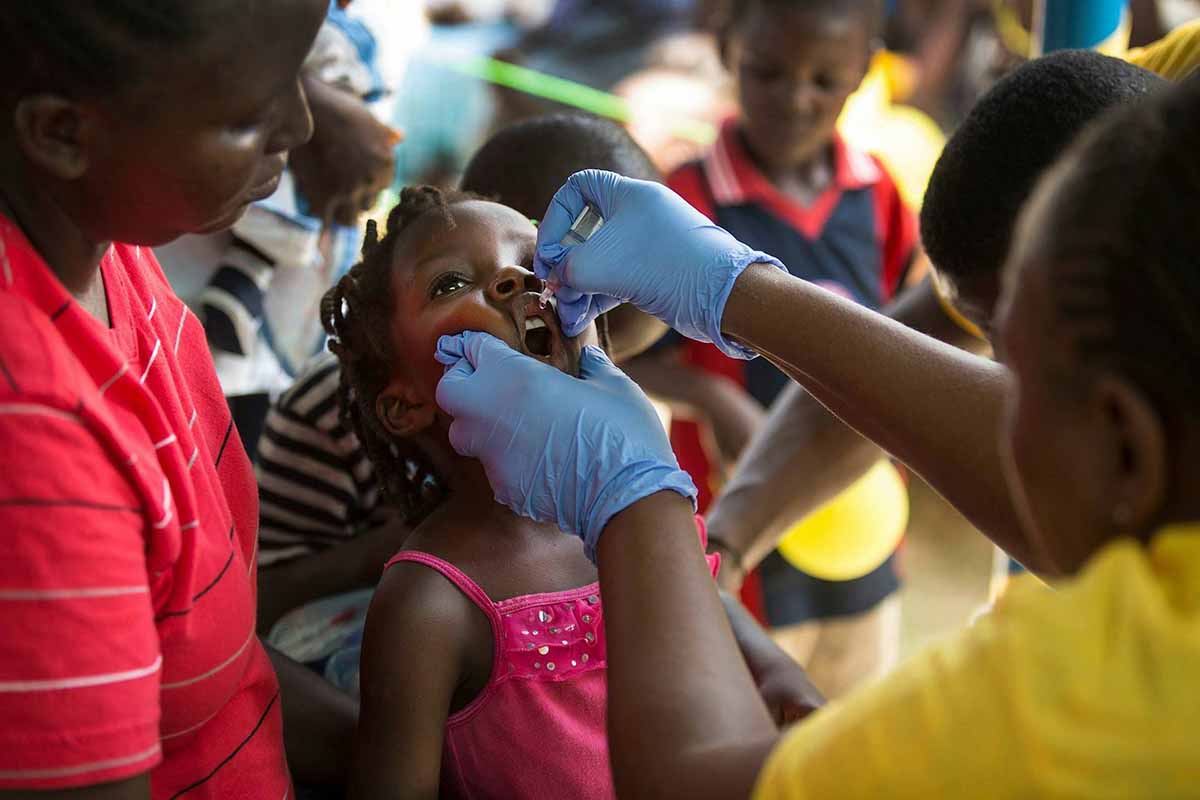
The new clinic’s existence is a relief for Charles, who made her first visit to the clinic on 25 February 2026. Miriam Ofor, another community health worker based at the clinic, said mothers from the IDP camp make up the majority who come for immunisation. During the weekly immunisation session, Ofor said the clinic administers vaccines such as the basic five-in-one pentavalent shot, Bacille Calmette-Guerin (BCG) against tuberculosis, and oral polio vaccine (OPV) drops.
Charles said seeing her healthy child daily makes her happy and gives her reasons to be committed to routine immunisation.
“The immunisation helps to prevent diseases in the body. Even if I give birth again, I will still bring my child for immunisation,” Charles said, speaking in Hausa. “I am happy with immunisation because my child is healthy. Immunisation covers different diseases and that alone gives me joy.”