
Just how deadly is Ebola?
Early reporting suggests the Bundibugyo Ebola outbreak in DRC and Uganda has a fatality rate of around 10%. Here’s why that number may be misleading.
- 1 June 2026
- 6 min read
- by Linda Geddes
At a glance
- The case fatality rate (CFR) is the proportion of people diagnosed with a disease who die from it. Although widely used to estimate the severity of a disease, calculating it can be complicated if cases or deaths are missed or inaccurately recorded.
- A recent meta-analysis of Ebola outbreaks reported an average CFR of 54%, although most of the studies involved outbreaks caused by Zaire ebolavirus.
- Historical outbreaks caused by Bundibugyo virus have reported CFRs of around a third, although the rarity of past outbreaks means there’s limited evidence to draw on, while Sudan virus outbreaks have reported average CFRs of roughly 50%.
During some past Ebola outbreaks, up to 90% of recorded patients were reported to have died, which would put it among the world’s deadliest diseases.
Yet recent media reports about the current outbreak of Bundibugyo Ebola disease in eastern Democratic Republic of Congo (DRC) and Uganda have suggested a fatality rate closer to 10%. So which figure is correct?
The answer is that Ebola does not have a single, fixed death rate and early outbreak numbers can be deeply misleading in both directions.
If cases are not accurately recorded, a disease can appear more deadly than it really is, while unrecorded deaths can make it seem less deadly.
Survival depends on numerous factors, including the viral species involved, how quickly patients receive supportive care such as fluids and oxygen, and how many infections are actually identified and recorded.
Across previous outbreaks, between 25% and 90% of recorded Ebola patients have died, while a newly published meta-analysis estimated an overall mortality rate of 54%: roughly one death for every two diagnosed patients.
However, most of the studies included in the analysis involved outbreaks caused by Zaire ebolavirus, whereas the current Ebola outbreak in DRC and Uganda is being driven by the much rarer Bundibugyo virus.
Understanding Ebola’s true death toll turns out to be far more complicated than simply dividing deaths by cases. From differences between viral species to the challenges of tracking outbreaks in fragile states, here’s what scientists do – and don’t – know about how deadly Ebola really is.
How do scientists calculate case fatality rates?
A disease’s case fatality rate (CFR) is the proportion of people diagnosed with it who end up dying from it. It is a key measure used by scientists to assess the severity of outbreaks.
Calculating it may seem straightforward: divide the number of recorded deaths by the number of recorded cases and multiply this by 100. However, in real-world outbreaks, especially those in conflict zones or resource-poor settings, the calculation can quickly become more complicated.
How does Ebola compare to other diseases?
| Disease | Estimated case fatality rate (CFR) |
| Rabies | ~100% |
| Ebola | 54% |
| Nipah | 40% to 75% |
| Tetanus | 50% |
| Hantavirus | 36% |
| Smallpox (all forms) | 30% |
| Bacterial meningococcal disease | 10% to 20% |
| Typhoid | 10% to 20% |
| Yellow fever | 7.5% |
| Whooping cough in infants | ~3.7% |
| Measles | 1% to 3% |
| Polio | ~0.1% |
All numbers are for untreated and unvaccinated cases. CFR numbers are approximate and can vary substantially between settings and contexts.
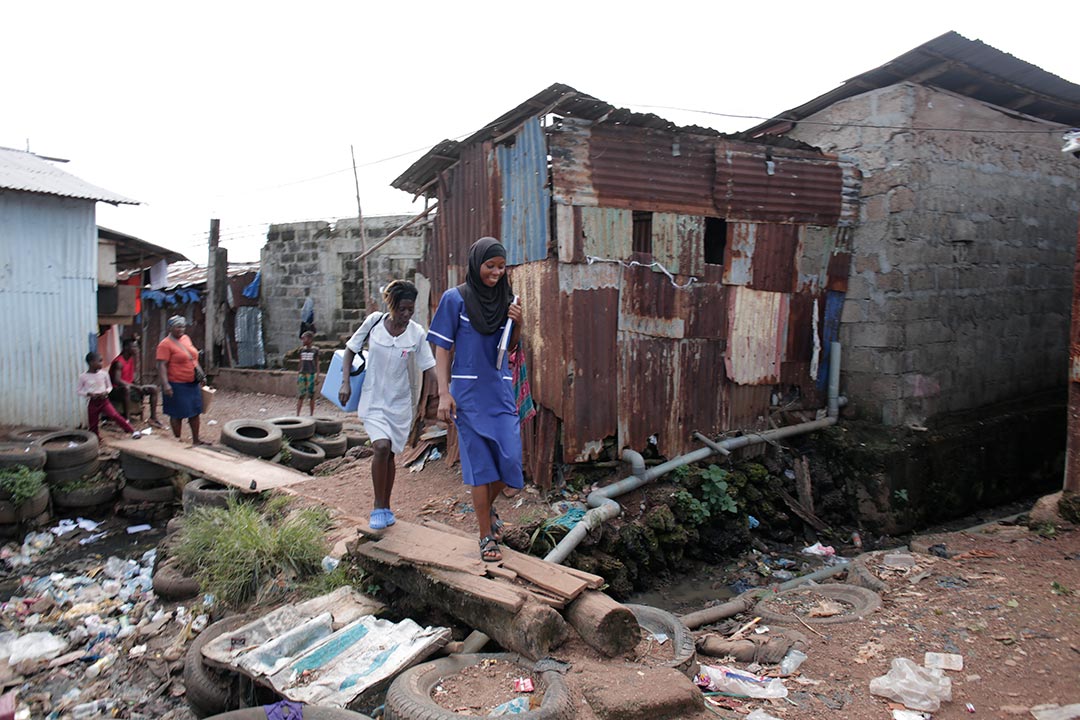
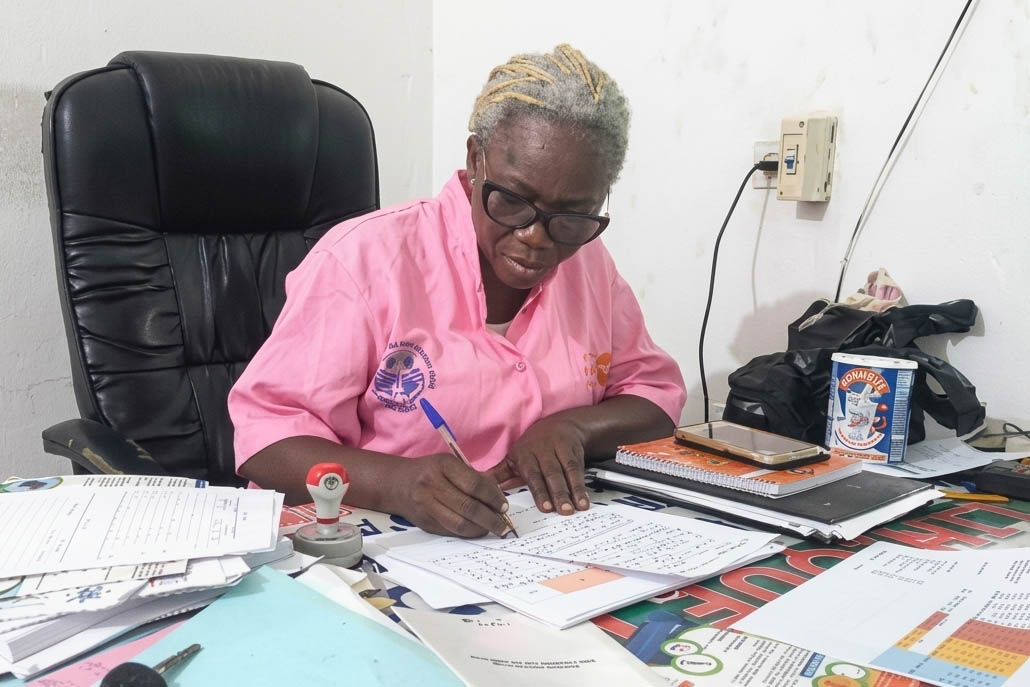
If cases are not accurately recorded, a disease can appear more deadly than it really is, while unrecorded deaths can make it seem less deadly. Cases or deaths may be missed because health systems are fragmented, surveillance teams cannot safely reach some communities, or different regions collect and report data inconsistently.
During fast-moving outbreaks, fatality estimates can also fluctuate dramatically over time. Early on, surveillance systems often detect the sickest patients who arrive at hospitals severely ill or who die, while milder infections may be missed entirely. This can artificially inflate the fatality rate.
Have you read?
However, in fragile, conflict-affected or inaccessible regions, some infected people may die without ever reaching healthcare facilities, and their deaths may never be formally recorded.
There may also be a delay between diagnosis and death, meaning that some patients counted as cases have not yet recovered or died. Both factors can lead to the eventual fatality rate being underestimated.
Are some Ebola viruses more deadly than others?
Historically, outbreaks caused by Zaire ebolavirus have tended to report the highest fatality rates, while those caused by the Sudan or Bundibugyo viruses have been associated with lower reported mortality.
However, comparing these viruses is not straightforward. Zaire ebolavirus has caused the largest and most intensively studied outbreaks, including the West African epidemic of 2014–2016, meaning scientists have far more data about its behaviour. In contrast, Bundibugyo virus has caused only two recognised outbreaks.
“These [Bundibugyo] outbreaks in 2007 (Uganda) and 2012 (DRC) reported less than 200 cases overall. The relatively low number of cases historically has limited the ability to generate scientific evidence on this virus,” said Dr Anne Cori, Associate Professor in Infectious Disease Modelling at Imperial College London.
During these previous Bundibugyo outbreaks the reported CFR was 32% and 36%. For Sudan virus, the average reported CFR is around 50%.
Another important difference is that, whereas licensed vaccines and antibody treatments currently exist for Zaire ebolavirus, there are no approved vaccines or therapeutics for Bundibugyo virus – although some are being advanced into clinical trials.
Why else do some Ebola outbreaks kill more people than others?
Besides the type of virus and reporting inaccuracies, there are several other factors that can influence how deadly an Ebola outbreak is.
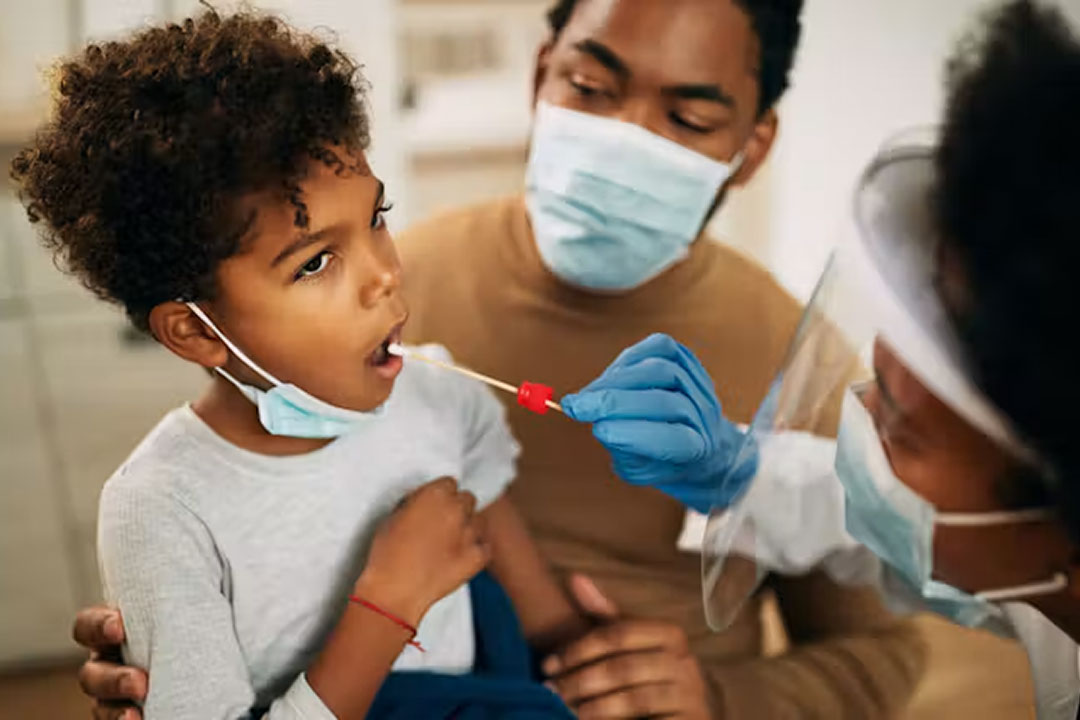
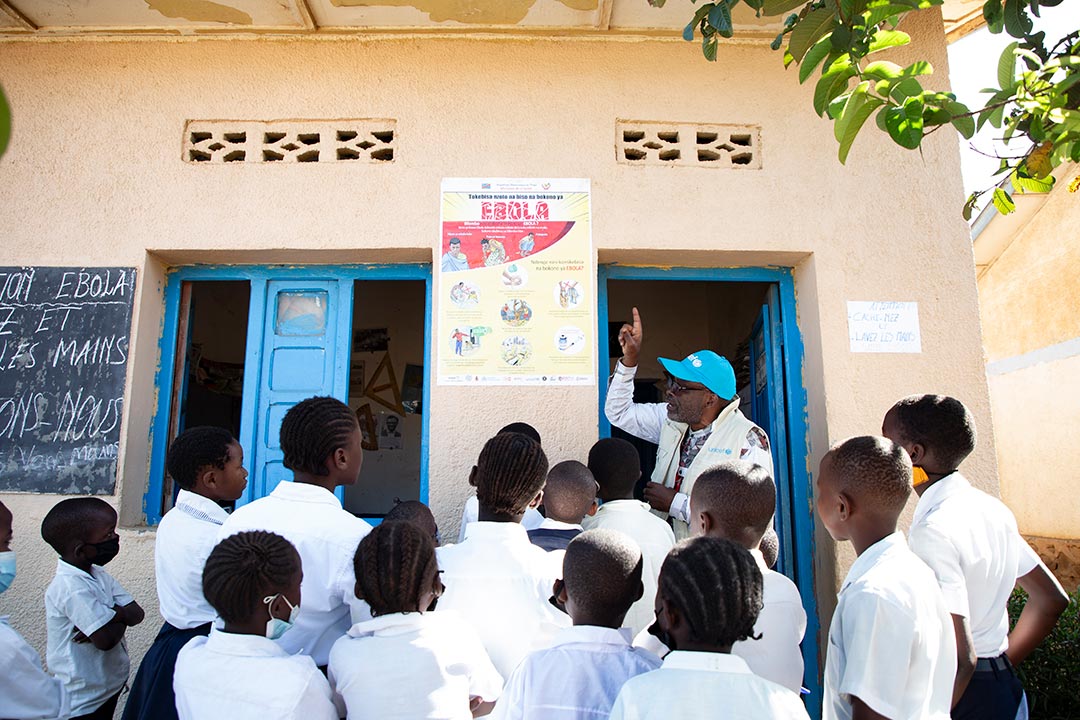
One key factor is the speed and strength of the public health response. Early diagnosis, rapid isolation, contact tracing and access to supportive care, including intravenous fluids, oxygen, electrolyte replacement and treatment for co-infections, can all improve a patient’s chances of survival.
How quickly people seek medical care can also make a difference. Ebola often begins with relatively non-specific symptoms such as fever, weakness, muscle pain and vomiting, meaning patients may initially mistake it for malaria, typhoid or some other infection.
While the numbers remain uncertain, the broader lesson is that survival depends not only on the virus itself, but on how quickly outbreaks are detected, how effectively patients are treated and how resilient surrounding healthcare systems are.
Delays in seeking treatment can leave patients dangerously dehydrated or suffering organ damage before supportive care begins.
Such factors may help explain the enormous variation in fatality rates seen across Ebola outbreaks.
As the authors of the new meta-analysis note, outbreaks differed substantially in terms of healthcare infrastructure, speed of diagnosis, access to treatment centres, supportive care and whether health services became overwhelmed.
“The West African epidemic (2014–2016) was associated with the highest mortality, consistent with literature describing extreme strain on healthcare systems, delayed case detection, and major logistical challenges during that period,” they wrote.
“In contrast, more recent outbreaks in Central Africa showed lower and more homogeneous mortality, likely reflecting improvements in care organisation, the introduction of standardised supportive care protocols, and access to innovative therapies such as monoclonal antibodies.”
Patients’ condition on arrival at hospital, including how advanced their illness was and how high their viral load had become, may also have influenced survival, the authors said.
Exactly how deadly the current Ebola outbreak is may not become clear until long after it has ended. But while the numbers remain uncertain, the broader lesson is that survival depends not only on the virus itself, but on how quickly outbreaks are detected, how effectively patients are treated and how resilient surrounding healthcare systems are.