
In Nigeria, immunisation days become nutrition school for parents
In Ebonyi State, Nigeria, a youth-led initiative is transforming routine immunisation clinics into platforms for combatting child malnutrition.
- 3 July 2026
- 6 min read
- by Abdullahi Muritala
At a glance
- Almost a third of children in Ebonyi State, Nigeria are stunted from malnutrition.
- Nutritionist Akinade Ogunniyi decided to do something about that, and established Healthy Mama, Healthy Pikin – a programme that uses the opportunity that child immunisation days present to teach families about better nutrition.
- Parents not only learn about good nutrition, but try their hand at local, affordable, nutrient-dense recipes – and even take home seeds to plant in their gardens.
During his National Youth Service Corps (NYSC) posting to Ebonyi State in 2024, nutritionist Akinade Ogunniyi encountered first-hand the scale of child malnutrition affecting rural communities.
Posted to the Ministry of Health, he travelled across local government areas and visited Community-based Management of Acute Malnutrition (CMAM) centres, where severely malnourished children received Ready-to-Use Therapeutic Food (RUTF) supplied through donor-supported programmes.
But he worried about sustainability. “What happens to the fate of these children if these programmes stop?” he recalled asking himself. That concern inspired the creation of Healthy Mama, Healthy Pikin, a grassroots nutrition initiative designed to teach mothers how to use affordable, locally available foods to improve child nutrition and household feeding practices.
The initiative emerged against the backdrop of a growing child nutrition crisis in Ebonyi State, where in 2024, 32% of children under five were stunted, according to that year’s National Demographic and Health Survey.
Immunisation and nutrition go together
When 33-year-old Christiana Ndinsi arrived at Maternal and Child Health (MCH) Azuiyiokwu on a Monday morning in 2024 for her four-month-old baby’s routine immunisation, she carried more than her child: she carried a growing concern.
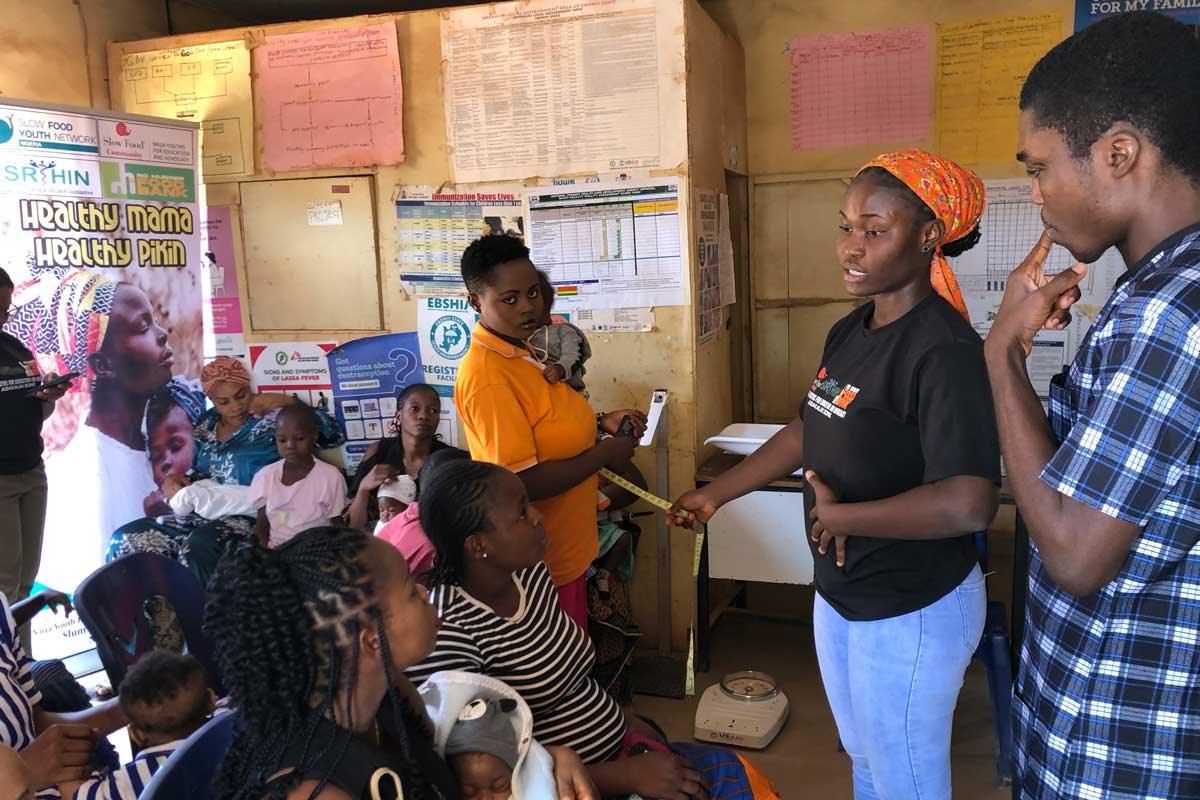
She was breastfeeding with some difficulty, and worried that her baby was underweight. She intended to discuss her concerns with the health workers, but before she had the chance, she encountered the Healthy Mama, Healthy Pikin team. The health facility was one of ten primary health care (PHC) centres selected by the initiative to deliver nutrition education and empower mothers with practical child-feeding skills.
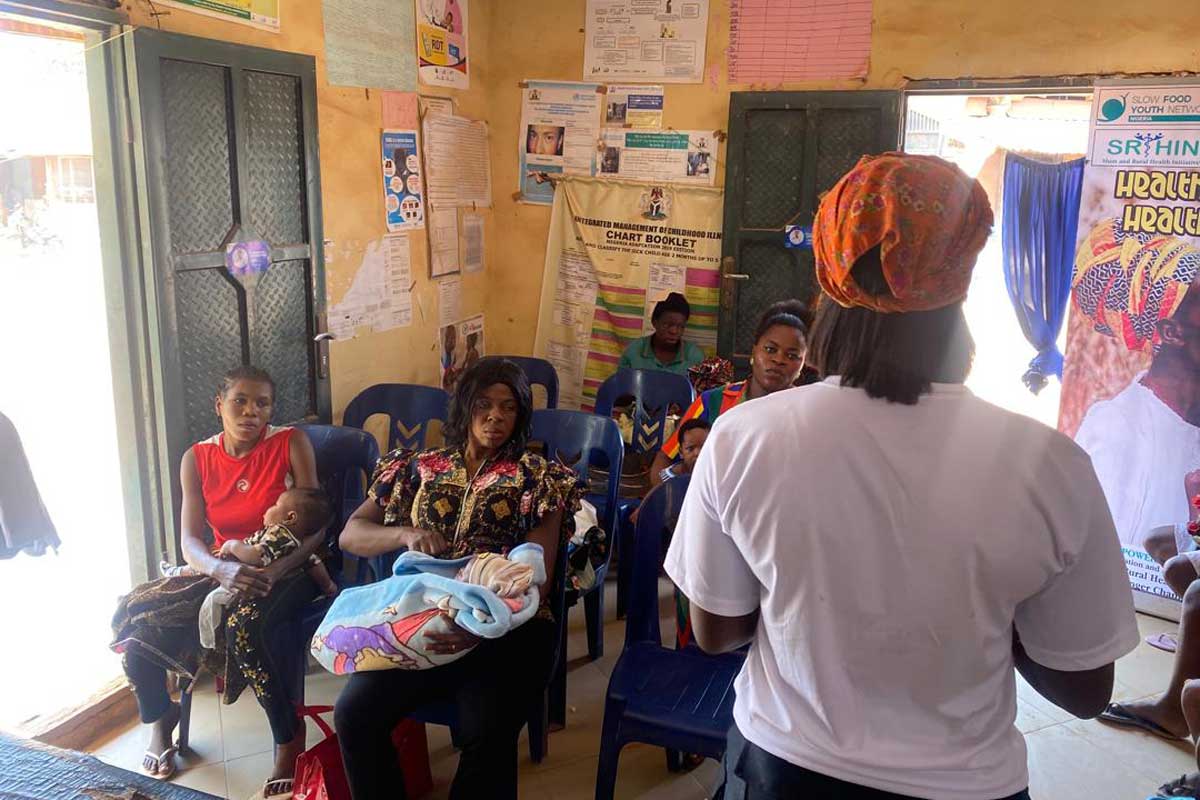
Rather than creating a separate outreach structure, the initiative was integrated into routine immunisation days at PHC centres in Abakaliki, Ebonyi State.
According to Ogunniyi, that decision was rooted in the realities of rural life. Mothers already visited clinics on immunisation days, making it easier to reach them without disrupting their market activities or farm work.
“Doing as much as you want to help does not mean you should inconvenience them. We used the time before vaccinations to hold short nutrition education sessions where volunteers demonstrated how mothers could enrich their children’s meals using affordable, locally available ingredients,” Ogunniyi said.
The programme showed mothers how to prepare nutrient-rich fortified pap using locally available ingredients such as soybean flour, red palm oil, fruits and other affordable foods.
“My daughter has been rejecting pap [porridge] and milk, which made her underweight, and it made me worry. But when I spoke about it at the session, I was asked to make what is called a fortified pap, and she takes it ever since I tried it,” Ndinsi said.
She reports noticing an almost immediate improvement. Her daughter began eating more willingly, finishing meals, sleeping better and gradually gaining weight.
Challenging deep-rooted feeding practices
Platonic Blessing, a volunteer with the Healthy Mama, Healthy Pikin initiative, said the programme went beyond promoting healthy nutrition by confronting long-held cultural beliefs that undermine optimal infant feeding practices.
One of the most persistent misconceptions, she explained, is the belief that colostrum – the first breastmilk produced after childbirth – is ‘dirty’ and should be discarded. Many mothers also believed that babies should be given water before the age of six months, contrary to the World Health Organization’s recommendation of exclusive breastfeeding for the first six months of life. These misconceptions, she said, were addressed through repeated counselling, practical demonstrations and peer support.
“Many grandmothers influenced these practices among nursing mothers in rural Ebonyi, but we were able to correct many of those misconceptions during our sessions. Another major issue we tackled was hygiene and WASH,” she told VaccinesWork.
Blessing noted that preventing infections through good hygiene was just as important as providing children with nutritious food to fortify their immune systems.
She added that, as of November 2025, the initiative had reached more than 300 parents of children under five across its target communities in Abakaliki.
To sustain the programme beyond the limited intervention period, the initiative also trained health workers to continue delivering nutrition counselling during routine immunisation sessions, including practical guidance on preparing nutritious complementary meals from locally available and affordable foods.
A symbiotic relationship
Christy Ikechukwu, 54, Officer-in-Charge of Unagboke Primary Health Centre in Abakaliki, said the initiative complemented routine maternal and child health services by reinforcing key health messages and closing critical knowledge gaps among caregivers.
She said the programme also led to a marked increase in immunisation attendance, attributing the rise to the practical support mothers received through nutrition demonstrations, backyard gardening initiatives, and the opportunity to ask questions about child feeding and care during clinic visits.
“Before the programme, we usually had between 40 and 70 mothers during our immunisation sessions. After it started, attendance increased significantly. Now, we sometimes receive more than 100 mothers, and on some clinic days, the number exceeds 200,” Ikechukwu said.
Her observations were echoed by Christiana Ndinsi, one of the programme’s beneficiaries, who said many mothers in her neighbourhood began attending the same immunisation clinic after hearing about the support and practical guidance on feeding offered there.
Have you read?
Planting the seeds of better nutrition
Akinade said the initiative was designed not only to improve nutrition knowledge, but also to address one of the biggest barriers to healthy feeding: access to nutritious food.
In a state where poverty limits many families’ food choices, he believed that teaching mothers about healthy diets without improving access to fresh produce would have only a limited impact. This informed the decision to incorporate backyard gardening into the programme, enabling households to grow vegetables and other nutrient-rich foods close to home.
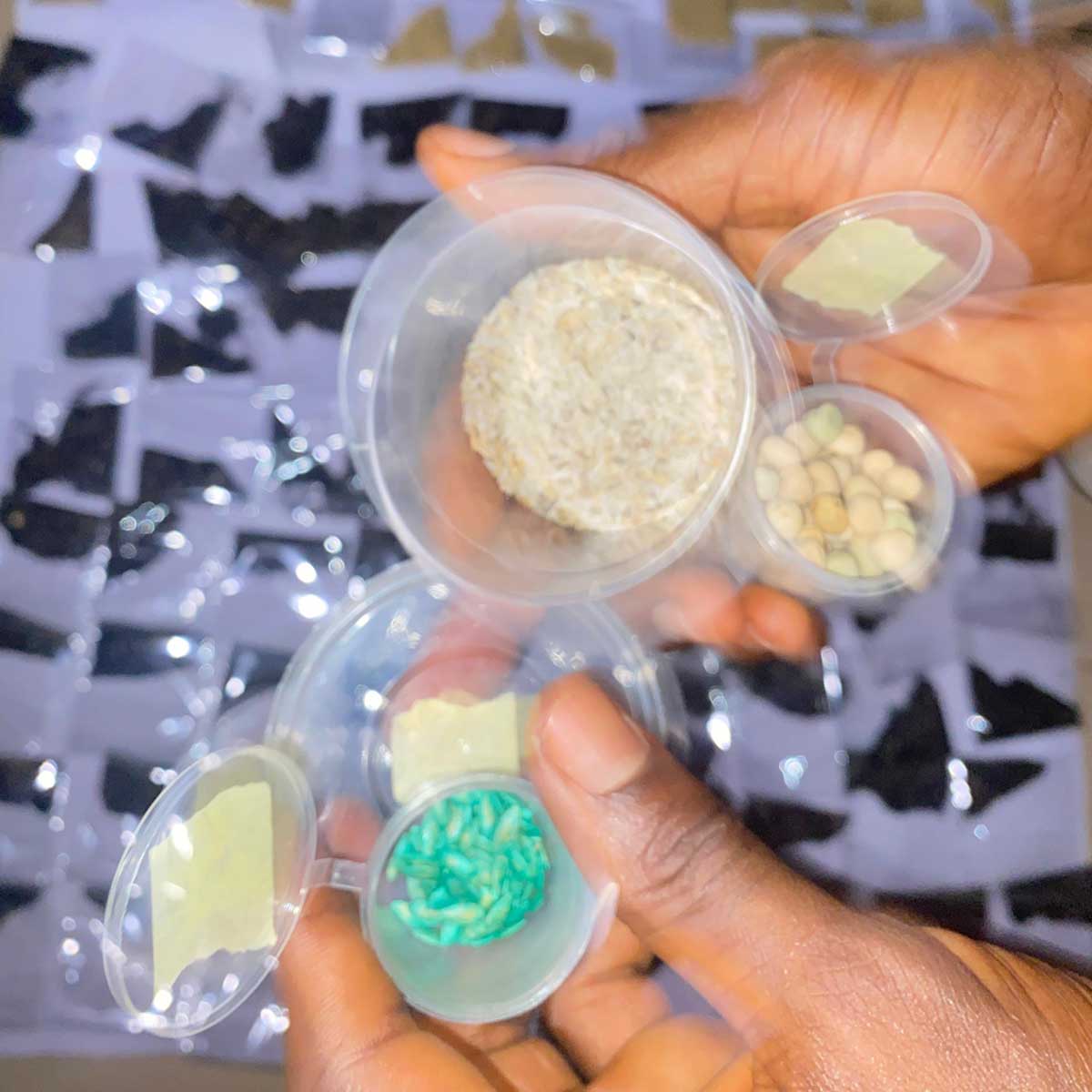
Launched with a 500,000 naira (about US$ 370) grant won through a malnutrition innovation challenge, the initiative also received support from No Hunger Food Bank, Slow Food International and the Slum and Rural Health Initiative (SHRIN), to distribute seedlings, including African spinach, green vegetables, cucumbers, and other locally suitable crops.
More than 100 households, including that of Christiana Ndinsi, received the seedlings and established backyard gardens, giving families easier and more affordable access to fresh vegetables without the cost and time of travelling to distant farms.
Akinade hopes to expand the model beyond the ten communities where it was piloted, but says inadequate funding remains the programme’s biggest obstacle.