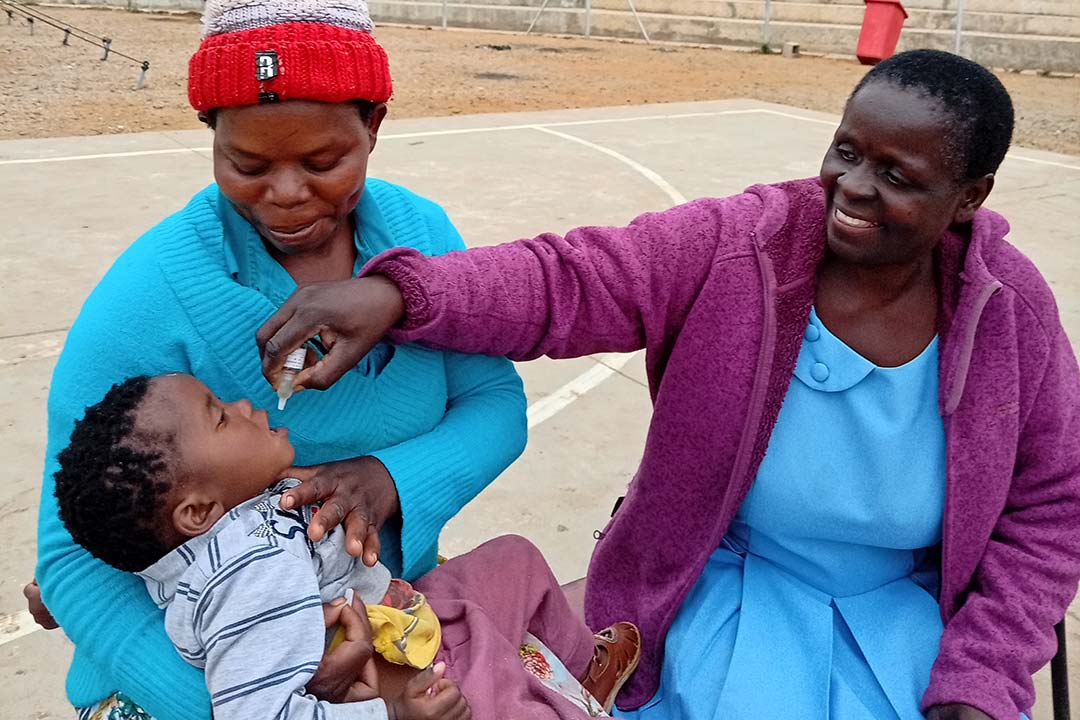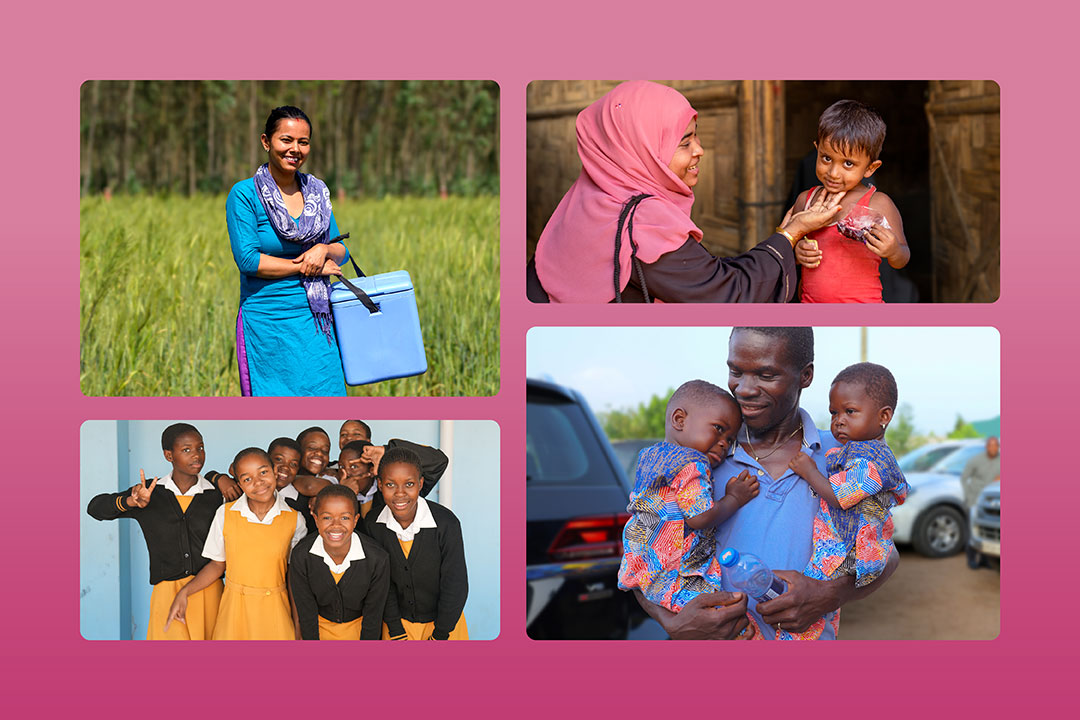

Vitamin A deficiency can cost children their eyesight. Zimbabwe is on the march to roll back that risk
One in four Zimbabwean children is deficient in Vitamin A, which means they are at risk of stunting and vision loss. The immunisation system is working on changing that.
- 22 April 2026
- 7 min read
- by Calvin Manika
At a glance
- Vitamin A deficiency is common in rural Zimbabwe, and can cause symptoms ranging from stunting to catastrophic and irreversible loss of vision.
- Supplementation via oral drops is recommended, but many children, especially in rural, out-of-the-way places like Garanyemba village, still miss out.
- Since an October 2025 campaign that combined measles vaccination with Vitamin A supplementation, at least one part of rural southern Zimbabwe has seen a change for the better. Health workers in Gwanda district report seeing more parents turning out at clinics, and more grassroots workers heading into the field to support their efforts.
In Garanyemba village, southern Zimbabwe, Gertrude Moyo is telling the story of an uncomfortably close call.
At age three, her only child seemed to have difficulty seeing in the evenings. Moyo consulted a medical outreach team in Gwanda, the district capital. The health workers told her they suspected the child was suffering from a vitamin A deficiency (VAD).
“Luckily, it was too early. The nurses said if I had delayed, the condition would have turned into permanent structural damage and would be irreversible,” remarked Moyo.
Symptoms of VAD, a common condition in children under five, range from stunted growth and night-blindness to permanent, irreversible corneal destruction through a process called keratomalacia.
Keratomalacia is especially likely when low vitamin A levels collide with a measles infection. When measles infects the lining of the gut, it can cause a loss of the proteins that carry vitamin A around the body, meaning that a child who is borderline or already mildly deficient can plummet into severe VAD in a very short space of time. As recently as the 1990s, measles and vitamin A deficiency were considered the major causes of childhood blindness in poor countries.
Immunisation and vitamin A supplementation, often administered during combined campaigns, have massively dented rates of blindness.
But while prevention may be the best policy, sometimes logistics get in the way. Garanyemba is a good 30 kilometres by dirt road from Gwanda town. Moyo’s homestead is another hour and a half from the village proper. During the rainy season between December and March, most parts of the road are impassable.
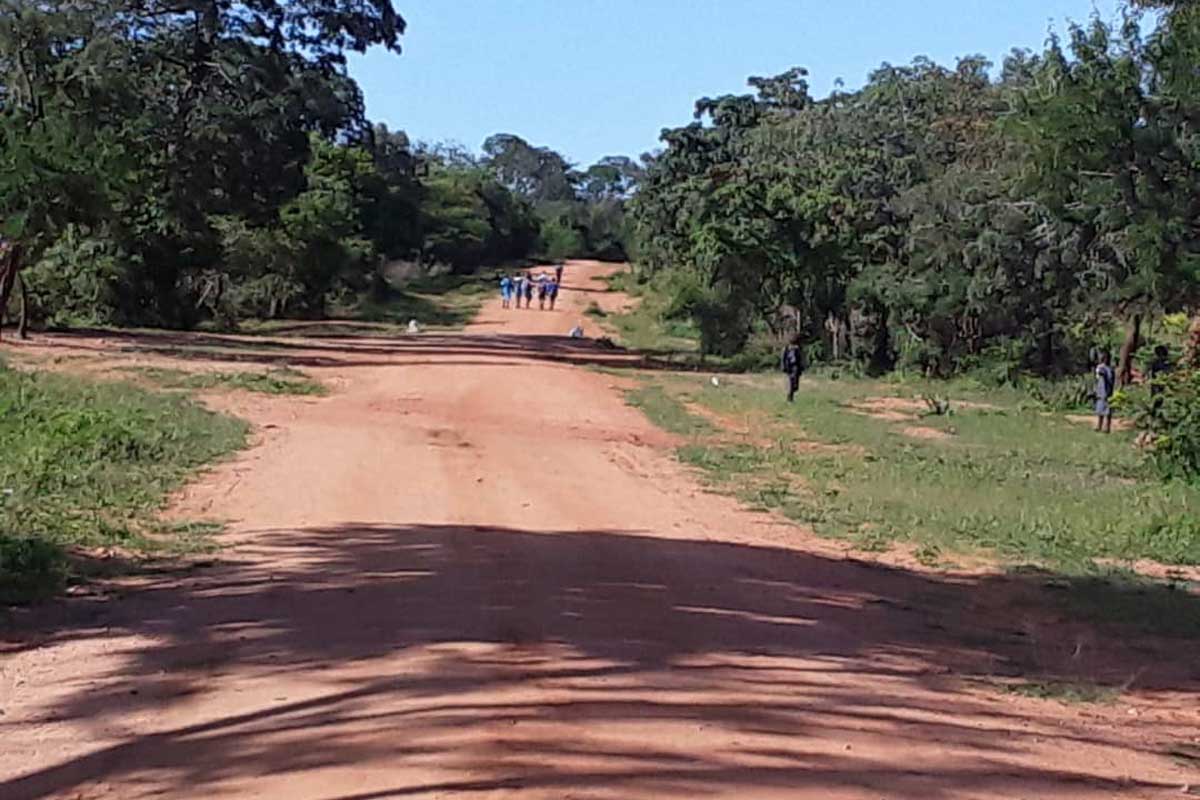
“I have been inconsistent in going to the clinic for supplementation and other programmes due to distance; it’s way too far, and I hardly get time working,” Moyo admitted.
“When I noticed that my child wasn’t seeing well, the first thought was that someone in the village was bewitching my daughter. I opted to look for some traditional and spiritual help. But nothing changed; rather, it became worse until I got the medical diagnosis after a neighbour’s relentless push,” Moyo explained.
The need for supplementation
In some parts of the world, vitamin A deficiencies are less common. The reason is simple enough: some cultures eat diets that are richer in vitamin A. That’s not just a question of habit or preference, but also of cost and availability.
Vitamin A-rich foods “include meats like beef, chicken, fish and also spinach, kale, mango and guava, as well as cheese and eggs,” said Mthabisi Ncube, a lecturer in nutrition at Knowledge Academy in Bulawayo.
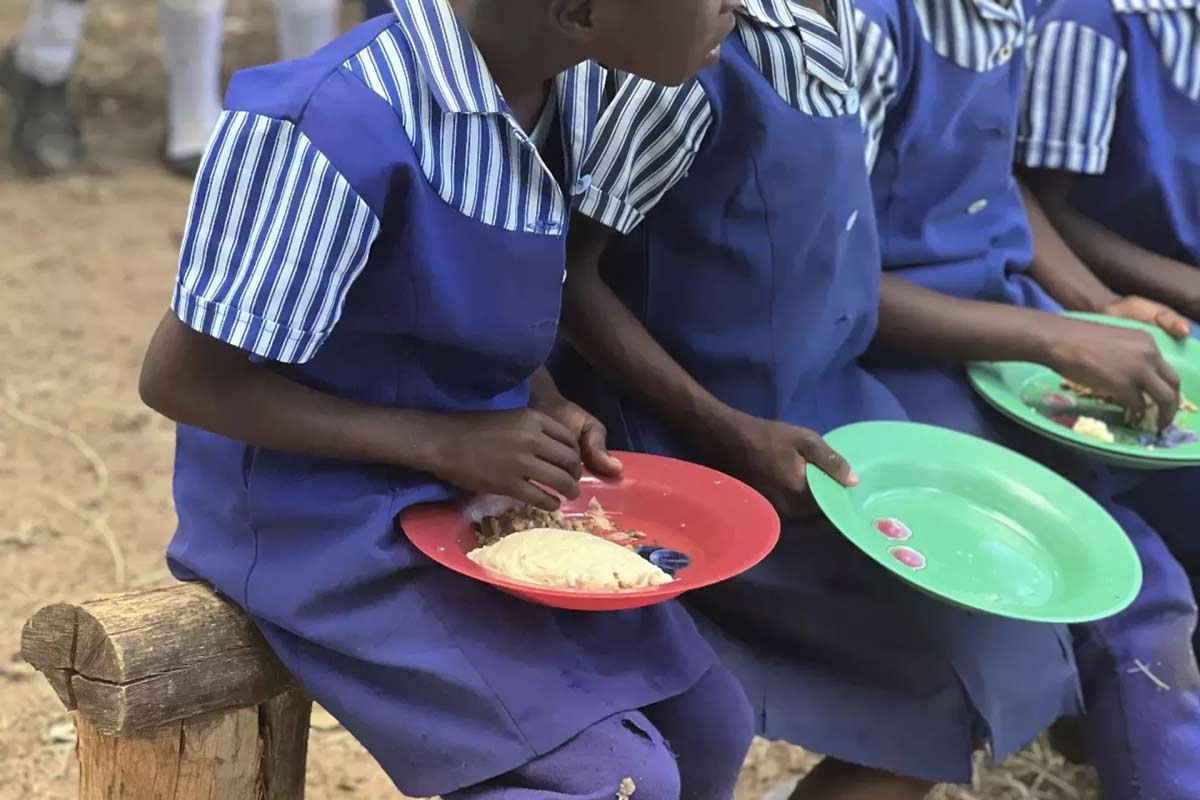
With 60% of Zimbabweans living on an average of US$ 3 a day, according to the Zimbabwe Statistics Agency, many families subsist on diets that are low in such foods.
There are efforts afoot to boost access to dietary sources of Vitamin A for ordinary Zimbabweans. One notable programme, implemented since 2021 by the non-profit HarvestPlus together with the UN Food and Agriculture Organization (FAO) and the Ministry of Health and Child Care, seeks to supercharge the availability of vitamin A-rich orange-fleshed sweet potatoes (OSPs) to Zimbabweans.
“The biofortified OSPs contain not only vitamin A, but also zinc and iron, making them an important root crop to improve food and nutrition security,” said Tinashe Gwaze, a Monitoring and Evaluation specialist with international research organisation Alliance Bioversity International & CIAT.
Still, according to the Ministry of Health and Childcare, right now one in four children has vitamin A deficiency, and about 72% are living with iron deficiency.
Efforts by the government and partners to combat VAD have historically hinged on bundling Vitamin A supplementation, delivered via oral drops, into national immunisation days. But according to Violet Mkwananzi, a community nurse working with village health workers (VHWs) in some of the under-served areas of Gwanda district, funding gaps and logistical challenges in remote areas have made sustained coverage difficult. Many of Zimbabwe’s rural communities remain difficult to access, and therefore underserved.
“If you look at our community here, people have to walk long distances to get to a place where they get transport, let alone to speak of essential services like a health centre. It’s not easy for people in this area,” said Mkwananzi.
Embracing vaccines and supplements
But in other remote villages, the health system seems to have generated enough community buy-in to help compensate for the logistical hurdles.
“The only challenge is our clinics are a bit far,” said Grace Mpala, a mother of two from Manama, a community 55 km from Garanyemba village. “But programmes such as the administration of vitamin supplements and vaccinations are worth taking the long journey. It’s a great joy to take our children there.”
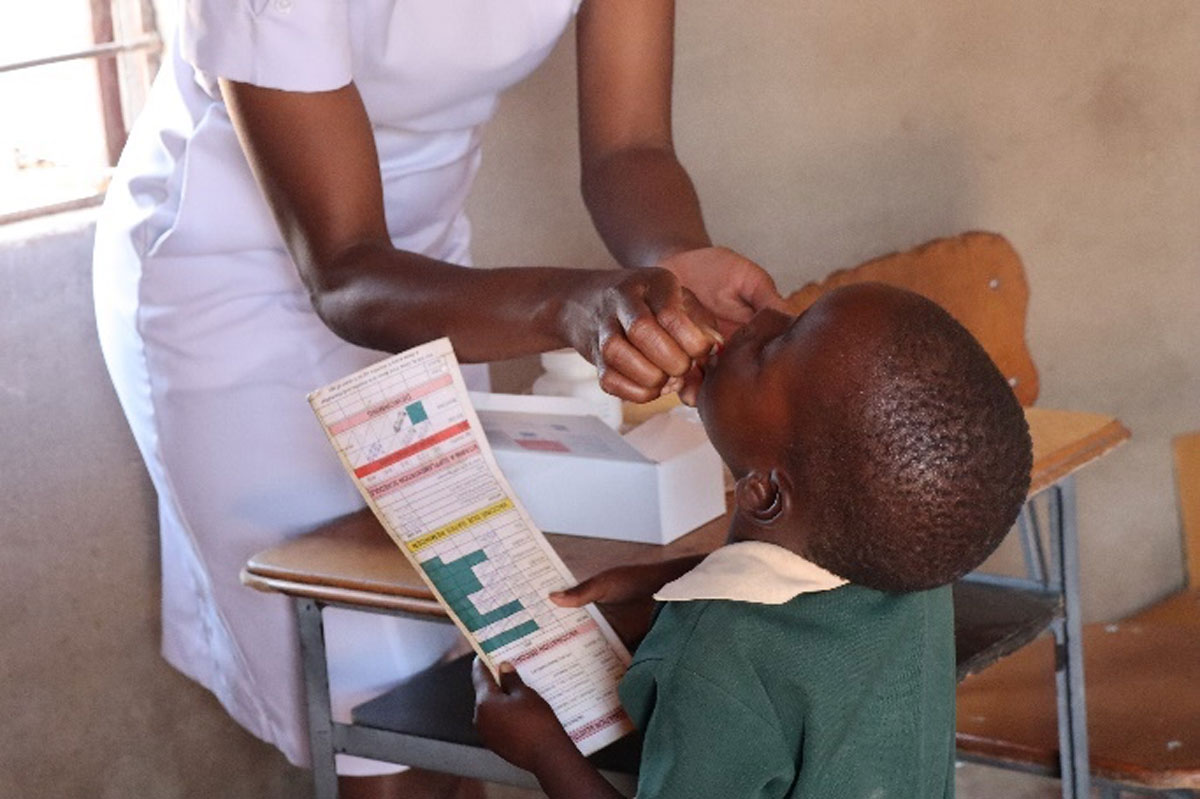
In fact, VHW Thobekile Sibanda said she has witnessed an increase in the uptake of supplementary vitamin A in her community.
“Sometimes resources constrain us, but whenever we call for vaccination and supplements, mothers, sometimes accompanied by men, flock into our various health centres.
“A long time ago, we used to force them, as the consequences of shying away from clinics were dire. Nowadays, word of mouth spreads like wildfire. The acceptance is translating into healthy children and communities,” said Sibanda.
Community-led awareness
The World Health Organization recommends Vitamin A supplementation once every six months for children in the age group of 6 to 59 months. On that schedule, vitamin A supplementation has been proven to reduce paediatric mortality rates. That’s an effect that villagers in Manama say they can attest to.
In the past, Manama saw many more children fall sick with preventable illnesses like diarrhoea and measles, said Courage Dube, one of the village heads. But through awareness campaigns in collaboration with the Ministry of Health and Child Care (MoHCC), the villages leaders have sought to educate families about vitamin A, and the importance of immunisation and vaccines in general.
“It is working. As headmen, we work with the Ministry of Health and Child Care in raising awareness. Some people only react when we, as traditional leaders, speak or have endorsed the programmes,” Dube added.
If you’re interested in stories from Zimbabwe, read next:
Leaving no one, and no place, behind
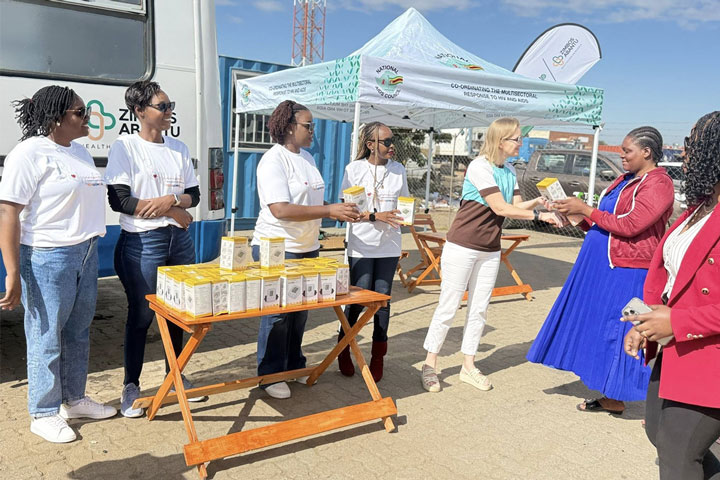
In October 2025, Zimbabwe recorded a breakthrough in child health with the launch of the national Measles-Rubella (MR) vaccination and Vitamin A Supplementation Campaign in Harare, the country’s capital. The programme was implemented by the Ministry of Health and Child Care with support from Gavi.
Before that massive national campaign, Zimbabwe had been rolling out targeted supplementation and vaccination programmes. Certain communities had, however, fallen through the cracks. A major 2022–23 measles outbreak, which affected thousands of children across the country, exposed these gaps.
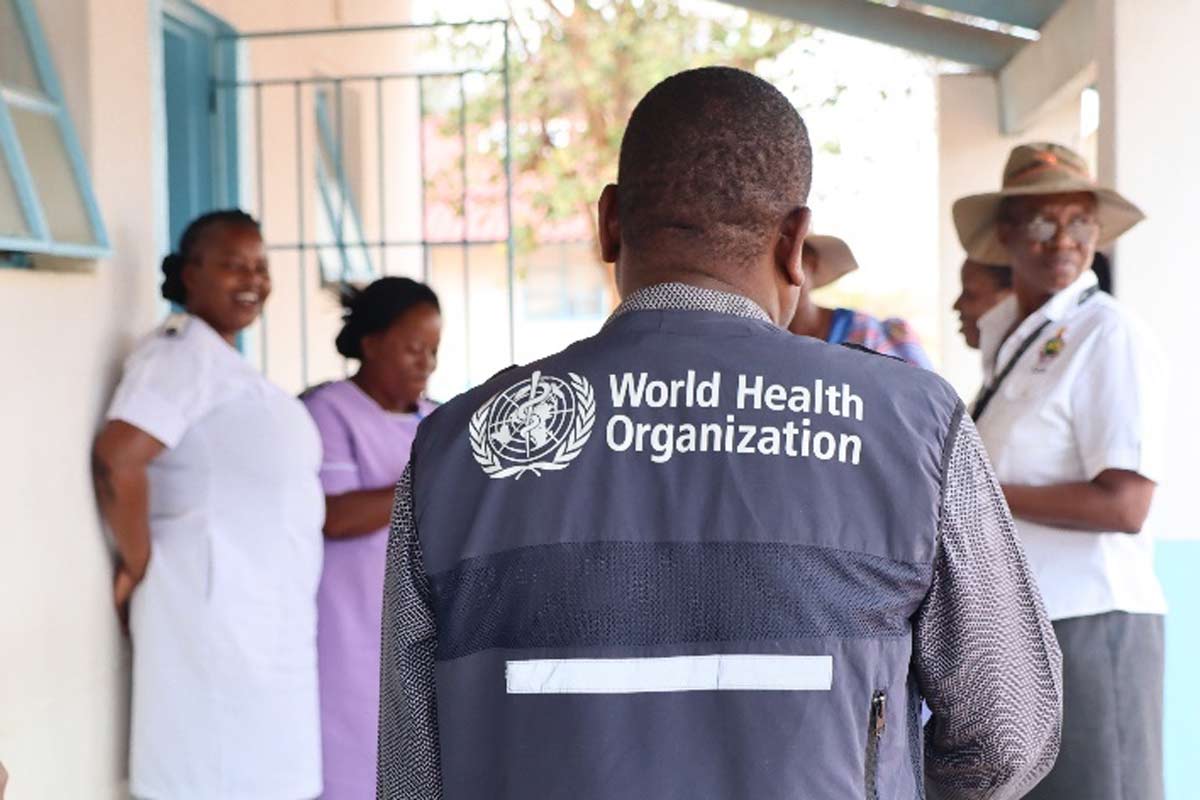
The 2025 campaign aimed to close them. Minister of Health and Child Care, Dr Douglas Mombeshora, said the goal was to reach 95% of children aged 9 to 59 months with both the measles-rubella vaccine and supplementary vitamin A.
That has meant deploying more grassroots-level health workers to reach previously marginalised communities. Gwanda community nurse Mkwananzi said she has seen a change in the months since the campaign’s launch.
“The increase in VHWs in these once under-served communities is saving children and families. We have seen a more than 90% turnout by mothers because we go near them. If one misses either supplementation for vaccination, they are taking the long distance to Gwanda, a sign of awareness,” said Mkwananzi.
The latest Zimbabwe Rural Livelihoods Assessment (ZimLAC) report, which helps inform the government’s food and nutritional security strategy, shows the government fulfilled its goal as outlined in the National Development Strategy 1 (NDS1) to reach a target of 90% for vitamin A supplementation, saving thousands of children from preventable blindness and deaths.
More from Calvin Manika