
The Nigerian mobile clinic for whom pop-up care is just the beginning
What began as a one-day medical outreach to remote communities is evolving into a model of continuous, integrated care.
- 24 July 2026
- 6 min read
- by Adnan Ahmad
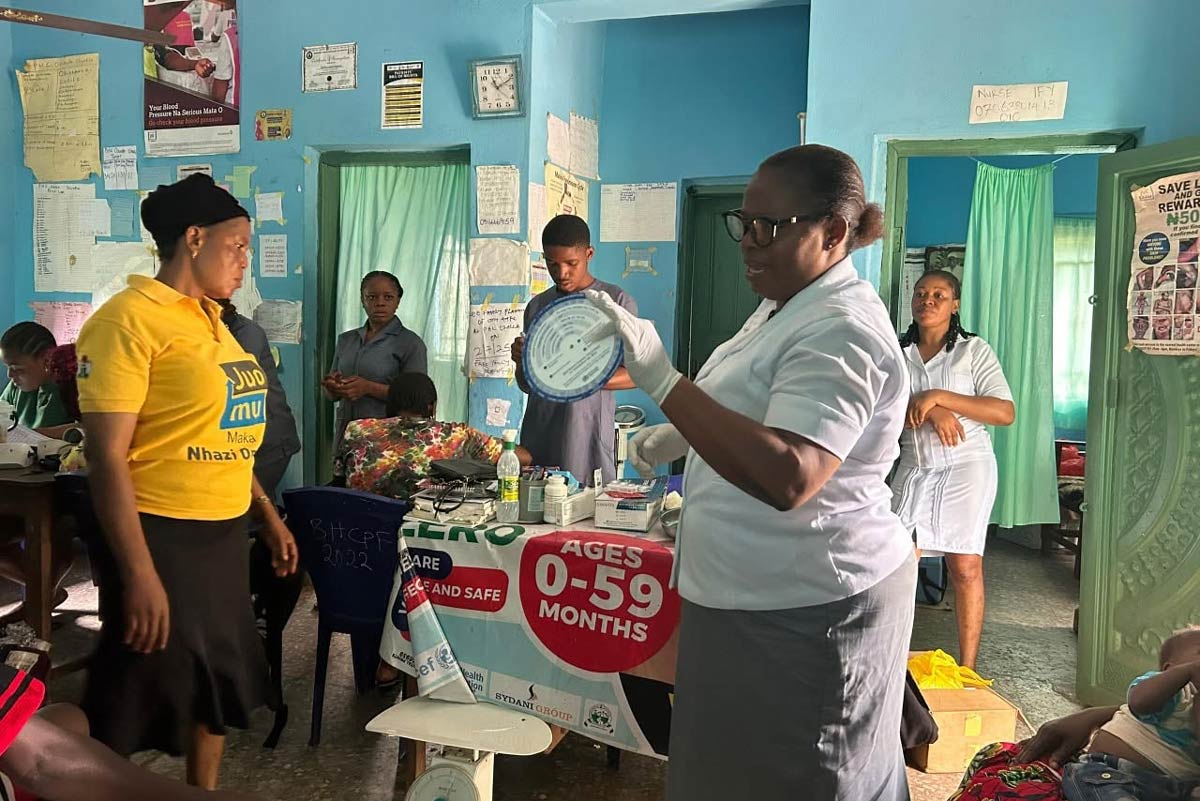
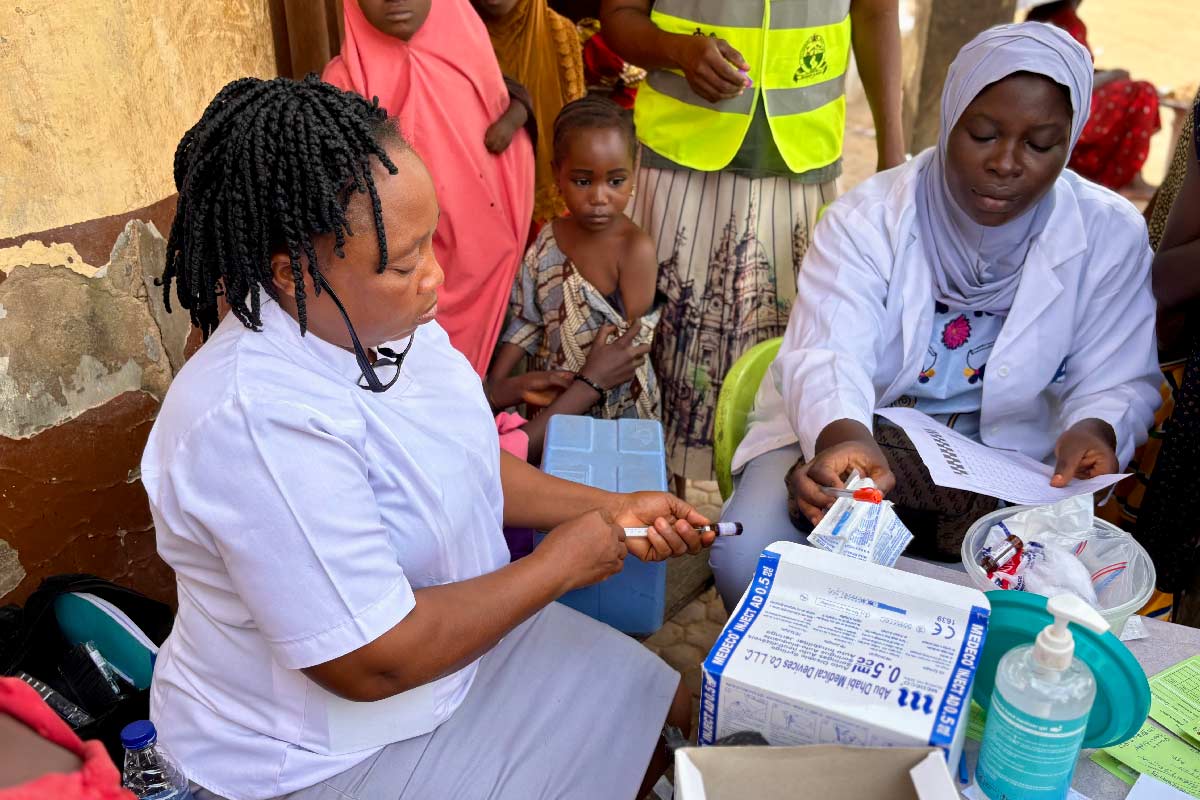
A quiet morning in Etti-Nanka, a community in Anambra State in South-East Nigeria, is interrupted by an unusual arrival. A team from Parkers Mobile Clinic pulls into the village square, transforming the open space into a temporary health centre.
Curious residents come out from their homes, gathering in small groups around the vehicles, unsure of what the day will bring. But before blood pressure cuffs are strapped on, or medicines are dispensed, the community pauses for an opening prayer. “We are your servants, the people of Etti-Nanka and those who have come to work in our home. We have gathered before you at this hour. We give you thanks for life, for preserving us,” one of the village patrons says.
The final, joint “Amen” marks the start of a day that will bring healthcare to a community that too often has to do without.
Pop-up, or catch-up?
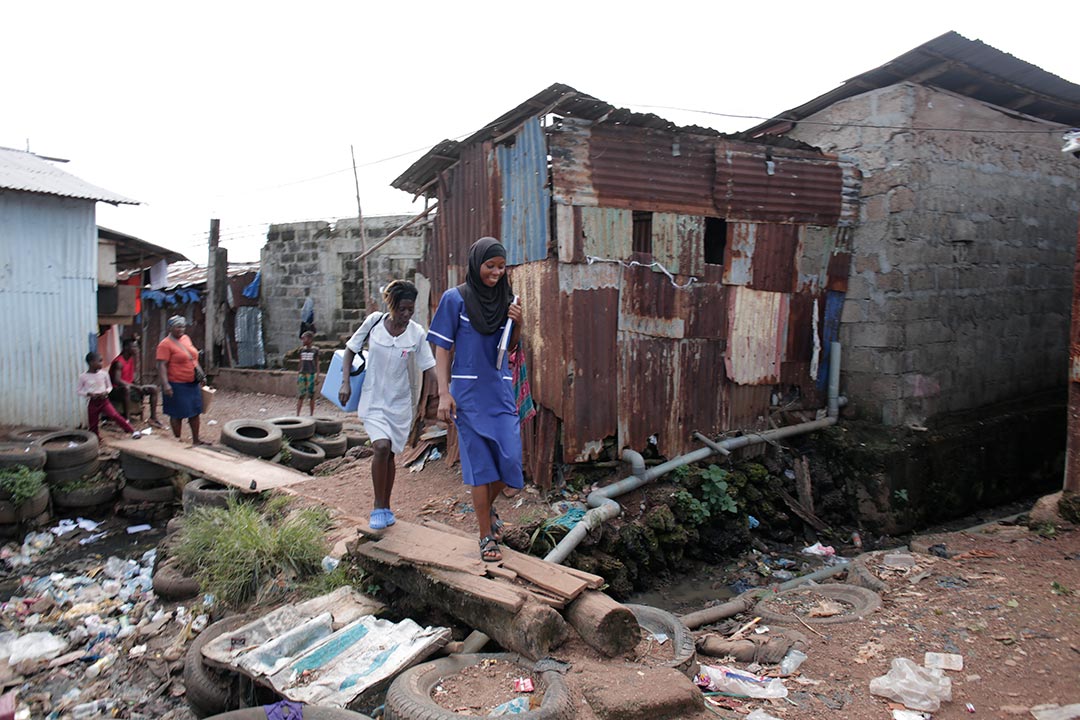
Before the consultations begin, Chidubem Ibeh, the Director of Programmes, addresses the gathering. He explains that this model of mobile outreach is designed specifically for under-served communities like theirs, and explains that residents will have the opportunity to consult qualified medical professionals, have their check-ups, receive diagnoses and obtain medications for common ailments at no cost.
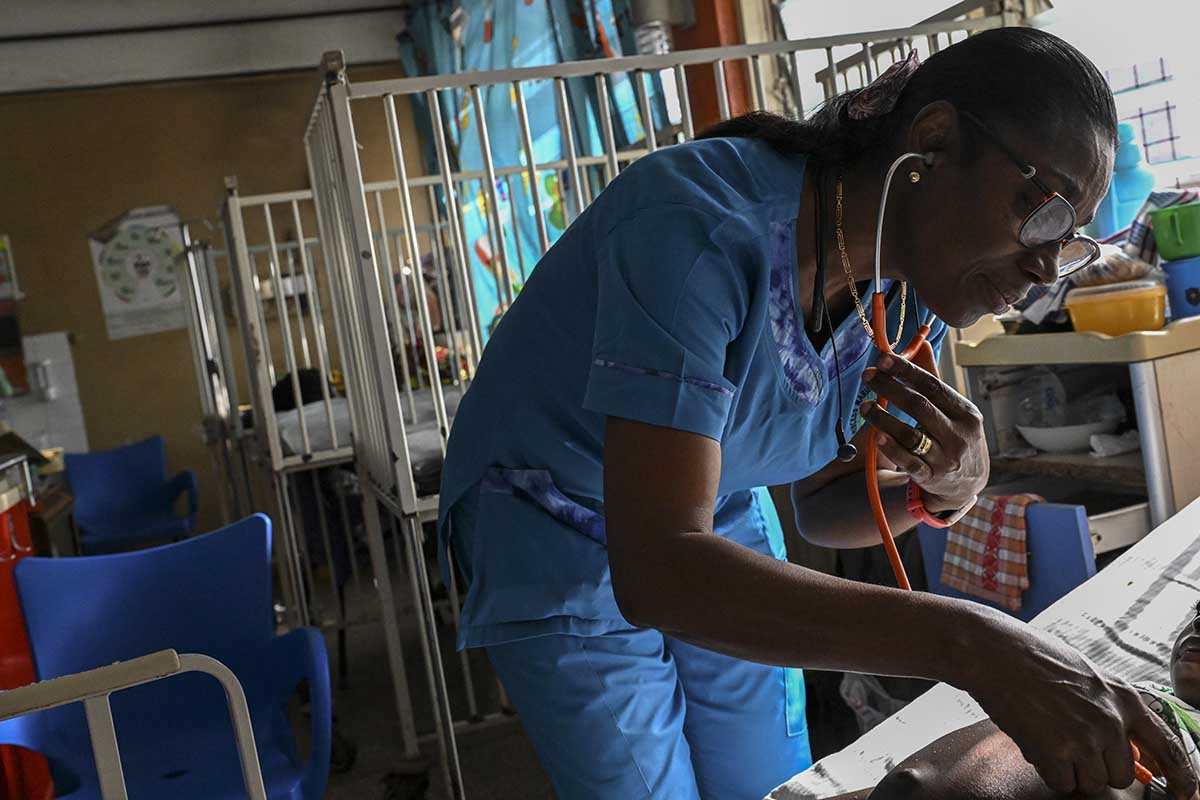
In Nigeria, medical outreaches like this have become increasingly important as access to qualified health professionals continues to decline, particularly in rural and under-served communities due to the mass exodus of doctors, nurses and other skilled health workers popularly referred to as Japa syndrome in Nigeria.
Nigeria currently has a doctor-to-patient ratio of approximately one doctor to every 9,083 people – far below the World Health Organization’s recommended minimum of one doctor for every 600 people.
The simpler, the better
While Parkers Mobile Clinic began as an outreach initiative, travelling from one community to another, particularly across Nigeria’s South-East region, its approach has evolved over the years.
The organisation’s model underwent a major transformation in 2020 during the COVID-19 pandemic lockdowns. “The way we deliver care changed. We began reaching people through digital health services, which led to the creation of our telemedicine platform,” Ibeh explained. “We recorded significant success with it, particularly during the devastating floods in Anambra State, when many people were cut off from healthcare services.”
However, he added that the shift also exposed a new challenge. Many of the people Parkers Mobile Clinic serves live in under-served communities where poor internet connectivity, limited access to digital devices and low digital literacy make telemedicine difficult to use. “The digital divide meant that some of the very people we wanted to reach were unable to benefit from these services,” he noted.
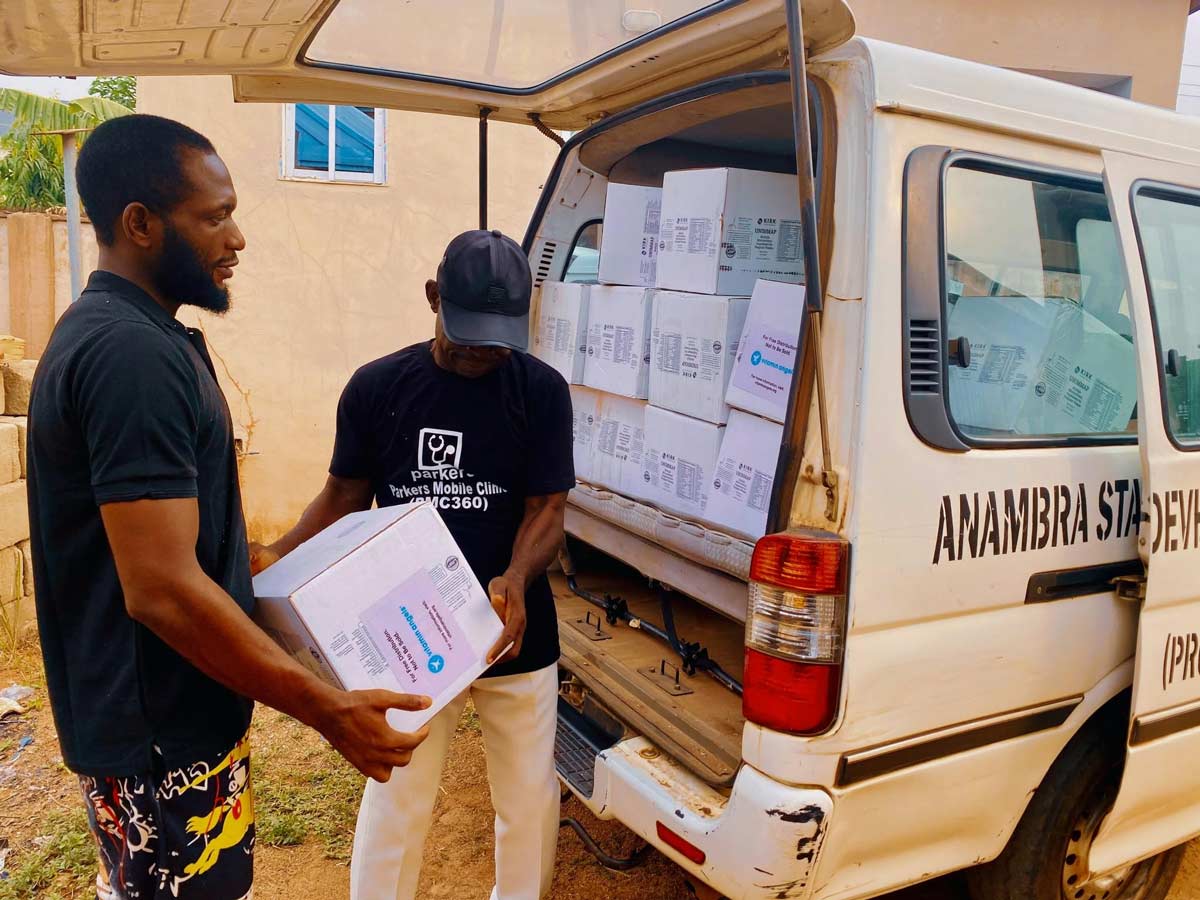
The experience prompted Parkers Mobile Clinic to rethink its strategy once more, expanding its services to reach people through simple mobile phones, ensuring that even those without smartphones or reliable internet access could connect with healthcare providers. Since COVID-19 restrictions were lifted in late 2020, the initiative has retained many of the innovations it had developed to adapt.
Two-stage engagement
Rather than returning to a model of one-off medical outreaches, it now uses each outreach as an entry point. During community visits, the team collects patients’ demographic and medical information, with their consent, to enable follow-up after the outreach has ended. This allows healthcare providers to monitor patients, check on their recovery, remind them to take prescribed medications and identify those who require further medical attention.
The use of mobile phones to improve continuity of care is not entirely new in Nigeria. Over the past decade, several programmes – especially those focusing on immunisation – have relied on text messages and phone calls to remind parents and caregivers about routine childhood vaccination appointments.
A 2021 review of 16 studies conducted across 15 states and the Federal Capital Territory found that SMS and phone reminders were both acceptable and had strong potential to improve healthcare access, vaccination uptake and timeliness.
In Kano, a state in the northwest region where vaccine hesitancy has been prevalent, children whose caregivers received SMS messages and follow-up phone calls were significantly more likely to complete the three-dose pentavalent vaccine schedule.
Parkers Mobile Clinic folds those insights into its model, but doesn’t stop there. The initiative works closely with the State Primary Health Care Development Agencies and local PHCs, meaning that patients requiring ongoing treatment are quickly linked up with the closest health facility, so they can receive follow-up care, routine medical reviews, antenatal services, immunisation, or management of chronic conditions.
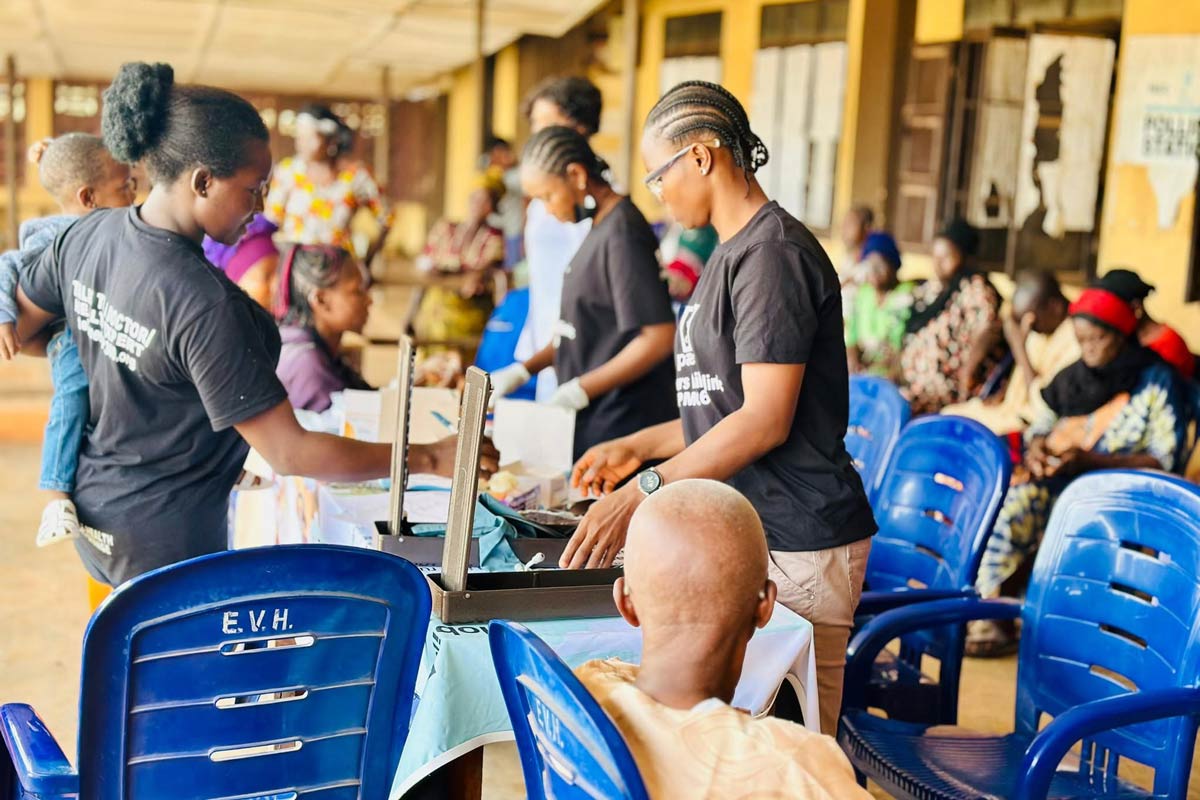
The mobile clinic also sends reminders and follows up with patients, encouraging them to keep their appointments at these facilities.
For Adaobi Luisa, a nurse at the Etti-Nanka PHC, the initiative represents a different approach to community healthcare. “This is the first programme of its kind I’ve seen,” she said, explaining that unlike many medical outreaches that provide treatment and leave, Parkers Mobile Clinic has created a system that connects patients to continued care through the primary healthcare centre.
“The outreach doesn’t end when the team leaves the community,” she says. “People know they can still come to the PHC, and because they are followed up, they are more likely to return for their reviews. That continuity is making a difference.”
Have you read?
Sustainability is at the heart of the initiative
While Parkers Mobile Clinic operates as a not-for-profit organisation committed to expanding access to healthcare in under-served communities, it also runs a social enterprise spin-off to sustain itself work financially.
According to Ibeh, the organisation has commercialised its telemedicine platform by offering it as a digital health solution to businesses and other organisations. Through a tiered subscription model, corporate clients can choose from different service packages based on their needs.
Revenue generated from these subscriptions helps subsidise the organisation’s community outreaches, allowing Parkers Mobile Clinic to continue providing free healthcare services in hard-to-reach communities. Ibeh explained that the model was intentionally designed to reduce reliance on donor funding and create a more sustainable way of financing healthcare for under-served populations.
The cross-subsidy approach reflects a growing trend among social enterprises in the health sector, where income from paying customers is reinvested to expand services for low-income and vulnerable populations, helping to balance financial sustainability with social impact.
However, such initiatives alone cannot deliver Universal Health Coverage as achieving the country’s 2030 ambitions will require sustained investment in PHC, a larger and better-supported health workforce and policies that make quality healthcare accessible and affordable regardless of where people live. The WHO’s Recommendations on Digital Interventions for Health System Strengthening also states that digital health tools should complement – not replace – investments in infrastructure, health workers and primary health.