
In remote Uganda, this nurse is helping vaccinate the marginalised Twa people
When Andisa was growing up in southwestern Uganda, the Twa people lived in forests and mistrusted outsiders – let alone western medicine and vaccines. Today, the health worker is helping to change that.
- 13 February 2026
- 8 min read
- by John Agaba
At a glance
- Evicted from their rainforest homelands in the 1990s, Uganda’s indigenous Twa people still remain socially marginalised and broadly underserved by the state healthcare apparatus.
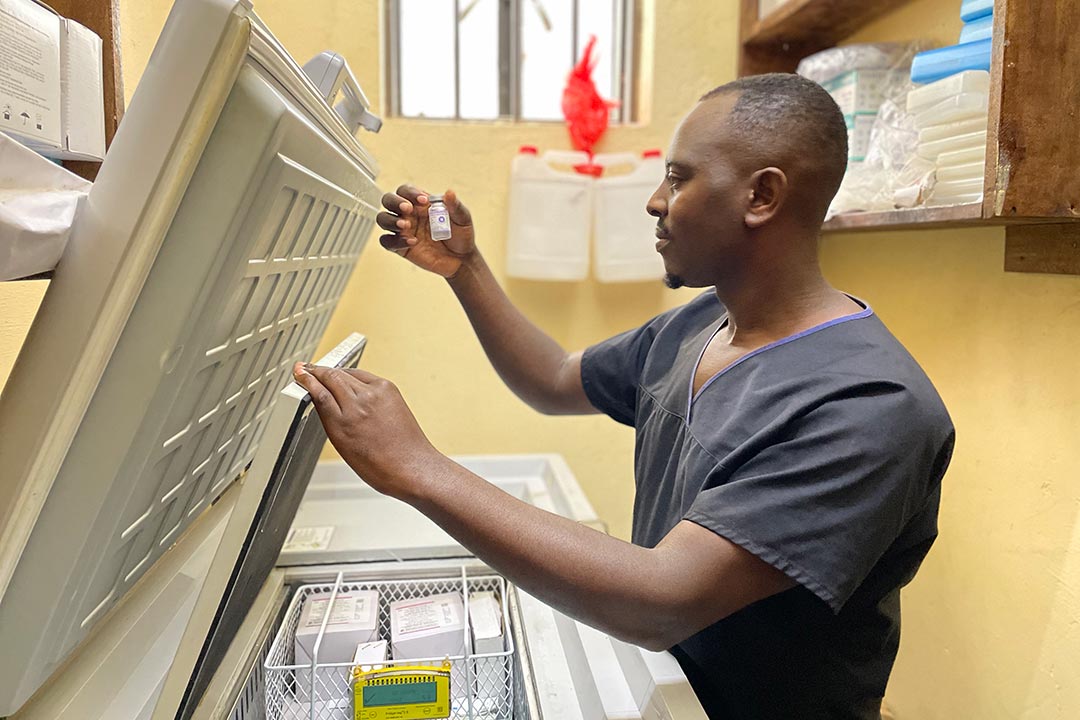
- Nurse Davis Andisa has made it his focus to make sure Twa children are afforded equitable access to the protection of vaccines.
- Despite challenges – from suspicious reception by some Twa parents, to the rough murram roads that send his Bajaj motorbike skidding – he’s succeeding, helping Bwindi Community Hospital consistently outperform other area facilities on immunisation services.
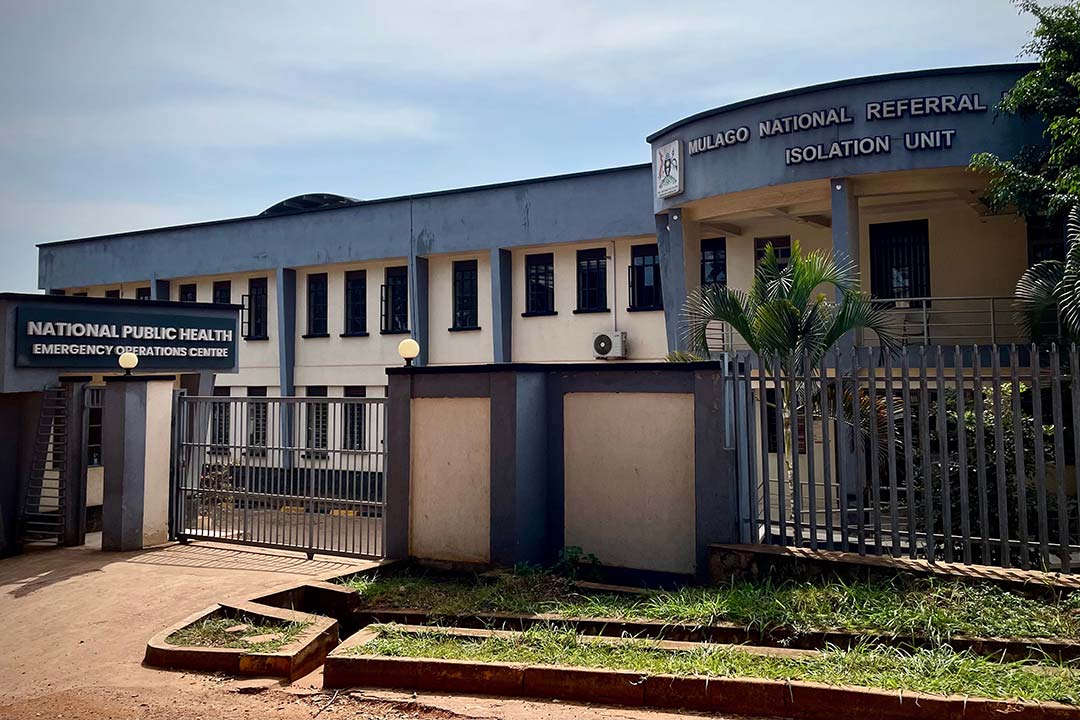
Nurse Davis Andisa had taken the road to Byumba multiple times before. But when the health worker crossed the bridge to the indigenous Twa settlement near Bwindi Impenetrable Forest in southwestern Uganda one recent Tuesday, his motorcycle swerved on the rough murram and crashed, sending him and his female colleague tumbling in the dirt.
“Sorry,” said Andisa to his colleague. After helping her to her feet – and dusting down the back of his black overalls – he tried to kick-start his motorcycle, a Bajaj Boxer series. But the bike refused to restart.
Andisa, an immunisation focal person at Bwindi Community Hospital, urgently needed to get to the settlement to vaccinate a handful of vulnerable children and protect them from deadly vaccine-preventable diseases such as measles, after his health facility’s internal audit indicated the community sheltered several under-immunised and “zero-dose” children. Andisa’s agenda also included rallying adolescent girls to take the HPV vaccine to protect against cervical cancer, and young women to seek antenatal and family planning services.
Postponing his visit would mean leaving people at unnecessary risk. So, he opened a small compartment at the back of his bike, pulled out a pair of pliers, and started to work a screw near the motorcycle’s ratcheting lever.
Credit: John Agaba
A forest community in exile
Andisa is one of a cadre of health workers who are trying to get the under-served Twa community of southwestern Uganda protected.
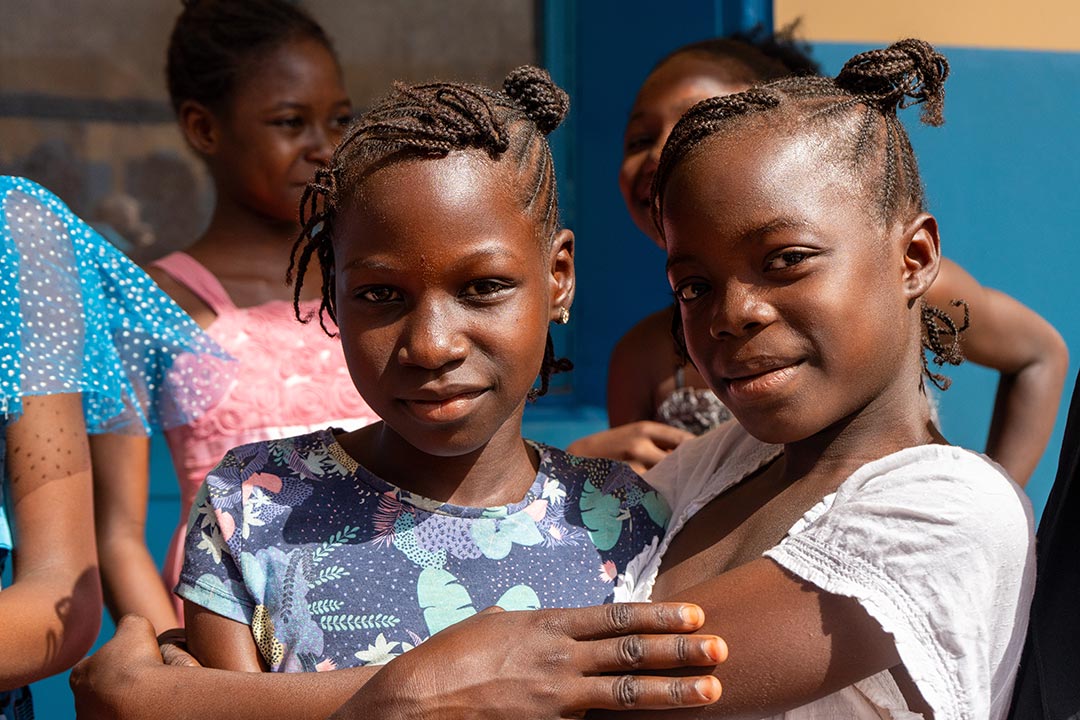
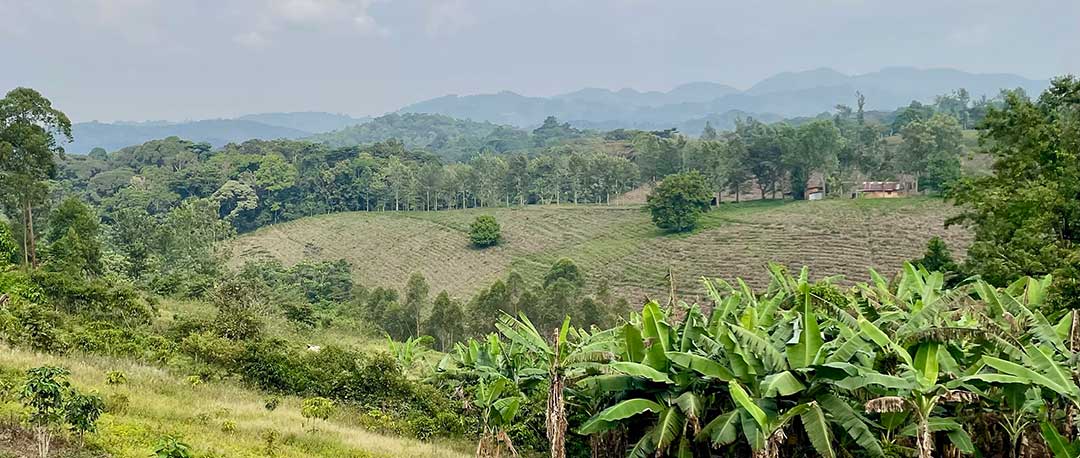
An indigenous hunter-gatherer people, the Twa traditionally lived in the rainforests now contained in the Bwindi Impenetrable Forest and Mgahinga Gorilla National Park reserves in southwestern Uganda. The government forced them out in the 1990s, in the name of conservation. In the decades since, the Twa people – who total approximately 6,700 individuals – have not fully integrated within neighbouring communities and remain marginalised. One corollary of that social marginalisation is that they struggle to access basic healthcare at the same rates as their fellow Ugandans.
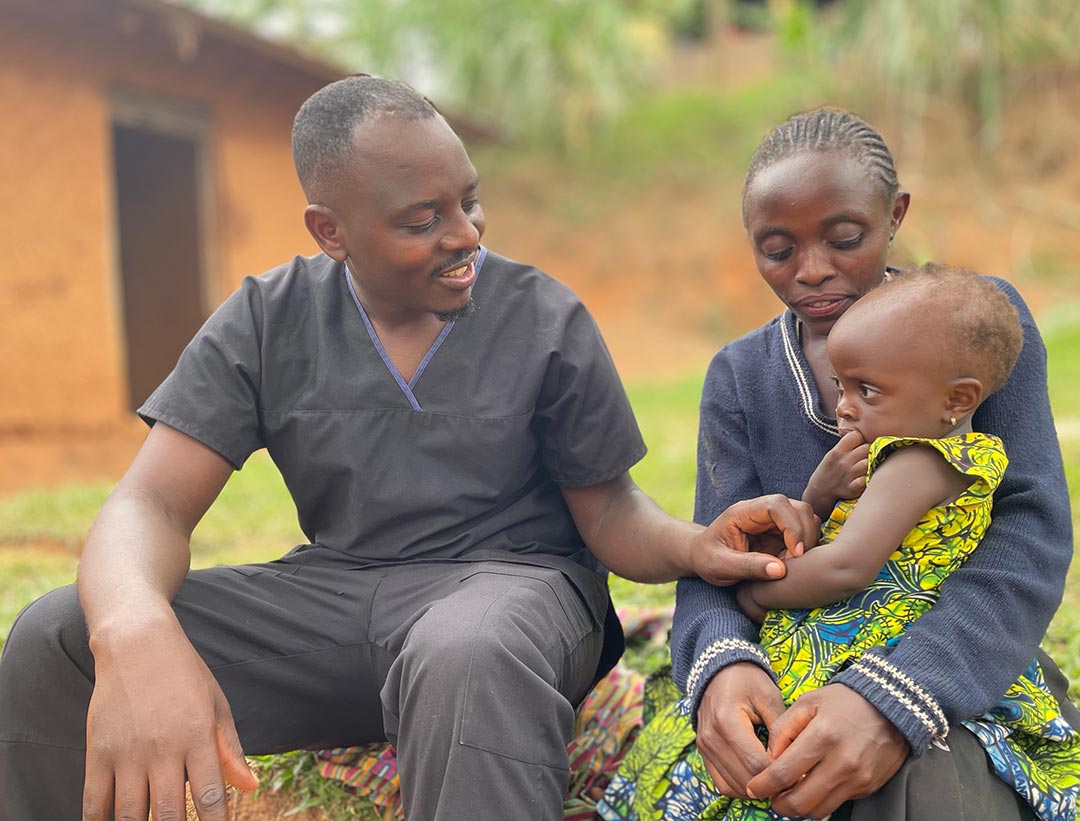
But Andisa is helping to change that. “Over the [last 13] years, he has vaccinated hundreds of Twa children to protect them from polio, measles and other vaccine-preventable diseases,” said Penelope Turyamureba, coordinator for the Batwa Development Programme [BDP]. “He has walked hundreds of miles from one Twa settlement to another, searching for and vaccinating under-immunised children.”
Credit: John Agaba
Drop-out rate down to less than 10%
When he is not out vaccinating children, Andisa is teaching the communities about the importance of vaccines and how immunisation has helped to control deadly disease, to reduce vaccine hesitancy. Otherwise, he is in his office drawing up plans to improve vaccine coverage.
Indeed, Andisa has helped to develop a database of almost every household in the Twa community in his catchment area. Every child who is vaccinated is included in this mobile health information system: their names, date of birth, village, vaccines received, the date of the next vaccine appointment and their parent’s [or guardian’s] phone number. This has enabled vaccinators at BCH to text or call mothers when their kids’ vaccination date is due.
“When a child has defaulted, a nurse can log into the system, send its mother an SMS reminding them to take the child for immunisation. If the mother does not heed the call, then the nurse can go to them,” said Anivious Tukamwesimira, a student nurse at BCH, and member of the Twa community. “This has helped to reduce vaccine drop-out rate in the community to less than 10%.”
It has also helped to improve vaccination coverage for key vaccine antigens in the community to more than 90%. “We [BCH] are always hitting our district immunisation target – always among the top performers in category one,” said the nurse.
Credit: John Agaba
13 years of service
Andisa had just graduated from Nyakibale school of nursing and midwifery in southwestern Uganda in 2013, when he heard of a job he was suited for: Immunisation Officer with BCH. He applied and got it.
For about 13 years now, Andisa has been vaccinating children. Even when he was promoted and became the immunisation focal person for BCH in 2021, and his job description expanded to planning and coordinating vaccination services in the facility’s catchment area of 15 villages, the 36-year-old has remained loyal to his first love – and continues to plough through terrible, intricate roads to search for and vaccinate under-immunised Twa children.
“Vaccines can help keep VPDs at bay, but that can only happen if every child is vaccinated,” said Andisa, before referencing the ubiquitous ‘no one is safe until everyone is safe,’ slogan.
No judgement
The motorbike growled back to life, and Andisa and his colleague mounted up again. When they finally pulled up in front of a single-block health facility in Byumba, two people welcomed him: the in-charge of the facility and his assistant. The assistant needed a favour. She wanted Andisa to talk to an HIV-positive mother who’d declined to take ARVs and risked infecting her newborn because she “didn’t believe she was positive”. Andisa promised to seek her out.
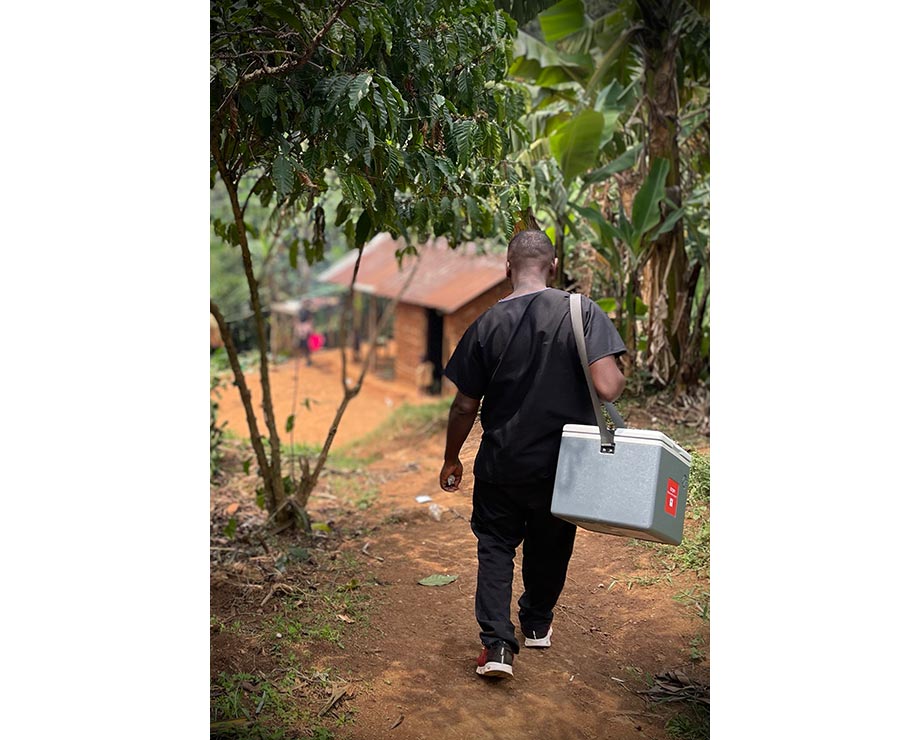
Then he grabbed his vaccine carrier and started down a slope towards the Twa settlement. “We have to walk the rest of the journey,” said Andisa. “The terrain is too steep for a motorcycle.”
After walking for about 10 minutes, Andisa finally got to the settlement, a cluster of mainly mud-and-wattle tiny houses scattered around in no particular order on an escarpment.
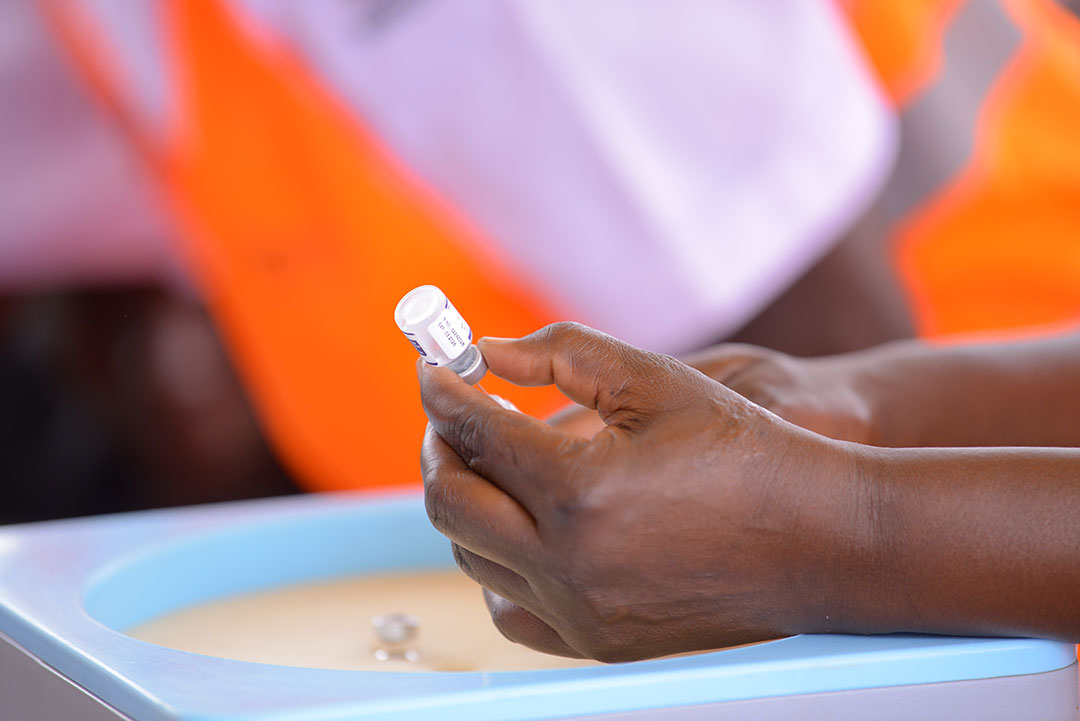
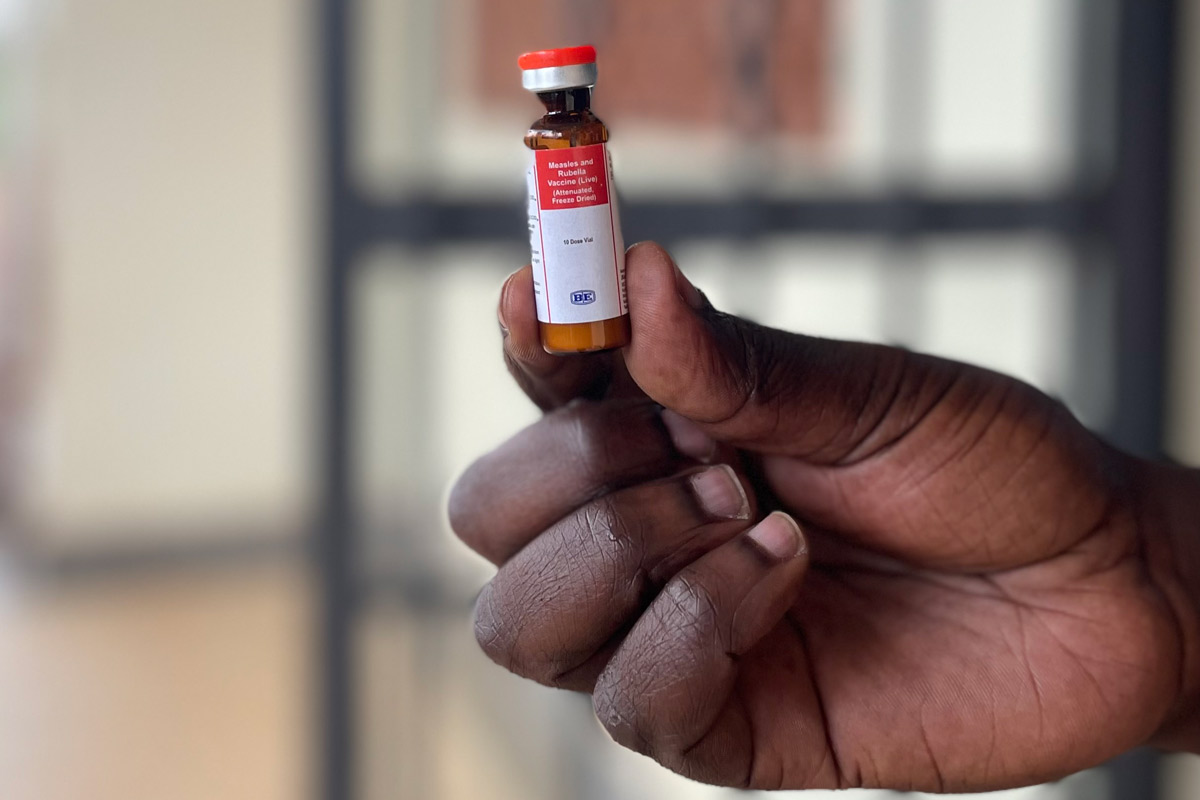
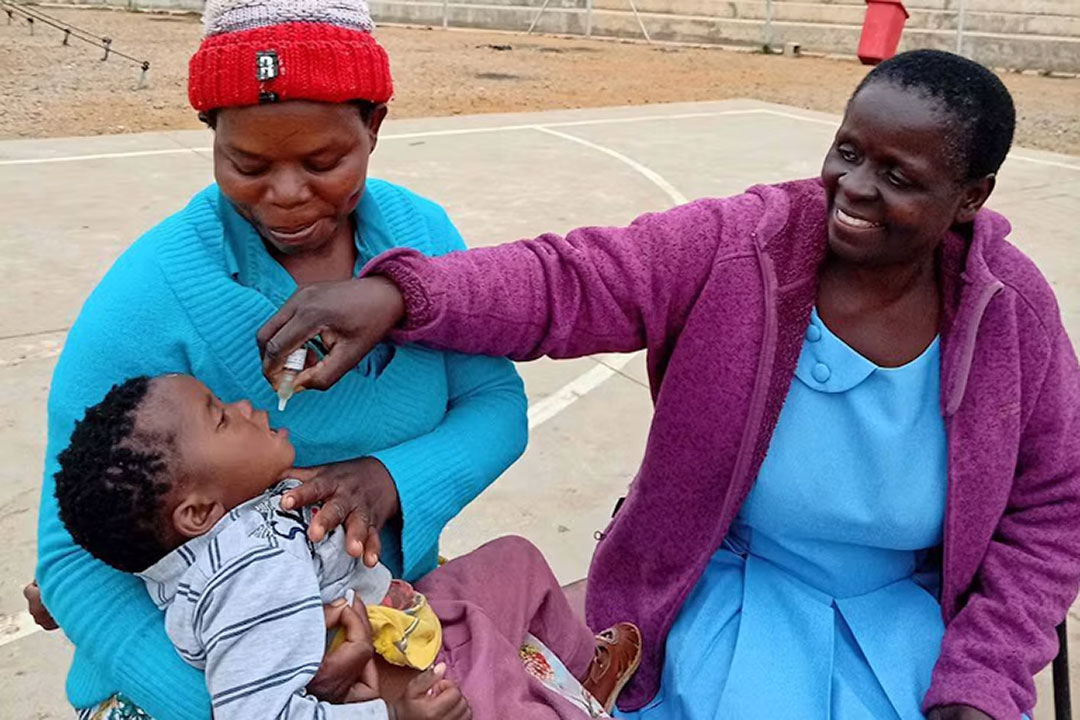
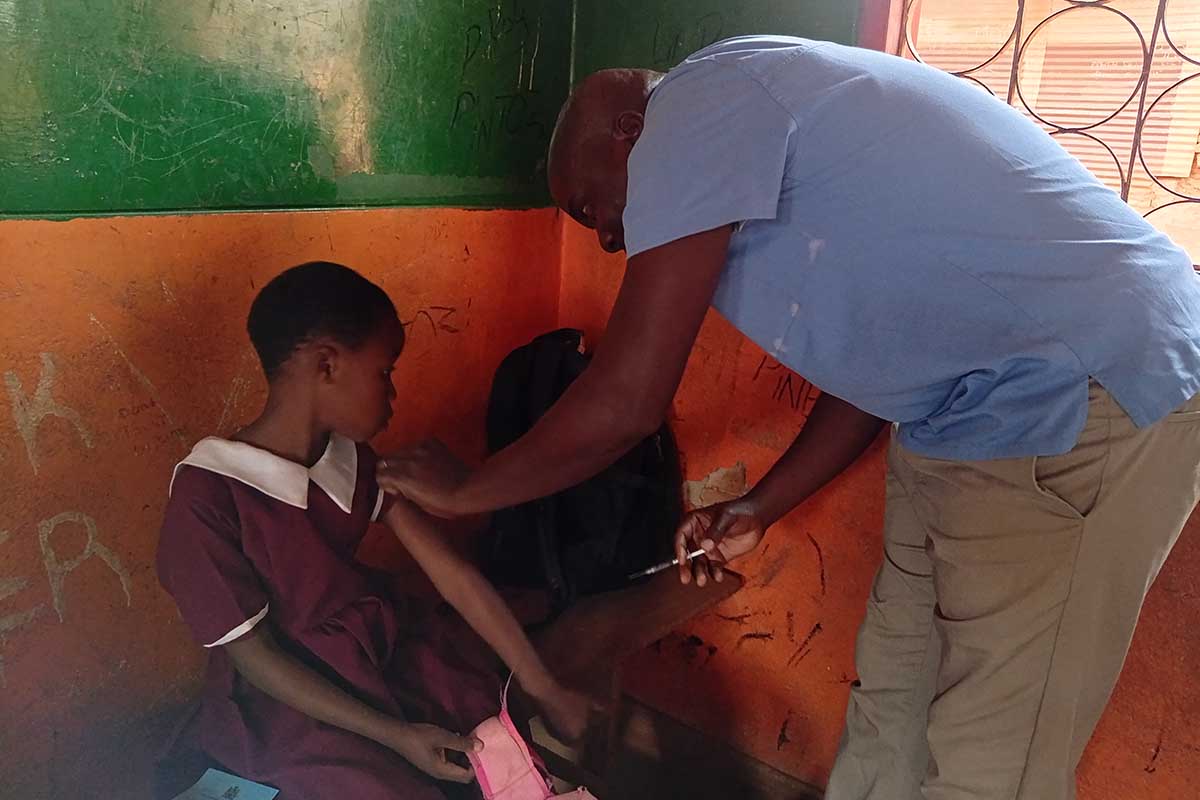
Here he was welcomed by a village health team (VHT) member, who led him to the first household, where a two-year-old who was six months overdue for the second dose of the measles-rubella (MR) vaccine lived. Andisa explained to the mother that the MR vaccine helped to protect the baby from measles, one of the deadliest VPDs. After injecting the baby, the health worker reminded the mother to prepare “vegetables, groundnuts and mushroom soup” for the baby because “she looks malnourished”.
A few minutes later, Andisa reached the second household. This home harboured a baby who’d not yet received the first dose of the pentavalent jab, that includes vaccines against diphtheria, pertussis, tetanus, hepatitis B, Haemophilus influenzae type b. This child’s mother was less welcoming. She told Andisa that her family had not eaten in days and she needed 2,000 Ugandan shillings (US$ 0.56) to buy a kilogram of beans. She only held her baby for vaccination when Andisa promised to send her the money.
“These are some of the challenges that we go through,” said Andisa en route to another homestead. “This one asked for money to buy food. Some ask for money when they want to buy waragi [local gin]. They will say that they need money more than vaccines, and refuse to give us the children. So, we have to go through their leaders [to vaccinate the children].”
“A number of mothers are still reluctant to take children for immunisation,” he said. “Some of them think that they are doing us a favour to have their children vaccinated.”
Have you read?
But Andisa does not judge them. He says he understands where they are coming from. Not so long ago, the indigenous people lived in forests, mistrusted outsiders, let alone western medicine and vaccines. Some of them still believe that they belong to the forest and would go back, given the chance.
“A number of organisations such as BDP are helping to enrol Twa kids in formal education,” said Andisa. “But they still have a long way to go. Almost eight out of ten Twa kids will drop out [of school] to get married when they reach adolescence. So, we have to be patient with them.”
It was coming to 15:00 when Andisa reached the meeting place for his second assignment of the day. But only a handful of older Twa people, and not the young and adolescent girls he’d mainly travelled to speak to waited at the communal place. Nonetheless, the health worker welcomed the group and the few adolescents who were present. He encouraged the young girls to take the HPV vaccine and the young women to always seek antenatal and family planning services and to give birth at health facilities.
But Andisa wasn’t done for the day. The family of the HIV-positive woman the health facility in-charge had asked him to speak to lived a few kilometres from Byumba Health Centre II. He had more walking to do. When he got to her household, the woman was adamant that she didn’t have the virus because she didn’t “sleep around”. Andisa explained to her that HIV spread from person to person through specific bodily fluids such as semen, blood and breast milk – and that its transmission wasn’t limited to sexual intercourse alone.
He encouraged the young mother to take another HIV test, reasoning that she didn’t have anything to lose: if the test turned out negative, she would be well. But she would also be well, if it turned out positive, he explained, because health workers would enrol her on antiretroviral therapy, which would enable her to live a long and healthy life. The ARVs would also help to protect her newborn from contracting the virus.
It was past 17:00 when Andisa, reassured that he had succeeded with the young mother, prepared to set off from Byumba for Bwindi. And still the day wasn’t done: back at base, he would need to upload details of the children onto the health information system – and before he even got there, he had a cranky motorbike and a bumpy, dusty, winding murram road to contend with.