
In Sri Lanka, women with HIV or syphilis give birth to healthy babies. Here’s why.
Sri Lanka’s 2019 elimination of mother-to-child transmission of both viruses is a triumph rooted in proactive healthcare and public trust.
- 8 July 2026
- 6 min read
- by Aanya Wipulasena
At a glance
- Sri Lanka officially eliminated mother-to-child transmission of HIV and syphilis in 2019, by making sure every at-risk mother is brought into treatment.
- “Our objective is to maintain an undetectable viral load for the mother so there is no risk of transmission to the baby. Then, depending on the risk, we decide on the mode of delivery and feeding practices. All of this is like a package,” explains Dr Nimali Jayasuriya.
- Maintaining that milestone achievement depends on a proactive healthcare system, staffed by nurses like SD Thalagala, to go out and find the vulnerable women who have dropped out of care, and win their trust.
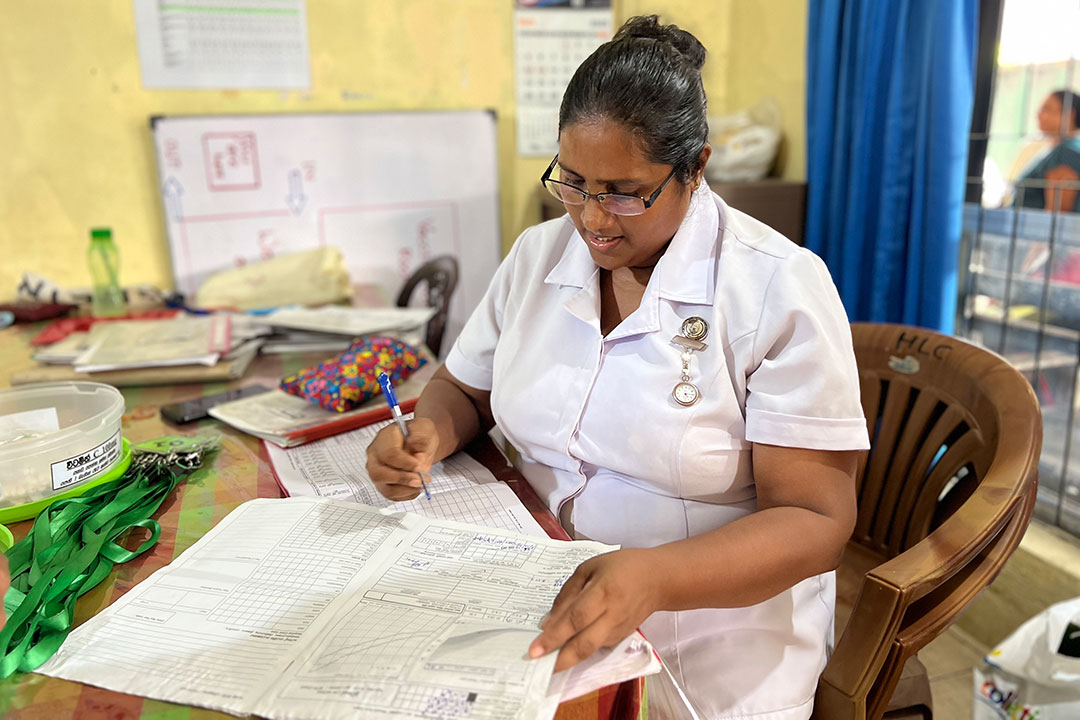
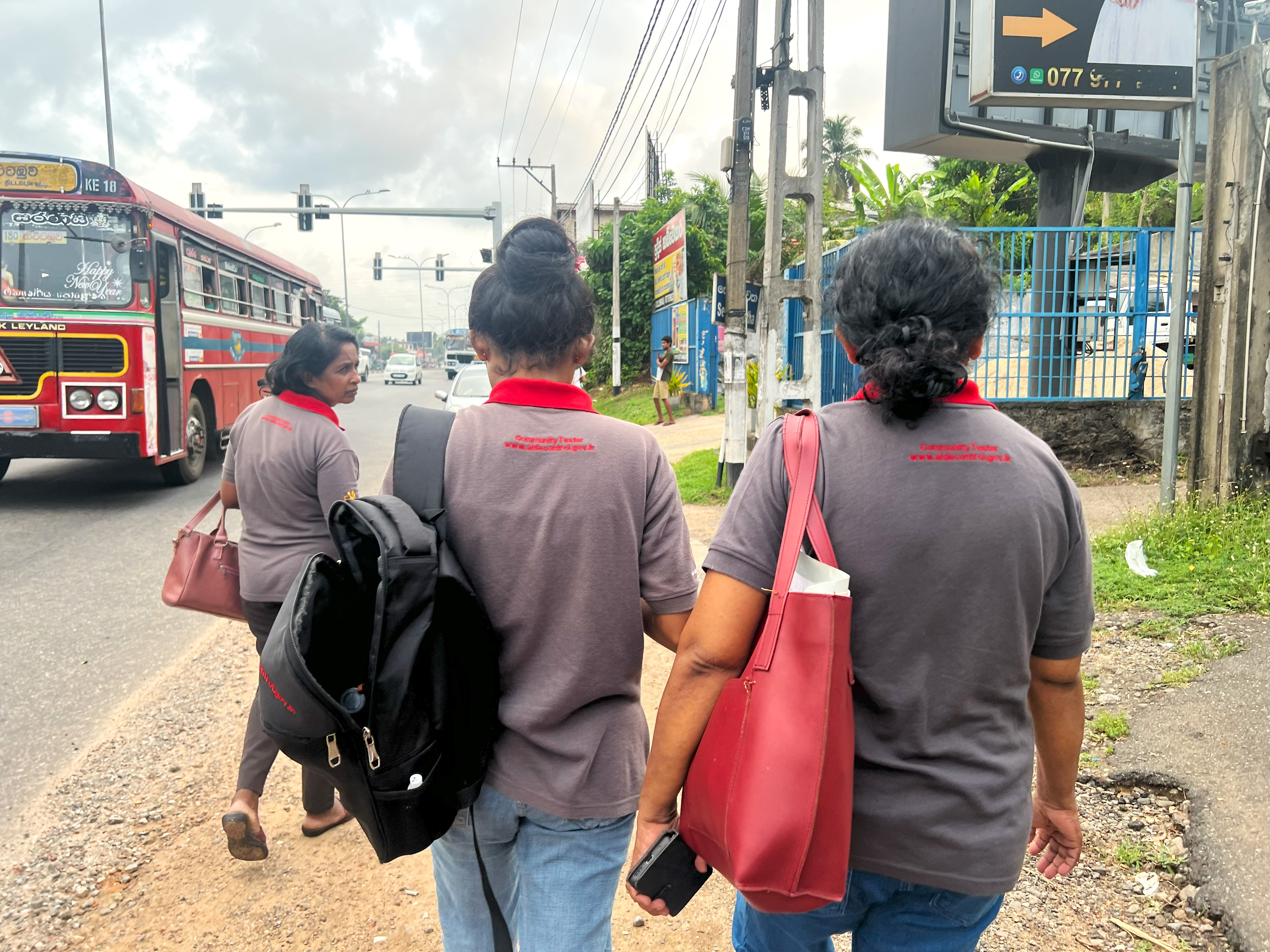
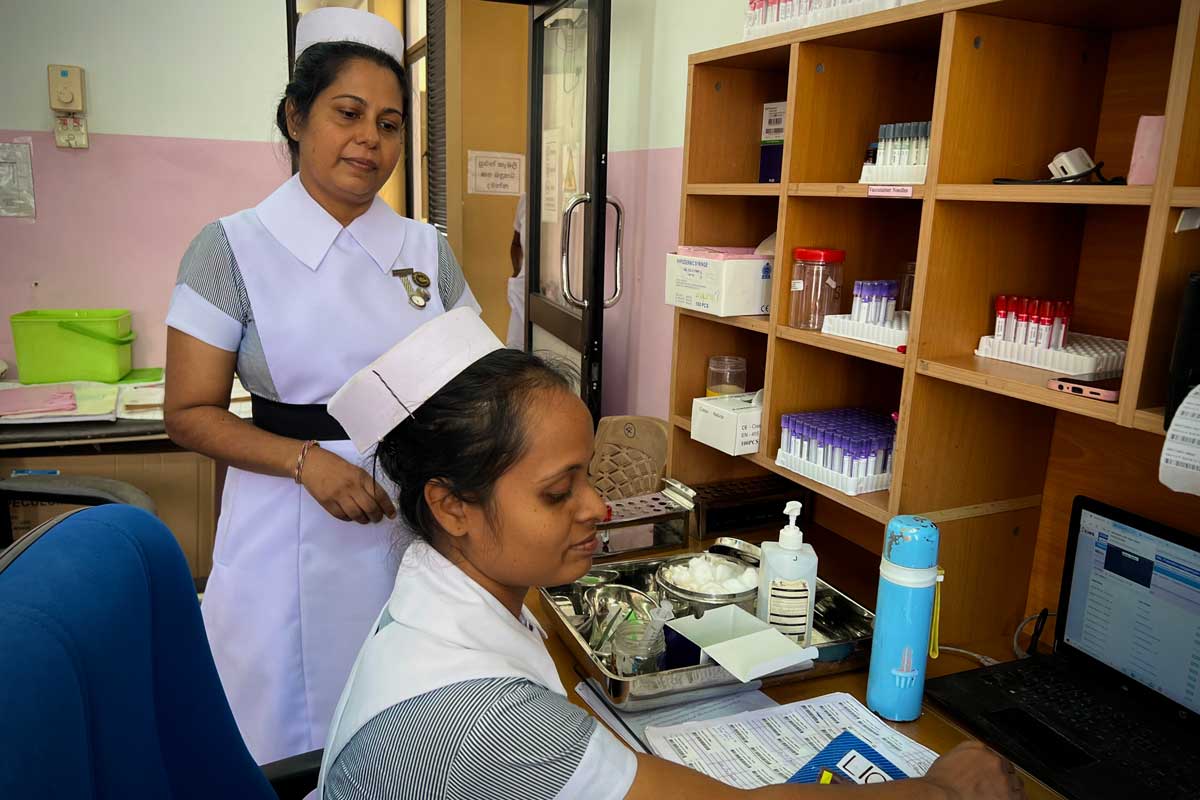
When it comes to tracing pregnant women who have dropped out of follow-up care, and are suspected of being HIV or syphilis-positive, there is hardly a place in Sri Lanka’s Colombo district that Public Health Nursing Sister SD Thalagala has not visited.
She recalls spending long hours at a busy bus station for days, hoping to catch sight of a young pregnant woman who hadn’t shown up for her follow-up appointments. When she finally found her, Thalagala managed to convince the mother to return to the clinic. Months later, the mother gave birth to a healthy baby who was free of HIV.
“To date, no mother who started HIV and syphilis treatment at this clinic has transmitted either infection to her baby,” Thalagala said, smiling.
In 2019, the World Health Organization (WHO) validated Sri Lanka for the elimination of mother-to-child transmission (EMTCT) of HIV and syphilis. That placed the country in select company: just 20 countries worldwide can claim EMTCT of HIV and syphilis, of which the majority are in the Americas. This year at the 49th World Health Assembly in Geneva, WHO presented the country with certification reaffirming that it had maintained that public health success.
Screening almost every woman, treating almost instantly
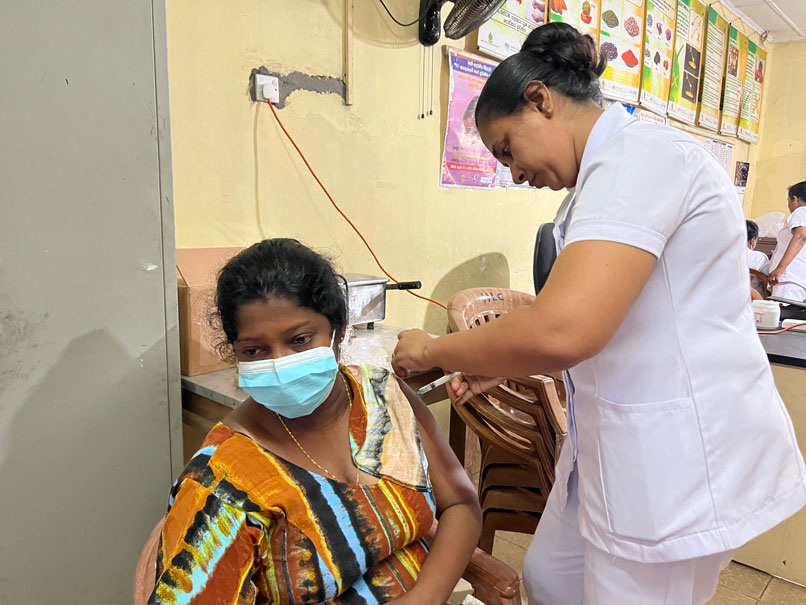
To achieve that, Sri Lanka put in place a commendable healthcare system, with health workers like Thalagala working tirelessly to screen pregnant mothers and, when needed, provide them with timely care.
National coordinator of EMTCT services and STI Care at the National STD/AIDS Control Programme (NSACP) of the Ministry of Health, consultant venereologist Dr Nimali Jayasuriya said that Sri Lanka continues to screen 95% of pregnant women for HIV and syphilis.
“We do these screenings mainly through the government sector,” she said. “Blood samples of pregnant mothers are collected, usually before 12 weeks [of pregnancy], and sent to an STD clinic for testing.”
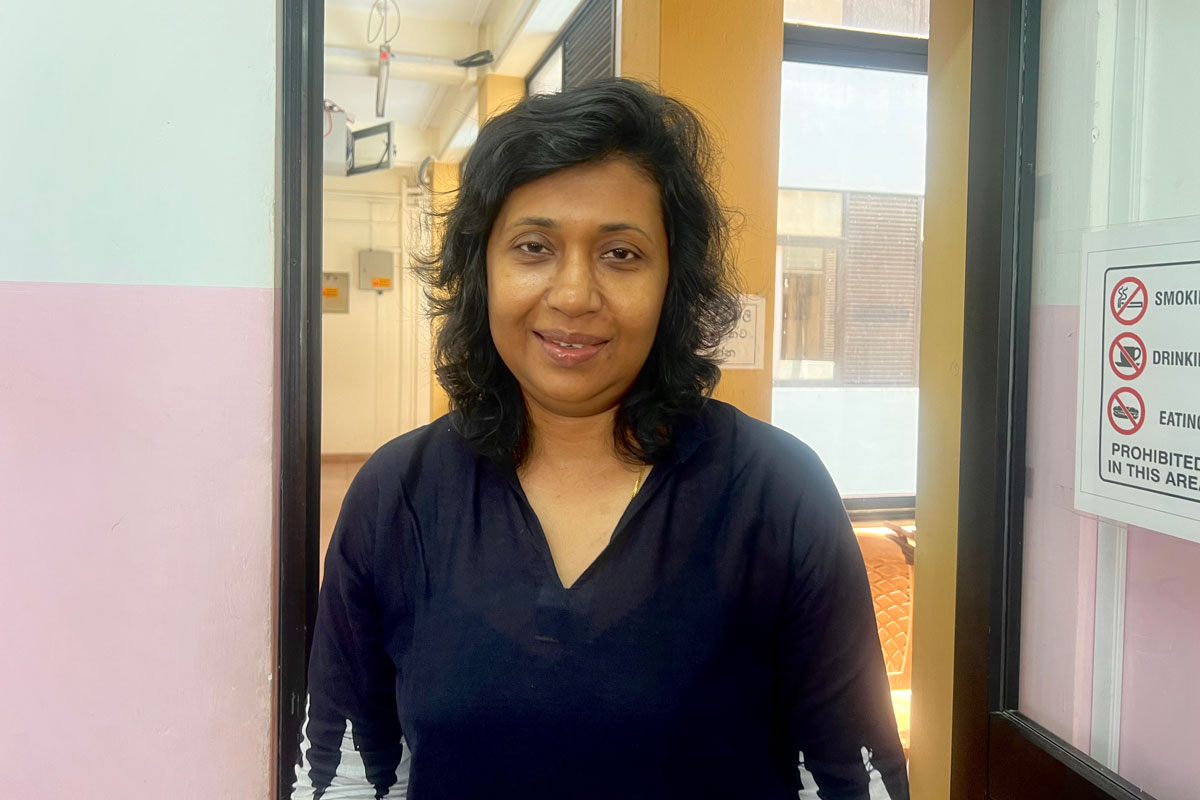
Dr Jayasuriya explained that when a screening test comes back positive, a consultant or a medical officer immediately informs the Medical Officer of Health (MOH) to direct the pregnant mother in question to one of 41 island-wide STD clinics.
As the treatment needs to be started early, this is done over a phone call. “So, they would send the mother to a STD clinic probably the very next day,” she said. At the clinic, health officers conduct a confirmatory test to double-check the mother’s HIV and syphilis status.
If either or both viruses are confirmed present, the patient will be duly registered at the clinic with treatment starting promptly.
“Our objective is to maintain an undetectable viral load for the mother so there is no risk of transmission to the baby. Then depending on the risk, we decide on the mode of delivery and feeding practices. All of this is like a package,” Dr Jayasuriya said.
Have you read?
Efficiency and respect produce trust
The country has a strong collaboration between medical officers, midwives, the Family Health Bureau, paediatricians, gynaecologists, hospital staff and other stakeholders to ensure no mother and her baby is left behind. It’s something of a relay race of care that finishes – provisionally – shortly after childbirth, when the baby is given prophylactic treatment as a final bulwark to prevention.
“We have a good follow-up system, and a strong defaulter tracing system. The police support us too. Even now we are tracing a defaulted mother,” Dr Jayasuriya said.
She explained that the race to eliminate mother-to-child transmission of HIV and syphilis commenced in 2012. Island-wide coverage was achieved by 2014. At that point, the challenge became consistency and maintenance. Formal recognition of success came in the form of the 2019 WHO validation for EMTCT.
But Sri Lanka’s main prize has been a generation of babies born healthy, and a cohort of young mothers who can step into parenthood knowing their own health status doesn’t need to compromise their child’s future.
When 28-year-old Wathsala got pregnant she didn’t hesitate to do the required tests. “The test for HIV and syphilis was done within the first month of my pregnancy,” she recalled. The young mother was negative for both HIV and syphilis, a discovery that cut out a few steps on the way to the goal she shared with the representatives of the health system looking after her: the birth of a healthy child. She felt looked after, she said. “The midwife in my area visited me throughout my pregnancy. It all went very well.”
Now her baby is five months old, and for Wathsala, having a dependable healthcare system has been reassuring.
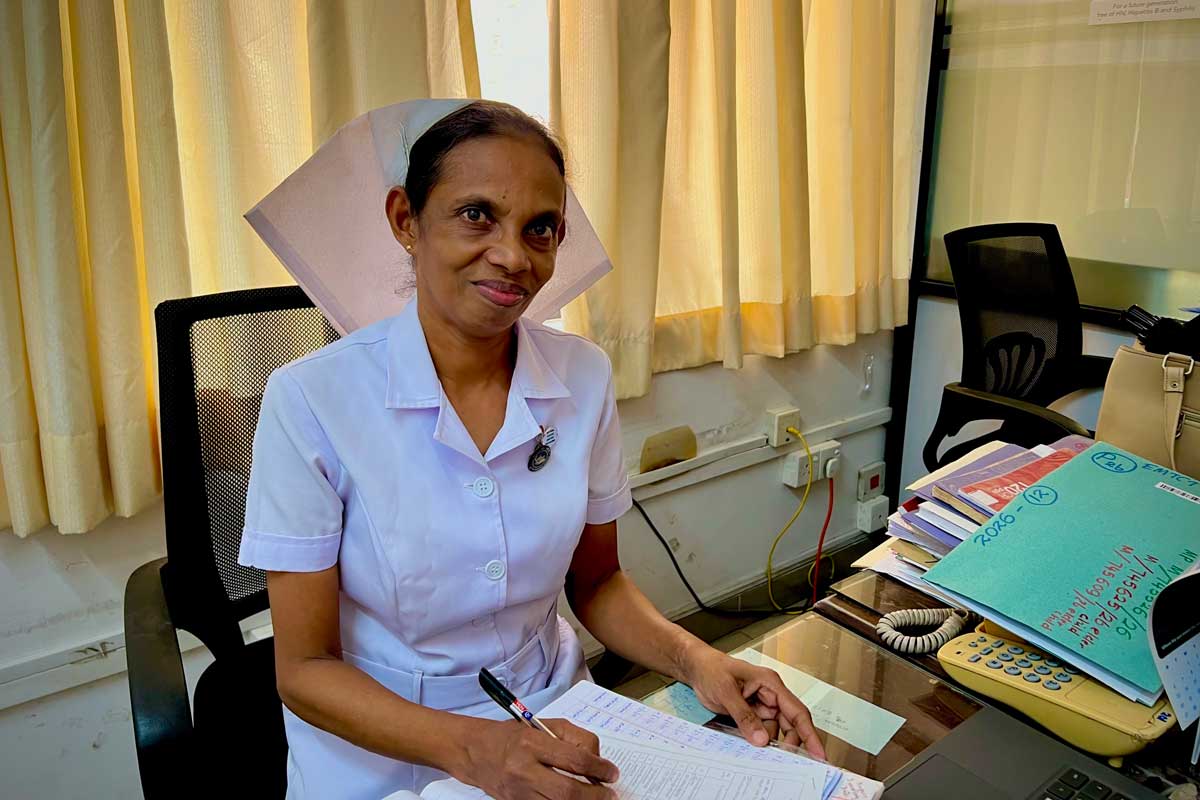
Thalagala said that trust between mothers and health officials is crucial to her work. If a mother slips through the gaps in care, she said, her baby is at risk of falling severely ill.
A baby with HIV or syphilis has low immunity, she explained, and vaccinations for other childhood diseases may consequently prove ineffective, leaving them exposed in multiple ways.
Trust is predicated not on a public expectation of effective protection, but also on the health system’s high standards of respect for their frequently socially vulnerable patients. “I have worked here for 23 years: that’s as old as my son. I work closely with mothers, and we have succeeded because we make sure all mothers’ information stays confidential,” Thalagala said, adding that she visits homes of pregnant mothers if they show reluctance to visit clinics because of the stigma attached to HIV and syphilis. There, she can speak to them privately, educate and encourage them to take treatment, all the while ensuring that the information stays solely between the patient and health officials.
Up next: Hep B
Local health officials will also trace for close contacts of detected patients who could be exposed to HIV or syphilis, to get them tested and, when necessary, treated.
Patients who were found to be HIV-positive when Thalagala first began her work still come to see her with their now grown children. They express deep respect and gratitude, thanking her for her kindness and helping to save their lives.
“What else would I want from my job?” she asks. Her objective is to ensure that no child is born with the infections, and so far, she has achieved her goal.
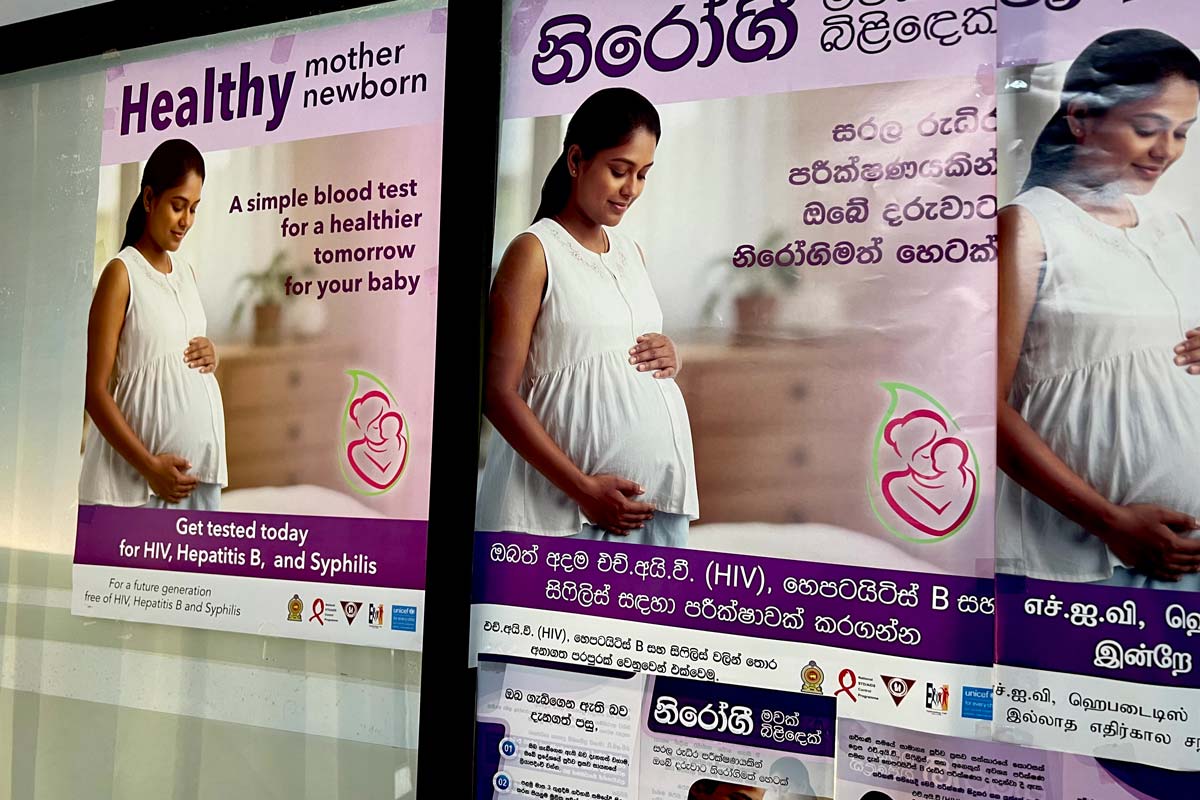
Since June 2026, Sri Lanka started towards the triple elimination target. “With the same blood sample we take from pregnant mothers, we now do three tests – HIV, syphilis and hepatitis B,” Dr. Jayasuriya said.
By next January, Sri Lanka hopes to cover the whole island, and in two years apply for the triple elimination certification.