
This Ugandan hill village shows why investing in community health workers is investing in protection
A grassroots vaccination strategy is only as strong as the Village Health Team (VHT) member’s bond with her community.
- 17 February 2026
- 6 min read
- by PATH
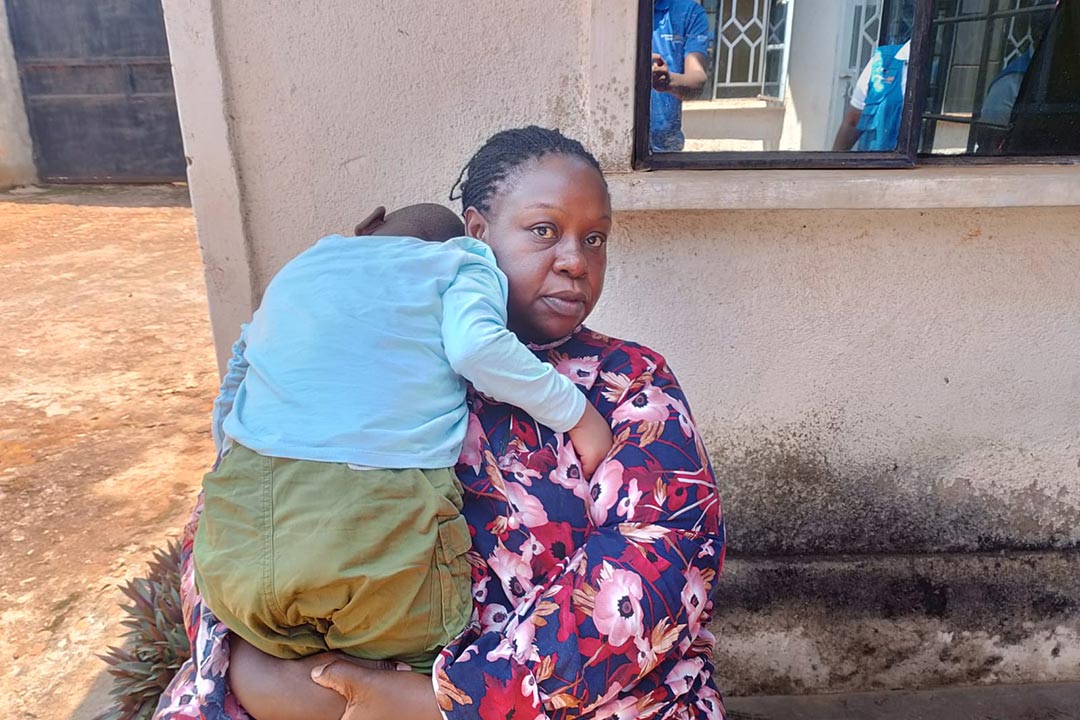
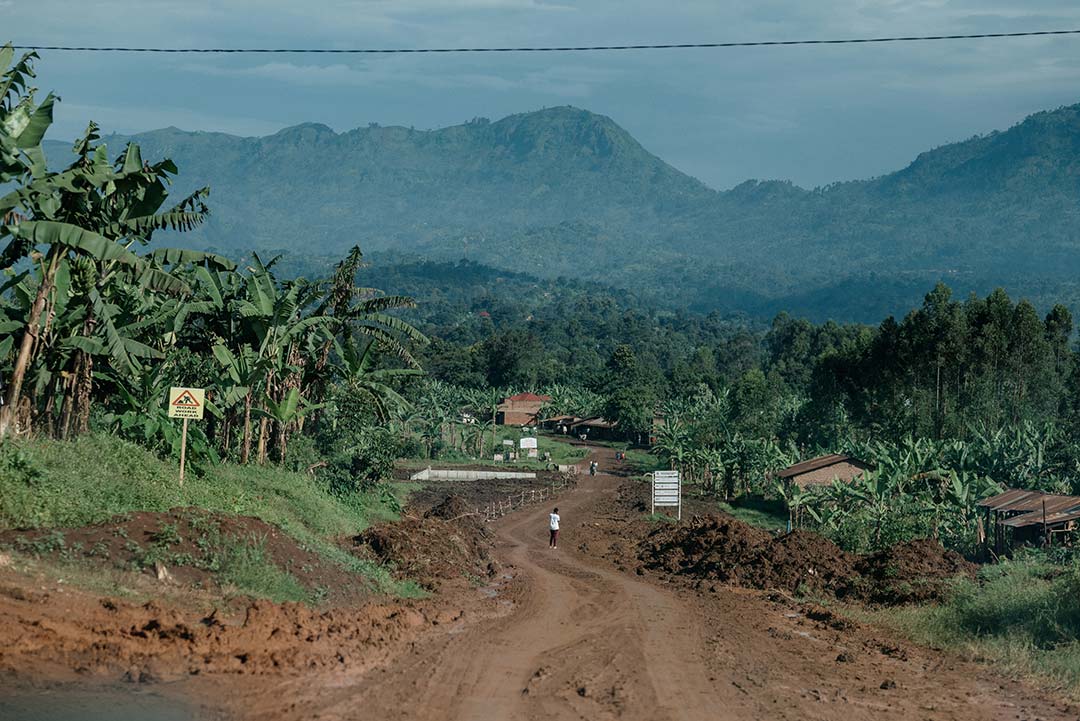
In Kikolo village, high in the hills of Sironko district in Uganda’s eastern Mt Elgon region, lives Irene Neumbe, a 51-year-old Village Health Team (VHT) member.
Since November 2024, when PATH and the Mbale Area Federation of Communities (MAFOC), a civil society organisation, introduced the immunisation champions’ programme, Neumbe has been regularly walking the steep footpaths to encourage parents to get their children protected against life-threatening diseases.
She visits homes, attends church gatherings and speaks at community meetings to spread the message that vaccines save lives. “We normally teach both parents, so if one is sick, the other can still bring the child on the scheduled date,” Neumbe said.
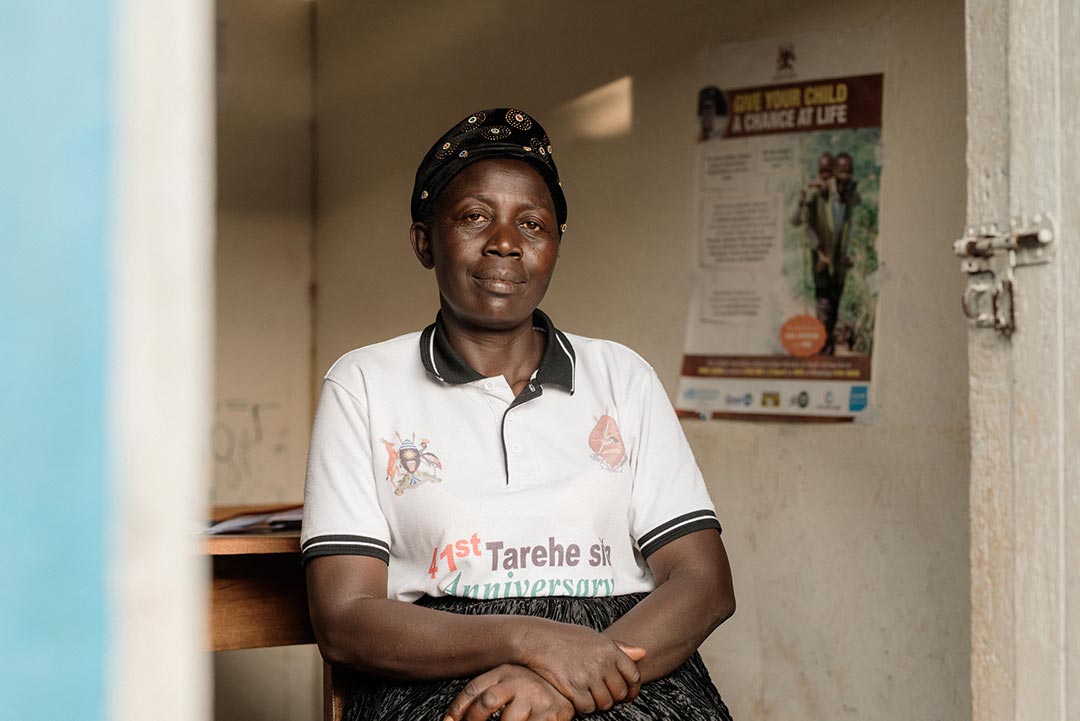
Credit: PATH, Robert Kayemba
And if neither does, it’s up to Neumbe to find out why. She’s on the frontline of so-called ‘defaulter tracking’, a door-to-door service that requires knowledge and sensitivity in equal measure.
“Since I started, I have followed up more than 70 children who were either zero-dose or under-immunised,” Neumbe said. “These have now been brought to the health facility for immunisation and are now protected,” she says proudly.
What is MAFOC?
MAFOC is one of eight Ugandan civil society organisations (CSOs) that, guided and supported by PATH, deployed Gavi funding to help extend the reach of immunisation between November 2024 and October 2025.
Originally earmarked for work on COVID-19 delivery, the funding wound up supporting improved demand for vaccination more broadly. In some cases, that meant finding means of building trust in immunisation where it was lacking, in others, building mechanisms to help parents stay on schedule where timeliness was a challenge.
These efforts were decisive in reducing the number of under-immunised children in Uganda, helping to identify more than 40,000 under- or unimmunised children, and get more than 30,000 of these missed-out kids protected.
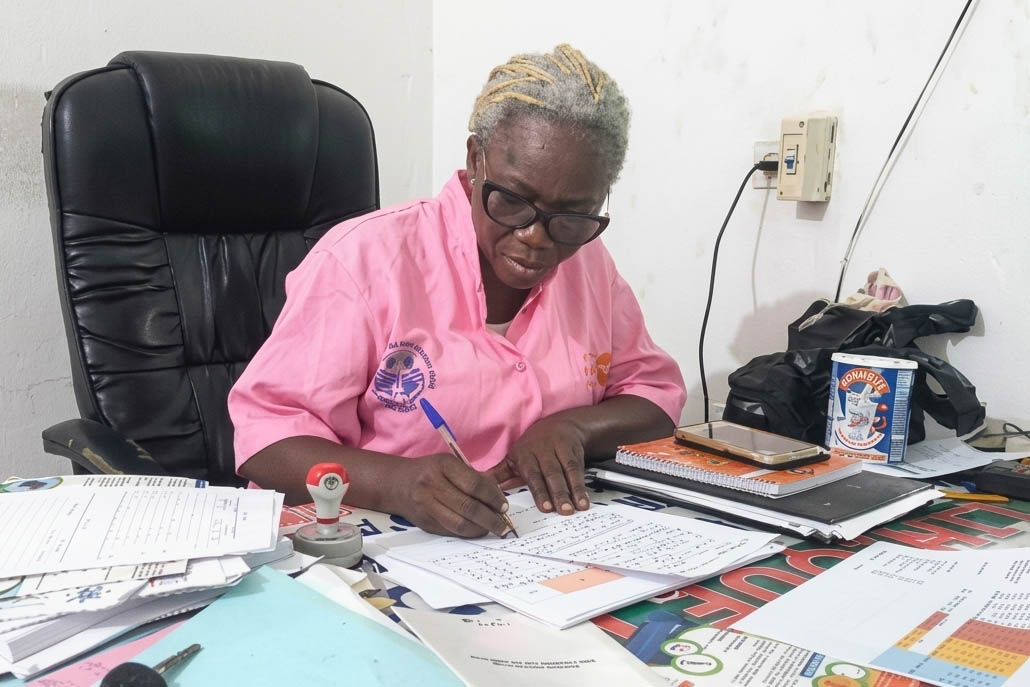
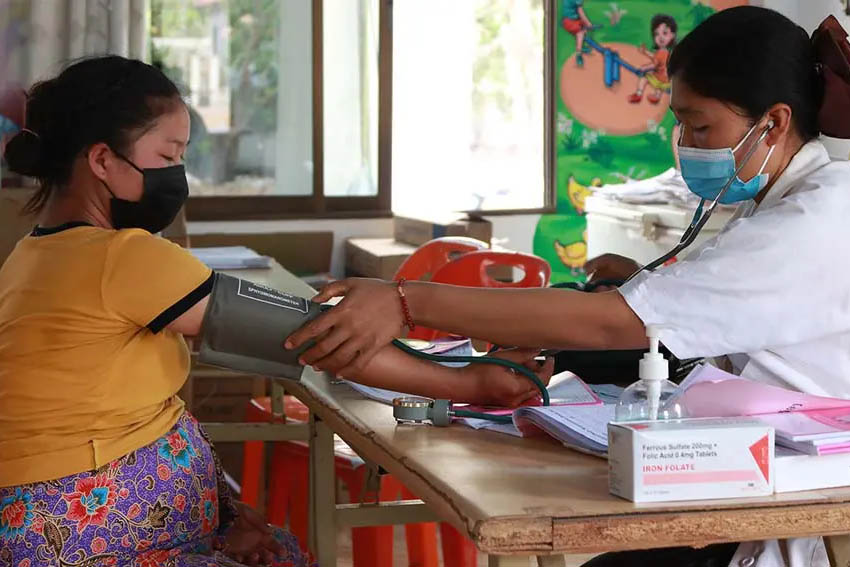
“When people see me, the first thing they ask is if I have come to immunise their children,” Neumbe says. But she’s on hand for other vital but routine healthcare work too: weighing babies, recording data in tracking registers, and measuring vital signs like blood pressure.
“Helping children in my community to live healthy lives gives me joy,” says Neumbe. “I feel very respected because of the work I do.”
That respect is critical. People like Neumbe are the community’s first point of contact with the health system, meaning they both staff and embody the transition zone between public health strategy – mapped out by policymakers and CSO experts – and public health fact. If a VHT member’s relationship to her community falters, even the savviest plan stands to fail, with potentially deadly outcomes.
On the flipside, when relationships between VHTs and their communities are strong, they are a unique conduit for effective health education, mobilisation and follow‑up care, especially for otherwise under-served and hard‑to‑reach communities.
Put simply: investing in VHTs strengthens the very base on which an effective public health system is built.
A life protected
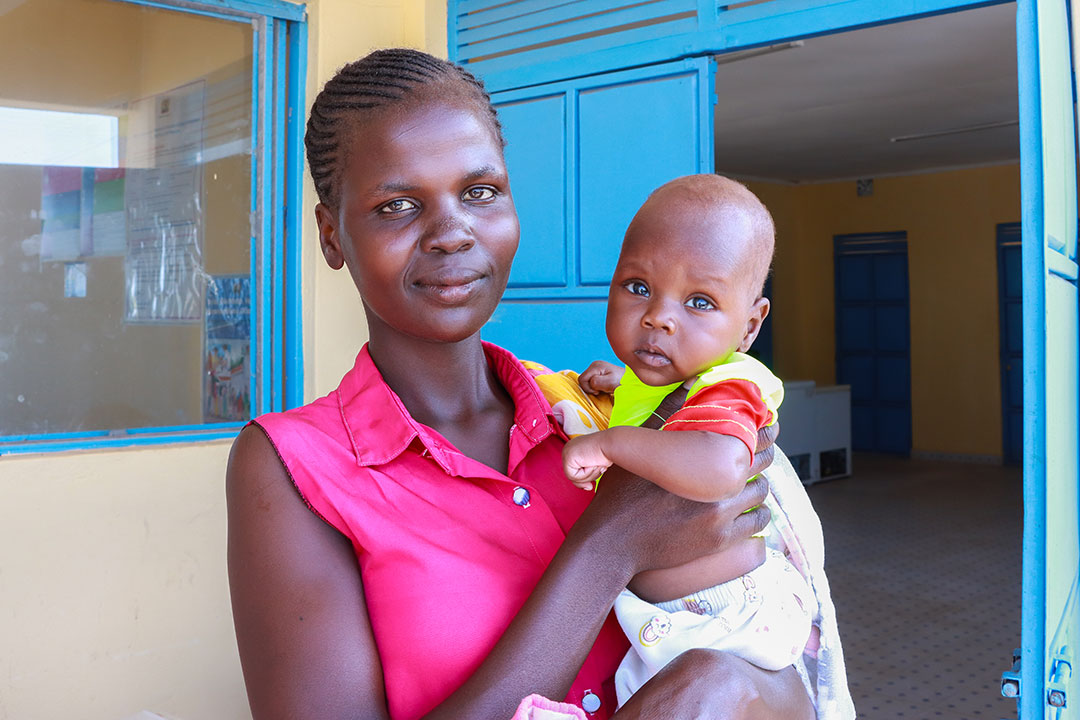
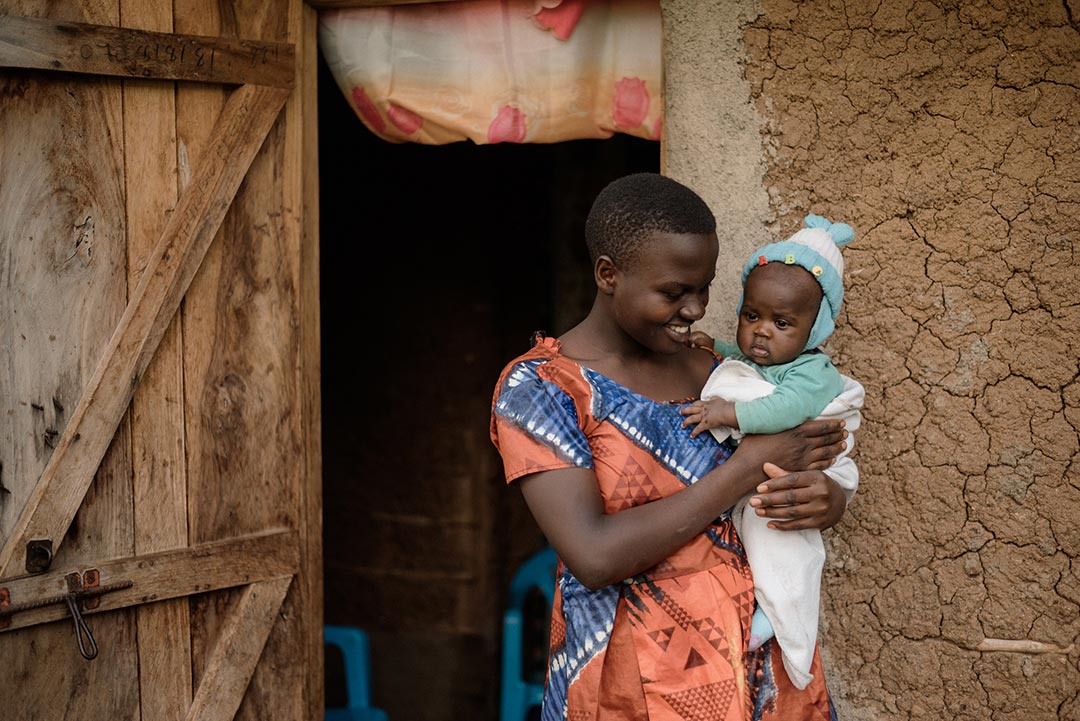
Because the nearest health centre is far from Kikolo, Leah Nagudi gave birth to her baby son at home, with her mother-in-law’s help.
She knew that vaccination was recommended, but she had also heard troubling rumours in her community: that vaccines could make children lame or even paralyse them. For weeks, she hesitated, torn between fear of preventable diseases and fear of immunisation.
Everything changed when Irene Neumbe, a VHT member, visited her at home. Neumbe patiently explained the importance of immunisation, addressing her fears and sharing facts.
The results were immediate. Outreaches now drew an average of 20 or more children, and the majority of these were confirmed to be zero-dose and under-immunised children.
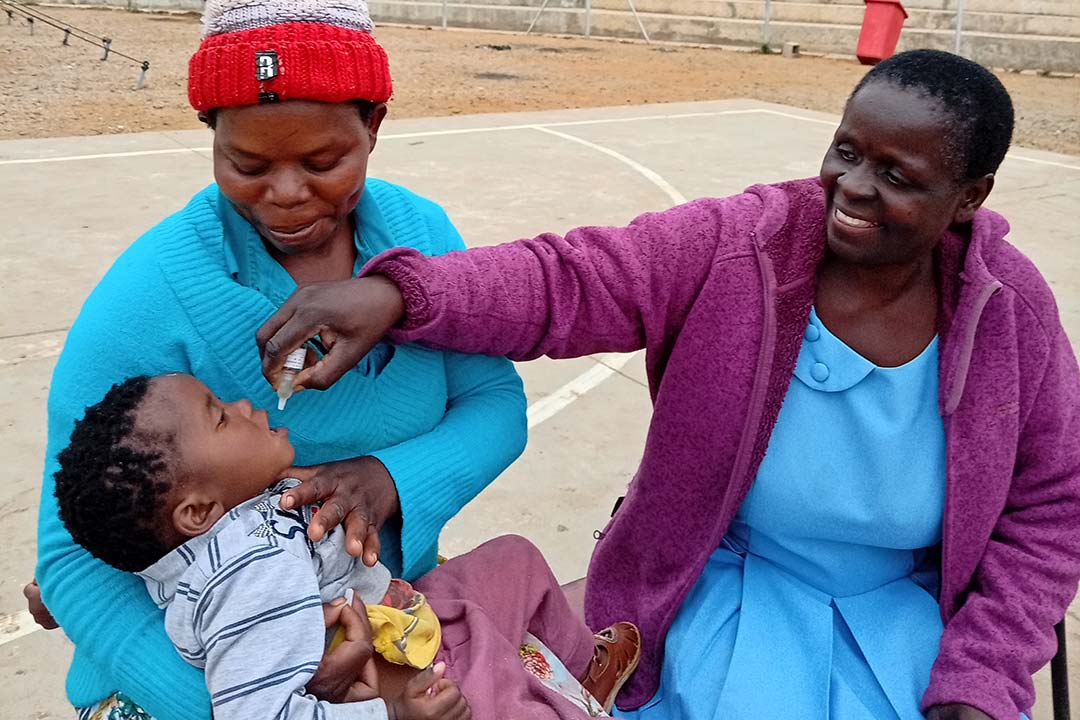
Nagudi’s mother-in-law chimed in, a voice of encouragement, convincing Nagudi that vaccines would protect the baby’s future. So, on 5 August 2025, Leah finally took her son for his first dose of immunisation. These included a first dose of polio vaccine, the anti-tuberculosis BCG vaccine, the pentavalent vaccine against diphtheria, pertussis, tetanus, hepatitis B and Hib, the pneumococcal conjugate vaccine and the rotavirus vaccine.
To her delight, the outcome was far from what she feared. “My child is healthy. All the fears I had about immunising him never happened. He is very strong and no longer suffers from any sickness like before,” Leah shared with a smile.
Have you read?
Today, Leah has become an advocate in her own right. She encourages other mothers in Kikolo and neighbouring villages to take their children for vaccination. “Nowadays I spend less on health bills because my son rarely falls sick since he was immunised,” she says proudly.
Thanks to community champions, family support and the work of CSOs like MAFOC, mothers like Leah are overcoming fear, embracing vaccines and giving their children a healthier start in life.
View from the health facility
Kikolo is not the only remote, hard-to-reach community that falls within the catchment area of Buhugu Health Centre III. For years, staff at the facility had struggled to reach enough children in several isolated surrounding villages lifesaving vaccines.
Despite organising immunisation outreaches, attendance remained low – sometimes only two children would show up for a day’s session.
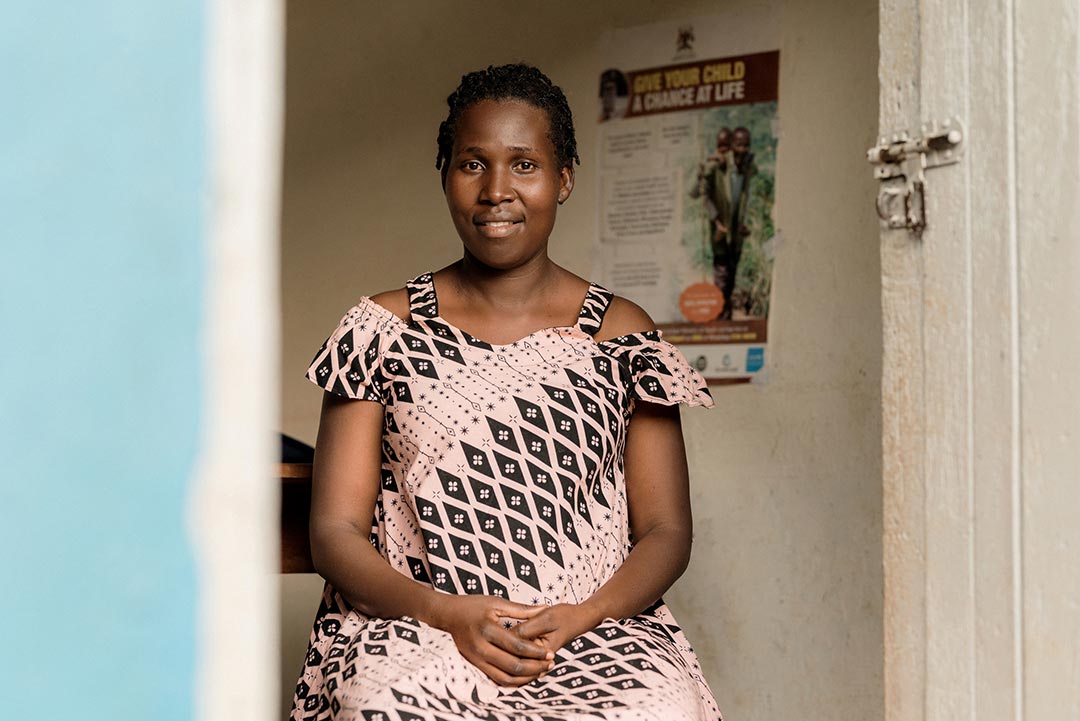
There were two possible explanations: parents either did not know about the outreaches, or still held onto fears and misconceptions about vaccines. Health workers, already burdened with heavy workloads, found it difficult to trace and follow up with children who had missed immunisation.
But with PATH’s support under the Gavi CDS3 grant, MAFOC stepped in to strengthen community mobilisation.
CSO staff trained and deployed immunisation champions and equipped VHT members like Neumbe to actively identify, track and mobilise zero-dose and under-immunised children, and link them to service delivery points. The partnership also supported additional outreach services during Integrated Child Health Days (ICHDS) and HPV vaccination campaigns, taking services closer to communities in mountainous areas where distance had previously been a barrier.
The results were immediate. Outreaches now drew an average of 20 or more children, and the majority of these were confirmed to be zero-dose and under-immunised children.
VHTs are now line-listing missed children, conducting defaulter tracking at household level and ensuring under-immunised children receive their vaccine doses. Champions are working together with health facility staff to ensure no child is left behind.
“Giving the health facility immunisation champions was a game changer for us health workers. We were overwhelmed by the workload. Even if you know someone was missed, it becomes hard to follow up. But the immunisation champions are helping us through defaulter tracking,” said Logose Zamu, Assistant Nursing Officer and In-Charge, Buhugu HC III.
“Before the intervention of MAFOC, we were in Category 4 (low coverage below 80% with a high drop-out rate); however, we are now in Category 1 (high coverage with a low drop-out rate, which is within the recommended percentage),” Zamu excitedly shared.
Zamu calls for sustaining investment in this new model. “Champions should continue to be supported, since they have eased our work as a facility. The extra outreaches should also continue because some of the communities we serve are very far from the health centre.”
More from PATH