
Zambia rolls out the malaria vaccine – and not a moment too soon
Health Minister Muchima hails the new childhood jab as “historic and transformative”, even as national data records a spike in infections.
- 4 December 2025
- 5 min read
- by Fiske Nyirongo
At a glance
- Zambia rolled out the malaria vaccine for the first time, offering hundreds of thousands of babies protection during the October–November launch campaign.
- “We’ve lost too many children in the community to malaria. If this vaccine can help, I want my child to be protected,” said the parent of one of the first children vaccinated.
- Malaria cases and fatalities have recently risen in Zambia, prompting health leaders to hail the new vaccine as a “transformative” additional tool.
At a modest urban clinic in eastern Zambia’s Lumezi District one late-October morning, health workers prepared for a historic moment: Zambia’s first large-scale roll-out of the RTS,S/AS01 malaria vaccine.
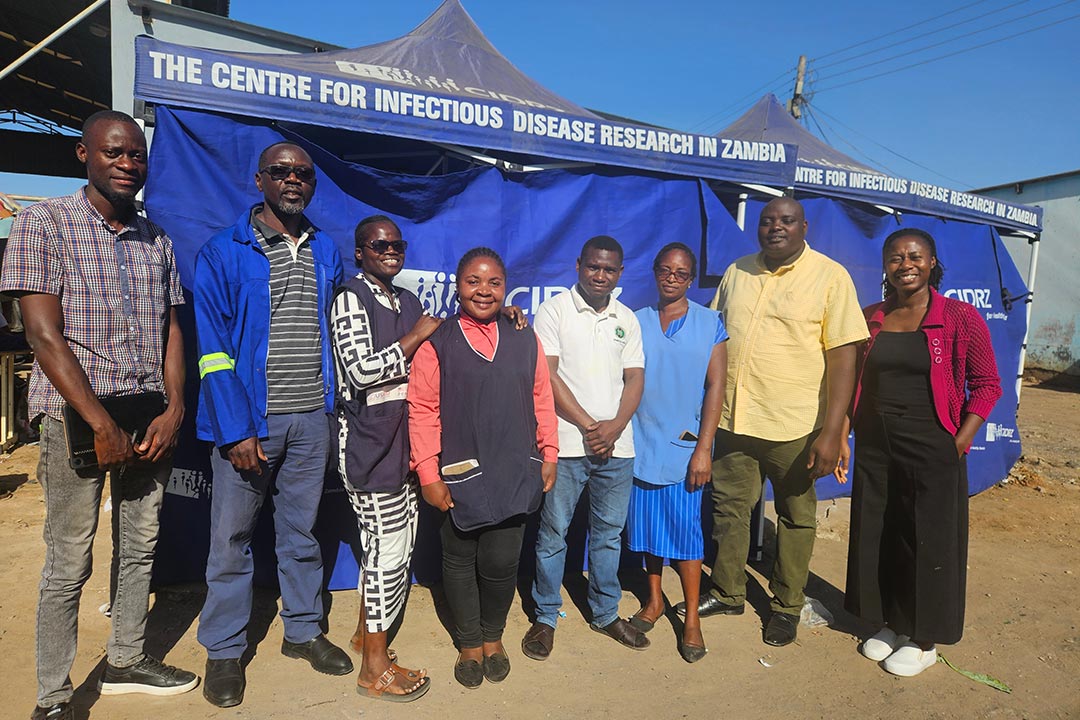
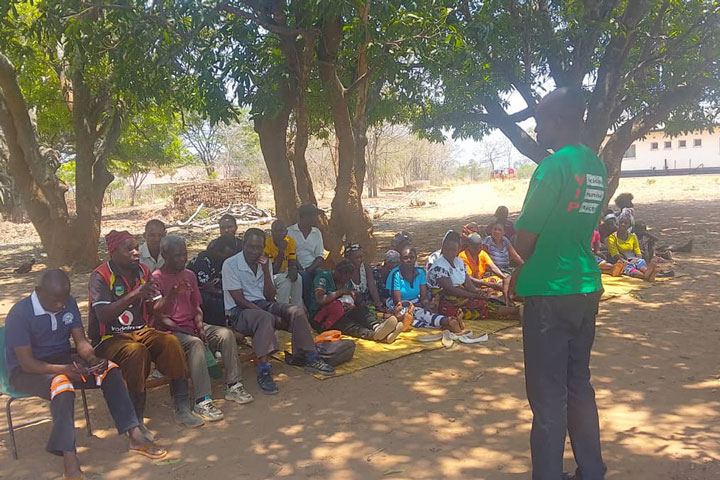
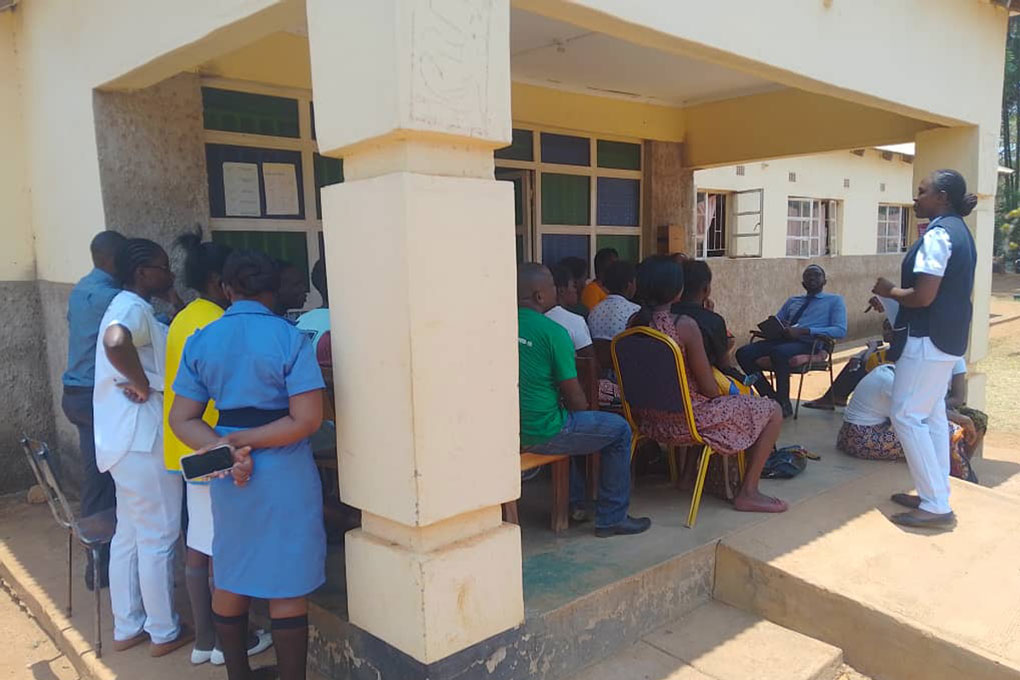
Before the clinic doors opened, a mixed group of health workers and community health workers gathered on a shaded veranda, and went over logistics. Then the day began.
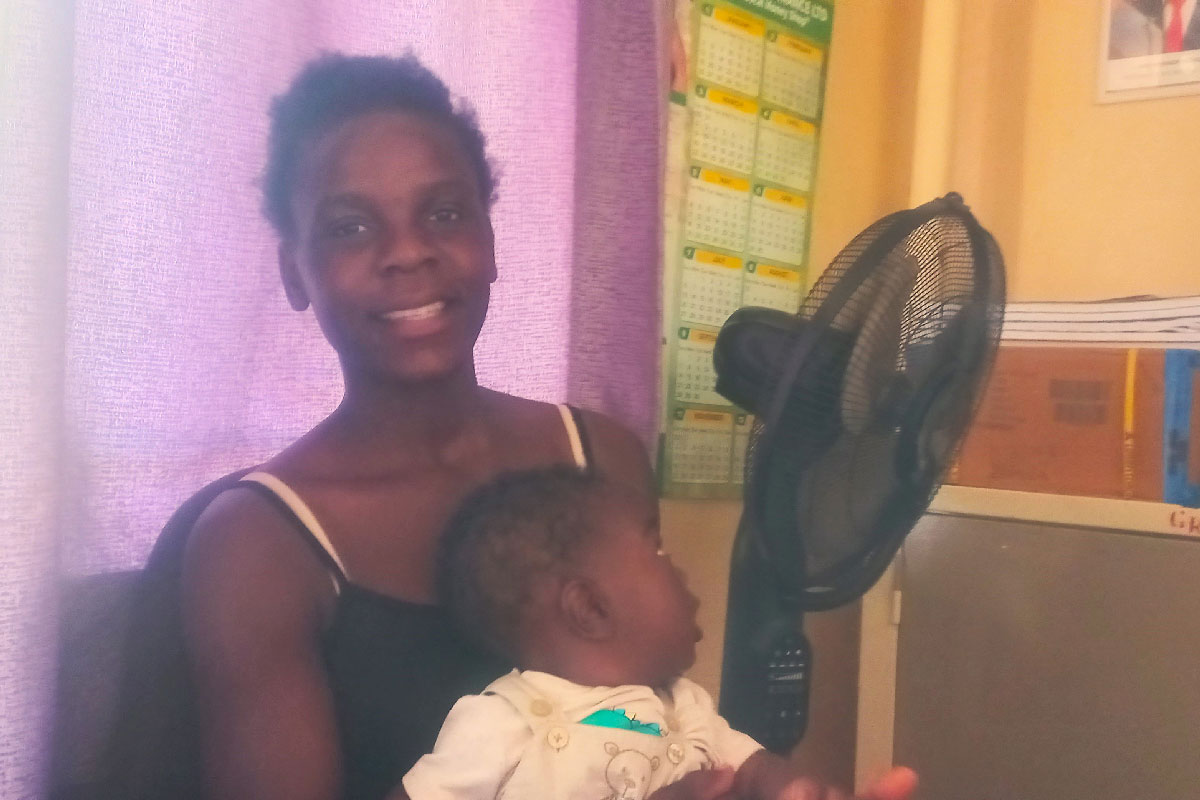
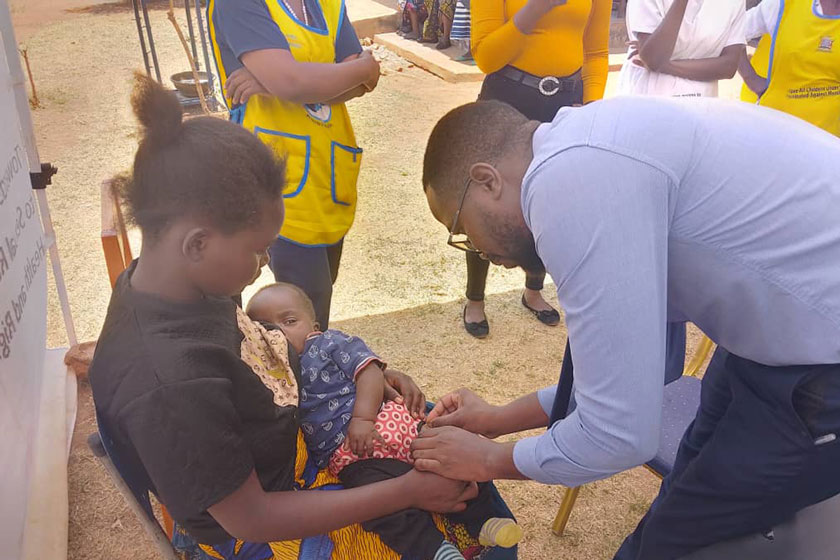
Health workers crouched down beside mothers who held their babies and delivered to each child a dose of protection against the deadliest parasite in the world.
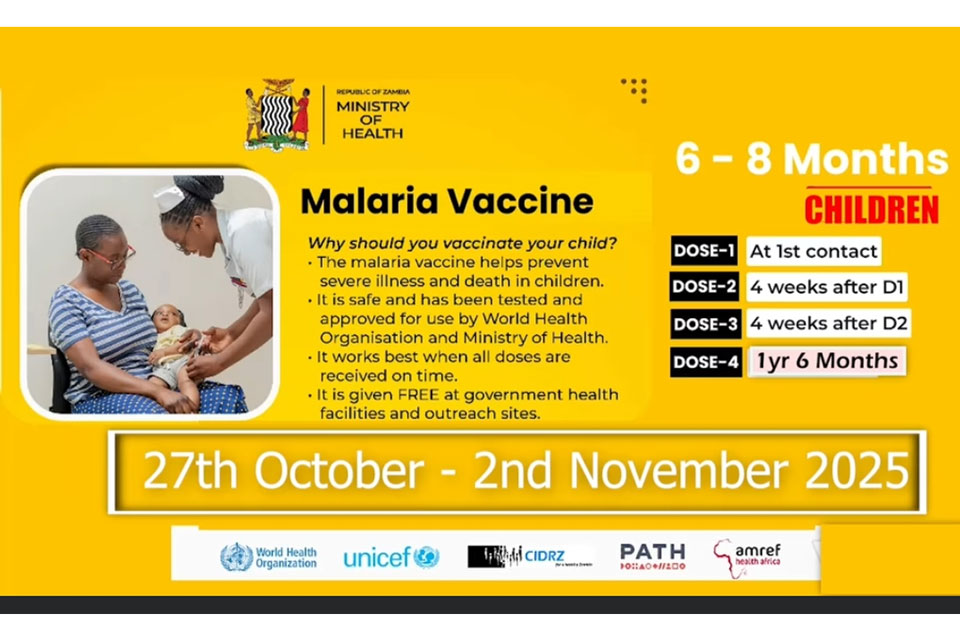
The introductory campaign, which ran from 27 October to 2 November in 83 high-burden districts, offered children aged six to eight months the first of a recommended four malaria vaccine doses. Early data points to an enthusiastic uptake.
According to information from the Expanded Programme on Immunisation (EPI), 182,875 children due for dose one in October and November have so far been reached – 109% of the projected national target.
An additional 89,270 children, representing 64% of those now ready for dose two, have also received their shots. Uptake surpassed 100% in eight out of nine participating provinces.
In Lumezi alone, 4,098 children were expected to receive the vaccine during this first round of vaccinations, according to district-level planning data. Health workers and volunteers from 17 facilities in the district had been trained up in anticipation. The week before campaign kick-off, they were busy touring local villages, explaining the vaccine’s purpose and addressing concerns.
“People are asking questions,” said district health official Temwanani Mtonga. “They want to know if this vaccine really works, if it’s safe. We’re doing our best to answer with facts, and we have also noticed that people are more open to this vaccine as malaria has been a huge headache for a lot of them.”
One parent, whose child was among the first to be vaccinated, shared: “We’ve lost too many children in the community to malaria. If this vaccine can help, I want my child to be protected.”
View from the centre
Zambia’s EPI, led by Dr Jacob Sakala, is coordinating the roll-out. Off the back of the kick-off campaign, the vaccine will be integrated into routine immunisation schedules with doses due at 6, 7, 8 and 18 months, timed to coincide with other child health services like Vitamin A supplementation and deworming.
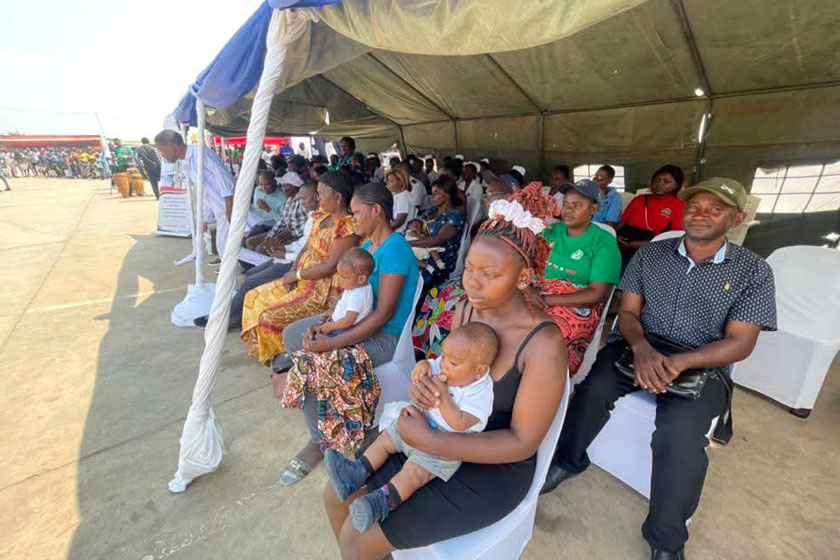
“The malaria vaccine will be given in routine immunisation services to eligible children through regular static and outreach services. This includes using similar systems for vaccine supply and management as well as existing platforms for service provision, monitoring and reporting,” Dr Sakala explained.
Training on this until now unfamiliar vaccine has been a cornerstone of the country’s preparation. “The trainings have been conducted in all the 83 implementing districts in the country,” Dr Sakala confirmed. “We’ve trained Provincial and District supervisors, health workers, and community-based volunteers who will track and vaccinate eligible children.”
Have you read?
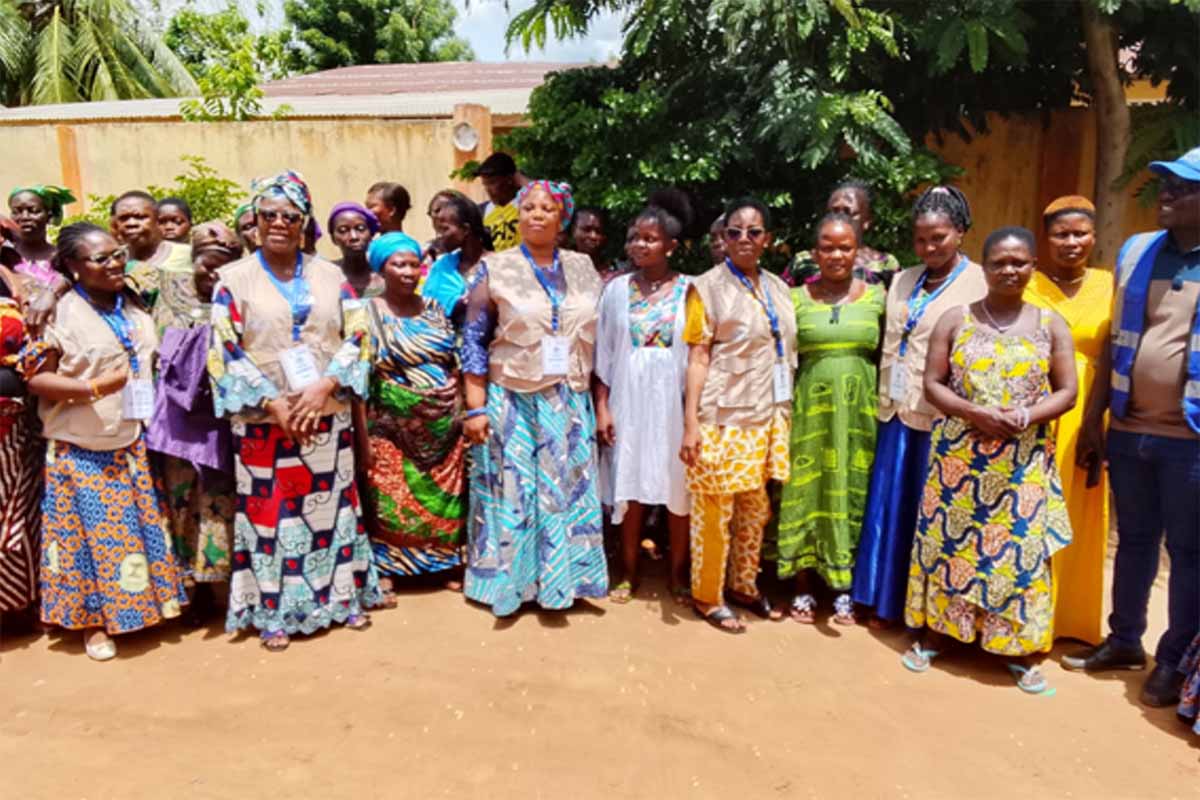
Community engagement – centred on an information blitz about the vaccine and its availability – have also been vital, he said.
According to Dr. Sakala, preparation began in 2024 and culminated in April 2025 when the first shipment of the malaria vaccine was received – underscoring just how extensive and demanding this effort has been.
Zambia has had the support of international partners, including Gavi and UNICEF. The roll-out has been carefully planned to ensure broad community reach and sustained impact.
Ganashyam Sethy, Immunisation Specialist at UNICEF Zambia, said: “UNICEF’s top priority is to make sure parents and caregivers understand that the malaria vaccine is a lifesaving intervention which complements existing prevention methods like bed-nets, indoor spraying and prompt diagnosis. We’re working with communities, faith leaders and health volunteers to spread accurate information, build trust and encourage uptake.
“The malaria vaccine fits seamlessly into Zambia’s immunisation programme,” Sethy continued. “Adding it actually strengthens the system and helps catch up children who may have missed other vaccines.”
Not a moment too soon
The roll-out comes as Zambia faces a malaria resurgence. According to Dr Stephen Bwalya, Malaria Case Management Officer at the National Malaria Elimination Centre, the country recorded approximately 5.9 million cases between January and August 2025, up from 4.9 million during the same period in 2024. Nine out of ten provinces saw a rise in cases, except Muchinga, with Luapula Province reporting the highest number of malaria-related deaths.
Dr Bwalya also confirmed that malaria-related deaths have risen by 5.8%, with 964 fatalities reported so far this year. In response, the Ministry of Health has intensified indoor residual spraying, reaching 554,922 structures, about 70% of the nearly 800,000 targeted.
And now a new weapon joins Zambia’s preventive arsenal. The national launch of the vaccine took place in Mansa District, Luapula Province – the region currently bearing the highest burden of malaria-related deaths in the country.
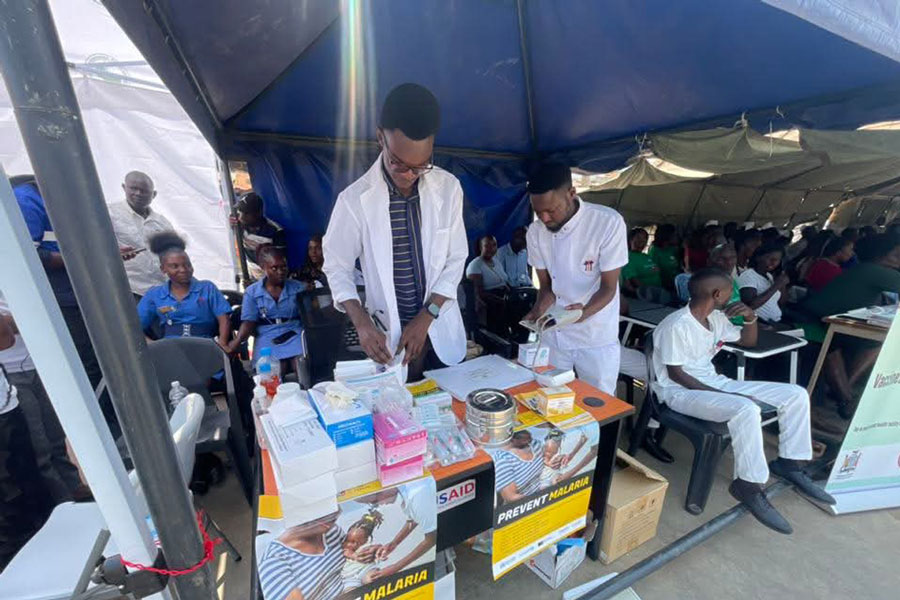
In a press release, Health Minister Dr Elijah Muchima emphasised that malaria is both a health and a development challenge in Zambia – and hailed the vaccine introduction as “historic and transformative”. The Ministry anticipates a reduction of “severe malaria, hospitalisations, and deaths among children.”
Strategic next steps
The launch also marked the unveiling of Zambia’s Costed Primary Health Care Strategy (2025–2031), which aims to build a resilient, equitable and people-centred health system.
According to UNICEF Zambia, the phased rol-lout will extend further in 2026 to reach the remaining five moderate‑transmission districts. This expansion is expected to protect more children, embedding malaria prevention firmly within Zambia’s routine immunisation programme.
More from Fiske Nyirongo