
7 things you need to know about the state of malaria today
The World Malaria Report 2024 highlights major progress against malaria driven by vaccines – and the key threats that could derail it.
- 5 December 2025
- 5 min read
- by Linda Geddes
New mosquito-fighting tools and vaccines helped avert an estimated 170 million malaria cases and a million deaths in 2024, according to the World Health Organization’s latest World Malaria Report, published this week.
For the first time, the report captures the real-world impact of malaria vaccination, even as growing drug resistance, climate-driven disruptions and funding shortfalls threaten to stall hard-won progress against the disease.
Here are seven key takeaways from the report
1. Malaria vaccines are already saving lives at scale
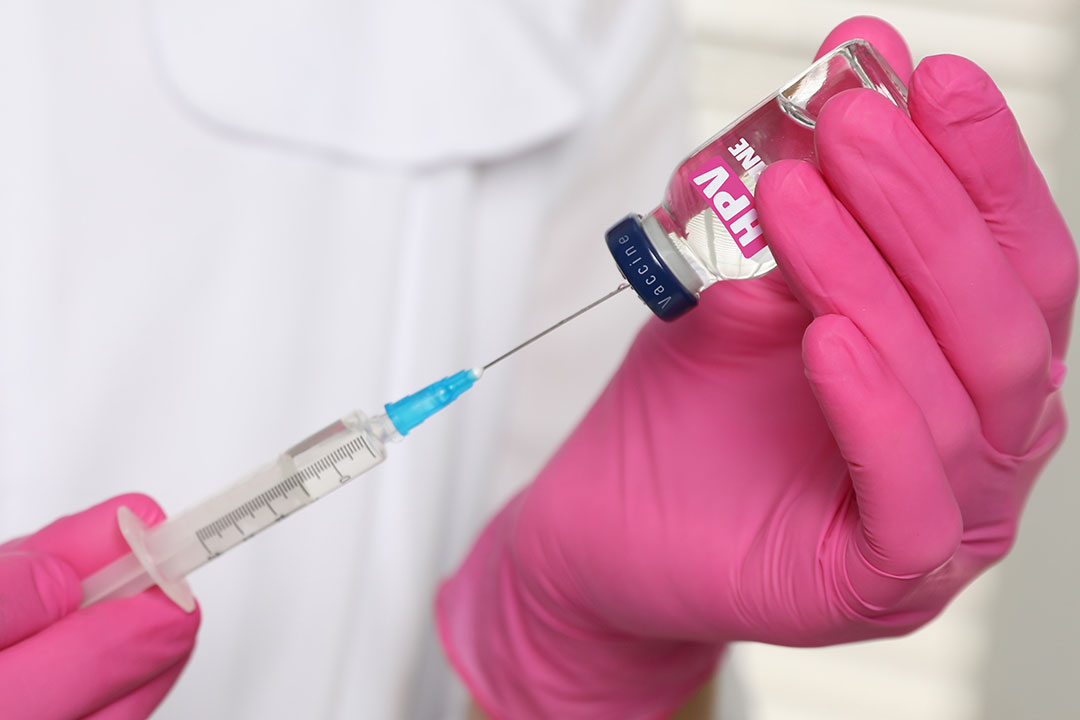
The world’s first malaria vaccine, RTS,S, was introduced into childhood immunisation programmes in selected areas of Ghana, Kenya and Malawi in 2019 through WHO’s Malaria Vaccine Implementation Programme – a large-scale effort to assess how it performed in real-world settings.
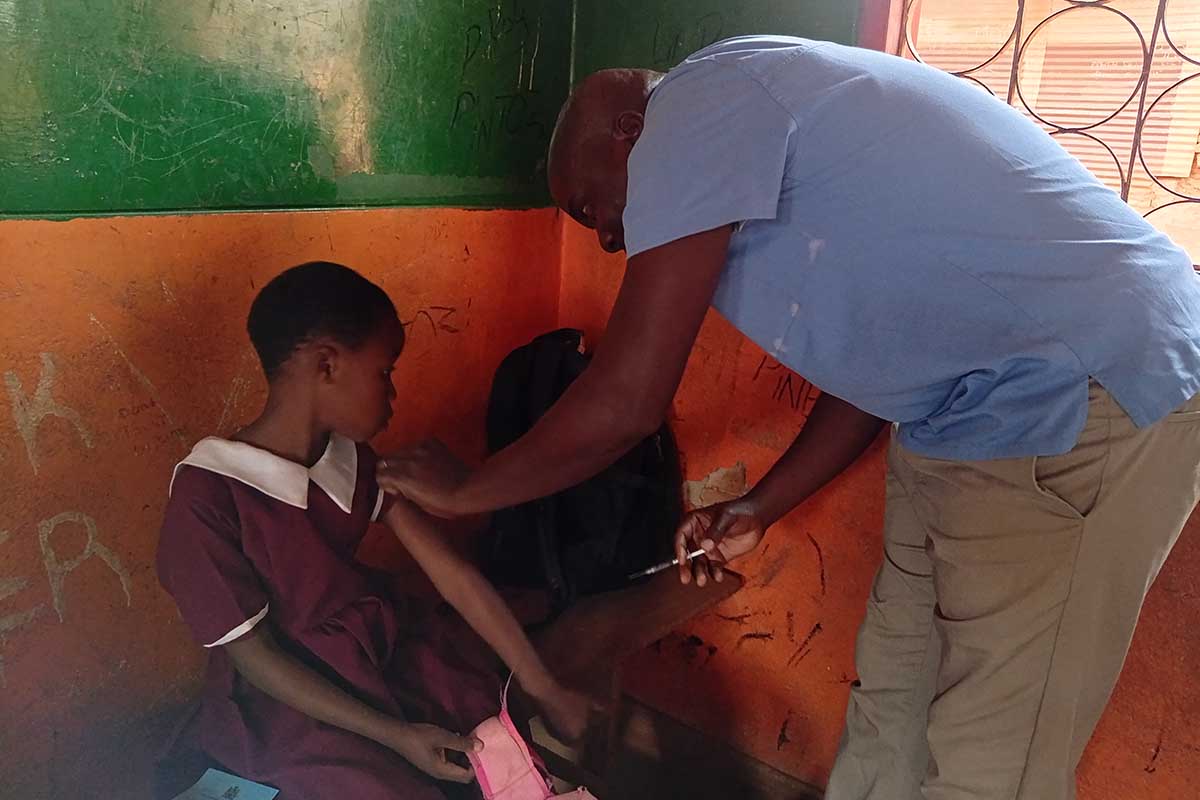
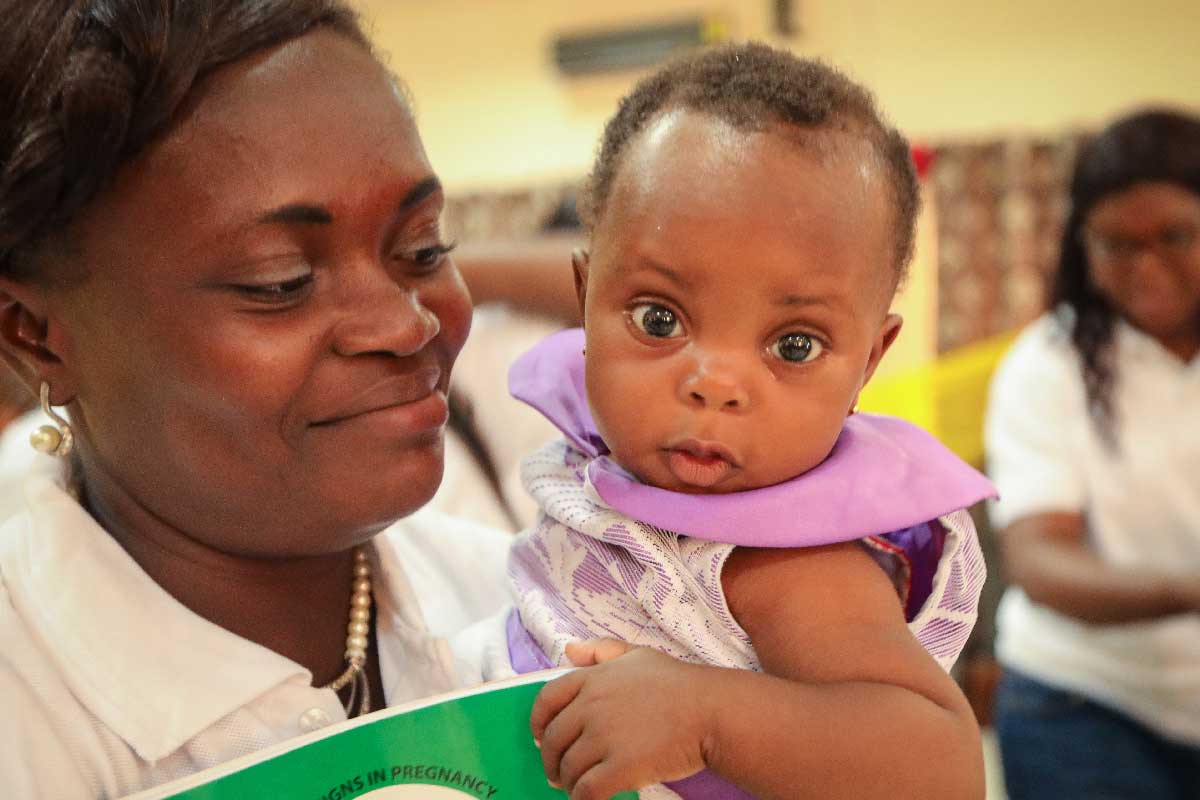
In 2024, momentum accelerated. Fourteen additional countries introduced malaria vaccines with support from Gavi, the Vaccine Alliance, bringing the total number of implementing countries to 17. Over the year, more than 10.5 million doses were shipped to participating countries, and over 2.1 million children received at least one dose – gaining crucial protection during the earliest, most vulnerable months of life.
To date, a total of 47 countries and one territory have been certified malaria-free by WHO – with Cabo Verde and Egypt achieving this feat in 2024, and Georgia, Suriname and Timor-Leste joining them in 2025.
2. A wider toolbox is also reshaping malaria prevention
Vaccines aren’t the only intervention helping to reshape the fight against malaria.
Dual-ingredient nets are next-generation mosquito nets designed to overcome widespread resistance to pyrethroid insecticides used on conventional nets.
By combining a pyrethroid with a second agent, they provide significantly better protection in high-resistance areas. In 2024, their availability expanded, with 33 million dual nets distributed globally (mostly in sub-Saharan Africa).
Seasonal malaria chemoprevention, which involves giving children monthly doses of antimalarial medicines during the months when malaria transmission is highest, expanded too – reaching 54 million children in 20 countries in 2024, up from about 200,000 in 2012.
3. Some countries are eliminating malaria altogether
To date, a total of 47 countries and one territory have been certified malaria-free by WHO – with Cabo Verde and Egypt achieving this feat in 2024, and Georgia, Suriname and Timor-Leste joining them in 2025.
Their success shows that elimination is possible – though it requires sustained commitment, strong surveillance and resources that many countries still struggle to access.
4. Malaria cases continue to rise
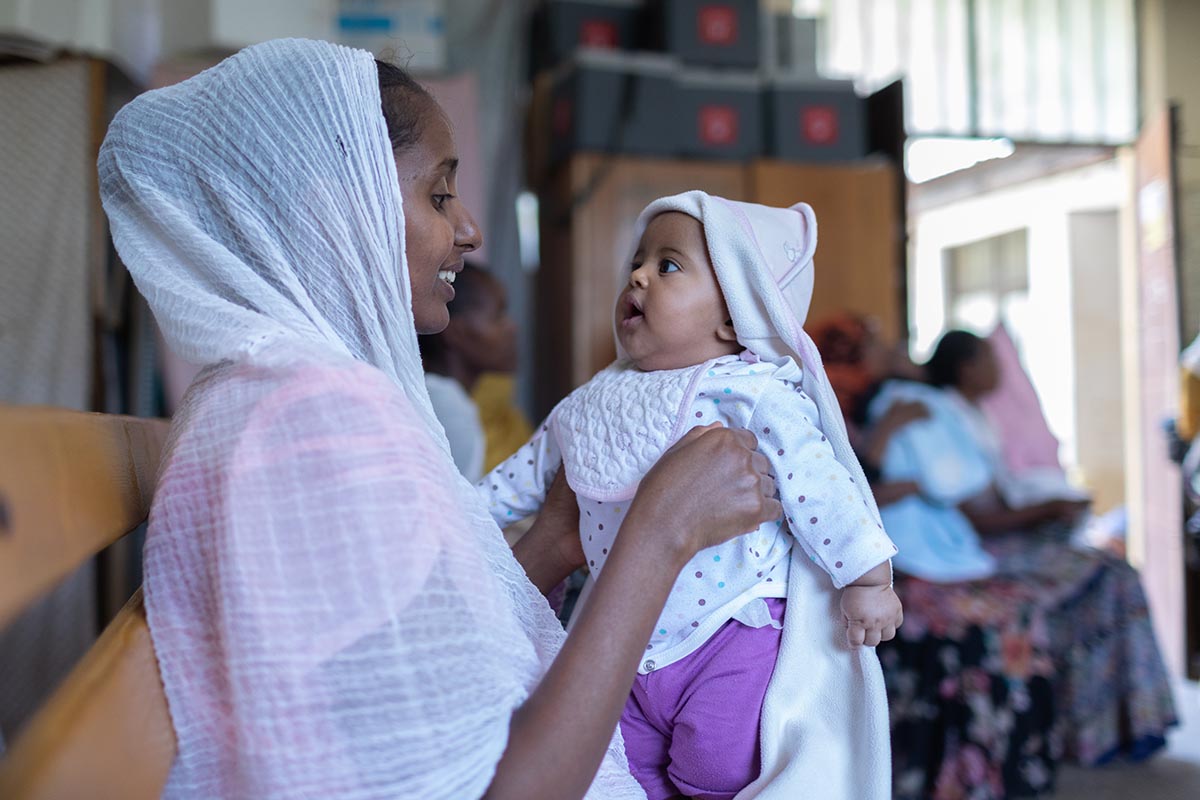
Despite new tools, malaria is far from defeated. There were an estimated 282 million malaria cases and 610,000 deaths in 2024 – roughly 9 million more cases than the previous year. An estimated 95% of these deaths were in the WHO African Region, with most occurring among children under five.
“New tools for prevention of malaria are giving us new hope, but we still face significant challenges,” said Dr Tedros Adhanom Ghebreyesus, WHO Director-General. “Increasing numbers of cases and deaths, the growing threat of drug resistance and the impact of funding cuts all threaten to roll back the progress we have made over the past two decades.”
5. Drug resistance is emerging as a major threat
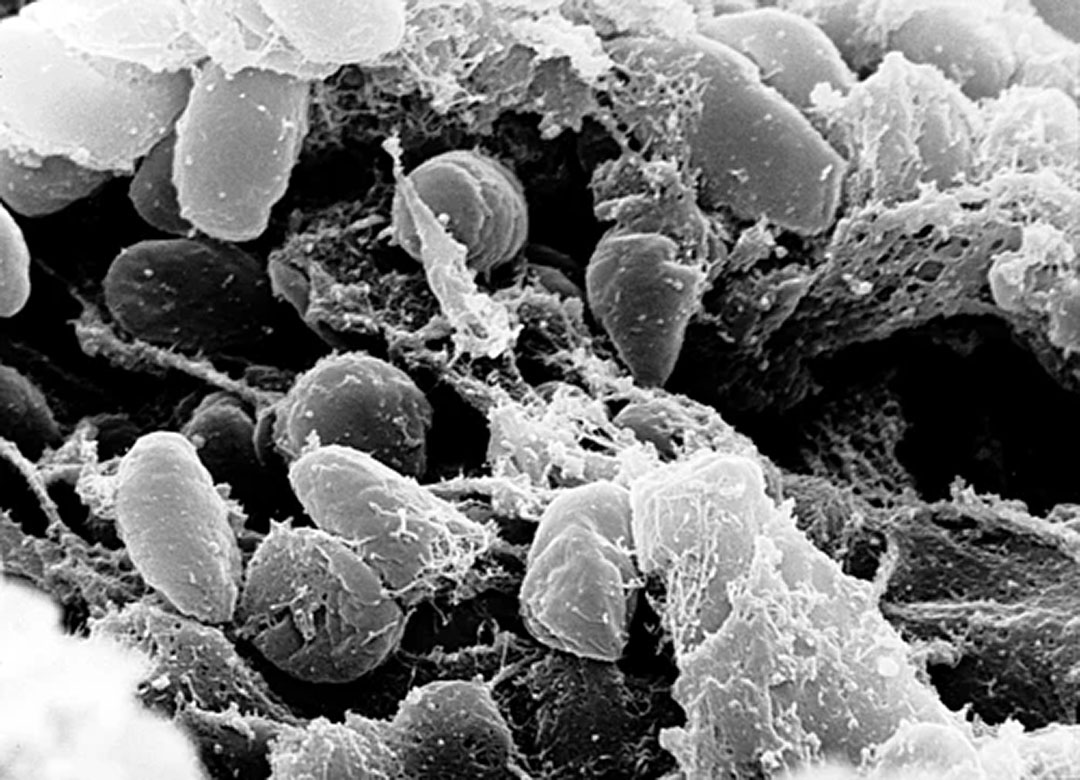
Artemisinin-based therapies have been the backbone of malaria treatment for nearly two decades. But the WHO’s report highlighted growing evidence of partial resistance, with this confirmed or suspected in at least eight African countries. There are also signs that the partner drugs used alongside artemisinin may also be weakening. This raises the risk of treatment failure and complicates efforts to hit global targets for malaria reduction.
“The World Malaria Report is clear: drug resistance is advancing. Our response must be equally clear – new medicines with new mechanisms of action,” said Dr Martin Fitchet, CEO of the Medicines for Malaria Venture.
“The development of the first non-artemisinin combination therapy, Ganaplacide-Lumefantrine, is proof that this is possible, and it represents the beginning of a new chapter in malaria resilience. Together with a global partnership of expertise, commitment and funding, we can stay ahead of resistance and deliver new medicines to ensure malaria is no longer a threat.”
6. Mosquitoes – and the climate – are shifting
The parasites that cause malaria aren’t the only problem. Pyrethroid-resistant mosquitoes have now been confirmed in 48 countries, weakening the effectiveness of standard nets, while Anopheles stephensi – an urban-adapted, insecticide-resistant mosquito previously confined to Asia – has spread to nine African countries, increasing the risk of malaria outbreaks in major cities.
These pressures are compounded by extreme weather linked to climate change, which is expanding mosquito habitats and triggering outbreaks in places unprepared for them.
Meanwhile, conflict and instability continue to disrupt health services across affected regions, delaying diagnosis and treatment, and leaving communities more vulnerable.
7. Malaria funding is stagnating at a critical moment
Malaria programmes are increasingly feeling the strain of tight budgets. In 2024, global spending on malaria reached US$ 3.9 billion – less than half of what is needed to stay on track with the global technical strategy for malaria, WHO’s long-term roadmap that sets targets for reducing malaria cases and deaths by 2030.
At the same time, cuts to Official Development Assistance – the international funding that wealthier countries provide to support development programmes – have disrupted health services and weakened routine disease monitoring, forcing many malaria surveys to be postponed or cancelled. These cuts have also increased the risk of stock-outs and delays in prevention campaigns, ultimately reducing the impact of malaria control efforts.
Despite current challenges, Ghebreyesus remains optimistic about the prospect of a malaria-free future: “With the leadership of the most-affected countries and targeted investment, the vision of a malaria-free world remains achievable,” he said.
More from Linda Geddes