
How much does climate change fuel dengue outbreaks?
A new study links 60% of infections during Peru’s 2023 dengue outbreak to extreme rainfall, using a method that could be applied to other climate-driven disease outbreaks.
- 19 March 2026
- 5 min read
- by Linda Geddes

At a glance
- Scientists have estimated that extreme rainfall was responsible for about 60% of dengue cases, which is about 22,000 infections, during Peru’s 2023 dengue outbreak.
- The approach, borrowed from economics, allowed researchers to isolate the contribution of climate during a complex outbreak, providing a new way to quantify climate change’s impact on disease.
- The findings could help countries to prepare for climate-related outbreaks and be applied to other diseases
Scientists have long warned that climate change could worsen outbreaks of disease, but its role in specific outbreaks has been hard to measure.
Now, a new analysis of Peru’s largest recorded dengue outbreak in 2023 estimates that extreme rainfall linked to an intense tropical storm was responsible for about 60% of cases – more than 22,000 infections – over the following three months.
It also introduced a new method for quantifying the impact of climate change on outbreaks of climate-related diseases.
What caused Peru’s largest dengue outbreak?
In March 2023, Peru’s normally dry northwestern coast was hit by unusually heavy rain caused by a combination of Cyclone Yaku and a coastal El Niño event, triggering widespread flooding.
Shortly afterwards, the region experienced Peru’s largest recorded dengue outbreak, with cases more than ten times higher than average and 381 dengue-related deaths reported by July 2023.
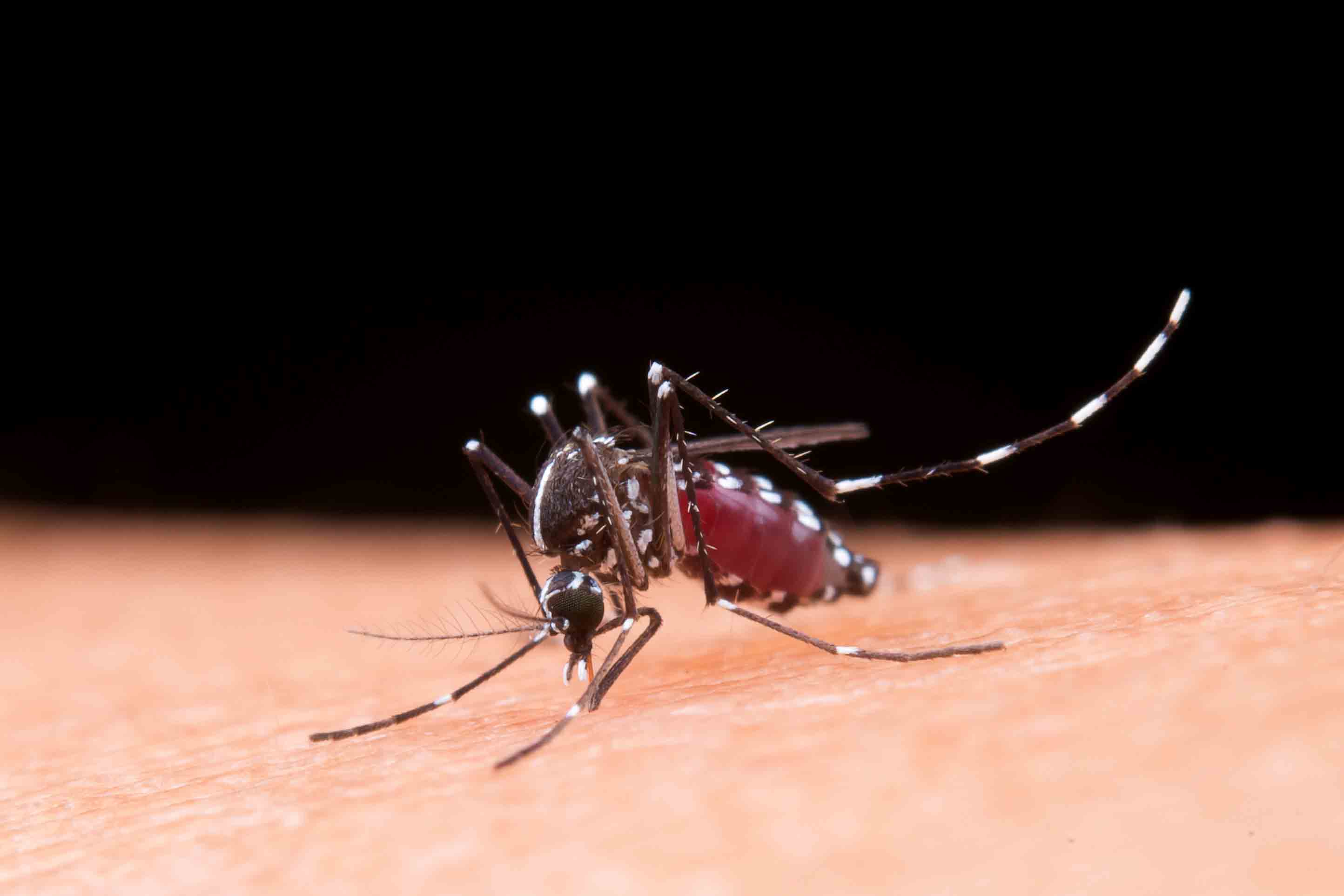
Dengue is a mosquito-borne disease. These insects thrive in the aftermath of storms and flooding, so climate change is predicted to increase the risk of dengue as well as other mosquito-borne outbreaks in areas where temperature and rainfall support their survival.
Even so, because things like immunity, land use and public health vary over time and place, it is hard to separate the effects of extreme weather from other influences, said Dr Mallory Harris, now at the University of Maryland, US, who led the new research.
How do you isolate climate’s role in a disease outbreak?
To overcome this problem, Harris and colleagues used a relatively new method from econometrics, the branch of economics that uses data to measure cause and effect, known as generalised synthetic controls.
“We used time trends from the districts less affected by the cyclone to infer a counterfactual: how many cases of dengue would there have been in the most cyclone-affected districts without the cyclone? We can then compare what actually happened to estimate cyclone-attributable dengue cases,” Harris said.
Have you read?
The approach also accounts for other factors that change over time and can influence outbreaks, helping to isolate the specific contribution of climate.
The research, published in One Earth, estimated that 60% of dengue cases in the hardest-hit districts were directly caused by extreme rainfall and warm temperatures during the cyclone, equivalent to roughly 22,000 additional infections that would not otherwise have occurred.
How do extreme rainfall and warm temperatures contribute to dengue?
The chain of events is relatively straightforward. Heavy rains flood low-lying areas, disrupt water and sanitation systems, leaving behind pools of standing water that are ideal breeding grounds for Aedes aegypti and Aedes albopictus mosquitoes. Warm temperatures further accelerate mosquito breeding and virus transmission.
“The effects of extreme precipitation were greatest in warmer districts with more urban infrastructure and greater flood susceptibility,” Harris said.
By contrast, cooler areas hit by the cyclone saw no significant increase in dengue linked to extreme rainfall.
“While we often observe large dengue outbreaks following extreme weather events, this is the first time scientists have been able to pinpoint the role of climate change and precisely measure the impact of a particular storm on dengue: one of the most rapidly-growing infectious diseases,” said study senior author Prof Erin Mordecai at Stanford University.
The team also compared climate simulations from recent decades with pre-industrial conditions. “Compared to the pre-industrial era, extreme wet March conditions were 31% more likely and 189% more likely to co-occur with warm temperatures suitable for dengue transmission in recent decades because of climate change that has already happened,” Harris said.
What can be done to help prevent climate-driven dengue outbreaks?
The findings are both a warning and a starting point for action.
Targeted mosquito control and vaccination in high-risk urban areas could help blunt future outbreaks, while investments in flood resilience, such as better drainage, sturdier housing and more reliable water systems, could further reduce risk.
“This research provides Peru’s Ministry of Health an initial estimate to quantify the specific health impacts of extreme climatic events,” said study co-author Dr Andrés Lescano of the Latin American Center of Excellence for Climate Change and Health in Lima. “That can be used as a reference to advocate for greater public health investments in preparation and response.”
The ability to quantify climate change’s role in outbreaks could also have wider implications. Similar analyses could be applied to hurricanes, monsoons and other extreme events around the world, helping governments prepare for their aftermath and better understand the impact climate change is already having on human health.
“These types of estimates could inform climate negotiations by making sure that we are accounting for the health costs of climate change. They could also factor into climate litigation and discussions about loss and damage funds being set up to compensate those most affected by climate change,” Harris said.
The method could also be applied to other vector-borne diseases such as malaria, chikungunya and Lyme disease, as well as water-borne and respiratory diseases that are sensitive to climate in regions where they are already established.
More from Linda Geddes