
A new era of country ownership: introducing Gavi’s first-ever vaccine budgets
Simpler, more transparent and designed to put countries in the driving seat, Gavi’s vaccine budgets signal a leap forward for global health.
- 10 March 2026
- 4 min read
- by Sania Nishtar
At a glance
- Gavi has introduced new vaccine budgets for the countries it partners with, meaning they now have one budget, one cash grant, secured through one application process and managed by one fully digitised grant-management system.
- This simplified, transparent process is a core part of the Gavi Leap, Gavi's reform programme, meaning less time spent on bureaucracy and greater country ownership on how they invest Gavi funds.
- The vaccine budgets help ensure that all of Gavi’s available resources are distributed equitably and predictably on the basis of need, rather than on a first-come, first-served basis.
Last week, our Gavi Leap reform programme marked an important milestone. In keeping with our aspiration to radically simplify how we work with countries, and to put greater ownership in the hands of countries themselves, we have sent letters to all 56 Gavi-supported countries outlining their vaccine budgets for the next five years.
The introduction of vaccine budgets and other elements of the Gavi Leap reform are the culmination of a 12-month process to completely redesign the way we disburse money to countries.
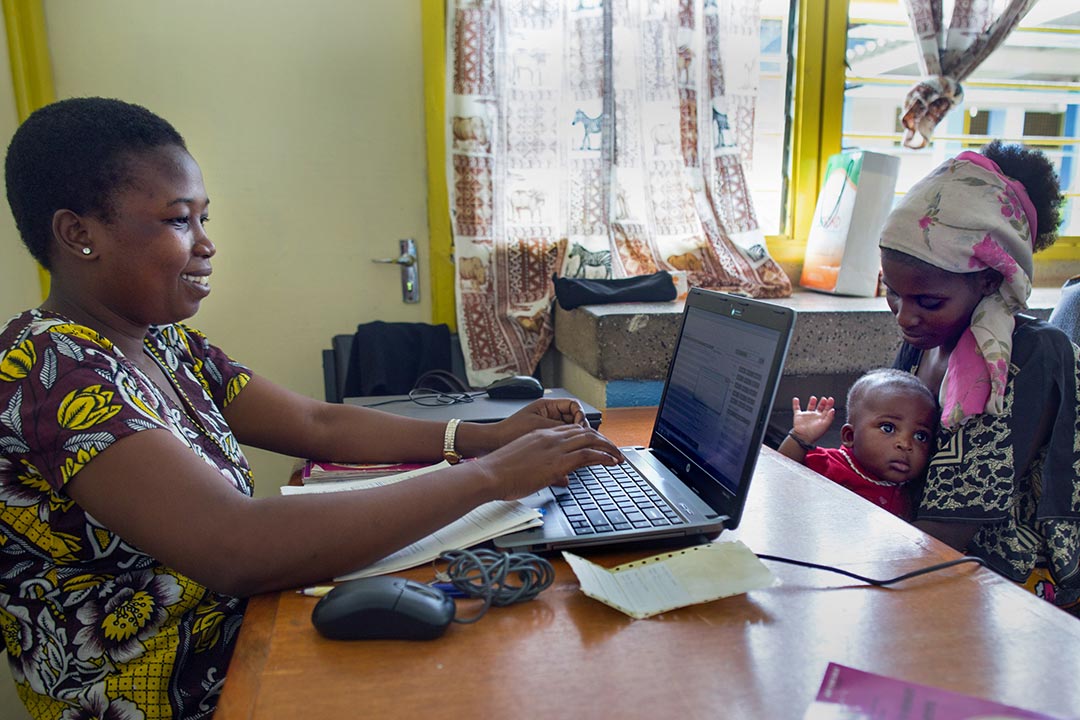
Instead of a multitude of grants for individual vaccines, each with different timeframes and application processes, countries now receive one budget, one cash grant, secured through one application process and managed by one fully digitised grant-management system.
Along with unprecedented long-term visibility over their financial resources for immunisation, countries also have much greater flexibility about how their available budget is allocated. Each vaccine budget includes a funding envelope that countries can use to prioritise vaccines from Gavi’s portfolio of their own choosing, in accordance with their national strategies. This is a first for Gavi.
Have you read?
Giving countries advance knowledge of the size of their vaccine budget for the next five years helps national governments plan strategically. It also helps ensure that all of Gavi’s available resources are distributed equitably and predictably on the basis of need, rather than on a first-come, first-served basis. All countries have equal visibility at the outset of the process, and no country will miss out or have an unfair advantage because of their place in a queue of applications.
And with fewer applications, fewer systems to navigate and fewer administrative requirements, countries are free to invest fewer resources in bureaucracy and more in improving frontline healthcare.
How do vaccine budgets work?
Each vaccine budget is composed of two distinct components.
The first is a guaranteed budget that covers Gavi’s commitments to certain essential vaccine programmes and preventive campaigns. This is designed to give countries certainty that they can plan essential immunisation activities for the years ahead with confidence.
In addition, countries also receive a discretionary budget that can be invested in additional programmes that align with their own strategies and needs.
To ensure allocations remain fair, transparent and grounded in health impact at a time of constrained resources, the methodology we have used to calculate budgets is based on national under-five mortality rates as a proxy for health need, and economic factors including national income and fiscal capacity.
To make the process more robust still, we are instituting a system of floors and caps to ensure that the lowest-income countries receive the support they need and that no country receives more than its fair share.
A fresh approach to development cooperation
In a recent Lancet Viewpoint, I argued that our global health architecture is in urgent need of reform, and that reform should be based on the four principles that underpin our own Gavi Leap: country-centricity; national self-reliance, focused mandates and finite institutional lifespans.
Today’s crisis in funding for global health affords global health initiatives a generational opportunity to work together in creating a system that is efficient, focused and free from fragmentation, mission creep and competition. Such a new system, driven by a laser focus on radical simplification, must be able to reconcile the need for multilateral cooperation to strengthen health outcomes and health equity on one hand, with the desire for full national sovereignty and self-reliance on all matters related to health on the other.
Through the Gavi Leap, and the introduction of vaccine budgets, we hope we are making a contribution towards this goal.
More from Sania Nishtar