
Scientists identify possible cause of noma, the disease that destroys children’s faces
Discovery could eventually aid early detection and treatment of noma disease.
- 2 June 2026
- 5 min read
- by Linda Geddes
At a glance
- Noma is a rapidly progressing gangrenous disease of the mouth and face that primarily affects malnourished children between the ages of two and six in sub-Saharan Africa. Without treatment, it is deadly in around 90% of cases, while survivors are often left with severe facial disfigurements.
- Although its precise cause remains unknown, a new study has identified a previously unknown species of bacteria that appears to be strongly associated with the disease. Saliva samples from affected children also revealed major disruptions to the normal balance of microbes in the mouth.
- The findings could eventually pave the way for earlier diagnosis, improved treatments and a better understanding of one of the world's most neglected diseases.
It often begins as a seemingly minor infection in the mouth. But within days noma can spread across a child's face, destroying cheeks, lips and bone. It kills up to 90% of untreated children.
For decades, the precise cause of noma disease has remained a mystery. Now, a new study has identified a previously unknown species of bacteria that appears to be strongly associated with it.
The discovery could eventually pave the way for earlier diagnosis, improved treatments and a better understanding of one of the world’s most neglected diseases.
What is noma disease?
Noma takes its name from the Greek word ‘nomē’, meaning ‘to devour’. This rapidly progressing gangrenous disease typically begins as gingivitis (gum disease) before spreading to neighbouring facial tissues.
“It is often associated with abject poverty and malnutrition,” says Prof Adam Roberts at Liverpool School of Tropical Medicine (LSTM), UK, who was involved in the new study. “[Noma] used to be a lot more common. During World War One, a related condition was known as trench mouth. Noma was also documented in concentration camps such as Auschwitz during World War Two.
“As living standards have generally improved, at least in the Western world, it has largely been forgotten. But in many lower- and middle-income countries, especially in sub-Saharan Africa, it has persisted and is quite common.”
According to the World Health Organization, around 140,000 people develop noma each year, although the true burden is uncertain because many cases occur in remote communities with limited access to healthcare. The disease mostly affects malnourished children between the ages of two and six.
Although noma can often be halted with antibiotics, nutritional support and improved oral hygiene if detected early, around 90% of untreated cases are fatal.
Those who survive are often left with severe facial disfigurements that can impair eating, speaking and breathing, while also exposing them to lifelong stigma and social exclusion.
What causes this disfiguring infection?
Noma is thought to arise from a complex interaction between infection, malnutrition, weakened immunity and poor living conditions.
"Noma is one of the clearest manifestations of extreme poverty and health inequity in northwest Nigeria," said Michael Olaleye, an epidemiologist for MSF based at Noma Children’s Hospital in Sokoto, Nigeria, who was a joint lead author of the study.
Yet while researchers have long suspected that bacteria play a role, surprisingly little work has been done to investigate its microbiological causes.
The new study took advantage of metagenomic DNA sequencing, a technique that reads all of the genetic material in a sample and can detect both known and previously unknown micro-organisms.
The researchers were also able to access samples from 19 children receiving treatment for noma at a hospital in northwestern Nigeria through a collaboration with Médecins Sans Frontières (MSF) and local clinicians.
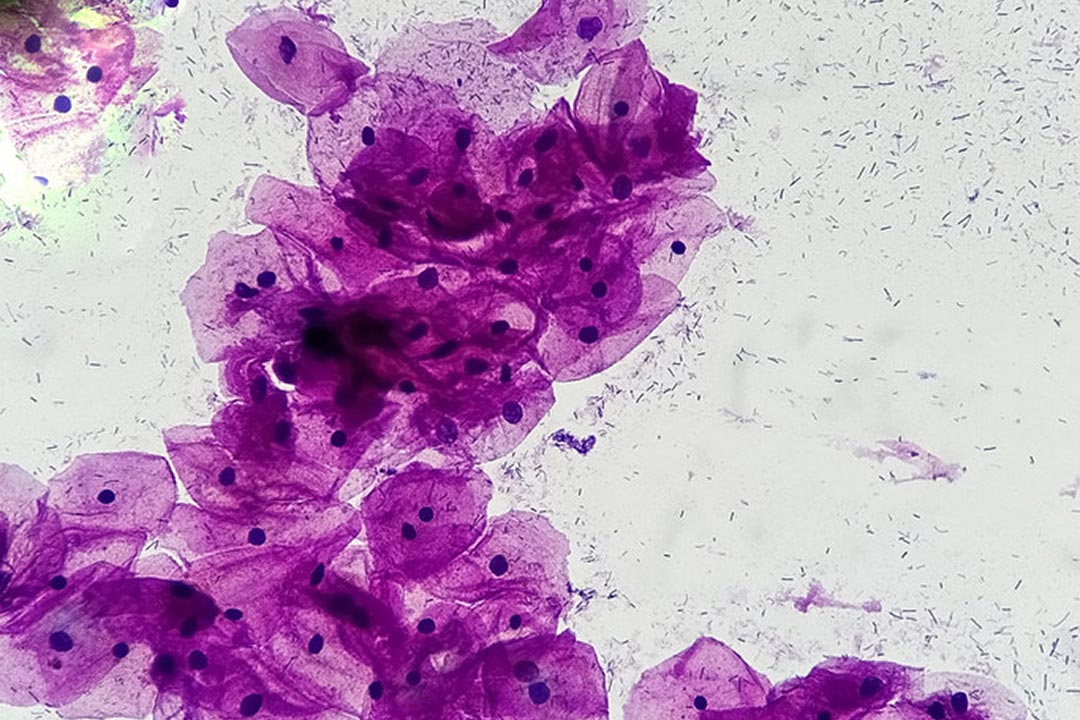
When they compared the bacteria present in these samples with publicly available datasets from healthy individuals, they found that the oral microbiomes of children with noma were markedly different.
“We found that the composition of bacteria in children with noma is completely disrupted. Some bacteria appear to be more common, while others that are usually part of a healthy mouth almost disappear,” says joint lead author Dr Richard Goodman, also at LSTM. “That imbalance gives us important clues about how the disease starts and progresses.”
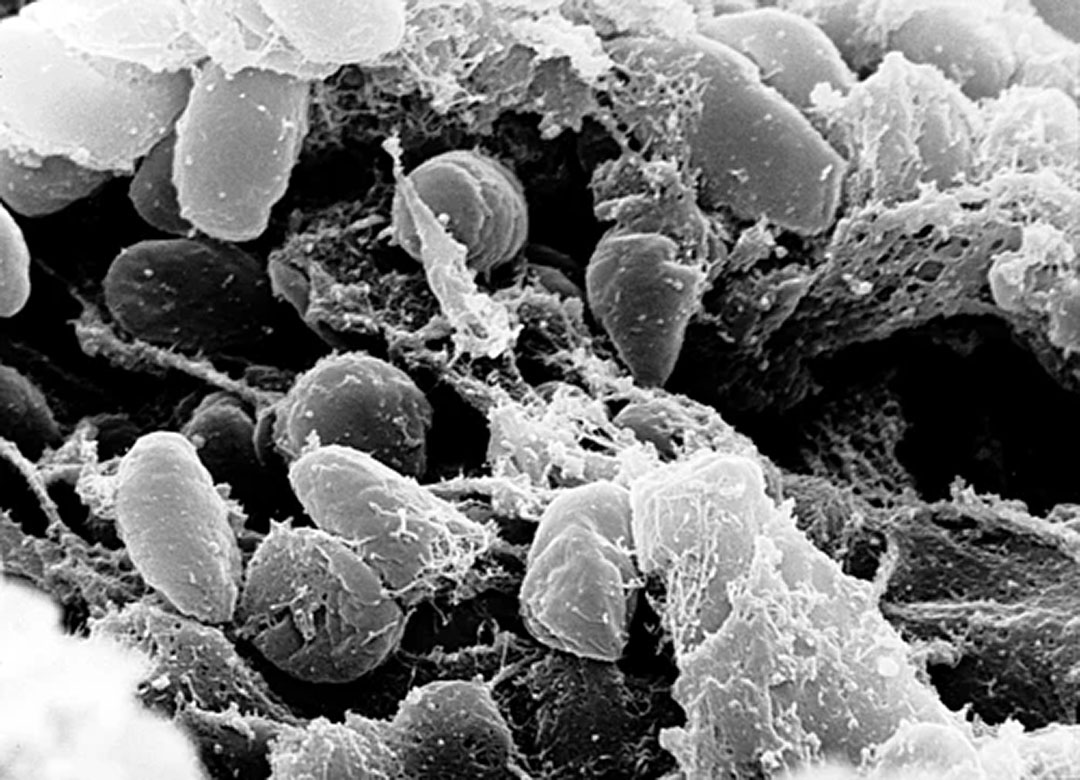
Among the microbes they identified was a previously unknown species of Treponema bacteria, a group that includes the bacterium responsible for syphilis. It appeared in most of the noma patients studied, but not in healthy individuals, and was also detected in samples from noma patients in neighbouring Niger. The research was published in PLOS Neglected Tropical Diseases.
What could this discovery mean for children with noma?
The researchers caution that the findings do not yet prove that the newly identified bacterium causes noma.
Larger studies involving hundreds or even thousands of patients across multiple countries will be needed to confirm the association and determine whether the microbe plays a causal role in the disease.
Even so, the identification of a consistent microbial signature could have important clinical implications. “It could create real opportunities for earlier detection, timely treatment and prevention,” said joint lead author and PhD candidate Angus O’Ferrall.
At present, diagnosis relies largely on recognising visible symptoms, meaning many children are only identified once extensive facial damage has already occurred.
Roberts said that, in future, clinicians might be able to use microbial markers to identify children at particularly high risk of developing noma before the disease progresses.
“If you had a diagnostic tool that could say, ‘Okay, you’ve got gingivitis, but you’ve also got this Treponema bacterium which may cause noma disease,’ that would be really good,” he said.
If confirmed, the findings could also support the development of more targeted treatments. Although noma often responds to antibiotics when caught early, current therapy relies on broad-spectrum drugs.
Pinpointing specific microbes involved in the disease could help researchers develop more precise approaches while potentially reducing the risk of antimicrobial resistance.
In the future, it may even be possible to develop probiotics or other microbiome-based therapies that restore beneficial bacteria to children's mouths, reducing the risk of noma developing or progressing, Roberts says.
Noma is a preventable disease that thrives where children lack access to basic healthcare, nutrition, and immunisation services," said Olaleye. "Better diagnostic tools, combined with stronger primary healthcare systems, could help ensure that vulnerable children are identified early and receive the care they need before the disease becomes life-threatening."