
In Cameroon’s embattled Far North, a doctor makes a mission of disease prevention
As a young medic, Dr Delors Mabout didn’t imagine he’d work with displaced people in conflict zones. But seeing the extent of the need, he “couldn’t remain idle”.
- 27 March 2026
- 6 min read
- by Akem Olives Nkwain
At a glance
- When Dr Delors Mabout specialised in dentistry, he didn’t anticipate dedicating himself to the cause of vaccination. But then he moved to the conflict-hit Far North of Cameroon, where the scale of need was enormous.
- “We needed prevention, and vaccination was the way to go,” he says, calling prevention “the best way to protect vulnerable populations”.
- His organisation ALFA SANED brings together young health professionals, dedicated to humanitarian healthcare, and to the idea that a vaccine is not just a shield against disease, but a symbol of equity in harsh times.
In Cameroon’s Far North region, where displacement, poverty and insecurity often mean children are left to face life unprotected by vaccines, Dr Delors Mabout is on a mission.
“Immunisation is an indispensable tool for protecting children,” he says. He is determined that vaccination not be treated as a privilege, but every child’s right.
Starting early, braving the heat
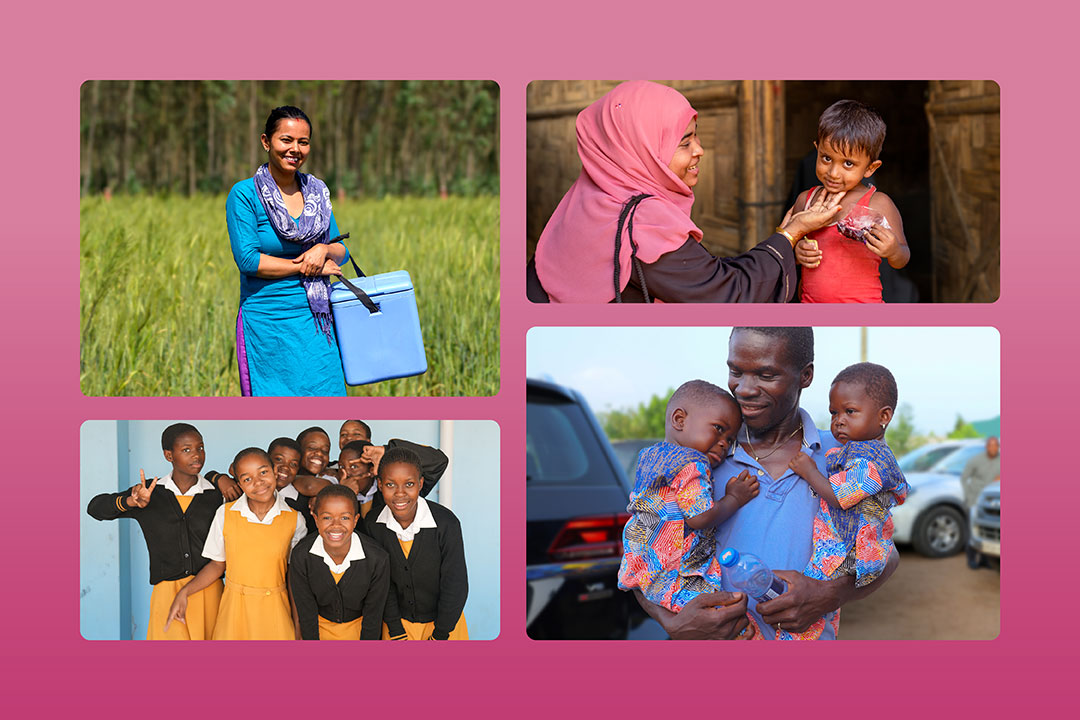
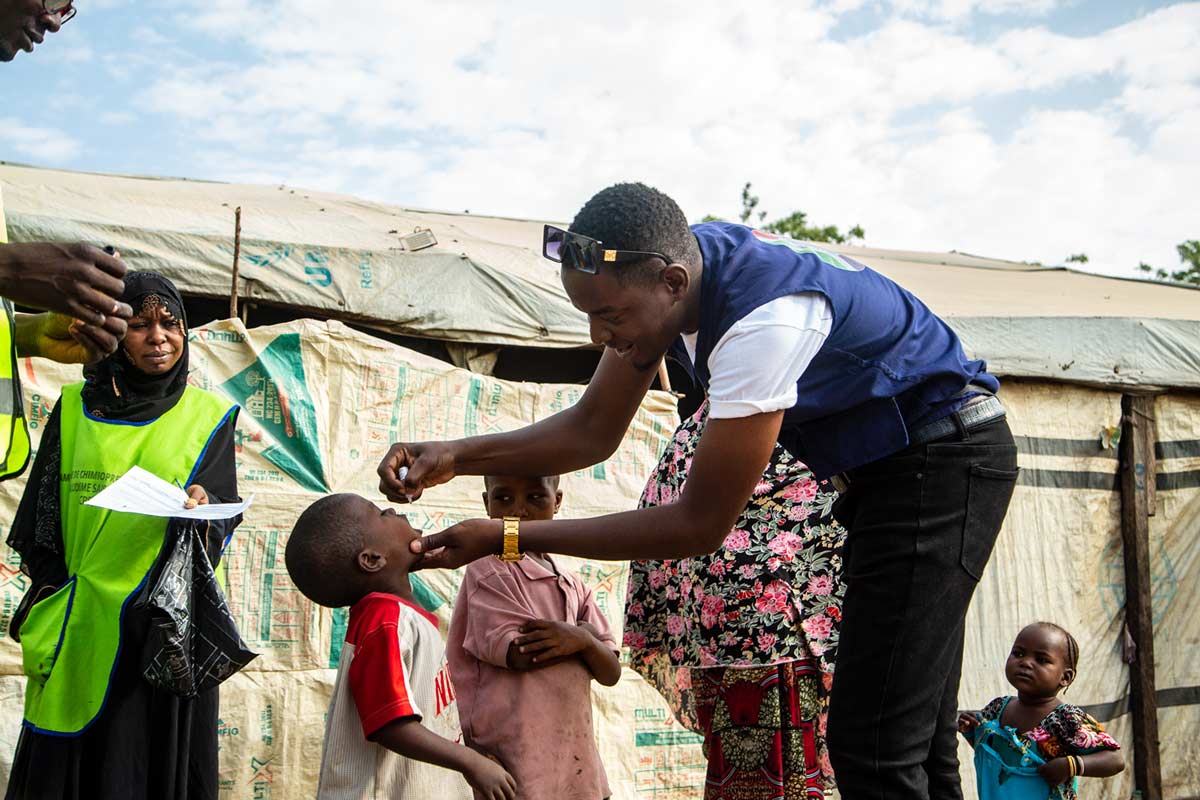
On 12 February 2026, at 07:00, Dr Mabout strapped a vaccine cooler over his shoulder and set out off for the day’s work, accompanied by three volunteers. They were bound for the Domayo internally displaced persons’ (IDP) camp in Maroua, which hosts mainly families forced from their homes by the Boko Haram insurgency, or otherwise, by flooding.
“We need to start early so before the sun gets hot we would have reached our day’s target,” he explained.
The midday heat here can be punishing, with temperatures peaking at 40°C in April. Dr Mabout knows this well, having worked in such conditions for more than four years.
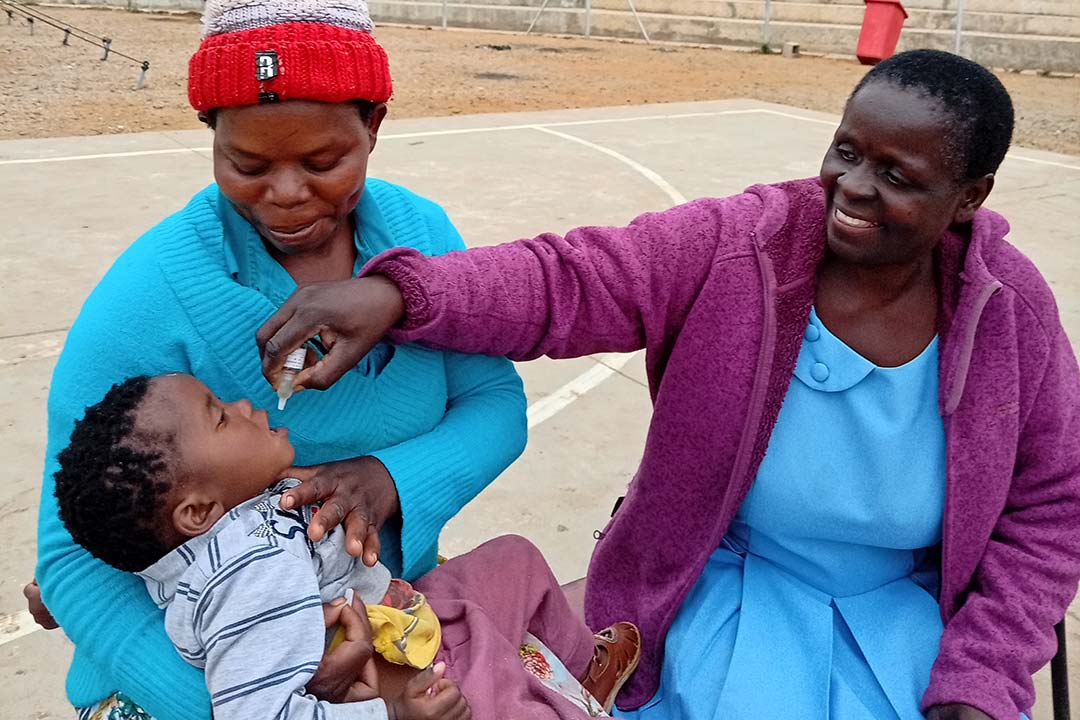
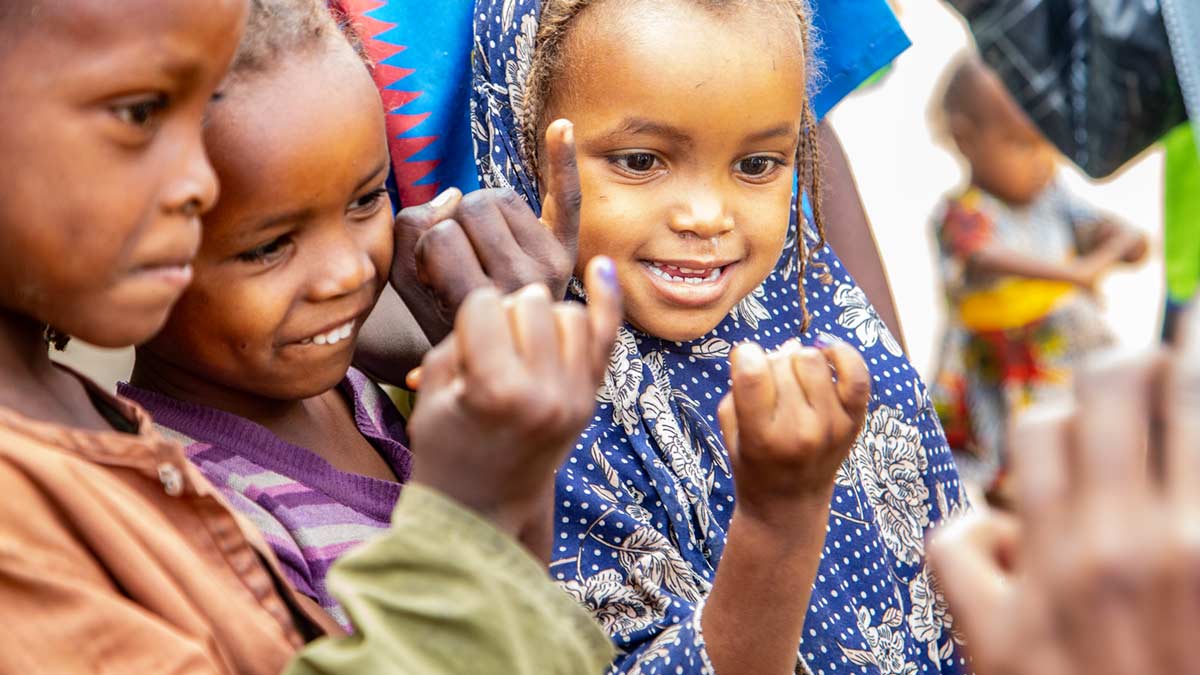
Door to door, the team moved through the camp. Older children, already at play, were vaccinated first with polio vaccine drops. Mothers brought out younger ones as the team arrived at each household.
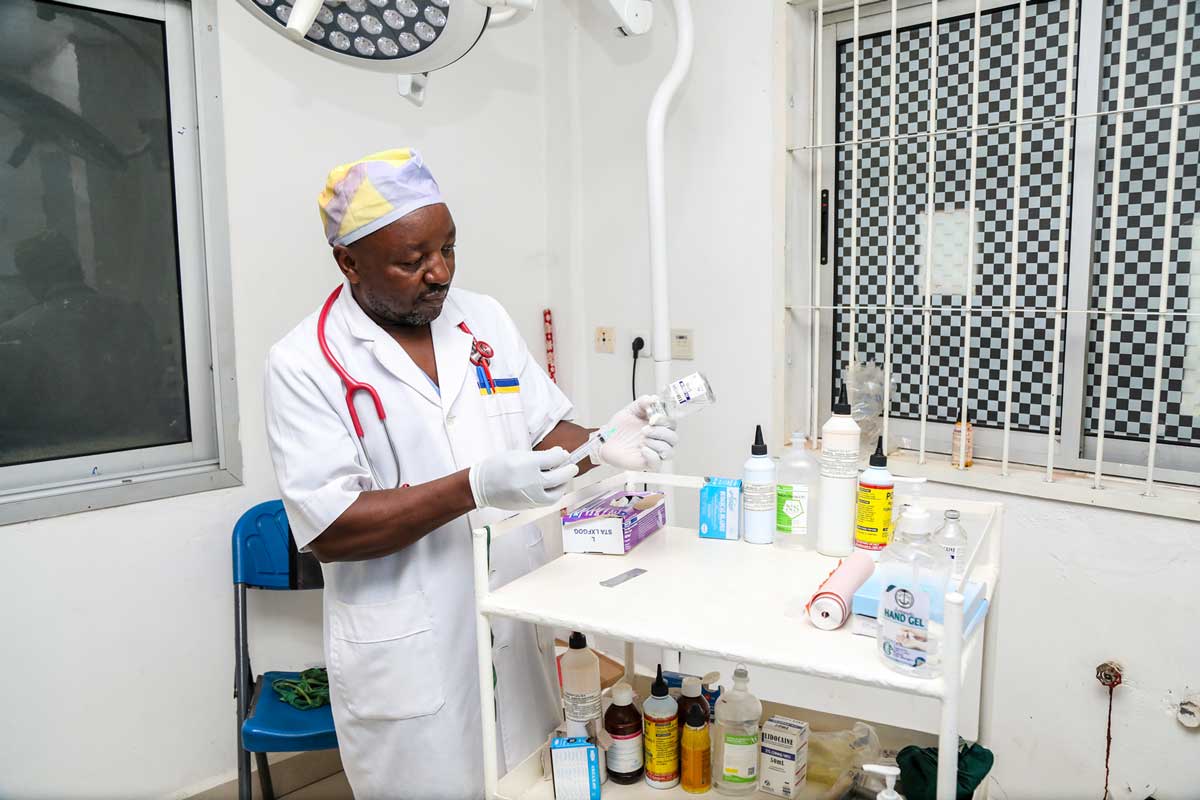
Trained as a dentist and medical doctor, Dr Mabout practices at Mokolo District Hospital. But he’s also the founder of the Association for the Fight Against Hunger and the Promotion of Health and Education (ALFA SANED).
“When I founded ALFA SANED, the goal was to offer dental and medical care to Cameroonians, especially children in remote communities,” he recalls. “But we realised we were focusing too much on curative care. To solve most health problems, we needed prevention, and vaccination was the way to go.”
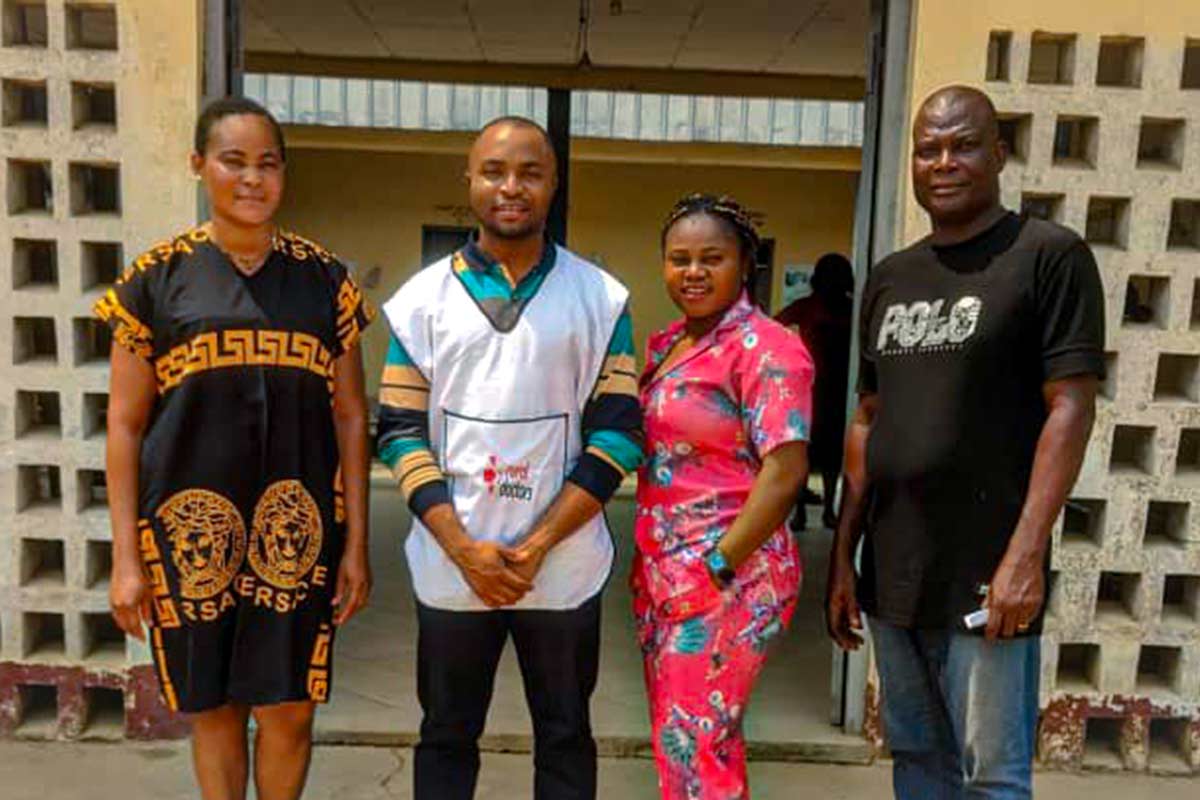
ALFA SANED brings together young professionals like nurses, dentists and general practitioners committed to humanitarian care in hard-to-reach areas, working in liaison with the government
The scale of the challenge
The Far North region has one of Cameroon’s lowest immunisation rates. The reasons for that healthcare gap are deep-rooted: insecurity, mass displacement and geographic isolation.
Those same challenges mean that the region hosts nearly 476,000 IDPs and tens of thousands of refugees from Nigeria and Chad. Constant movement, poor infrastructure, nutritional deficiencies and overstretched health systems leave families exceedingly vulnerable to outbreaks of disease. UN OCHA estimates that 2.9 million people across Cameroon require life-saving assistance, with the Far North among the hardest-hit areas.
Dr Mabout is pragmatic. “Prevention is the best way to protect vulnerable populations,” he says.
Compelled by need
When he settled in Mokolo, a hub town for a number of border and civil conflicts, Dr Mabout discovered the depth of hardship faced by displaced families.
“I never foresaw that I would work with internally displaced populations,” he admits. “But I couldn’t remain idle in the face of such glaring social disparity.”
He describes families who fled with nothing, unsure of their next meal.
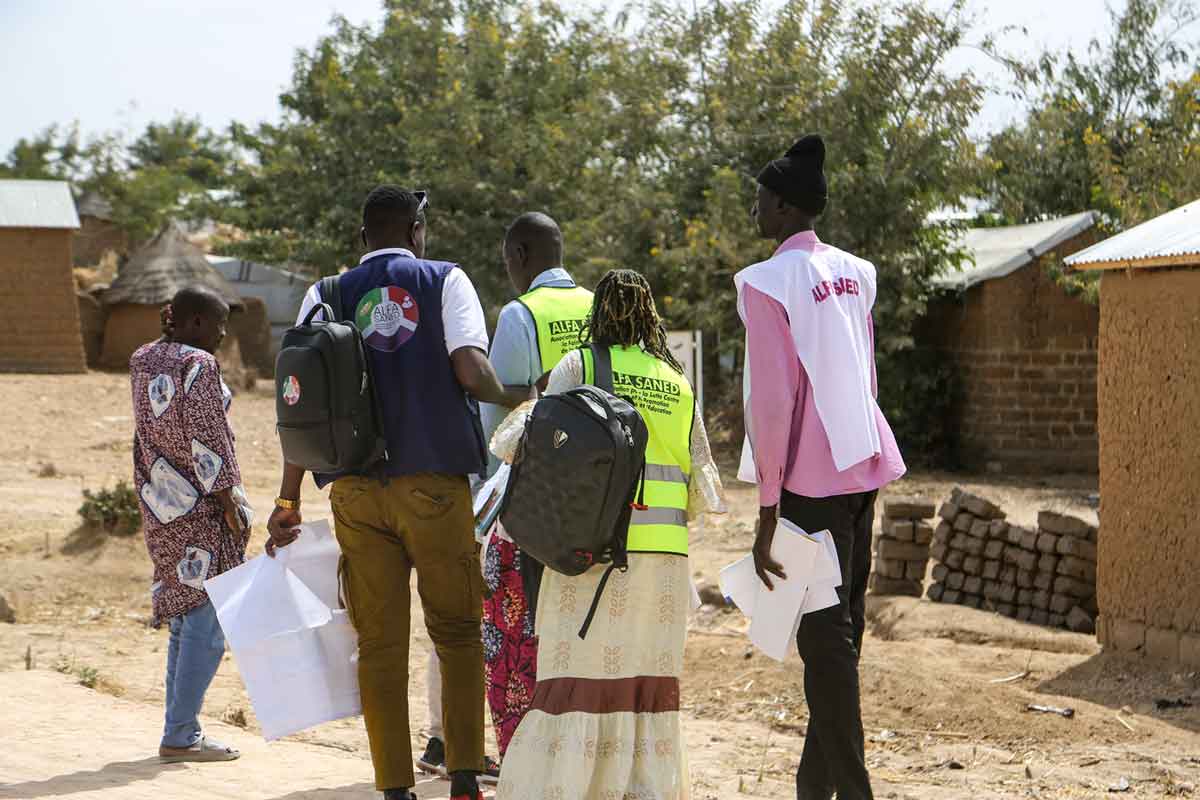
For four years, he and his team have committed themselves to community immunisation, despite daunting challenges.
“In a locality where risk factors for epidemic-prone diseases abound – poor hygiene, deplorable sanitation, floods, and low levels of knowledge – vaccination stands out as a major preventive shield,” he emphasises.
Fleeing from peril, not from vulnerability
Ldouma Odette, a mother of two, still remembers the day she left home. “We left everything behind. It was all survival. We trekked for a long time from Mozoua in the Koza Subdivision of Mayo-Tsana Division before finally reaching Zamai IDP Camp.”
A measure of safety came with displacement, but life in the camp is filled with new challenges.
Without money, medical care is out of reach. Meals are uncertain, and her children can no longer attend school. “With no source of livelihood, I can’t afford to pay my children’s school fees like before,” she says.
For Odette, the most urgent needs are clear: food aid, access to healthcare and clean toilet facilities. “More often than not, we face cholera outbreaks and waterborne diseases because of the lack of clean water and proper sanitation,” she explains.
Her story serves as a poignant reminder that for displaced families, mere survival is not enough.
Obstacles on the ground
Vaccines can help underwrite a fragile future, but the challenges to delivering them are many, says Dr Mabout, and lists them:
“Mobility: reaching most enclaves is an uphill task. You brave bad or non-existent roads under scorching heat to reach displaced populations.
“Finances: most outreach activities rely on self-mobilised funds, often insufficient to meet overwhelming needs.
“Cultural barriers: some communities believe vaccine-preventable diseases stem from witchcraft. Traditional practices encourage home births far from health facilities, leaving newborns without vital information or routine immunisation.
“Displacement itself: families moving from one locality to another often miss vaccinations.”
But despite these obstacles, Dr Mabout remains resolute.
Building trust via community leaders
To overcome community resistance, ALFA SANED works with village chiefs and local health workers, who report the arrivals of new families and keep a record of babies born at home.
Dr Mabout explains that while misinformation from social media has little impact in these less-connected communities, harmful beliefs such as the witchcraft myths persist. “To counter these, we invest time in sensitisation and clear, accurate information,” says Dr Mabout. “We work through traditional and religious authorities, who hold deep legitimacy. Thanks to these efforts, vaccination is broadly accepted today.”
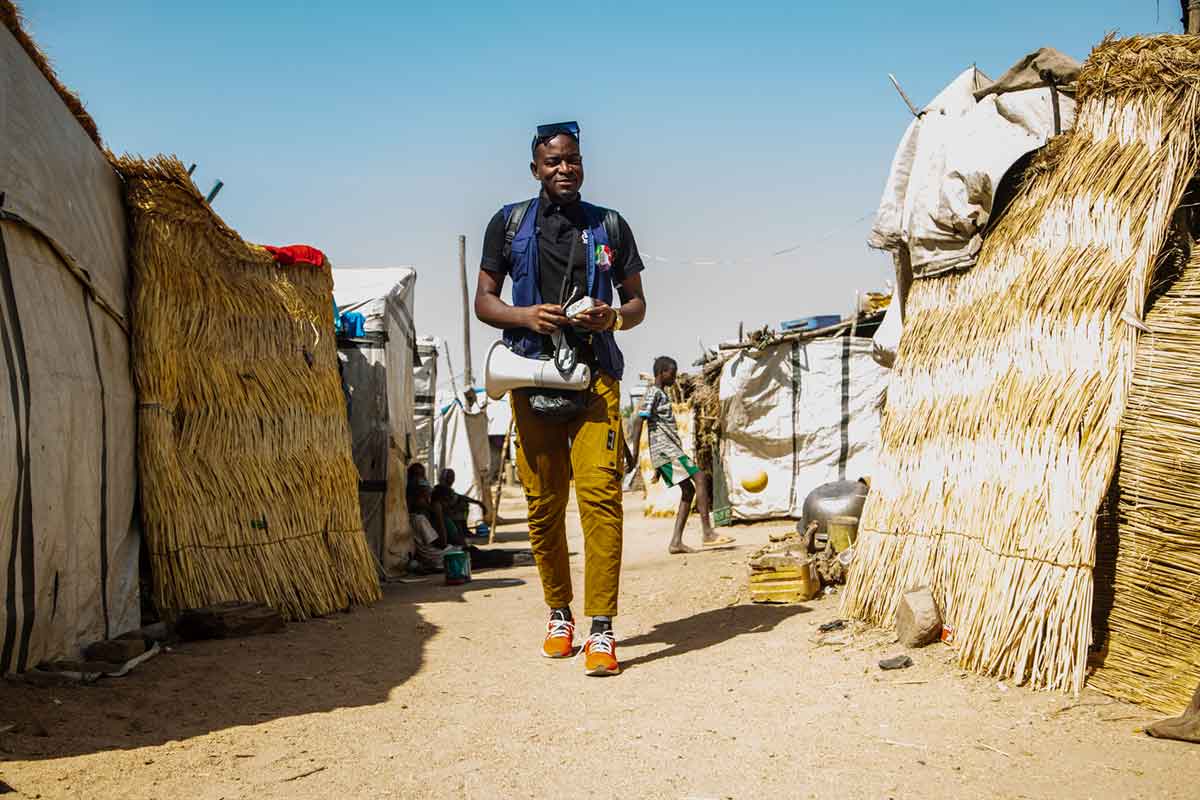
One such allied local leader is Malah Issa. After learning about vaccines during a sensitisation campaign, he became a vocal advocate in the Zamai displacement camp.
“His work has mobilised parents to bring their children forward,” Dr. Mabout notes. Issa’s rallying cry: “Vaccinate your children to prevent diseases such as poliomyelitis,” has spread across settlements.
Volunteers, too, have been inspired. Ngaibi Kotelt recalls: “Living in an isolated area where healthcare access is scarce, I was struck by his commitment. Since joining him, I’ve seen a steady rise in acceptance of routine vaccination.”
Have you read?
A call for synergy
Having worked across many, if not most, communities in the region, Dr Mabout stresses that synergy is essential.
“We need joint action that encompasses education and literacy, as well as regular intervention from security forces, without which even the most efficient health system cannot achieve effective coverage.”
He also highlights environmental challenges: “What use is a health facility in a community polluted and vulnerable to floods? Many facilities have already been destroyed by war, and countless children have lost follow-up.”
For him, teamwork across sectors – health, education, security and environment – is the only way forward.
Dr Mabout’s journey is not just about vaccines: it is about dignity, resilience and hope. By walking door to door in displacement camps, he and his team remind families that prevention is possible, even in the harshest conditions.
His story underscores a simple truth: vaccines are more than medical interventions. They are shields of protection, lifelines for children and symbols of equity in places where survival itself is uncertain.