
No power? No problem: for rural Kenyan vaccinators, a solar fridge is a ray of sunshine
Solar-powered fridges are expanding immunisation services for off-grid remote rural villages in Kenya, ensuring uninterrupted power supply of life-saving health services.
- 26 May 2026
- 6 min read
- by Joyce Chimbi
At a glance
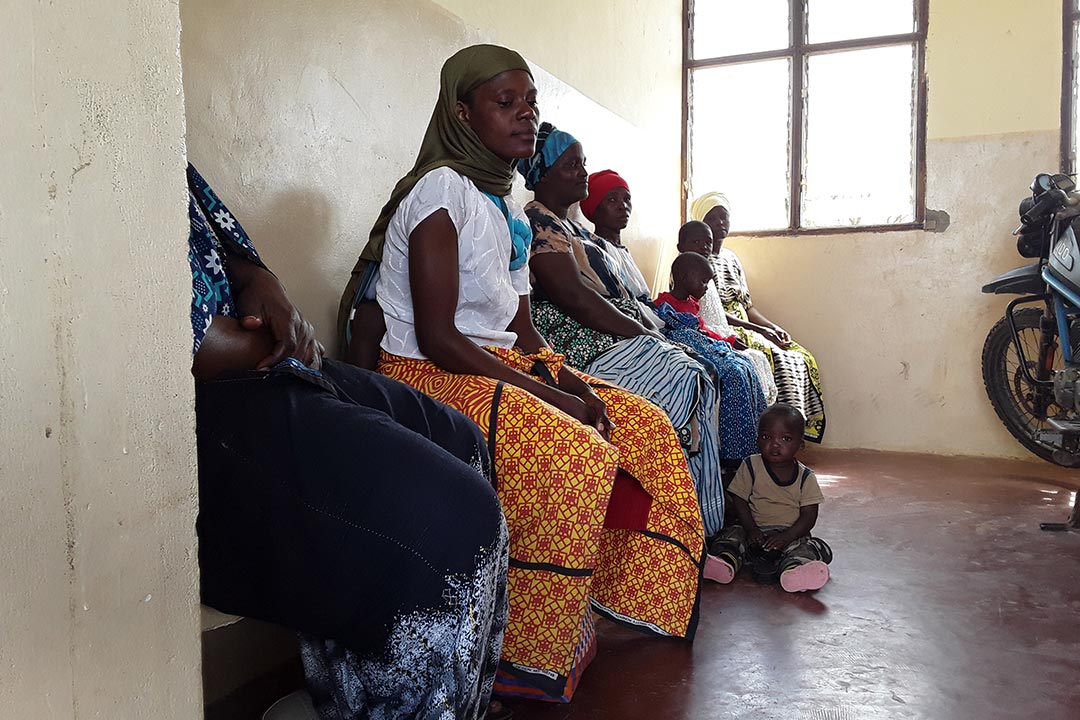
- When Yapha Dispensary opened in 2022, residents of the surrounding villages breathed a sigh of relief: at last, healthcare was in easy reach.
- But like most of the rest of Kwale County, the new health centre was not connected to the power grid. No electricity meant no fridge, and no fridge meant vaccines and other temperature-sensitive medications could not be stored on-site. Immunisation sessions were hard to organise, and took place once a week
- That changed last year, when Yapha Dispensary received a solar direct-drive (SDD) refrigerator, easy to maintain, and powered by the sun. Vaccination rates have soared, clinic staff say.
Well inland from the famous white-sand beaches of Kenya’s Kwale County lies Kinango: a vast stretch of tough, semi-arid terrain, sparsely peopled and served by a poor network of roads that become all but impassable in the rains.
That means the cost of establishing and maintaining infrastructure here is high. For the remotest villages in Kinango, healthcare is faraway and hard to get to.
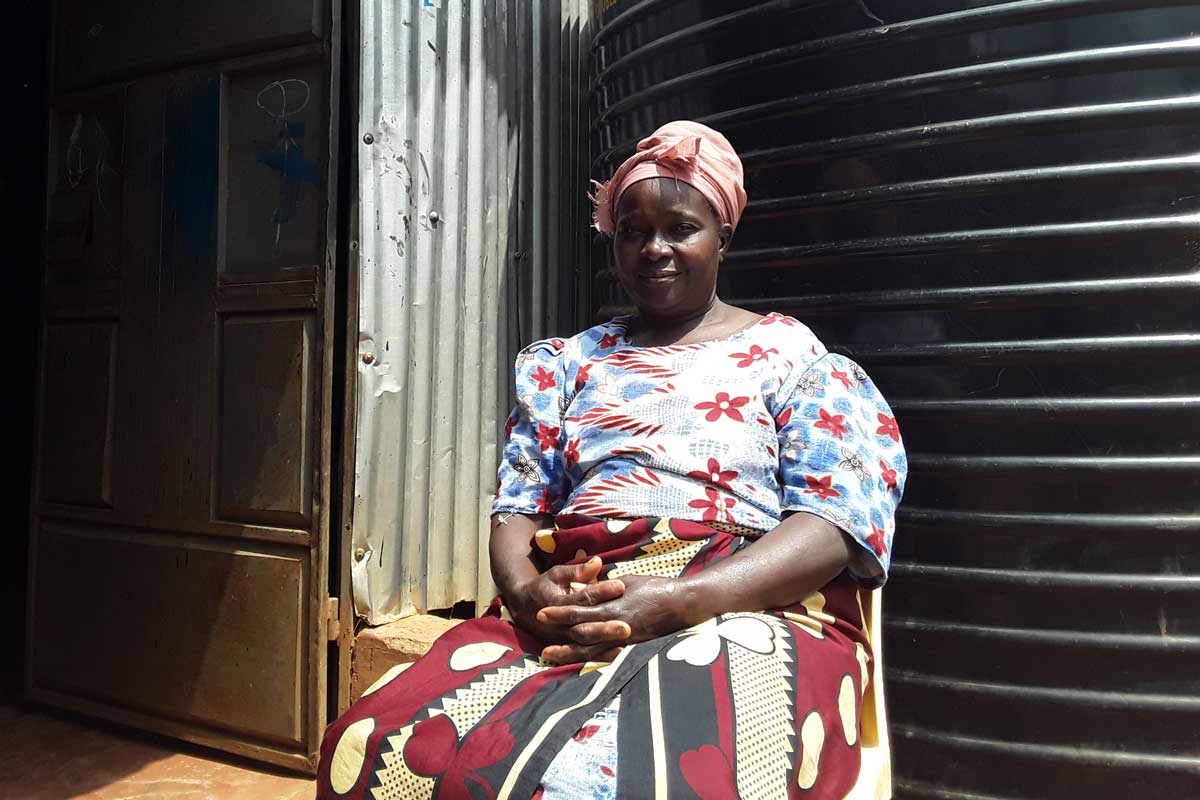
Khadija Ali, a mother of five and schoolteacher in Yapha village explains that historically, “pregnant women and mothers with young children walked for at least 10 kilometres to Kinango Sub-County Hospital in Kinango town to give birth, or receive immunisation or other child welfare services. Many chose not to.”
Just one month after the fridge was delivered, child immunisation rates doubled and continue to rise.
Boda bodas, or motorcycle taxis, are the only mode of public transport across the villages. A trip from Yapha village to Kinango town and back is about US$ 7, in a county where the majority of residents live below the UN’s international poverty line of US$ 3 a day. When Yapha Dispensary was opened in June 2022, the village breathed a collective sigh of relief.
But Yapha village is one of several in Kinango that has no electricity at all. In fact, government data shows that currently about 18.5% of rural households in Kwale County are connected to the electricity grid. Across the area, off-grid public health facilities have struggled to provide services without a cold chain to store vaccines and other medicines.
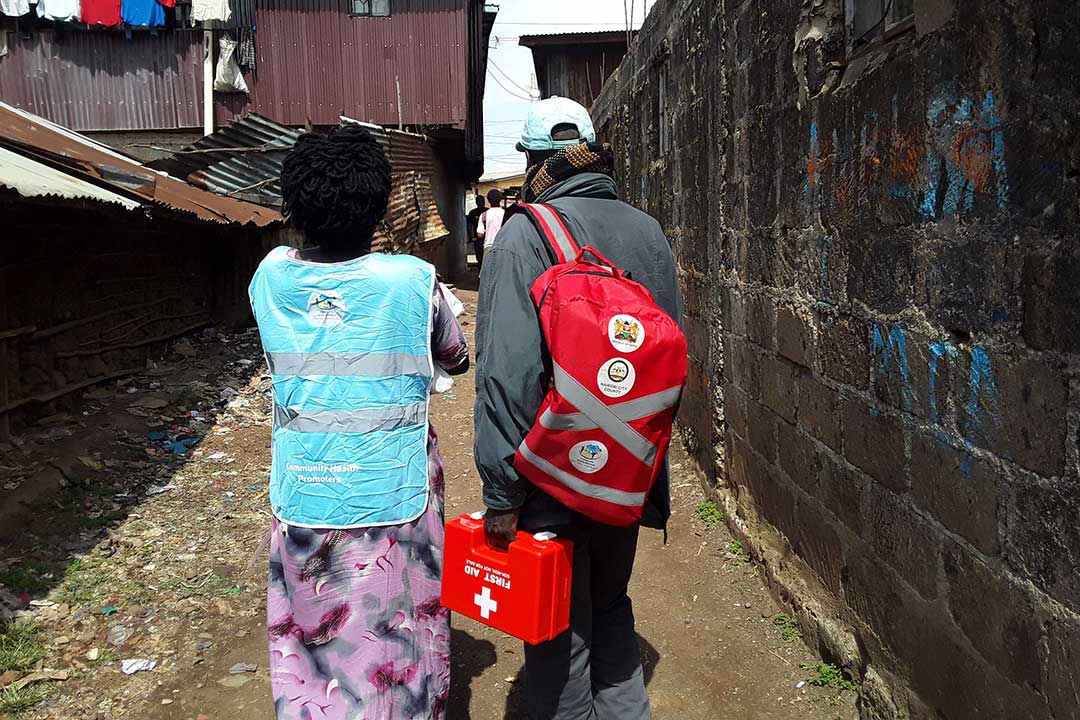
Kadzo Chitsangi, a community health promoter (CHP) in Kinango, says although the dispensary was critical, “women could still not deliver in the clinic because it did not have a fridge to store the medicine that stops too much bleeding.” She meant oxytocin, a temperature-sensitive drug that is used to halt post-partum haemorrhage, and needs to be stored, like many vaccines, at between 2–8°C. Excessive blood loss after childbirth accounts for about 40% of maternal deaths in Kenya.
The lack of refrigeration also meant that child immunisation was also not available on demand. Musa Higga, the nurse-in-charge of Yapha Dispensary and the first and only full-time staff at the facility, says that logistical constraints meant vaccination was only offered on a Wednesday.
“I would collect vaccines from Kinango KEPI [Kenya Expanded Programme on Immunization] stores within the Kinango Sub-county Hospital, 10 kilometres one way, using a vaccine carrier, and bring them to the dispensary to vaccinate children for about five hours, before returning the remaining vaccines to the store,” he explains.
Hello, sunshine
That cumbersome process stopped in May 2025, when Yapha Dispensary received a solar-powered fridge and freezer, to accommodate vaccines and medicines with heat and light sensitivities. The fridge was one of 2,000 new cold chain storage units flagged off in May 2025 by Kenya’s Ministry of Health.
Higga says it is a solar direct drive (SDD) fridge, meaning it operates without a battery, as it is directly connected to solar panels that convert sunlight into electrical energy. Its system is such that it freezes a buffer bank of water during the day to maintain cold temperatures at night when the sun is gone, and also during cloudy and rainy periods.
Have you read?
Doing without the expensive, high maintenance batteries that have to be replaced every three to five years is a boon. The fridge is also a hybrid unit, which means it can also use mains electricity.
Higga says the fridge is pleasingly low maintenance, only needing its solar panels wiped down every now and then to remove dirt and maintain maximum sunlight absorption, though he does also have a Ministry of Health checklist that guides his daily monitoring of the unit and its contents.
A designated technician is on call in case of difficulties, and an alarm will alert dispensary staff to any failures in power.
Time saved, lives saved
Fridges like this one are a key component of Kenya's Vaccination National Deployment and Vaccination Plan, playing a key role in the drive towards the country’s Universal Health Coverage and primary health care goals.
That might sound lofty, but here at Yapha Dispensary, staff have seen what one piece of well-designed equipment can do. [Nurse Musa] Higga says just one month after the fridge was delivered, child immunisation rates doubled and continue to rise.
Yapha Dispensary has a catchment population of 2,700 spread across five villages. Rehema Mwamunga, a young mother and resident of Yapha, and Ali the schoolteacher both say immunisation is now a quick-turnaround task, as Yapha Dispensary is close by and ready to offer services on-demand.
They say even though some mothers from further-away villages still travel longer distances, they concede that a distance of between one and five kilometres is a huge improvement on the more than ten-kilometre walk to Kinango Sub-County Hospital.
Meanwhile, Higga says the fridge has reduced his workload, freeing him to spend more time providing other health services.
“The fridge has reduced paperwork. Before, I would record vaccines collected from the store and doses returned every Wednesday, in addition to filling out the facility’s vaccination record, and all the other preparation that goes with immunising using a vaccine carrier. Today, I collect vaccines from the store once a month,” he explains.
Ripples
Yapha Dispensary also provides support to surrounding facilities such as Sembe Dispensary, roughly 10 km away, and Kibandaongo dispensary, some 15 km away. Nurses at the two dispensaries collect their vaccines at KEPI stores, for intermediate storage at Yapha.
Higga says the fridge can accommodate a large number of vaccines and proved crucial during the nationwide launch of the typhoid conjugate vaccine in July 2025, as the two teams spread across Yapha, Sembe and Kibandaongo drew their supplies from the fridge.
Kombo Mwagomba, a planning officer in Kwale county government, says the sharing arrangement is only temporary, as all health facilities without electricity and fridge have been mapped and included in the ongoing county rehabilitation and electricity connection development projects.
Although the Kenyan government officially established the Rural Electrification Programme in 1973 to connect all households with electricity, and further established the Rural Electrification Authority in 2006 to accelerate the pace, in 2026, an estimated 25% of the overall national population still lack access to electricity.
Whereas residential energy access increased from 52% to 70% between 2016 and 2019, energy access at government-operated health facilities only grew by 1% – from 69% to 70% – in the five-year period 2016 to 2021. Previous government audits showed nearly 20% of health facilities across the country lacked any cold chain equipment.
A government 2016 audit showed that approximately 81% of facilities with a cold chain did not meet performance and safety standards prompting a nationwide upgrade with support from Gavi and UNICEF. The first phase, in April 2024, delivered 2,061 storage units to health facilities countrywide.