
Could your night-time cough help predict the next wave of flu or COVID-19?
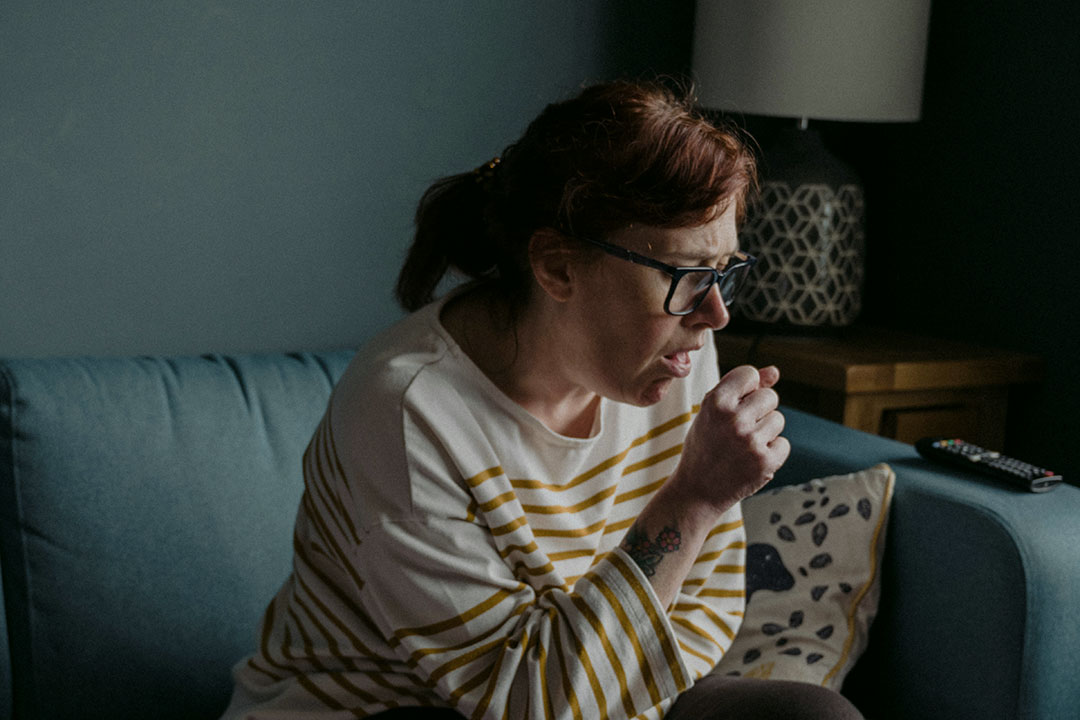
Coughs detected by a sleep app closely tracked respiratory illness in England and showed signs of rising ahead of flu and COVID-19, a study found.
- 4 September 2026
- 4 min read
- by Linda Geddes
At a glance
- Researchers analysed three years of night-time cough data collected through a smartphone app that used the phone’s microphone and AI software to analyse people’s night-time sounds
- They found that increases in coughing closely tracked levels of respiratory illness. Coughing also appeared to increase around one week before a rise in cases of influenza and COVID-19.
- The findings suggest that passively collected digital health data could complement existing surveillance systems, potentially providing an earlier signal of rising respiratory illness.
Cough data collected via a sleep app could give health planners early warning of rising rates of flu, COVID-19 or other respiratory illnesses, data suggests.
A pilot study conducted by the UK Health Security Agency (UKHSA) and AI sleep technology company Sleep Cycle found that increases in coughing closely tracked levels of respiratory illness reported through England’s non-emergency medical advice service, NHS 111, providing a robust and regionally consistent indicator of illness in the community.
Coughing also increased ahead of documented cases of influenza and COVID-19, which rose approximately one week later.
“These findings suggest that combining established surveillance approaches with novel digital health signals could contribute to an earlier, richer and more resilient understanding of population respiratory health,” said Professor Steven Riley, Chief Data Officer at UKHSA.
How could sleep apps aid public health surveillance?
Traditional health surveillance systems often rely on people actively seeking medical care, but whether and when they do so can be influenced by awareness of symptoms, access to healthcare, and demographic and socioeconomic factors.
Surveillance data may also be delayed by the time it takes for samples to be processed by laboratories and cases reported.
Digital health tools, such as smartphone apps and wearables could complement and expand existing surveillance by continuously collecting information about people’s symptoms and behaviour on a large scale, without requiring them to actively report it.
Have you read?
The new study focused on a smartphone app called Sleep Cycle, which uses the phone’s microphone and AI software to analyse sounds during the night and help people better understand their sleep. This includes automatically detecting and counting coughs.
Users can also opt in to sharing their anonymised and aggregated data with researchers and public authorities.
How do night-time coughs track respiratory illness?
Researchers led by Tommy Irons at UKHSA analysed three years of data from Sleep Cycle users in England, including the number of coughs recorded, coughs per user and coughs per hour of sleep.
They compared this with established measures of respiratory illness, including calls to NHS 111 about respiratory symptoms, the proportion of PCR tests testing positive for influenza or COVID-19, and hospital admission rates for flu, COVID-19 and respiratory syncytial virus (RSV).
The research, which was published as a preprint, found that coughing recorded by the app closely tracked NHS 111 reports of respiratory illness across England. It also appeared to rise about one week before reported increases in flu and COVID-19.
What are the implications for public health?
While cough data is unlikely to replace existing surveillance systems, the study’s authors said it could provide health officials with an independent, continuously updated picture of respiratory illness that does not depend on people seeking healthcare.
“No single surveillance system provides a complete picture of respiratory disease activity, but this shows that passive nocturnal cough monitoring can complement other surveillance systems to provide a timely population-level signal of upcoming disease trends, without being affected by healthcare-seeking behaviour, laboratory turnaround times, backfilling and reporting delays,” Riley said.
“In addition, the near-real-time availability of the cough data, with a reporting lag of less than one day, compares favourably with existing UKHSA sources, which exhibit a normal reporting lag of several days,” the authors wrote.
This could potentially allow health officials to spot or confirm increases in respiratory illness sooner than with some existing surveillance data.
More broadly, the study demonstrates the potential utility of passively generated smartphone data for public health surveillance.
“It shows that consumer-generated health data can be transformed into epidemiologically meaningful surveillance signals using rigorous scientific methods while maintaining strong privacy protections,” said Dr Emil Carlsson, a research scientist at Sleep Cycle and study co-author.
More from Linda Geddes