
Crossing rivers to fight malaria
Grassroots turning the tide against vaccine hesitancy in rural Lilongwe.
- 16 January 2026
- 5 min read
- by UNICEF Malawi
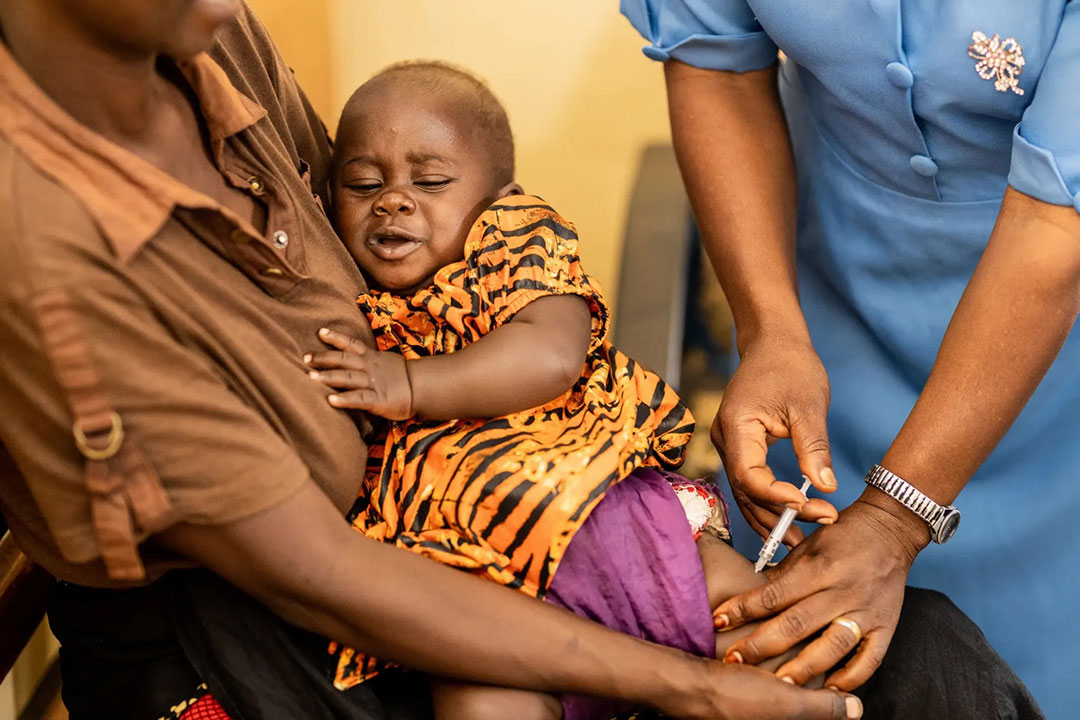
As the sun lifts gently over Chileka Health Centre at Namitete, west of Lilongwe, women begin to gather at the health facility. Some carry infants tightly wrapped against their backs; others steady toddlers gripping their hands.
They sit patiently on wooden benches, sharing soft conversations and knowing glances. For many, this early-morning routine is no longer just a hospital visit. It is a deliberate act of care.
In one corner of the facility, the cry of a newborn breaks the stillness - a reminder that life here is both fragile and fiercely safeguarded.
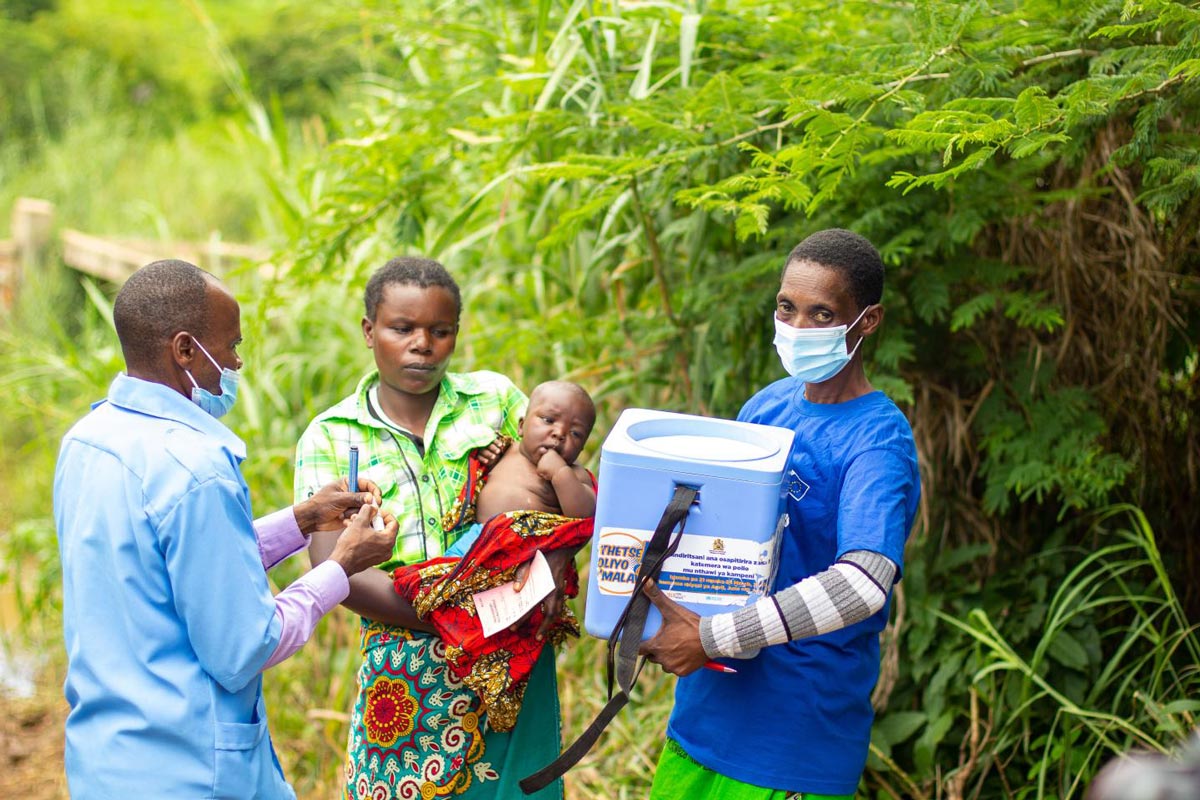
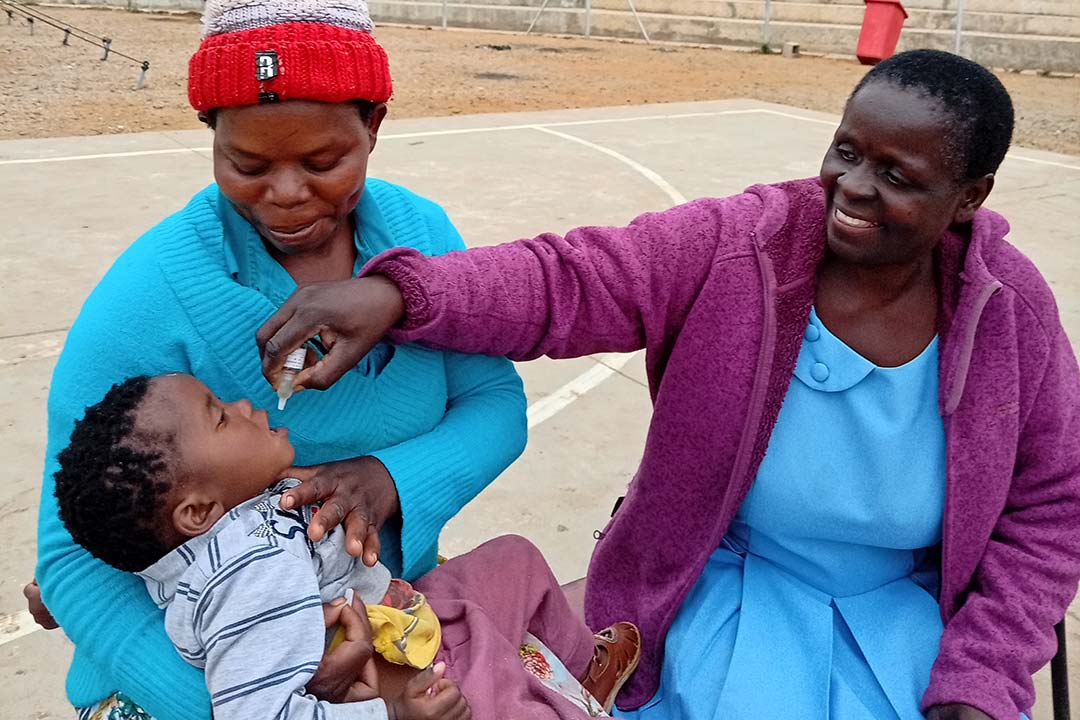
Among the waiting women is Audeta Phiri, a 38-year-old mother holding her seven-month-old baby Aureen. Her expression reflects both relief and resolve. Today, her child is receiving the malaria vaccine.
“I personally decided to bring my child for vaccination because I believe this is the only way to protect her from malaria,” Audeta says, smiling softly.
Her decision has not been without obstacles. Audeta walks nearly four kilometres to reach the health centre, crossing a river along the way. In her community, myths and misconceptions persist, some claiming that vaccinated children may fail to conceive later in life, others rooted in religious fears.
But Audeta is unmoved. “It is very important for a child to receive the malaria vaccine,” she says. “I urge fellow mothers to ignore myths and focus on their children’s wellbeing.”
Her husband, she adds, fully supports her decision.

Malaria remains one of the world’s deadliest diseases, claiming millions of lives — especially young children. Spread by mosquitoes, it continues to strike Africa the hardest. In 2024, the region accounted for 95 percent of global malaria cases and deaths, with children under five making up three‑quarters of those who died, according to the World Health Organization (WHO).
Have you read?
Against this backdrop, Malawi began piloting the malaria vaccine in 2019 in selected health facilities in 11 districts, and later expanded the rollout to all health facilities in those districts in 2022.
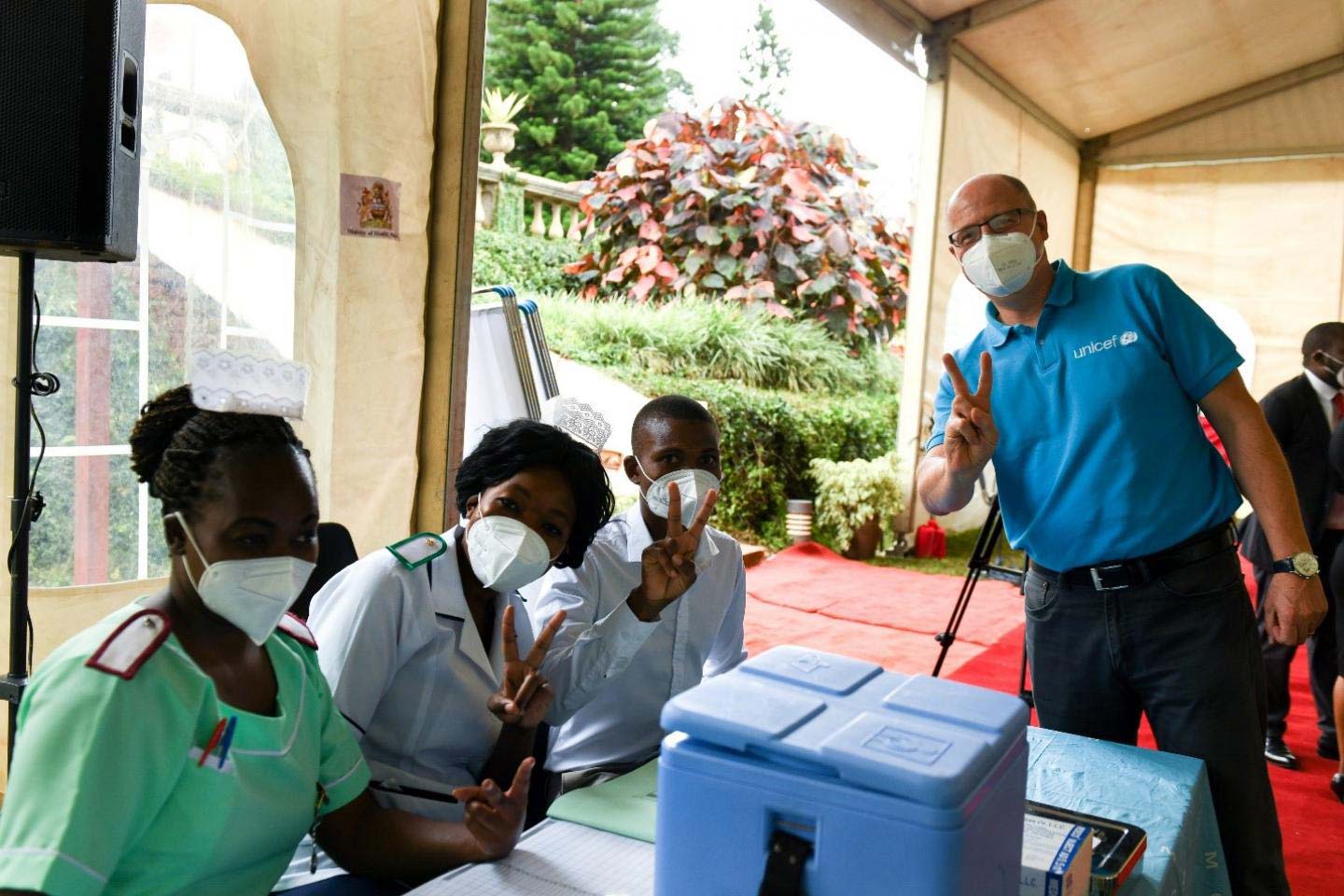
The Ministry of Health — with support from UNICEF, funding from the German Government, and in collaboration with WHO, PATH and Gavi, the Vaccine Alliance — has rolled out the vaccine across 11 malaria‑implementation districts, including Lilongwe.
The intervention integrates the malaria vaccine into routine immunisation platforms, strengthens service delivery and invests heavily in training health workers and mobilising communities.

At Chileka Health Centre, the results are encouraging.
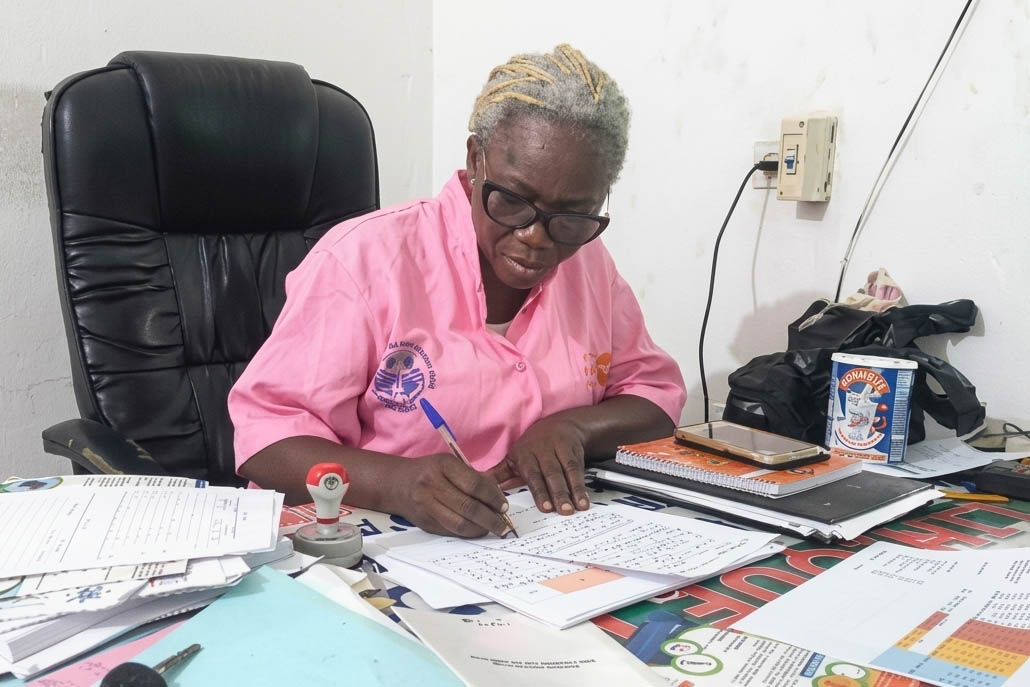
Madalitso Chidewa, Senior Health Surveillance Assistant (HSA) at the facility, says vaccine uptake has steadily improved.
“In 2025 alone, we vaccinated 3,061 children, surpassing our initial target,” Chidewa says. “This shows that people are realising the significance of the malaria vaccine.”
However, challenges remain. “Myths and misconceptions are still delaying some parents,” he explains.
To counter this, the facility works with traditional leaders, community volunteers and early childhood development (ECD) centres, which have all received UNICEF‑supported training, to dispel rumours and build trust in the vaccine.
Chileka Health Centre serves 58,180 people across 147 villages, making community engagement essential.
At Heaven Nursery School in Group Village Head Dzudzula, caregiver Doreen Godson Zakaria, 44, says the impact of the malaria vaccine is already visible.
“I have noticed reduced absenteeism among children,” she says. “Children are coming to school more regularly because they are healthy.”
Zakaria credits this change to targeted training sessions provided to caregivers, which equipped them with accurate information about the vaccine to share with parents.

“Before, parents were reluctant,” she recalls. “But now, there is a positive change.”
At Ufulu childcare centre, caregiver Patricia Chikadza Mtanga echoes the same experience.
“Some parents refuse because of religious beliefs,” she says. “But because we are trained, we help them understand how the vaccine works and why it matters.”
Beyond schools, community volunteers have become a vital bridge between health facilities and households.
Beatrice Makala, a trained volunteer, says the knowledge she received has transformed her work.
“We were trained by health officials and told exactly what to do,” Makala explains. “Before delivering messages, we inform the chief, then we go door to door.”
Resistance, she admits, is common at first.
“Some complain,” she says. “But after encouragement and explanation, many agree.”
The Lilongwe District Health Office acknowledges that vaccine uptake initially declined after Malawi introduced the malaria vaccine in 2019. With support from UNICEF, the district identified gaps in vaccine management and invested in training community health workers, traditional leaders, volunteers and ECD caregivers.
“We trained teachers to talk to parents about the benefits of vaccines and nutrition,” says the district’s Extended Programme on Immunization (EPI) Coordinator MacLean Nkhoma. “Looking at the turnout now, we believe uptake will increase further this year.”
Yet constraints persist. Storage capacity remains a challenge as refrigerators have limited volume. Nkhoma also notes the need for continuous training, given staff turnover and the importance of regularly engaging traditional leaders.
Back at Chileka Health Centre, the morning queue thins as mothers leave—some with infants asleep on their backs, others with vaccination cards carefully folded in their hands.
The fight against malaria here is not loud or dramatic. It unfolds in early-morning walks, in classrooms and village meetings, in patient explanations and quiet decisions.
And with every vaccinated child, a centuries-old disease loses a little more ground.
More from UNICEF Malawi