
Finding Joshua: the hidden children immunisation campaigns must reach
In Busia County, one family’s story shows how stigma, disability and missed vaccines can leave children unprotected – and why catch-up campaigns must find every child.
- 26 August 2026
- 6 min read
- by PATH
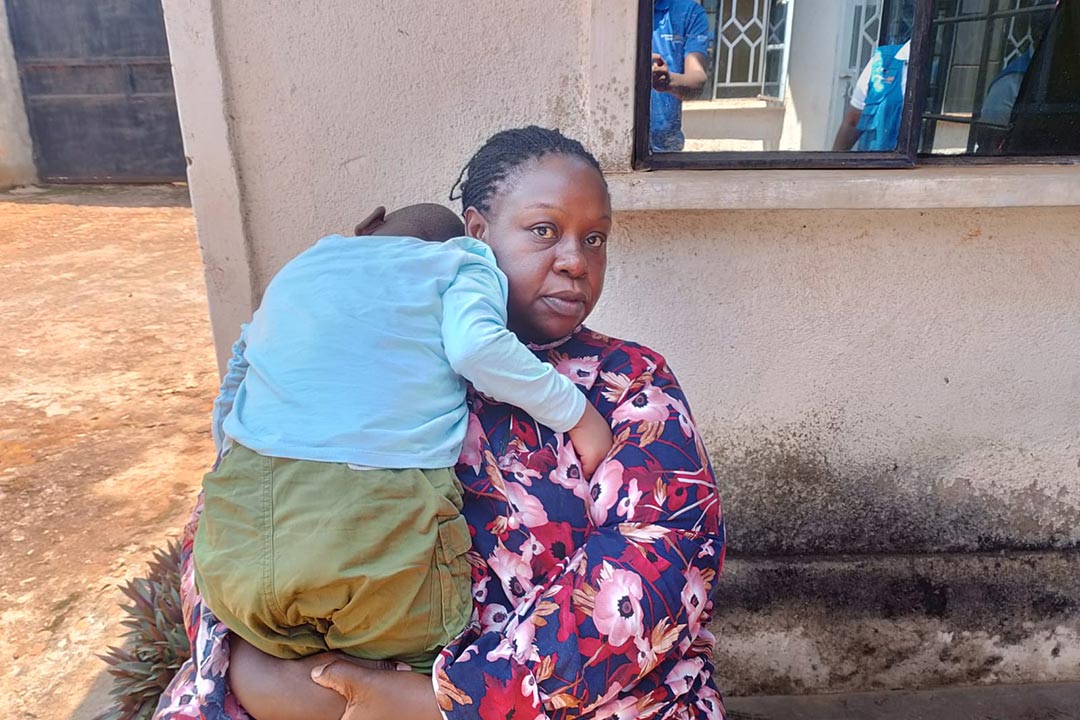
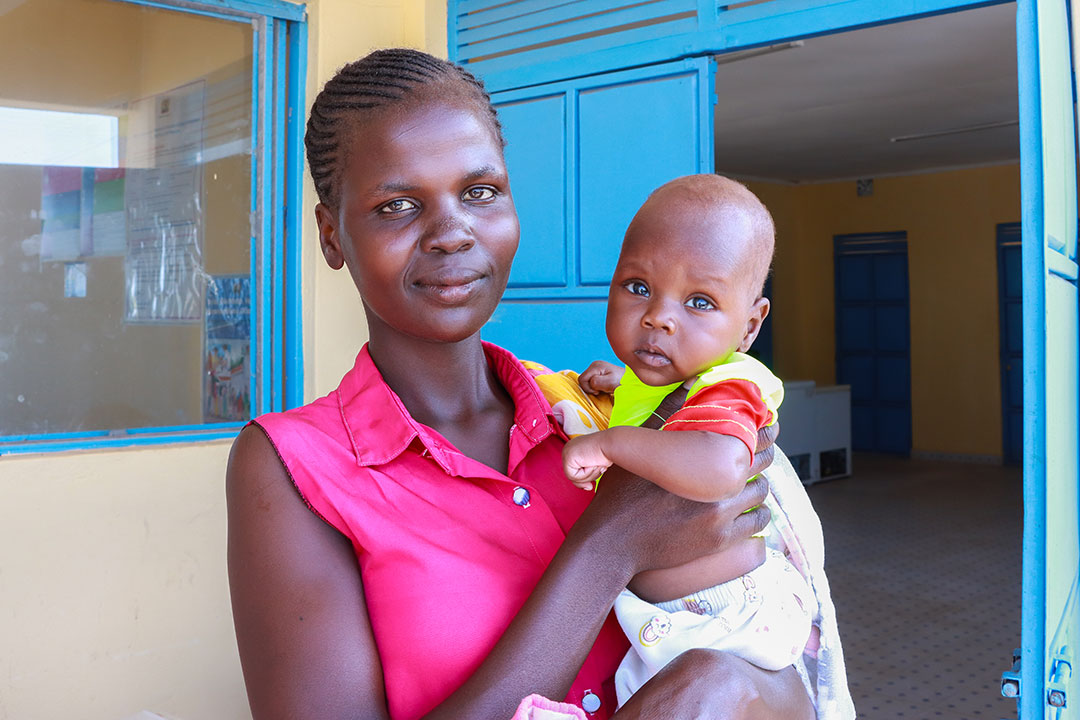
For most of his childhood, five-year-old Joshua lived behind closed doors in Busia County, Kenya. Not because he was unloved, but because his family was carrying a burden many caregivers of children with disabilities know too well: stigma, shame and fear of public judgement.
Long before that isolation, Joshua’s arrival had been met with excitement.
When Agnes announced that she was expecting another child, her two older children, Smith, now 18, and his 17-year-old sister Judy, each imagined the new baby as a playmate, a companion and a younger sibling they would help care for. Smith hoped for a brother. His sister hoped for a girl. In their own ways, they were already making room in their lives for the baby who would soon join the family.
Joshua was born prematurely, fragile but deeply loved. At first, the family believed that with time he would grow stronger and live like other children. But as the months passed, it became clear that Joshua’s journey would be different. He was later diagnosed with cerebral palsy, a condition that affected his movement and development.
For Agnes, Joshua’s diagnosis brought not only concern for his health, but also fear and isolation. In her community, disability was not always understood with compassion. It was often surrounded by silence, superstition, blame and stigma. The weight of that stigma became so heavy that Agnes chose to keep Joshua indoors for most of his childhood. The same stigma that kept Joshua hidden also kept him away from life-saving childhood vaccines.
Even within her own household, the prejudice was unrelenting. The house staff who had helped raise Joshua would look at him and say: “I’d rather be raising normal children.” Those words cut deeply, reinforcing the silence and shame that already surrounded Agnes and her son.
Yet despite the cruelty, Agnes never stopped believing in Joshua’s worth. She held on to the hope that one day he would be seen not for his disability, but for his humanity.
By the time Joshua was reached with immunisation services, he had missed several important vaccines, including the inactivated poliovirus vaccine (IPV), the second measles-rubella dose (MR2), and the third and fourth doses of the malaria vaccine. Each missed dose left him vulnerable to vaccine-preventable diseases in addition to the significant health and social challenges he was already facing.
Agnes recalled how even the simple act of seeking transport to the health facility could become painful. She often relied on motorcycle drivers known as boda boda riders for transportation, but some mocked her because of her son’s condition.
Have you read?
“Sometimes I would hear the things people said about me and my child, and I felt ashamed to go out,” Agnes said. “It became easier to keep him in the house than to face people who did not understand his condition.”
Yet in the middle of the fear and isolation, Joshua had a quiet champion: his elder brother, Smith.
Whenever Smith came home for school holidays, he took it upon himself to take Joshua to hospital. To him, immunisation was part of protecting his younger brother’s health and giving him a better chance at life. He believed Joshua deserved the same protection as any other child.
“I believed it was important for Joshua’s health to be immunised,” Smith said.
Children with special needs have the same right to protection as every other child, but can be easily missed in immunisation outreach campaigns. These children are often kept indoors, out of sight and outside the reach of immunisation services, and caregivers may avoid bringing them to the health facility due to stigma.
Joshua’s case came to light during a recent immunisation outreach campaign supported by Gavi, the Vaccine Alliance, and implemented under the leadership of the National Vaccines and Immunisation Program (NVIP), in collaboration with PATH and the County Government of Busia.
Led by Busia County Expanded Programme on Immunization (EPI) Manager Juliet Kilima, health teams and community structures moved beyond the health facility and went the extra mile to look for missed children living in remote areas, urban informal settlements, conflict-affected settings and other hard-to-reach communities. These dedicated efforts turned Joshua from a hidden child to a child who is seen, counted and connected to immunisation services.
Joshua’s story highlights that zero-dose and under-immunised children can be in our backyards, facing barriers that are harder to see. That is why immunisation programmes must go beyond waiting for caregivers to arrive at clinics, and instead actively look for every child.
For many years, PATH has partnered with governments, health workers and communities to ensure immunisation services reach children who are often overlooked by traditional health systems. Through support for immunisation campaigns, zero-dose identification initiatives, community engagement, data-driven planning and targeted outreach, PATH has helped strengthen efforts to find and vaccinate hard-to-reach communities. This work is grounded in the belief that every child deserves an equal opportunity to benefit from life-saving vaccines, regardless of their location, socioeconomic circumstances, or disability status.
Joshua’s story is a reminder that equity is not achieved by making vaccines available only to those who can easily reach them. It is achieved when systems are willing to search for the child who has been hidden, listen to the caregiver who has been judged and bring protection closer to the families who need it most.
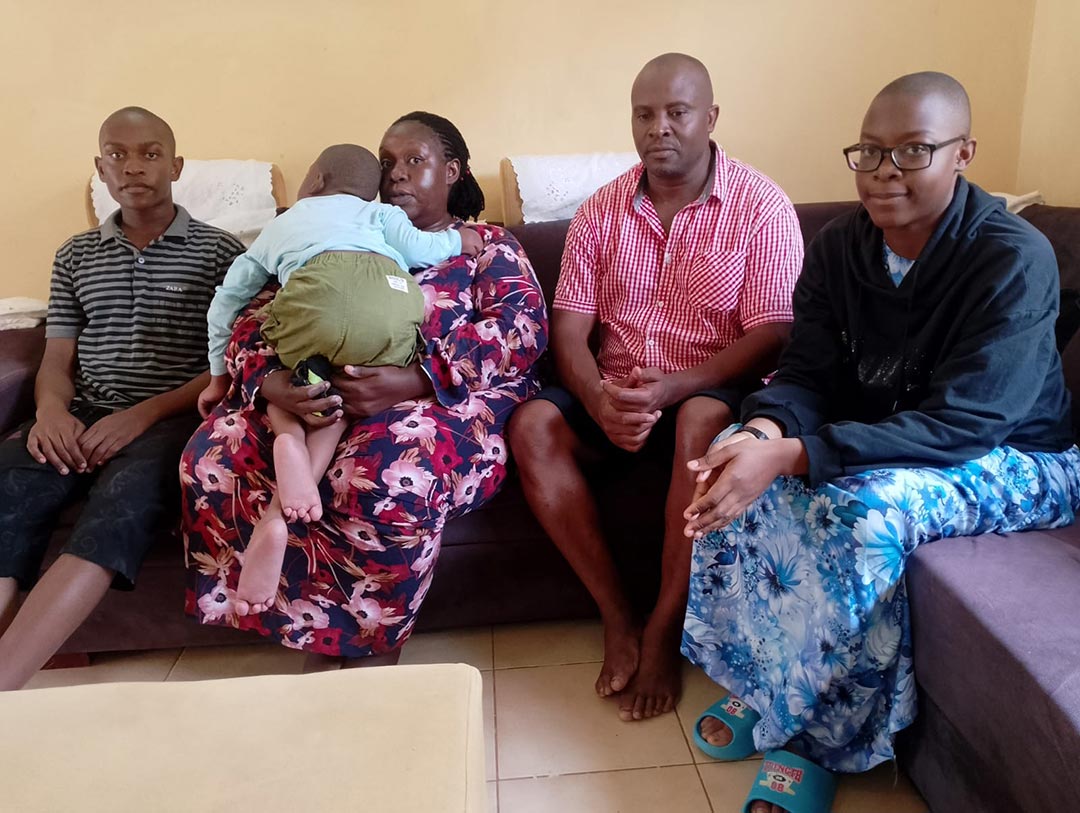
Credit: PATH/Peter Abwao
“Unfortunately, some caregivers of children with special needs still believe that these children do not need to be vaccinated,” said Christine Miano , Advocacy, Communication and Social Mobilisation Lead at the National Vaccines and Immunisation Programme. “Every caregiver and every community has a role to play in supporting these children to receive their vaccines and be protected like any other child.”
Since meeting Kilima and her team of vaccinators, Agnes says she has become more confident about seeking immunisation services for Joshua. With psychosocial support from the Busia County team, she has promised to ensure that Joshua catches up with all missed vaccines despite the delays.
“Take the child for his vaccination,” Agnes said, in a message to other mothers in similar situations. “He has a right to protection, just like any other child.”
For Agnes, the journey has been painful, but it has also begun to change. For Smith, it has been an act of love and responsibility. For health workers in Busia, Joshua is a reminder that the work of immunisation is not complete until children hidden behind closed doors are also reached.
Because for vaccines to work for every child, immunisation programmes must be able to find every child – including Joshua.
More from PATH
Recommended for you