
How vaccines – and yoghurt – could reduce colonisation with antibiotic-resistant bugs
A new study suggests that routine immunisation with the pneumococcal conjugate vaccine (PCV13) may help reduce the carriage of antibiotic-resistant gut bacteria.
- 1 December 2025
- 5 min read
- by Linda Geddes
Vaccines already save millions of lives, but a new study suggests they may also help slow the rise of antibiotic resistance by reducing opportunities for drug-resistant bacteria to spread.
Antimicrobial resistance (AMR) is often seen as a looming global threat, but its effects are already being felt. In 2019 alone, drug-resistant infections contributed to an estimated 4.95 million deaths worldwide.
While new antibiotics are urgently needed, vaccination is emerging as an important tool for slowing resistance. By preventing infections, vaccines reduce the need for antibiotics, limiting opportunities for bacteria to evolve ways to evade them.
Previous research has illustrated the potential impact that vaccination could have on antimicrobial resistance.
After the pneumococcal conjugate vaccine (PCV7) was introduced in the US in 2000, invasive disease caused by vaccine-targeted drug-resistant strains of Streptococcus pneumoniae fell by 84% in children under two. Older adults, who were not vaccinated, also saw a 49% drop in invasive disease, thanks to herd immunity.
Yet antibiotic resistance isn’t driven by antibiotic use alone.
Studies in Guatemala have shown that children living in less hygienic conditions – regardless of whether they have taken antibiotics – are more likely to carry drug-resistant gut bacteria such as E. coli.
A separate study in the country’s Western Highlands found that nearly half of participants carried extended-spectrum cephalosporin-resistant Enterobacterales – gut bacteria resistant to powerful antibiotics that are often used when first-line treatments fail. Here, recent clinic or hospital visits appeared to be a key risk factor.
This raises an intriguing possibility: by preventing illness and reducing healthcare visits, childhood vaccines might also reduce children’s exposure to environments where resistant bacteria circulate, meaning they are less likely to set up home on their bodies.
Have you read?
Can vaccines prevent colonisation with antibiotic-resistant bacteria?
The new study, published in Vaccine, explored whether rotavirus or pneumococcal (PCV13) vaccination affects children’s likelihood of carrying extended-spectrum cephalosporin-resistant Enterobacterales.
Although neither vaccine targets these gut bacteria directly, the team hypothesised that preventing common childhood infections could reduce antibiotic use and limit clinic visits – both key opportunities for resistant strains to spread.
A team led by Dr Brooke Ramay at Washington State University and the Universidad del Valle de Guatemala collected stool samples from 406 Guatemalan children aged under five and verified each child’s vaccination status using health records. They also gathered information on recent illness, clinic visits, antibiotic use, household conditions and diet – and used a statistical model to separate vaccine effects from other risk factors.
How vaccines shield against infection
The researchers found that children who received the pneumococcal vaccine were about 8% less likely to carry resistant Enterobacterales.
“Vaccinated children were less likely to visit clinics, a known risk factor for acquiring resistant bacteria in this region,” Ramay told Vaccines Work. “This suggests that vaccines can reduce AMR by limiting exposure to high-risk healthcare environments – not only by preventing illness and antibiotic use.”
She added that, in settings where around 40–46% of children carry resistant bacteria – as they do in Guatemala – reducing colonisation could lower the risk of future infections, household transmission and the spread of resistant strains into hospitals. This pattern mirrors findings from studies in Guatemala, Kenya and Botswana showing that environmental and healthcare exposures often drive colonisation more than individual antibiotic consumption.
The effect of the rotavirus vaccine was harder to determine because so few children in the study were unvaccinated. However, “we suspect that similar indirect effects may also occur in children vaccinated for rotavirus, since reducing diarrhoeal illness may lessen gastrointestinal inflammation and, in turn, lower the likelihood of AMR colonisation,” Ramay said. Confirming this will require prospective studies with clinically documented diarrhoea.
How could yoghurt help in the fight against AMR?
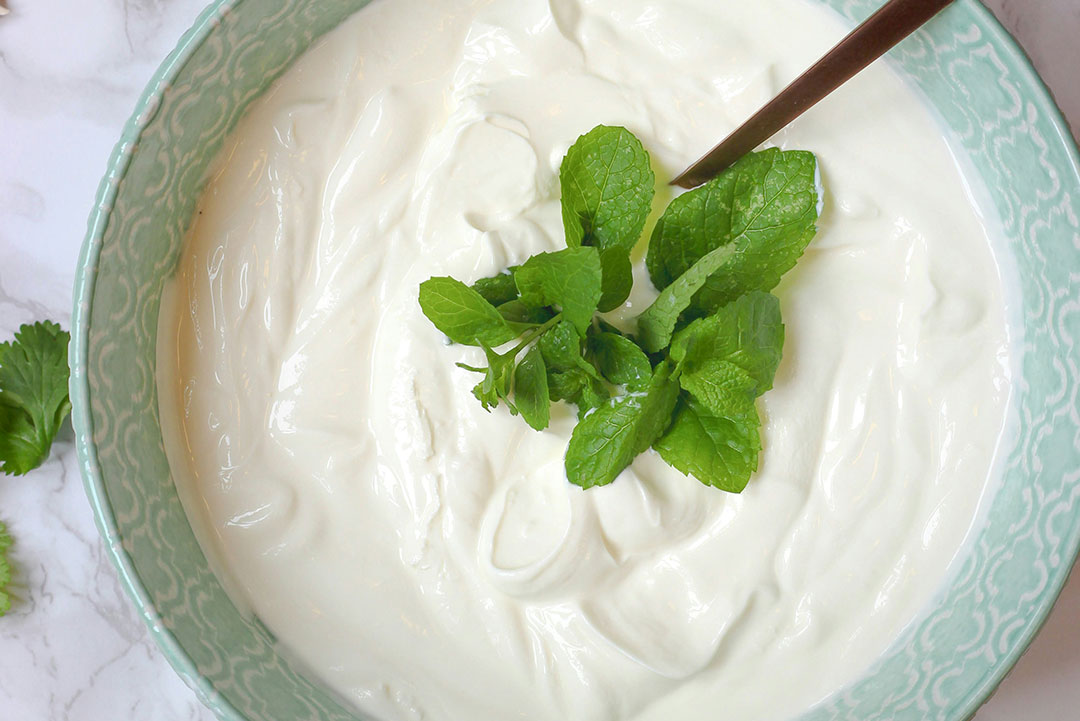
Besides vaccination, the researchers found that one of the strongest protective factors against colonisation with resistant Enterobacterales was yoghurt consumption.
Each additional day of yoghurt eaten in the previous week lowered the likelihood of colonisation by around six to seven percentage points. The authors suggested that the beneficial bacteria in yoghurt may help stabilise the gut microbiome and reduce the ability of harmful gut bacteriato establish themselves. In communities where resistant bacteria are widespread, reducing overall infections may also reduce carriage of resistant strains.
The study also found that children from families that farmed a plot of land were about a quarter more likely to carry resistant gut bacteria than those from non-farming households.
What are the implications of this study for public health?
“The study suggests that maintaining strong PCV13 coverage may confer public health benefits beyond pneumococcal disease prevention,” said Ramay. “By reducing clinic visits, vaccination lowers exposure to environments where resistant organisms circulate. This indirect protection is particularly relevant in low- and middle-income countries, where healthcare-associated exposures are common, and AMR burden is disproportionately high.”
The findings could also suggest that antimicrobial resistance should be more routinely factored into vaccine policy and cost-effectiveness decisions, Ramay added. Benefits such as reducing children’s carriage of resistant bacteria are rarely included in vaccine cost-effectiveness calculations, yet they may be significant.
Finally, they highlight how antimicrobial resistance is shaped by the wider environment. Children living in households that farmed small plots of land were more likely to carry resistant bacteria, while foods such as yoghurt appeared to have a protective effect. “Effective public health strategies will need to pair immunisation with environmental, water and food-system interventions,” said Ramay.