
Kenya’s Wasini Island may look lost in time, but it’s keeping up on immunisation
Electricity may still be a relatively novel luxury for islanders, but health workers are making sure vaccination is routine and reliable.
- 15 January 2026
- 6 min read
- by Joyce Chimbi
At a glance
- Wasini Island, a tiny, historic island town about 3 km off the Kenyan coast, has rudimentary infrastructure and plenty of endemic health threats. Malaria is common, and without a proper sewage system, so are diarrhoeal diseases.
- Workers at Wasini Dispensary take their responsibility to protect the island’s children against preventable illness seriously, working together with local teachers to spread the word about vaccination.
- Dispensary staff think those efforts are paying off, without a single diarrhoea-linked fatality registered last year.
A few kilometres off the southern end of Kenya’s Indian Ocean coastline is a world apparently lost in time. Cut off from the mainland and only accessible by boat, Wasini Island resembles an ancient town, set adrift and left behind by modern civilisation.
The architecture, some of it falling into ruin, recalls an Arab and Persian trading past. Directly across the water, the Shimoni Slave Caves tunnel towards the darkest parts of that history.
Today, the island is home to about 3,000 people, spread across fishing villages. For them, life on the island is quiet, peaceful and moves slowly. There are no roads or cars, and only feet and wheelbarrows pass through the sandy paths and hardened coral trails. Public infrastructure is rudimentary – it was only in 2023 that a solar power mini-grid brought electricity to the island’s villages for the first time. Ali Saggaf, a resident, says Wasini is known as ‘the dry island’ for its lack of piped water. “We harvest rainwater,” he says. “There is no sewer line here, so we use pit latrines.”
Endemic struggles
Wasini is a small coral island: its highest ground is close to sea-level. The water table is close to the surface. Digging deep, effective pits is difficult, leading to a risk of leakage and contamination, especially in the rainy season. Public health standard guidelines recommend significant distances of at least 30 metres from water sources. But island realities have pushed pit latrines close to the Indian Ocean waters, whose shores are the playground for Wasini children.
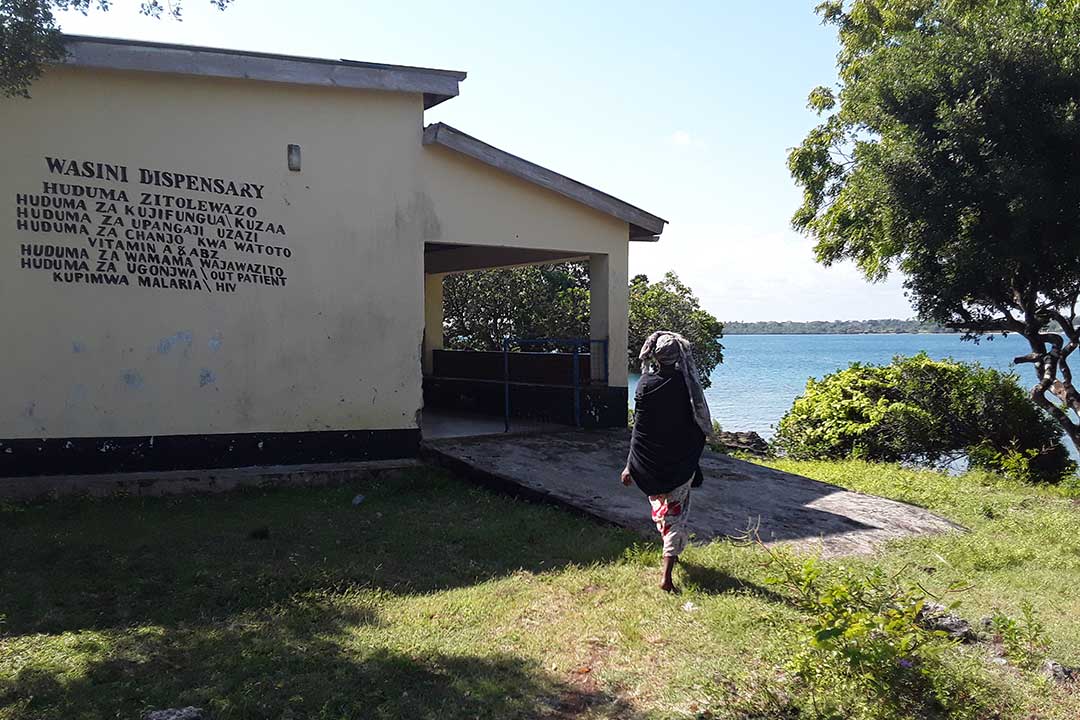
Hassan Arafat Mruche, a registered community health nurse at Wasini Dispensary, one of only two dispensaries located on the island, says malaria, diarrhoea, typhoid, pneumonia, cholera and other gastrointestinal issues are endemic on the island.
Resources to manage these conditions are scarce. Zuri Mohamed, a resident, says even though Wasini Dispensary is an old clinic, it was only connected to solar power in 2023. Until then, health workers would collect vaccines from the Lunga Lunga Sub-County Hospital, and stow them temporarily in the fridges at Shimoni Dispensary on the mainland. They would then collect them – a three-kilometre journey by boat – for immediate use on immunisation days.
“Our refrigerator broke down earlier this year, and we reverted to storing the vaccines at Shimoni Dispensary. Otherwise, it is the parents and children who would have to cross the ocean in search of the vaccines. Fortunately, we now have a brand new refrigerator,” Mruche says.
Allying with teachers
Faced with a host of endemic vaccine-preventable illnesses, the goal is continuous service. “Vaccination at Wasini Dispensary does not stop,” Mruche says.
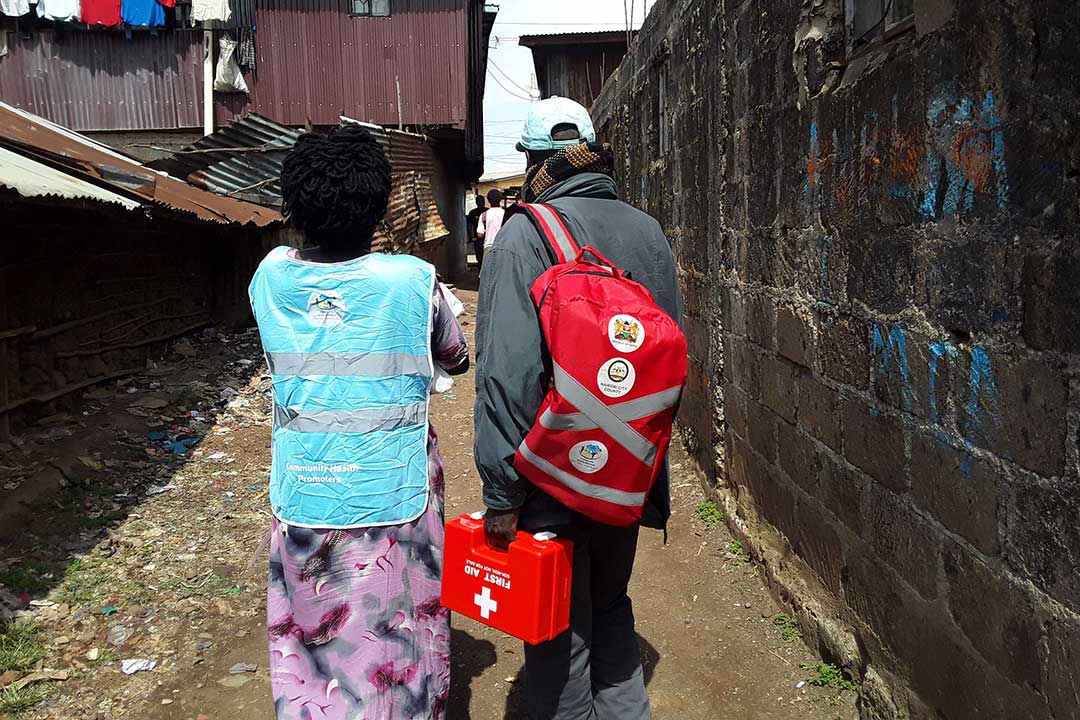
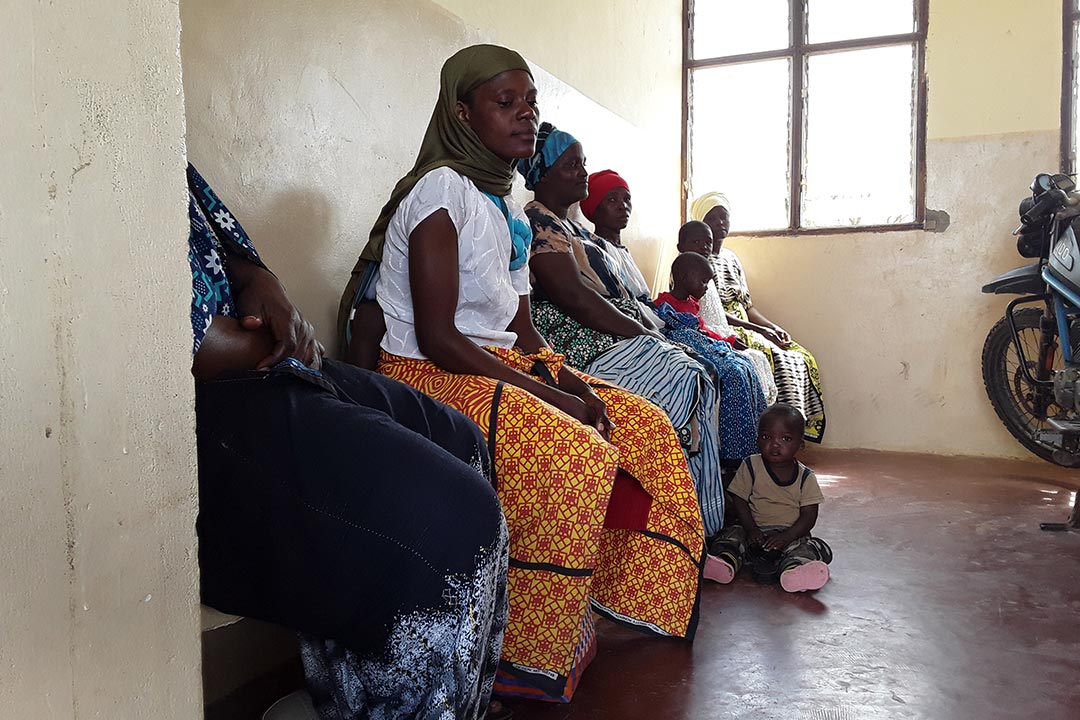
Specifically, the clinic aims to vaccinate 27 children under the age of one year every month and an overall 58 to 60 children under the age of five years. Facility records show this has been achieved. That doesn’t require only a reliable supply of vaccines, but also demand from the community. “We work with five community health promoters for social mobilisation for vaccination,” Mruche says.
Have you read?
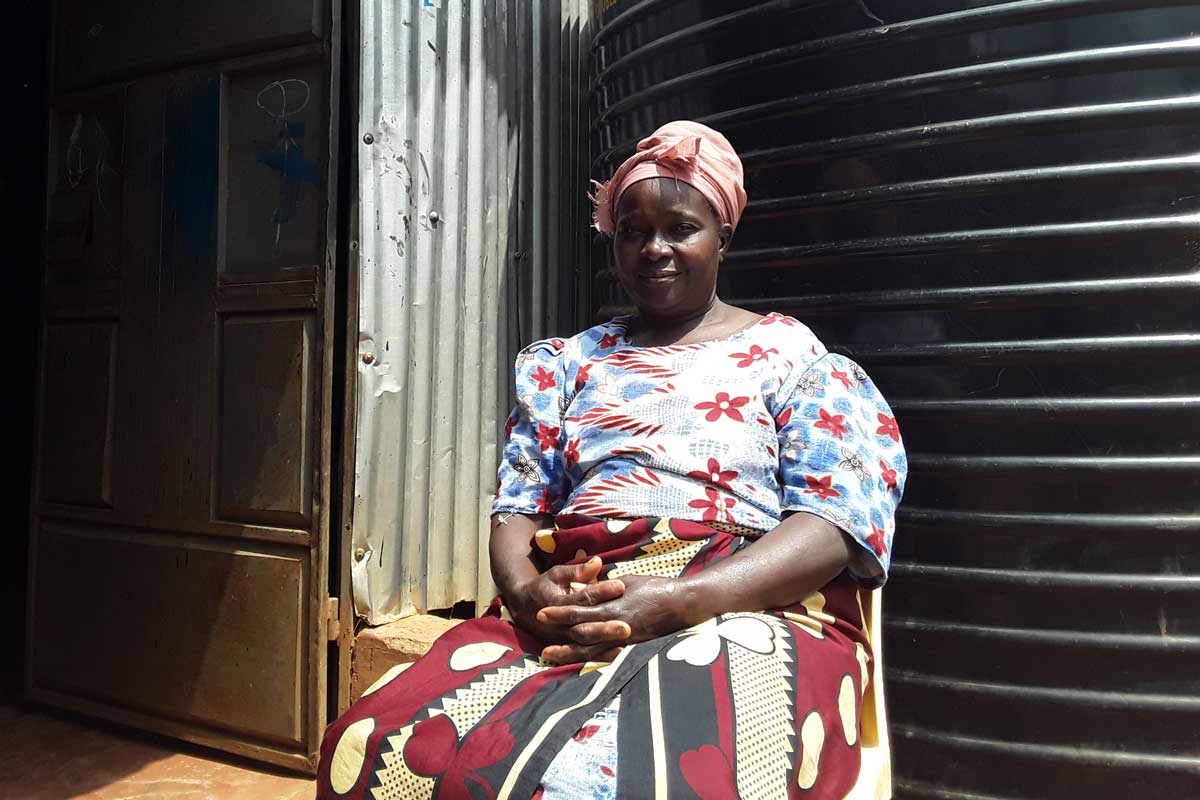
Ameena Ali is one of them. She says the Swahili culture of storytelling has enabled the community to connect with immunisation information from health providers.
In that, the health centre staff are aided by the teachers at the early childhood education centre down the road. They help to pass information and updates on vaccination to parents and guardians.
Leveraging a popular saying on the island, “kinga ni bora kwa kutibu”, which translates approximately to “prevention is better than cure”, health providers also take mass vaccination to nearby schools. Wasini Dispensary relies on teachers, with the consent of parents and guardians, to provide mass HPV vaccination to protect girls aged 10 to 14 from cervical cancer.
Saggaf says there are children who do not go to regular school, “but they all – boys and girls – go to Madrassa classes [Islamic education programmes]. Every now and then, I see health providers at these classes looking for children who are not vaccinated.”
Facing down diarrhoeal disease
With a few exceptions, it’s working well. “Some challenges are beyond us – such as the shortage of the rotavirus vaccine that started around June 2025. Even then, we call facilities in the area and borrow from those with more than they need.” He clarifies that the rotavirus vaccine is now once again available to islanders.
That’s good news: before the introduction of the rotavirus vaccine into the national immunisation programme in 2014, Kwale County, where Wasini is located, had a historically high burden of severe and fatal diarrhoea. That may have improved, but children in the county are not yet out of the woods. A study released in September 2024 recorded a high rate of general diarrhoea cases in Kwale compared to other counties, due to poor sanitation and water safety.
Efforts to change that are afoot. Wasini Dispensary maintains a rota chart to ensure that no child is left at risk. Ali, the community health promoter, says door-to-door hygiene education sessions and health talks at the dispensary on proper hygiene practices, combined with high immunisation levels, are keeping a vulnerable child population safer.
Mruche thinks it’s working. Since 2019, he has worked in four dispensaries in Kwale county and speaks of a significant decline in severe diarrhoeal disease and childhood mortality linked to diarrhoeal diseases. Wasini Dispensary has not had a single case this year, he says.
That’s particularly impressive as Kwale County experienced a significant cholera outbreak starting in early 2025, due to issues of water sanitation and hygiene, and exacerbated by flooding. Lunga Lunga, where Wasini Island’s Sub-County Hospital is located, was hit. But Wasini, the rustic island, recorded no cholera cases.
Building a culture of immunisation
Mruche says there is as good as no community resistance to old, familiar vaccines, but newly launched vaccines require frequent engagement to raise awareness. HPV and the recently introduced typhoid conjugate vaccine (TCV) experienced some programmatic teething pains, he says, but those are now resolved.
“Face-to-face communication and human interactions are very important to us. We like to sit together and share stories, so health providers and community health promoters often come to talk to us in this setting,” says Ahmed Omar, a local parent.
“With the new vaccines, at the vaccine’s introduction point, sometimes parents would say they do not want the vaccine, but then I would say, will you still listen to me as I explain to you why it is important, and they would all say yes. Days later, you’ll start seeing them in the immunisation room,” Mruche says.
Their efforts are showing up in the statistics. In 2019, health facilities in Kwale county recorded as many as 50,000 typhoid fever cases in a year and half of those were children. With community health promoters’ intervention, teaching household and environmental best practice on hygiene, cases have fallen to nearly 19,000 per year. A further drop is expected as the vaccine raises population immunity levels.