
In northern Nigeria, an emir speaks up for malaria vaccination
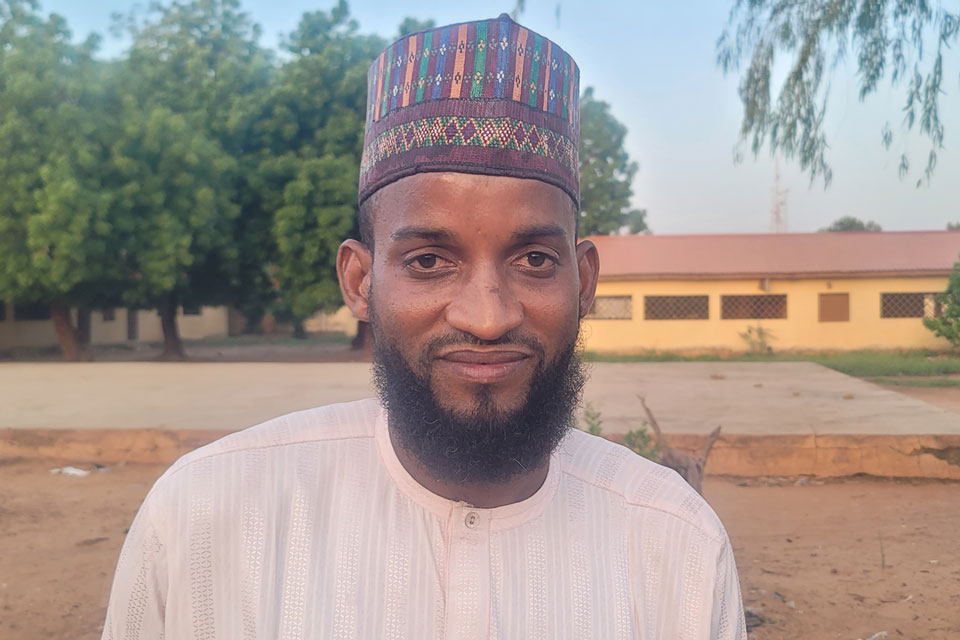
His Royal Highness Alhaji Samaila Muhammadu Mara says he is a father to his people, and that means it’s his job to keep them safe.
- 1 April 2026
- 5 min read
- by Tunde Omolehin
At a glance
- As the traditional “custodian” of his people, His Royal Highness the Emir of Argungu, Alhaji Samaila Muhammadu Mera, takes their health seriously.
- Recently his focus has been on driving up demand for the malaria vaccine. Kebbi state has the highest rate of malaria fatalities in all of Nigeria. Mera hopes that will change. “What is most important to me is seeing a community free from epidemics,” he says.
- His leadership, with support from other royals and traditional notables, has the capacity to make a genuine difference, local health workers say. “When traditional leaders speak, people listen,” one UNICEF staffer in Sokoto state remarked.
In Kebbi state, northwestern Nigeria, His Royal Highness the Emir of Argungu, Alhaji Samaila Muhammadu Mera, has thrown his considerable influence behind vaccination.
“We are the custodians of our people,” Mera told VaccinesWork in a recent interview, adding that he understands himself to be accountable for every death from “ignorance” that occurs in his domain. Under that rubric he includes vaccine hesitancy, a widespread problem in Mera’s part of the world.
“Many parents in northern Nigeria are still not familiar with Western medicine due to their low literacy level,” Mera said. “So, they are always afraid of any form of vaccine coming from Western countries.”
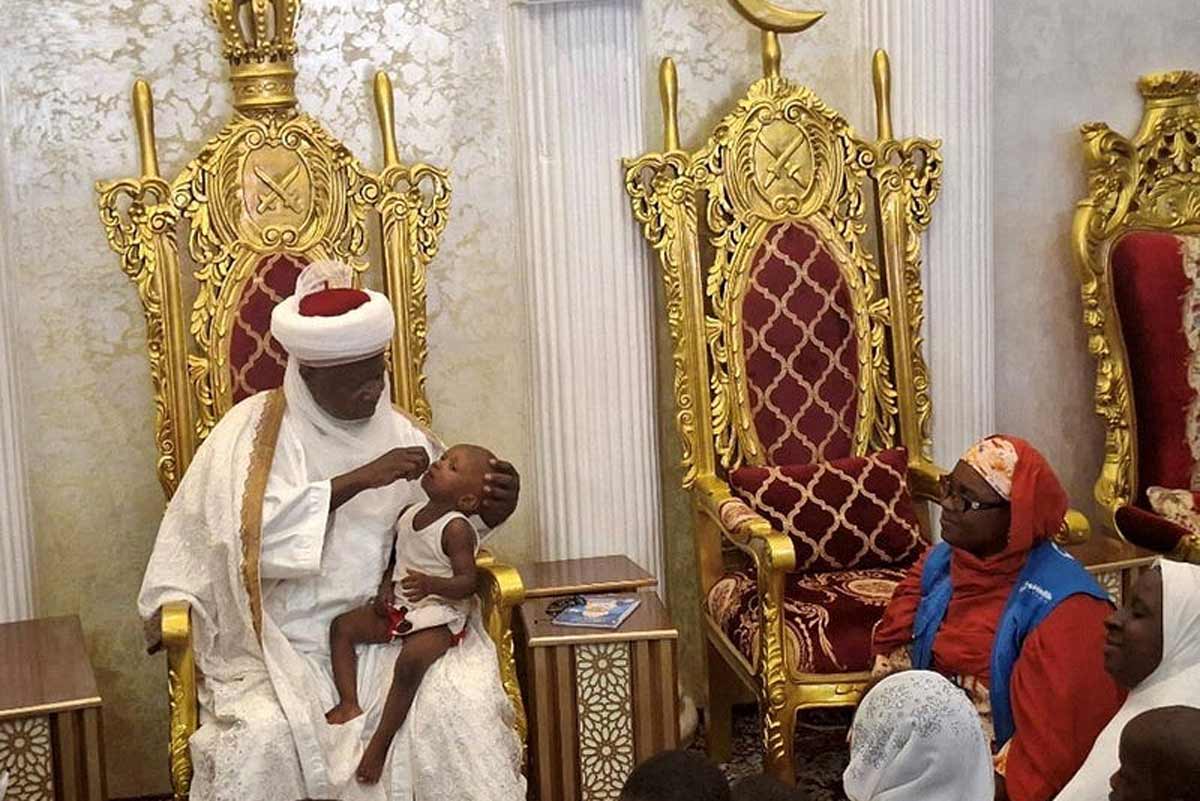
He tries to lead by example, and has more than once thrown open the doors of his palace to offer the local community an opportunity to witness one of his own eligible children receiving a vaccine.
Last year, as many local people expressed hesitancy to embrace the new malaria vaccine, Mera publicly took three of his children for the jab. Musa Muhammad, a community mobiliser who led the immunisation engagement, says the Emir’s action drew over 60 households to participate in the exercise. “It really highlights the importance of the vaccine for personal safety for many households in the community.”
The emir’s commitment to public health is a longstanding one, and earned him the chief spot on the Northern Traditional Leaders Committee on Primary Healthcare Delivery in 2022. It has also earned him respect among the people. Abdulmalik Adamu, a community health expert and a member of the Birnin Kebbi Ward Development Committee told VaccinesWork, “He is showing how a modern traditional leader should be to his subjects.”
Banishing malaria
Recently, the emir has been on the malaria vaccine campaign trail. That vaccine began to roll out in Kebbi a little over a year ago, and has been met with a degree of scepticism by Mera’s community.
But foregoing malaria vaccination in Kebbi means contending with serious risk. The state has a 49% malaria prevalence, and the highest death rate from the parasitic infection in all of Nigeria. Mera calls those figures “a concern”.
“My thoughts and feelings about malaria vaccination have always been positive,” he said. “That is the message I am propagating since the roll-out. We are collaborating with health officials to see the community get the best healthcare. What is most important to me is seeing a community free of epidemics.”
Working together with UNICEF and the National Primary Healthcare Development Agency (NPHCDA), Mera, in his capacity as the chairman of the Northern Traditional Leaders Committee on Primary Health Care, has rallied other traditional leaders to take up the malaria vaccination cause.
It’s hands-on work: in most cases a given traditional leader has joined up with ward committee members to visit the homes of children whose parents had refused the vaccine, to talk about and assuage their doubts. Many royals have also stepped up to speak in favour of immunisation at their local mosques.
Those encounters have made a difference. Malam Tijjani Adamu, a 40-year-old father of six, recounts how a visit from Adare Galadima, a village head and lower-ranking royal under the Emir’s authority in Argungu emirate, transformed his feelings about the new vaccine.
“Before, I thought malaria was a natural disease that causes deaths without remedy, and I never knew the efficacy of the vaccine until my monarch told me. So, I didn’t hesitate to take my child for malaria immunisation,” he said. In fact, he personally escorted his wife and infant son to the health facility for the first of the recommended four doses.
“Today, my son has received three doses,” he said. “He is healthy, and I don’t spend money on medication to treat malaria symptoms like in the past. I am very grateful.”
Have you read?
Uptake rises
“When traditional leaders speak, people listen,” said Michael Juma, Chief of Party at UNICEF’s Sokoto office.
He credits the emir and other royals with helping the state administer 184,000 malaria vaccines between December 2024 and August 2025, a higher number than initially targeted.
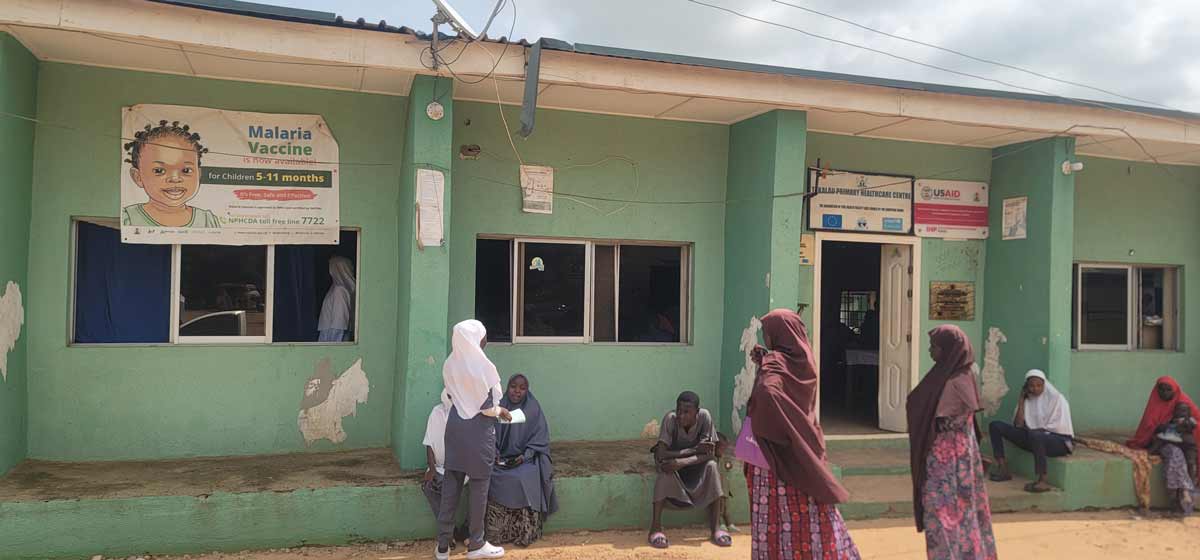
But there’s much further to go. Nigeria still faces a frightening malaria burden. The World Health Organization (WHO) 2025 World Malaria Report reveals that in 2024, some 68 million cases of the disease occurred in Nigeria: the highest global case-count by far. The country also accounted for 38.6% of global malaria deaths that year.
So, while the WHO Global Technical Strategy for Malaria 2016–2030 sets a vision for a malaria-free world by 2030, Nigerian health workers face the future with more determination than optimism. As Suliman Na’allah, a Community Health expert, says, “This projection is fragile in Nigeria.”
But Na’allah also sees progress being made, and believes that the continued dedication of Mera and other traditional leaders to immunisation services across underserved communities can make a meaningful difference.
“Some parents desperately want to protect their children. But because the vaccines were new and misconceptions about them persist, parents need help to overcome their concerns,” Suleiman adds.