
Pakistan is closer than ever to eliminating neonatal tetanus
Khyber Pakhtunkhwa has crossed the finish line, leaving Pakistan just one province shy of nationwide elimination.
- 25 September 2026
- 9 min read
- by Rahul Basharat Rajput
At a glance
- This year, Khyber Pakhtunkhwa received World Health Organization pre-validation for the elimination of maternal and neonatal tetanus (MNT) – a frequently deadly, but vaccine-preventable, illness
- That means 94% of Pakistan’s population now live in MNT-free zones.
- The lessons learned by health teams in the mountainous northern province may guide Pakistan the remaining rest of the way to national-level elimination.
It was only when she entered the seventh month of her pregnancy that Naseema Bibi, 24, from Mansehra in Khyber Pakhtunkhwa, northern Pakistan, learned that there were vaccines that could protect her unborn child.
“I did not know [that] there was any vaccine that I needed to receive during pregnancy,” she said.
That changed when a Lady Health Worker assigned to her neighbourhood learned that Naseema was pregnant, and paid her a visit.
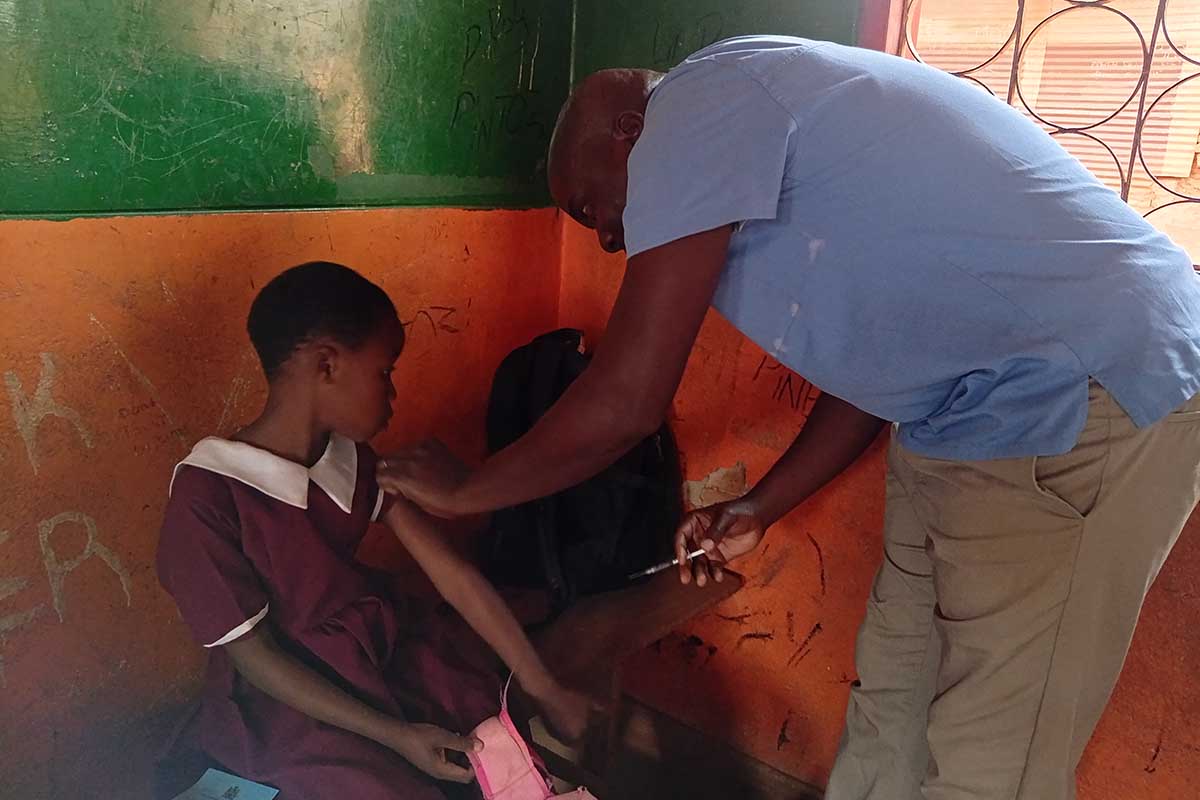
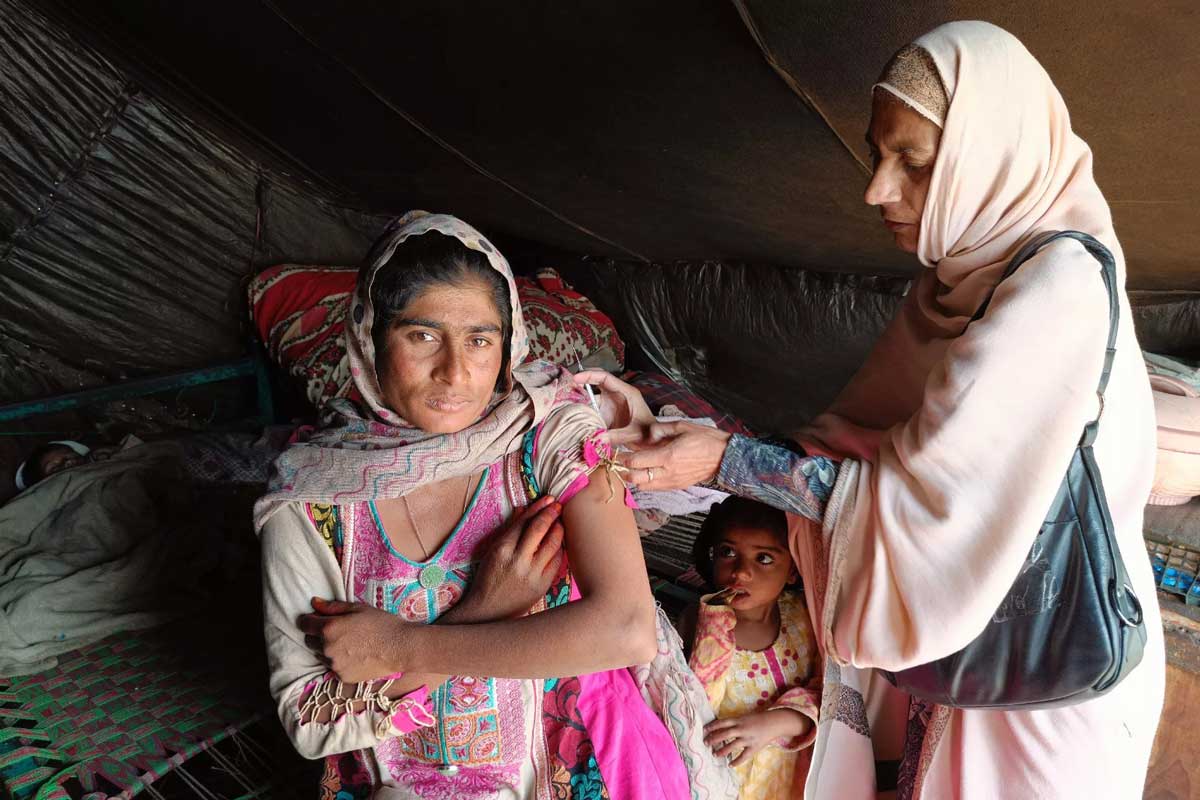
Not long afterwards, the pair of them went to the district hospital together, where Naseema received a first dose of the tetanus toxoid (TT) vaccine. She received a second during her eighth month.
The vaccine was vital preparation for a safe delivery. Childbirth is an often messy and dangerous experience. Tetanus transmitted by non-sterile instruments or unclean hands is one of those risks. In most cases, especially in settings where intensive care is unavailable, it proves fatal to the newborn.
Maternal vaccination heads off the risk: WHO estimates that properly-timed maternal TT vaccination prevents well over 90% of the neonatal tetanus deaths that would otherwise occur.
Sights set on elimination of maternal and neonatal tetanus
Most countries worldwide have reduced their share of maternal and neonatal tetanus (MNT) infections to the point that the condition is considered “eliminated as a public health risk” within their borders.
Pakistan has yet to achieve that milestone. But in June 2026, the World Health Organization (WHO), following an assessment conducted in partnership with UNICEF, announced the pre-validation of maternal and neonatal tetanus (MNT) elimination in Khyber Pakhtunkhwa province. Pre-validation is a preliminary field assessment in which WHO and UNICEF review a province’s surveillance, vaccination and delivery-care data against the elimination criteria, ahead of a formal national validation mission. It signals that Khyber Pakhtunkhwa has met the technical bar for elimination, though the final, official confirmation still requires that broader national process. In other words, it’s a sign that Pakistan is zooming down the right track.
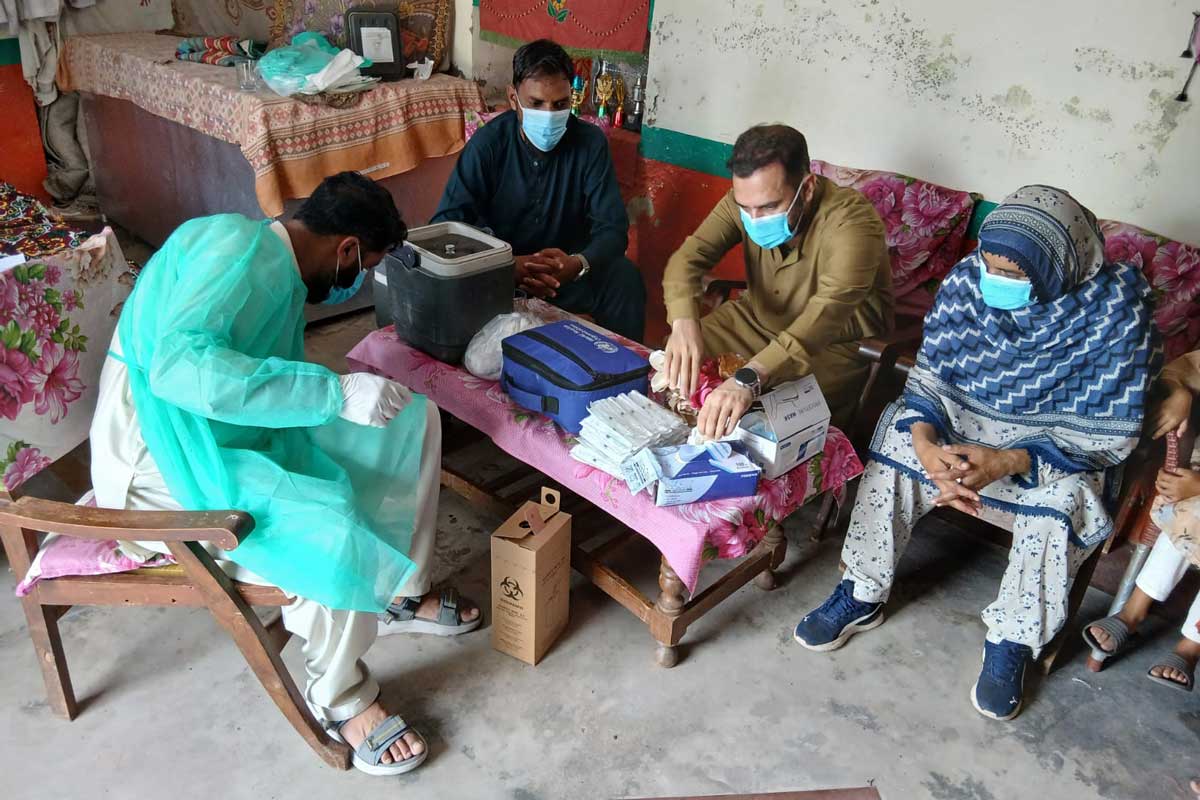
Naseema’s experience illustrates one of the central lessons behind this important achievement: having vaccines available is not enough. Health services need to find and help women who may otherwise never receive reach those vaccines.
That effort has now helped bring Pakistan as whole tantalisingly close to eliminating maternal and neonatal tetanus (MNT) nationwide. According to WHO, approximately 250 million people – around 94% of Pakistan’s population – now live in areas where neonatal tetanus has been brought below the elimination threshold of one case per 1,000 live births.
With KP reaching that threshold, Balochistan is now the only province yet to achieve elimination.
A disease that can turn deadly in days
Neonatal tetanus is particularly devastating because babies may initially appear healthy after birth.
Dr Amir Bakhtiyar, District Surveillance Officer in Mansehra, remembers receiving a call from King Abdullah Teaching Hospital on 12 May 2026 about a suspected neonatal tetanus case.
The baby had stopped being able to suck. Soon, even being touched could trigger spasms. He went to investigate, asking the mother about the delivery, her vaccination history – as he suspected, she had not received her recommended TT doses – and how the newborn’s umbilical cord had been cared for.
The deterioration with neonatal tetanus can be frighteningly rapid, Bakhtiyar said: a newborn may appear well for several days before suddenly becoming severely ill. Treatment is difficult, particularly where intensive-care capacity is limited.
“Most of these babies don’t make it, honestly, unless you’ve got a proper ICU that can manage the airway and sedate them through the spasms,” he said.
That makes prevention especially important. Maternal tetanus vaccination transfers protective antibodies to the baby, while hygienic delivery and safe umbilical cord care reduce the risk of the bacterium entering the newborn’s body.
“The frustrating part is it’s completely preventable if mothers get their TT shots and deliveries are clean,” Bakhtiyar said. But achieving that depends on antenatal care and safe birth services actually reaching women.
Khyber Pakhtunkhwa treated tetanus as an access problem
For health officials in Khyber Pakhtunkhwa, that distinction became strategically crucial.
“KP identified that neonatal tetanus was not only a vaccine availability issue, but fundamentally an access and equity issue,” said Dr Sohail Farooqi, Director of the Expanded Programme on Immunization (EPI) in Khyber Pakhtunkhwa.
Remote communities, insecurity, low use of antenatal care, home deliveries, cultural barriers and missed opportunities for tetanus-diphtheria (Td) vaccination meant that some women remained outside routine health services.
In 2020, the province conducted an neonatal tetanus risk analysis that identified 27 high-risk districts. That permitted the EPI programme to target its efforts.
During 2022 and 2023, three supplementary immunisation activity rounds using tetanus-toxoid-containing vaccine (TTCV) targeted women of reproductive age in those high-risk districts. Farooqi says the result was an over 80% Td2+ coverage in those areas.
Progress was particularly notable in South Waziristan, where difficult terrain and insecurity have long complicated health-service delivery. Coverage increased from 43% during the first campaign round to 58% in the second and 68% in the third, Farooqi said. Today, reported Td2+ coverage eventually stands at 79%.
Where conventional teams could not safely or consistently reach communities, the programme relied more heavily on local health workers who were not necessarily employed by the district health system, such as those brought on by NGOs, as well as on community influencers.
In 2026, intensified outreach has delivered over 24,000 Td doses to pregnant and lactating women and other women of reproductive age in low-performing union councils within difficult-to-access areas like South Waziristan, Farooqi said.
Finding the women the health system cannot see
The challenge is not simply reaching remote villages, but identifying pregnancies that may never appear in formal health records.
In Mansehra, Bakhtiyar and his colleagues had relied on antenatal-care records to identify women who need vaccines. But records could only reveal women who had already interacted with the health system.
“A lot of women never show up at ANC at all,” he said.
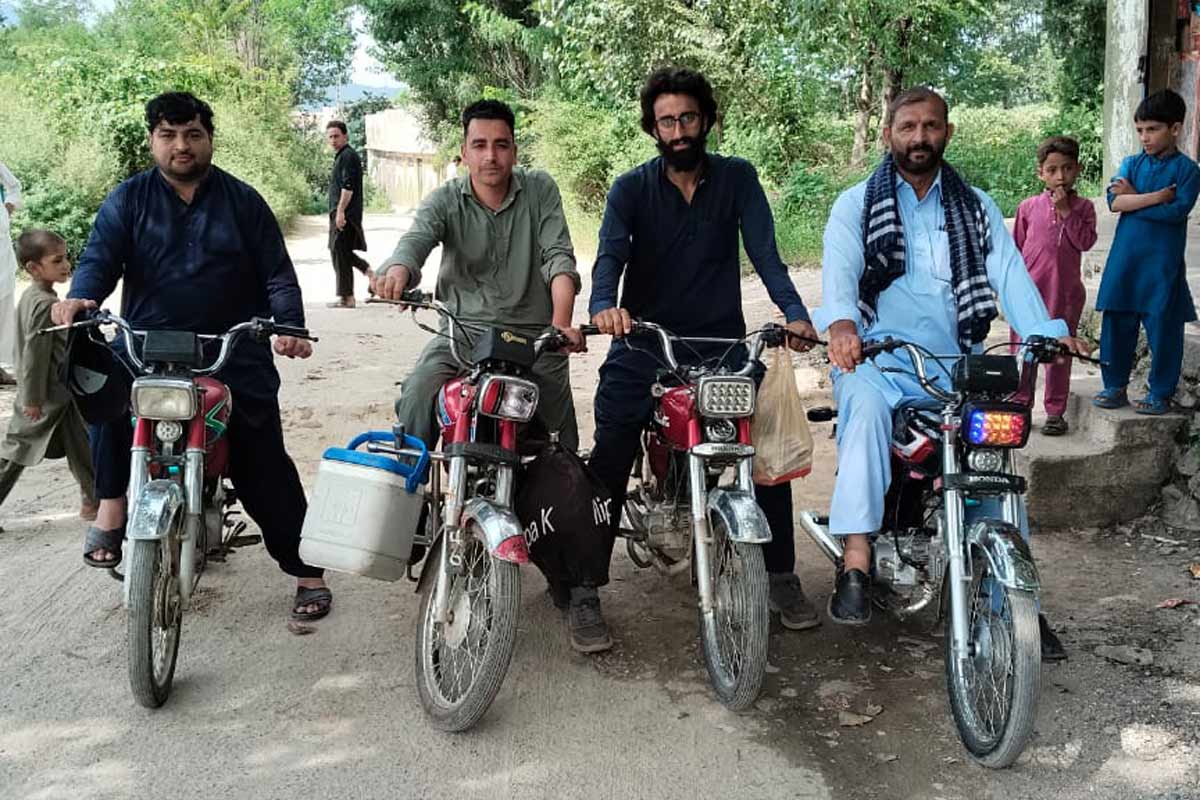
Traditional birth attendants, or dais, therefore became important partners to their effort. Because they often know about pregnancies and home births that health facilities do not, health teams worked with them to identify women, encourage referrals and report births.
Mansehra’s Lady Health Worker network meanwhile reaches about 67% of the district’s population, according to Bakhtiyar. LHWs make antenatal visits, discuss nutrition and pregnancy complications, promote vaccination and educate families about safe delivery.
Health authorities have worked with non-governmental organisations to update the training of the approximately 40 community midwives working in the district. More than 100 traditional birth attendants have also been trained on safe delivery. Meanwhile, health facilities have received sterilisation equipment and disposable delivery kits to make sure they have the equipment they need to prevent tetanus transmission at birth.
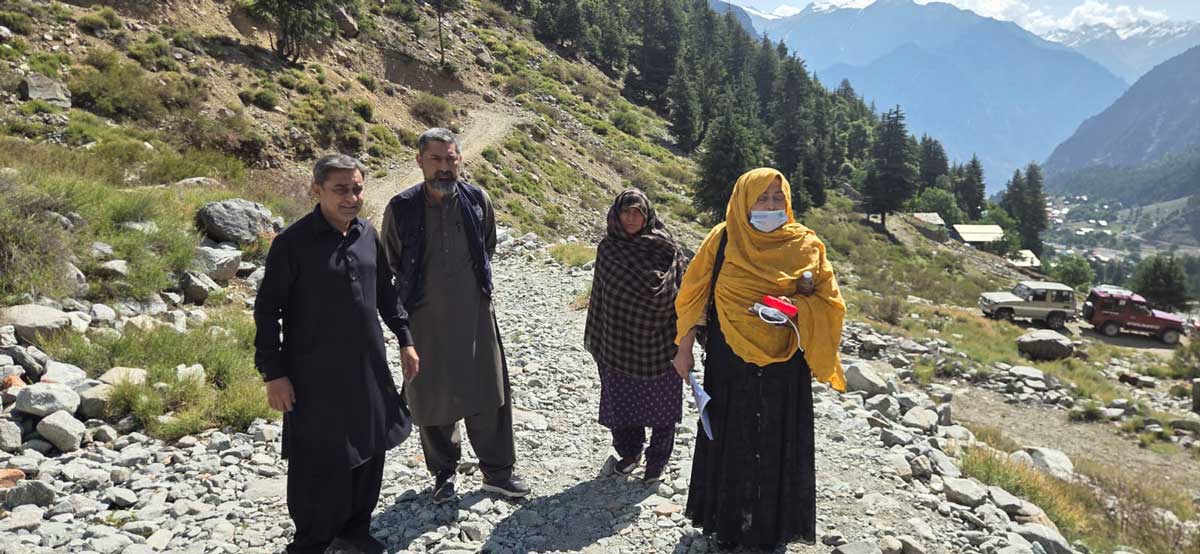
Learning from other provinces
Punjab achieved elimination already in 2016, Sindh in December 2024, Islamabad Capital Territory and Pakistan-administered Kashmir in March 2025, and Gilgit-Baltistan in July 2025.
Dr Hashim Raza, Synergy Specialist Centre of Disease Control (CDC) based at Pakistan’s Federal Directorate of Immunization, said those successful elimination efforts had demonstrated the value of concentrating resources on the highest-risk areas, conducting supplementary immunisation activities and combining strong vaccination coverage with safer childbirth.
Punjab, for example, repeatedly reviewed district-level indicators and took corrective action in high- and medium-risk districts. Importantly, administrative vaccination figures alone were not treated as proof of elimination: field assessments were used to test whether reported progress reflected conditions in communities.
Khyber Pakhtunkhwa adapted those lessons to its more challenging geography and security environment.
Since early 2024, district EPI teams have been sensitised on neonatal tetanus surveillance standards, Farooqi said, with investigation and response procedures incorporated into training for district surveillance officers and EPI coordinators.
The province also drew on Pakistan’s existing polio surveillance and supportive-supervision infrastructure to strengthen vaccine-preventable disease reporting.
Have you read?
Double-checking
Khyber Pakhtunkhwa’s pre-validation exercise focussed on surveillance in high-risk areas. Dera Ismail Khan, Battagram, Upper and Lower Kohistan, and North and South Waziristan were selected for scrutiny.
Raza said the assessment considered three central indicators: reliable surveillance showing fewer than one neonatal tetanus case per 1,000 live births; Td2+ vaccination coverage of at least 80% through routine services or supplementary campaigns; and skilled birth attendance above 70%.
WHO and UNICEF conducted field visits in several high-risk and hard-to-reach districts and reviewed three years of surveillance data. Where field access was constrained by security concerns in the Waziristan areas, vaccination campaign data quality was audited instead.
The assessment triangulated routine programme figures with bespoke surveillance, health-facility assessments and information gathered in communities.
That produced an important finding: in some locations, surveys suggested mothers were better vaccinated than facility records indicated. For Farooqi, this underlined why programme data need to be checked against realities on the ground.
Safer births are changing the picture
In Mansehra, Bakhtiyar said the impact is increasingly visible. The district, home to around 1.7 million people, includes a significant migrant population, including families originating from the former Federally Administered Tribal Areas.
Classically, these mobile populations are difficult to serve reliably. Still, Bakhtiyar said Mansehra recorded no neonatal tetanus cases last year. In 2026, one case had been reported at the time of his interview, involving a family originally from Bajaur.
Bakhtiyar credits growing public awareness alongside stronger maternal and newborn health services. More families now seek deliveries in health facilities where hygiene and skilled care are available, he said. Around-the-clock mother-and-child health services have also helped make neonatal tetanus and complications associated with unsafe deliveries increasingly rare.
The progress is reflected nationally in the scale of maternal vaccination. WHO reported that, with WHO and UNICEF support, 5.4 million pregnant women and women of childbearing age were vaccinated across Pakistan in 2025, including more than 870,000 in Khyber Pakhtunkhwa.
Balochistan is the final hurdle
But Khyber Pakhtunkhwa’s success is not the end of the road for Pakistan, which remains one among just eight nations not to have formally eliminated maternal and neonatal tetanus as a public health problem.
The remaining challenge is Balochistan, which has yet to achieve elimination of MNT.
According to Raza, previous efforts there did not achieve sufficient quality and coverage across corrective vaccination rounds.
Following the KP pre-validation mission, two high-quality TTCV supplementary immunisation rounds are required in Balochistan. Pakistan could then request another validation mission to assess whether elimination has been achieved there, and consequently, nationwide.
But campaigns will again need to be accompanied by improvements in routine systems: sustained vaccination coverage, skilled attendance at births, clean delivery and cord-care practices, postnatal care, stronger surveillance and regular district-level risk assessments.
KP faces a similar challenge of its own. Reaching pre-validation does not mean the work is finished.
“The priority now is to sustain elimination through routine systems rather than relying on supplementary campaigns,” Farooqi said.