
Making tracks: Pakistan deploys "field hospital" trucks to close the immunisation gap
In Punjab, large trucks kitted out with medical equipment and commodities are hauling vaccination services to rural and slum areas.
- 26 June 2026
- 6 min read
- by Rahul Basharat Rajput
At a glance
- Since May 2024, a fleet of 33 mobile hospitals built onto 18-wheeler trucks have been parking up periodically in underserved parts of Punjab, Pakistan.
- These “field hospitals” offer a fairly comprehensive range of services, from outpatient care, diagnostic tests and imaging, to antenatal check-ups and vaccination.
- Three million patients have been seen by the mobile programme since its inauguration, with one staffer saying that for many, it’s their first ever visit to any hospital, wheeled or otherwise.
It was one of the hottest days of June in Rawalpindi, one of Pakistan’s most populous cities. Mobile screens were showing a ‘feels like’ temperature of 41° C, along with warnings that the devices themselves might soon stop functioning because of the heat.
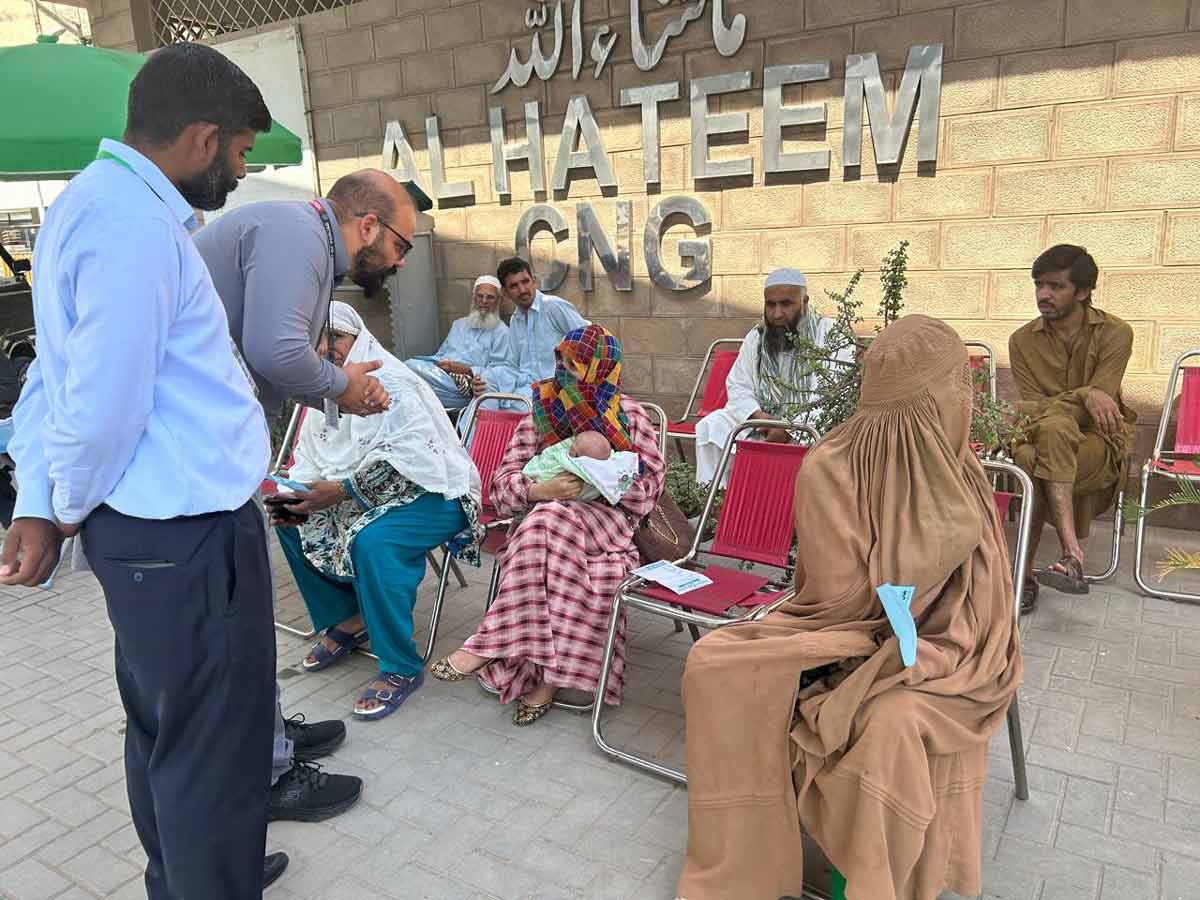
One group of people - women, children and elders - were sheltering in the shade of an out-of-service gas station roof.
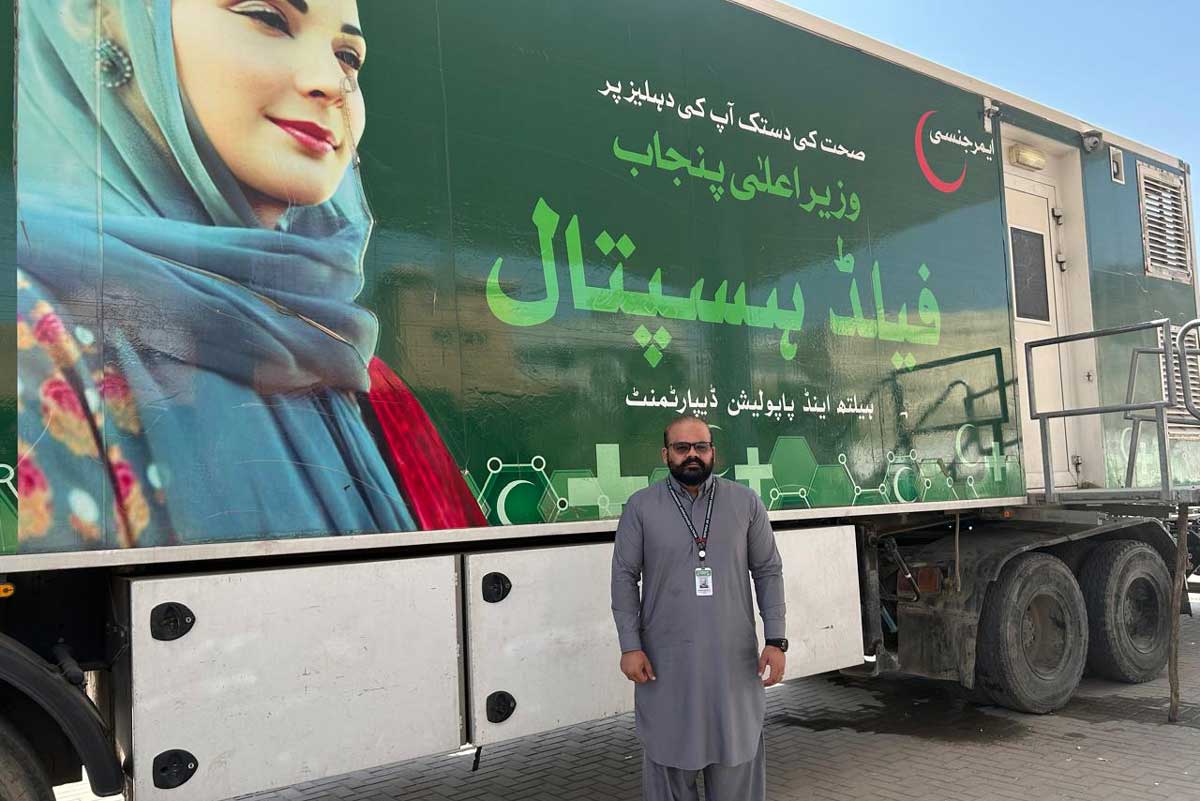
In front of them was parked an 18-wheeler, 40-foot-long truck, emblazoned with a mammoth-sized portrait of Punjab’s chief minister and the description, ‘Field Hospital’.
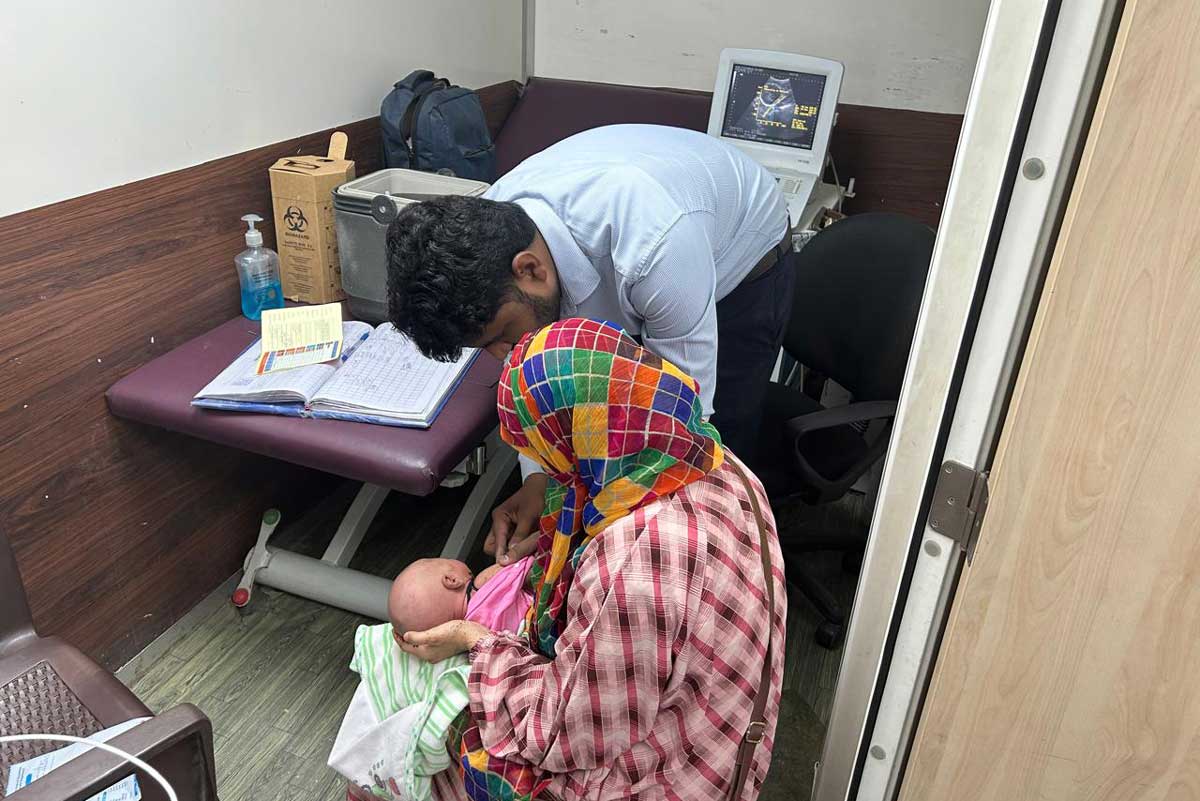
On the outskirts of the city, this locality, known as Dhok Gujjaran, is inhabited by a large migrant and slum population. It’s an informal, unplanned settlement, and the closest tertiary care hospital is around 20 kilometres away.
“In a locality where the connecting roads are uneven and congested, having a complete mobile hospital is a blessing for the community,” said Kashan Ahmed, father of a two-week-old daughter, Esha Noor.
Ahmed, who works as a daily-wage labourer, and his wife had brought Noor for her birth-dose vaccinations. Calling the initiative very good, Ahmed said earlier people living here had to travel long distances to visit hospitals for medical check-ups, which was inconvenient and expensive.
“I believe this is a very positive step,” said Ahmed of the imposing, wheeled vaccination clinic.
What are field hospitals?
The Punjab government launched the Field Hospital Initiative in May 2024. Provincial Minister for Primary and Secondary Healthcare Khawaja Imran Nazir told VaccinesWork that its primary objective is to provide essential, high-quality healthcare services, along with comprehensive diagnostic and treatment services, directly at the doorsteps of rural and remote populations.
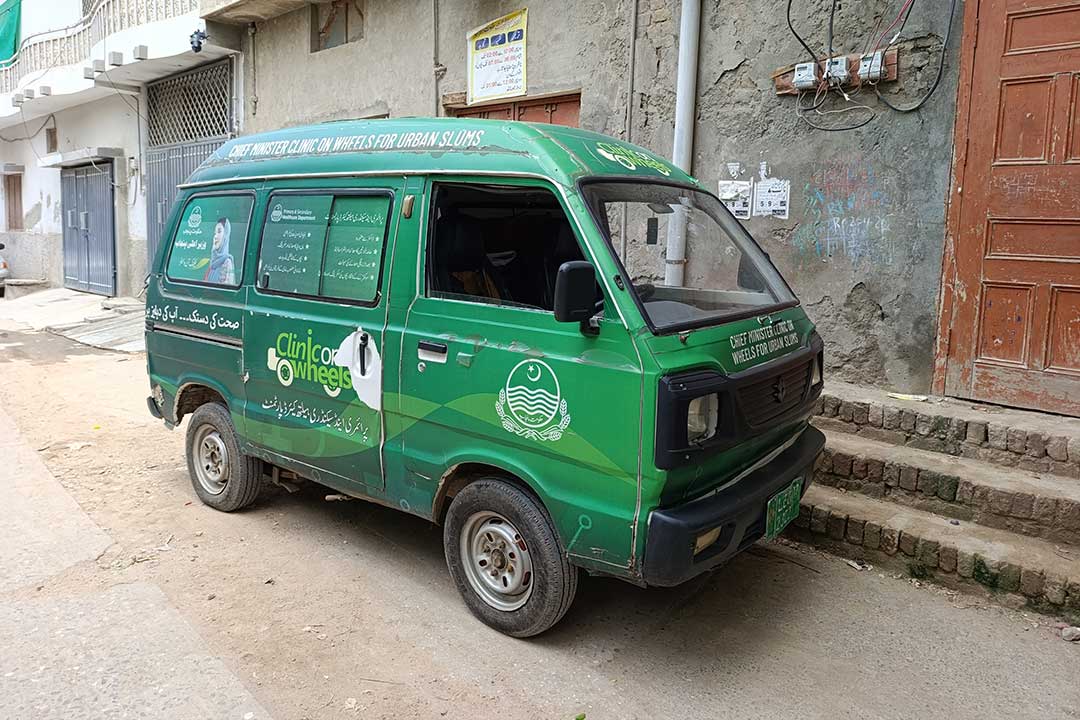
Under the programme, 33 full-sized, truck-mounted field hospitals, as well as 21 mobile healthcare units and 11 smaller, van-sized field hospitals, are deployed in rural areas of Punjab to increase healthcare coverage, including vaccination.
Minister Nazir said establishing these field hospitals in rural and slum areas was driven by the need to address severe healthcare inequalities, overcome geographic and financial barriers, and tackle the limitations of the current public health infrastructure.
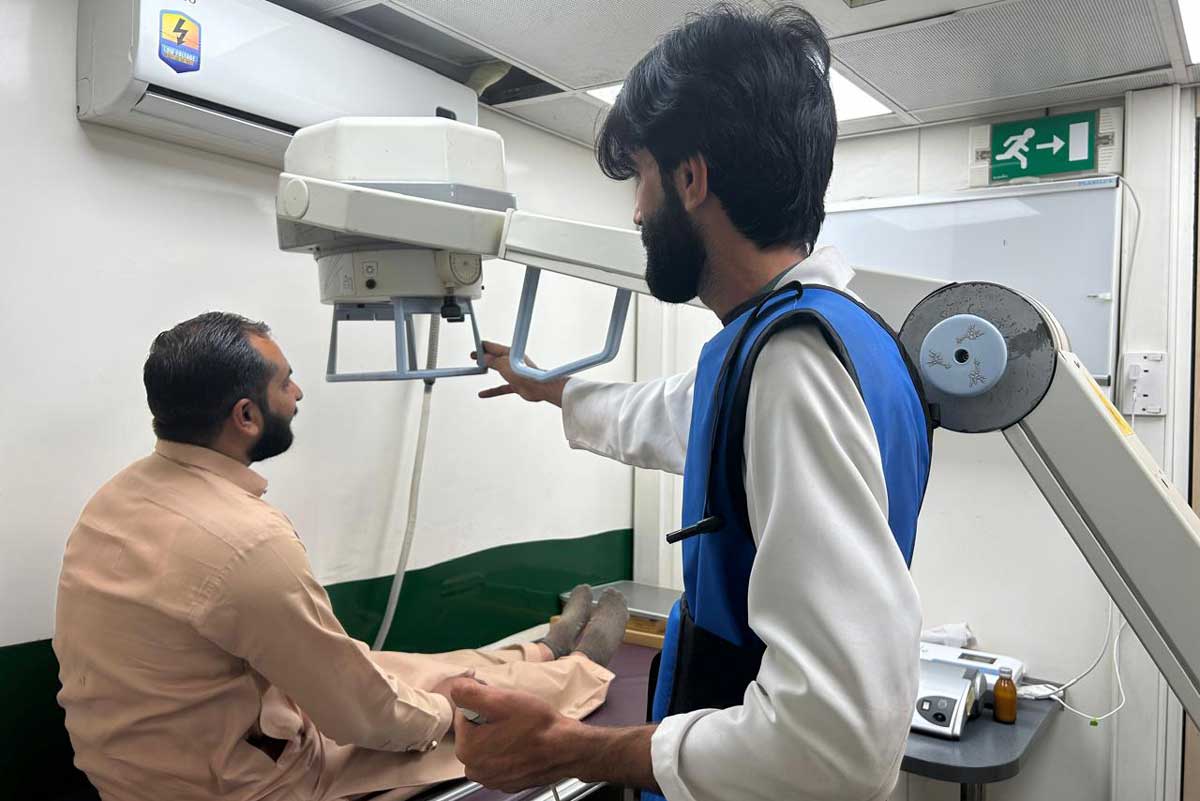
Along with general outpatient services and diagnostics, immunisation campaigns are also carried out by district immunisation staff using these field hospitals, he said.
Where are these field hospitals deployed?
Dr Hanan Goreja, the Deputy District Health Officer, Rawalpindi, told VaccinesWork that the trucks function as a “fully portable and self-contained hospital”, and supply their services free of charge.
He said that based on the deployment plan – worked out month-to-month by health authorities at district level – a field hospital travels to peri-urban and rural areas to provide healthcare services where they are most needed, spending about two to four days at one station per deployment. Typically, the hospital will return within a month to enable follow-up care in the community.
The community in question is typically a marginalised one. For example, one is deployed on Chakra Road, Union Council Girja, which has one of the largest migrant populations and among the highest incidences of measles outbreaks in Punjab.
“To address immunisation gaps and provide comprehensive healthcare services, the field hospital has been deployed in this area,” said Dr Goreja. “We are also ensuring complete vaccination coverage through the Expanded Programme on Immunization (EPI), targeting all vaccine-preventable diseases so that children who have missed routine immunisation can be vaccinated.”
Dr Hanan said that the informality and poverty of the settlement, as well as the high degree of mobility of its population, mean that healthcare is often not the community’s first priority. The focus in communities like this one is typically on daily livelihood activities.
“We specifically target high-risk areas, especially those where measles and other infectious disease cases have historically been reported,” said Dr Hanan.
He said that through these efforts, health departments are gradually closing immunisation gaps and strengthening disease prevention in vulnerable populations.
Services in a field hospital
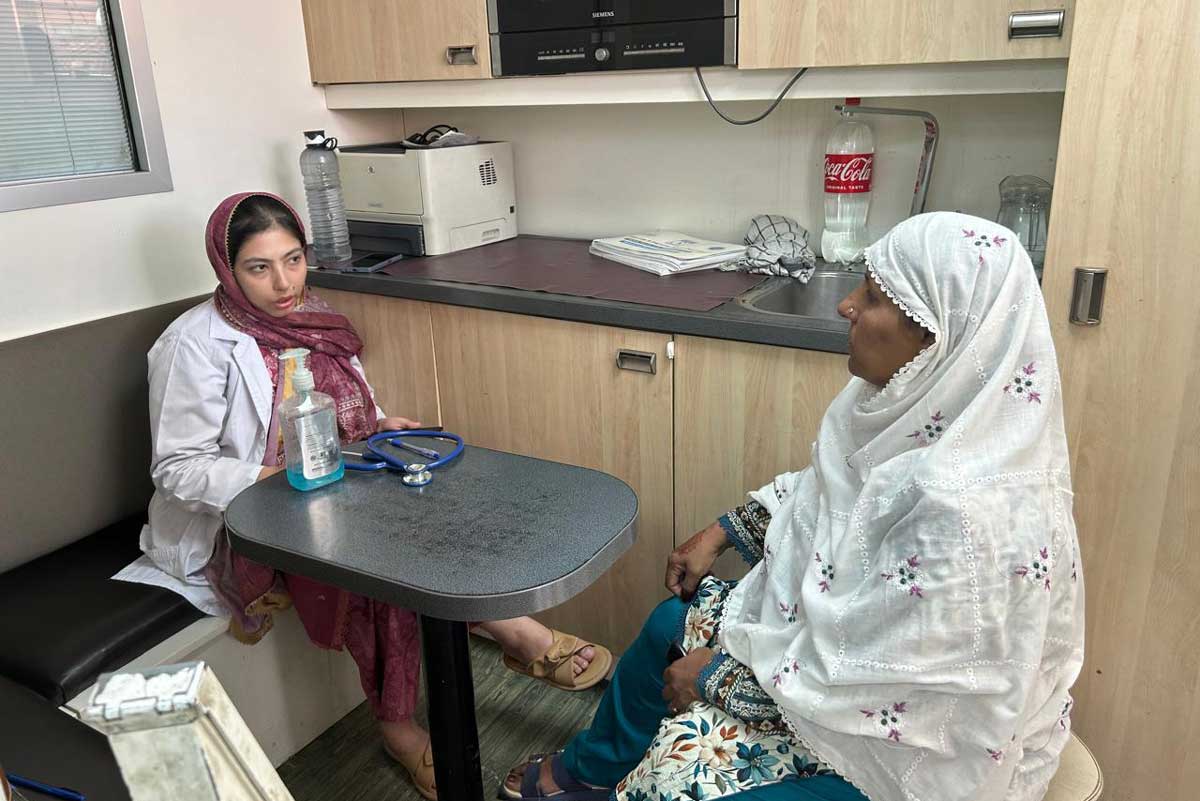
A general hospital manager oversees care at the motorised hospital, which includes an outpatient department, where both male and female doctors are available, antenatal care services provided by Lady Health Workers (LHWs), and postnatal care and family planning services.
In addition, there’s an on-site pharmacy, and a wide range of diagnostic capability, including radiology services (X-ray imaging), and laboratory testing. Right there in the truck, staff can process a complete blood count (CBC) test, screen for tuberculosis, conduct a liver function test, check kidney function and measure electrolytes in the blood.
Vaccination services run from the field hospital plug into existing local structures. Chief Executive Officer of the Rawalpindi Health Authority Dr Ehsan Ghani told VaccinesWork that whenever a mobile health unit is stationed in a particular area, the vaccination teams from the vicinity work in close coordination with truck unit to boost immunisation reach.
The field hospital’s stay is therefore an opportunity for children who have missed their routine immunisations, those who are due for vaccines, and newborns in the area to get caught up and protected, he says.
Have you read?
Challenges
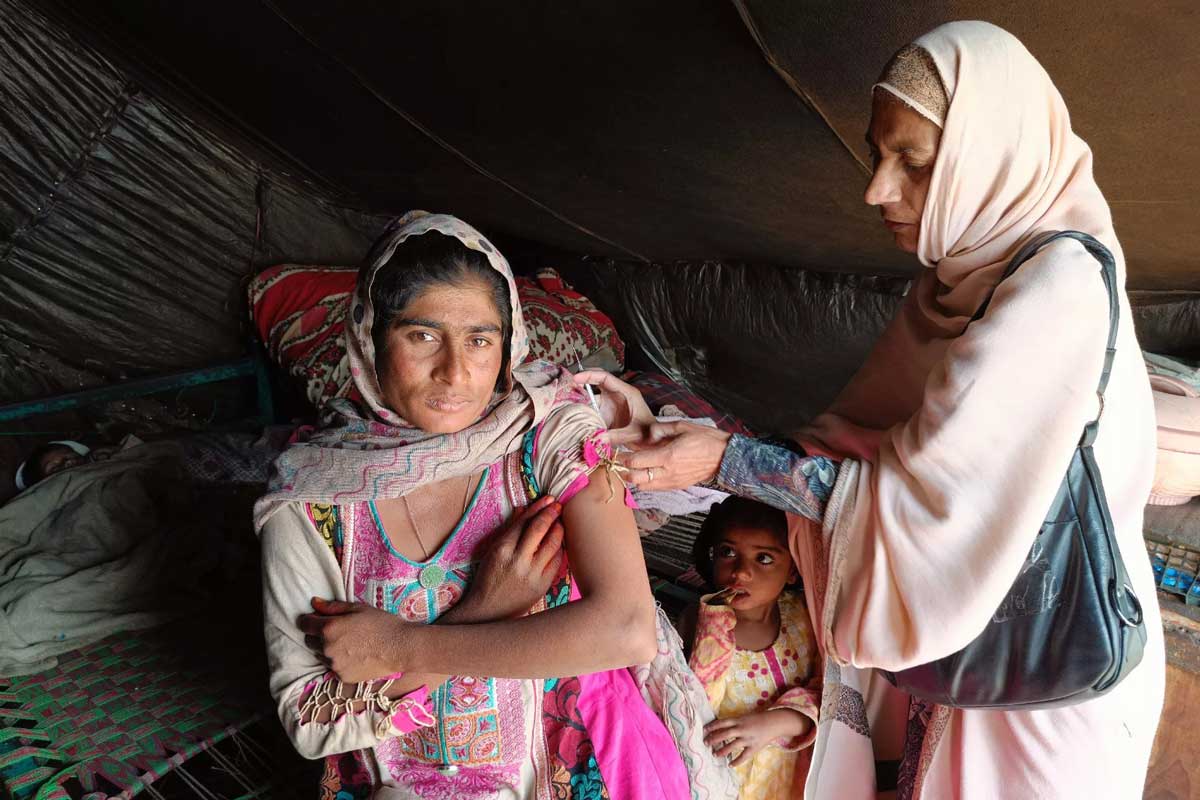
Dr Warda Rauf, a Woman Medical Officer (WMO) at the Maryam Nawaz Field Hospital, told VaccinesWork that many people she sees are unable to afford private medical treatment. Many women have never visited a hospital before, she said, and need guidance to get themselves registered and start proper antenatal check-ups.
Most of these women are unaware of the importance of both regular check-ups and vaccinations, so Dr Warda and her teammates “also focus on creating awareness about healthcare for both mothers and their children”.
Fixed government-run facilities are free, but for many of the communities where the truck stops, they’re both far away and then discouragingly overcrowded.
“It is especially difficult for children and elderly people to stand in long queues, and seeking treatment can consume a considerable amount of time,” she said.
Meanwhile, Sundas Asghar, a Lady Health Visitor serving at the field hospital, said sometimes attracting a large number of patients can prove a challenge at first, so she conducts awareness activities and announcements to inform the community of the availability of services.
But the response to the care on offer has thereafter been very positive. “People often tell us that this facility is a great convenience for them because they no longer have to travel long distances to access healthcare services,” Asghar said.
“I also encourage women to spread the word within their communities and inform others about the availability of health services so that more people can benefit and improve their quality of life,” said Asghar.
Three million patients treated
According to Minister Khawaja Imran Nazir, the initiative has so far treated over three million patients in these hospitals, while over 500,000 diagnostic tests, including ultrasounds, X-rays and lab tests, have been conducted in these field hospitals.
Meanwhile, Dr Ghani said these initiatives have had a highly positive impact.
“Every initiative aimed at expanding healthcare coverage contributes positively to the overall well-being of the population, and these mobile and field hospital services are playing an important role in achieving that objective,” said Dr Ghani.
He added that local influential figures, union council representatives and councillors have also engaged when the field hospital is deployed to their area, to help maximise the number of people who can benefit from these healthcare services.
Dr Ghani said that for the field hospitals, as in Pakistan in general, immunisation is one of the top public health priorities. “Our main objective is to extend primary healthcare and vaccine coverage to those areas where services are not easily accessible, ensuring that maximum population coverage is achieved,” said Dr Ghani.