
Are children getting their vaccines too late?
Many children receive vaccines weeks or months later than recommended, raising questions about how immunisation programmes are measured, and how to boost timeliness.
- 8 June 2026
- 5 min read
- by Linda Geddes
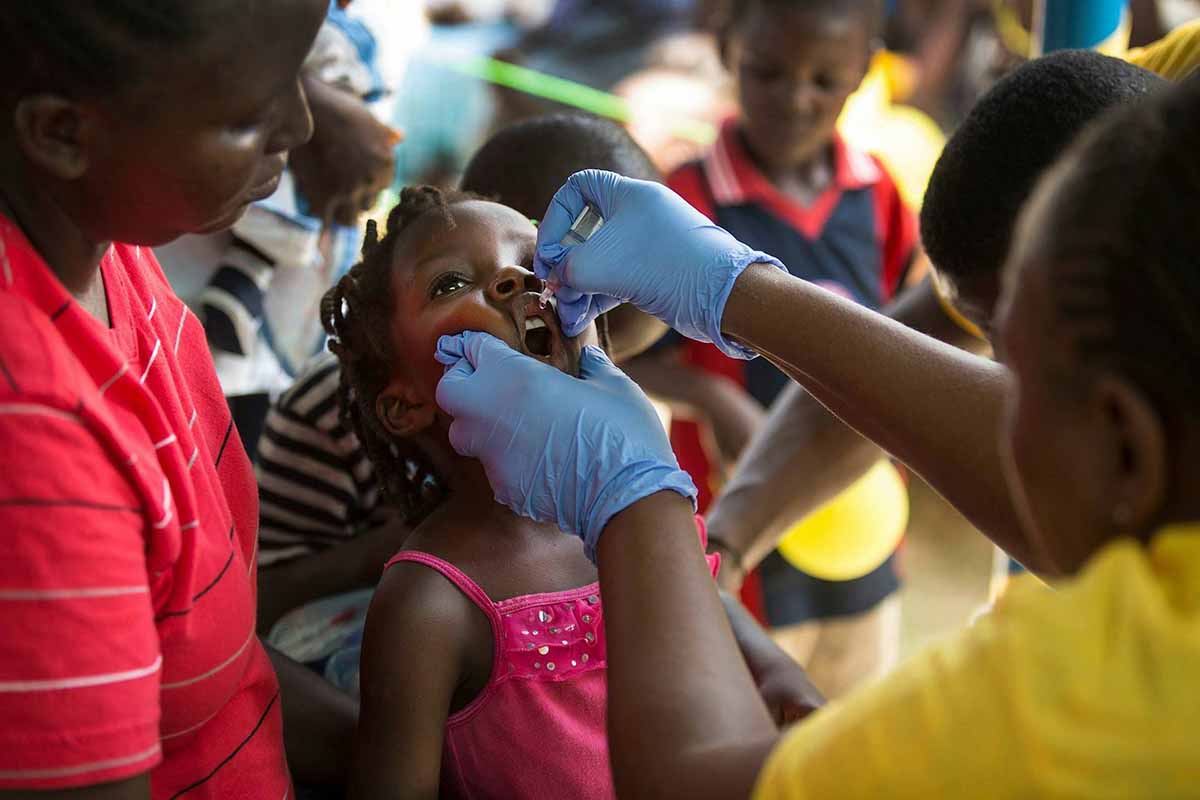
A child who receives a vaccine late is still better protected than a child who never receives it. Yet even a delay of a few weeks can leave them vulnerable during critical periods when the risk of serious disease is highest.
A major new study has found that across dozens of low- and middle-income countries, many children are receiving routine vaccinations weeks or even months later than recommended.
The findings suggest that national vaccination coverage rates, the traditional measure of how well immunisation programmes are performing, may tell only part of the story. A child may be counted as vaccinated, but only after spending weeks or months without the protection that vaccine was designed to provide.
“For infections such as hepatitis B, pertussis and measles, even modest delays can have a major effect on mortality at a population level,” wrote Oghenebrume Wariri at the London School of Hygiene & Tropical Medicine (LSHTM) and Natasha Crowcroft of the Public Health Agency of Canada in an accompanying commentary.
“Measures of vaccination timeliness, when used alongside coverage, can serve as early indicators of programme weakness, revealing populations that remain exposed despite apparently high coverage.”
Why does vaccine timing matter?
Vaccines are not scheduled at specific ages by chance. The recommended timing for each dose is carefully chosen to provide protection when children are most vulnerable to particular diseases, while also ensuring their immune systems are mature enough to respond effectively.
This means that both early and delayed vaccination can have consequences. Vaccines given too early may trigger a weaker immune response, while delayed vaccination can leave children exposed to serious or potentially deadly infections for longer than intended.
Have you read?
This doesn't mean a delayed vaccine is ineffective. “Vaccines that are administered late (or too early) are still likely to provide some level of protection and are certainly better than no vaccination at all,” said Prof Andrew Clark of LSHTM, who led the new study.
What have previous studies revealed about vaccine timing?
In 2009, Clark and Prof Colin Sanderson, also at LSHTM, published one of the first large-scale analyses of vaccination timeliness in 45 low- and middle-income countries. That study revealed that many children were receiving vaccines weeks or even months later than recommended.
Since then, more nationally representative survey data has become available, covering a wider range of countries and vaccines. “We wanted to update this analysis to show the current state of the evidence,” Clark said.
What does the latest evidence show?
Clark and his colleagues analysed nationally representative household survey data from more than 460,000 children under the age of three across 91 low- and middle-income countries, examining not just whether they had been vaccinated, but when they received each dose relative to the recommended schedule.
They found that delays remain widespread. Only around half of measles vaccine doses and third doses of diphtheria, tetanus and pertussis vaccine (DTP3) were administered within the recommended time window.
Across all vaccines, average delays ranged from around three weeks for BCG and the first dose of diphtheria, tetanus and pertussis-containing vaccine (DTP) to almost eight weeks for the third dose of DTP.
The study, which was published in The Lancet Global Health, also found substantial variation between and within countries. “Vaccines tended to be timelier in the Americas than in other WHO regions, but this may partly be explained by older recommended target ages in this region,” Clark said.
Which vaccines are most affected by delays?
The findings highlighted particular concerns around the hepatitis B birth dose and the third dose of the diphtheria, tetanus and pertussis-containing vaccine (DTP3).
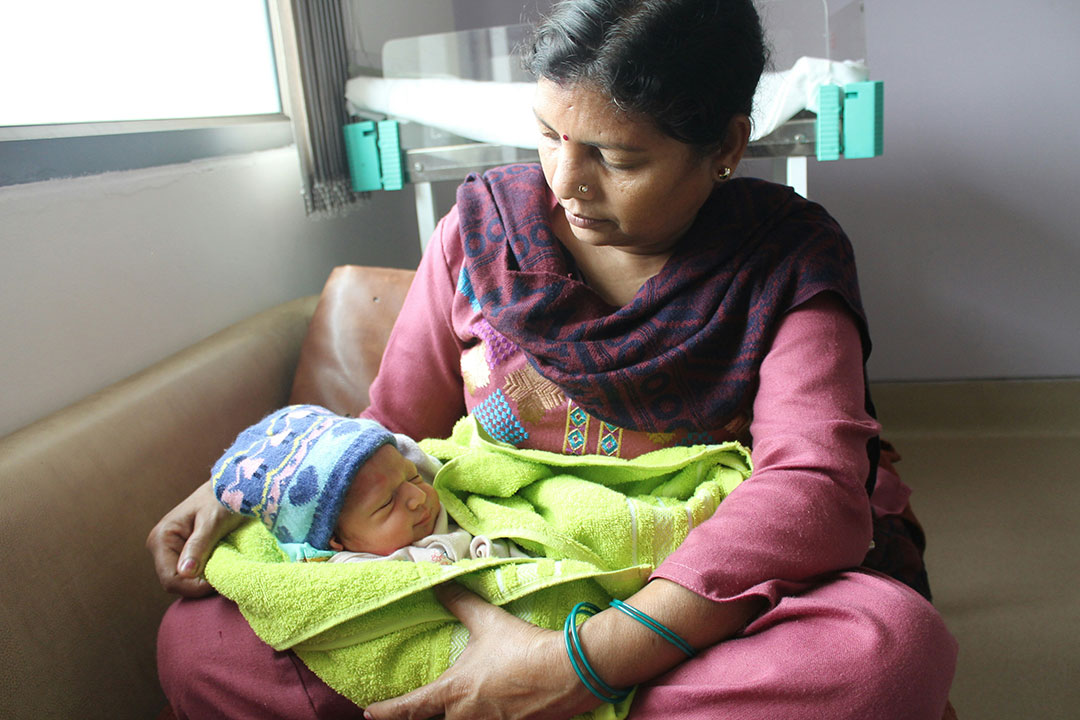
Hepatitis B is commonly passed from mother to child during birth or between young children during early childhood. Around 95% of infections acquired at these ages become chronic, potentially leading to cirrhosis or liver cancer later in life.
“Receiving a dose of hepatitis B vaccine within 24 hours after birth greatly reduces the risk of the virus being transmitted from infected mother to child. This is why Gavi is funding the procurement of hepatitis B birth doses and investing in the infrastructure to deliver them,” said Taylor Holroyd, Senior Programme Officer in Measurement, Evaluation and Learning at Gavi, the Vaccine Alliance.
Yet, the researchers found that vaccines intended to be given shortly after birth were often administered days or even weeks later. "This is particularly concerning for the birth dose of hepatitis B vaccine. The WHO recommends administering this vaccine in the first 24 hours of life, but only half of the vaccines were administered in this period,” Clark said.
DTP3 was especially prone to delay, with children receiving it an average of almost eight weeks later than recommended, compared with less than six weeks for the other core childhood vaccines analysed.
“We did not explore the reasons for delays, but the delays associated with DTP3 administration could have important implications for the design of infant schedules,” said Clark.
How could countries use these findings to protect more children?
The researchers hope their findings will encourage immunisation programmes to pay closer attention to when children receive vaccines.
“Existing measures of aggregate national coverage are masking important variation in the performance of existing vaccination programmes,” said Clark. “By looking beyond these aggregate metrics, there may be opportunities to stimulate improvements in vaccine timeliness and increase the impact of existing programmes.”
Measuring vaccine timeliness is more complicated than measuring coverage. Wariri and Crowcroft note that it requires accurate records of children's birth dates and vaccination histories, as well as standardised methods for analysing and reporting delays.
Even so, they argue that incorporating timeliness into routine programme monitoring could help identify weaknesses in immunisation programmes and reveal populations that remain vulnerable despite apparently high vaccination rates.
More from Linda Geddes