
The state of women's health in numbers
Addressing women's health outcomes could unlock $1 trillion annually by 2040, but investment is still vital to closing the gap.
- 11 May 2026
- 5 min read
- by World Economic Forum
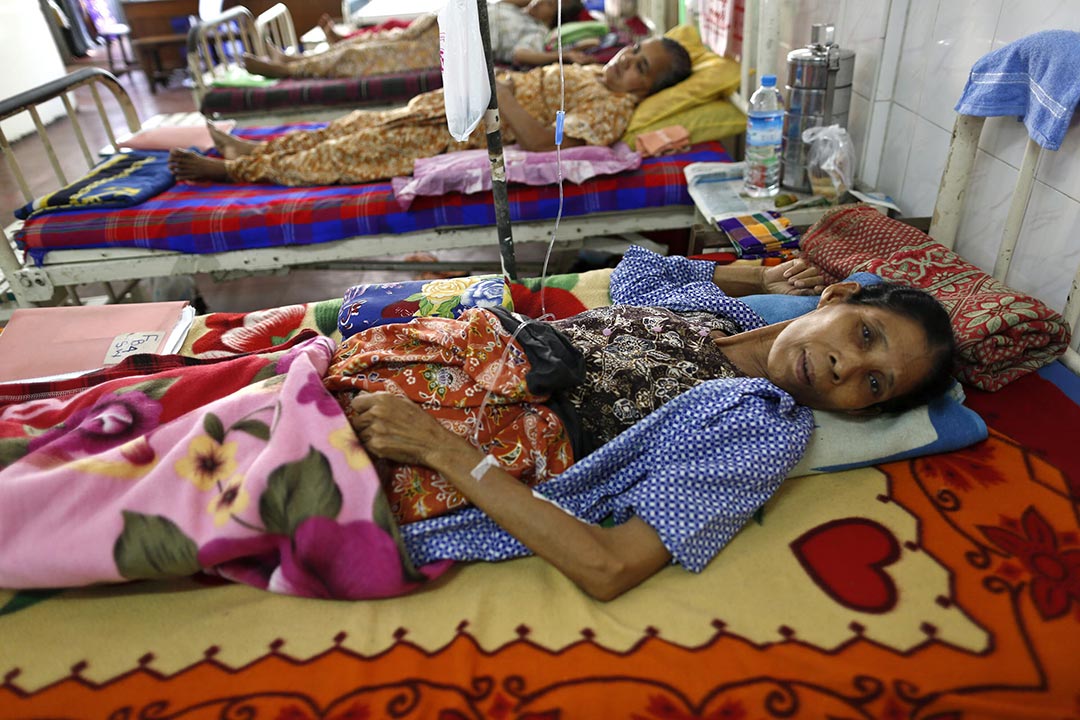
At a glance
- The women’s health gap means women spend 25% more of their lives in poor health or with disabilities than men, resulting in a loss of 75 million years of life globally.
- Addressing this disparity presents a significant economic opportunity, with the potential to boost the global economy by at least $1 trillion annually by 2040.
- The World Economic Forum is working to close the women's health gap through initiatives like the Global Alliance for Women's Health.
Women account for half of the global population; they are essential to economic growth and societal wellbeing, yet their health still lags behind men’s. And despite greater longevity, women spend more years in declining health. Here are some surprising statistics that show just how persistent the health gap remains – and where efforts should focus to close it.
75 million years of women's lives
Women tend to live longer than men, but spend 25% more of their lives in poor health or with disabilities than men. This amounts to 75 million years of life lost due to the women’s health gap – diminishing well-being, reducing workforce participation and carrying substantial economic consequences. Contributors to these losses include barriers to women’s care, limited data on women’s health, and a default that relies on male biology, resulting in less understanding and fewer treatments for women.

Image: World Economic Forum
$1 trillion economic boost from addressing women's health
Addressing women’s poorer health outcomes compared with men’s could boost the global economy by at least $1 trillion annually by 2040.
This is because health is directly correlated with economic prosperity. Improvements in women’s health have been shown to increase labour participation and productivity. In turn, targeted investment in this area can boost productivity, resilience and long-term growth, according to the World Economic Forum’s Women’s Health Investment Outlook 2026.
Only 6% of private healthcare capital spent on women
Health disparities between genders are worsened by limited investment in women’s health and a shortage of products and services tailored to their needs. Only 6% of the ~$2.9 trillion in total private healthcare capital is spent on conditions affecting women. Of these single-digit investments, the majority – 90% – of capital is allocated to just three areas: women’s cancers, reproductive health and maternal health. However, many other conditions that uniquely or disproportionately affect women compared with men are largely neglected.
Have you read?
Less than 2% of private healthcare funds for women-specific conditions
Women-specific conditions such as endometriosis, menopause and polycystic ovary syndrome, which affect the lives of millions of women around the world, receive under 2% of private healthcare funding, the Women’s Health Investment Outlook found. Yet these are among the most debilitating for women globally.

Image: World Economic Forum
$100 billion unlocked if therapeutic areas addressed
Addressing such underfunded therapeutic areas in women’s health could unlock more than $100 billion in market opportunity by 2030. These include cardiovascular disease, osteoporosis, menopause and Alzheimer’s. Those four areas alone could create $100 billion or more in US investment opportunities, research from the Boston Consulting Group finds.
5% of trials report sex-disaggregated data
Only around 5% of clinical trials report sex-disaggregated data. Without this specific reporting, medical evidence remains incomplete, masking how treatment responses and physical mechanisms vary between men and women. This 'data gap' means women are often prescribed treatments based on research that primarily reflects male biology.
Prevalence of diagnosed gender-specific health conditions
(US, January 2019-August 2022)

Women are diagnosed later than men for 700 diseases
A population-wide analysis covering two decades of health data revealed that women are diagnosed later than men for more than 700 diseases by four years on average. Diagnostic hurdles remain a primary barrier to equity. Only 2 in 10 women receive a correct menopause diagnosis when first seeking help. Similarly, conditions like endometriosis can take more than seven years to be correctly identified, leading to years of preventable pain and health complications.
Psychological hazards at work are unevenly balanced
The imbalance between men and women is also reflected in work-related health, as a report from the International Labour Organization highlights.
Mental health conditions such as depression, anxiety and burnout are more frequently reported by women than by men. The report's finding that women are often overrepresented in roles with high emotional demands, low decision authority and insecure employment might help explain some of this bias.
Women are predominantly employed in care, service and health sectors, which are characterized by shift work, high workloads and frequent exposure to workplace violence – including sexual violence – and harassment.
The report finds that disability pensions due to mental and behavioural issues are more common in women than in men. In Finland, for example, depression was the most common diagnosis for disability pensions, with 36% of women diagnosed compared to only 20% of men.
Furthermore, irregular hours, shift work and work-related stress are associated with reduced fertility and adverse pregnancy outcomes such as premature birth and low birth weight.

Image: International Labour Organization
Championing women's health
The World Economic Forum is actively closing these gaps through the Global Alliance for Women's Health, a multisector platform dedicated to redesigning the future of care. Supported by the Champions for Women's Health – a coalition of global leaders – the Forum is driving the policy shifts, innovation and large-scale investment required to turn the $1 trillion economic potential into a reality of better health, dignity and longevity for women worldwide.