
“We are the system”: Meet Mozambique’s ‘do-it-all’ midwives
In rural Mozambique local midwives are often the sole source of healthcare for mothers and their children. As they themselves say, ambitions to protect millions of Mozambican children with vaccines fall at their door.
- 21 August 2026
- 6 min read
- by Winile Ximba
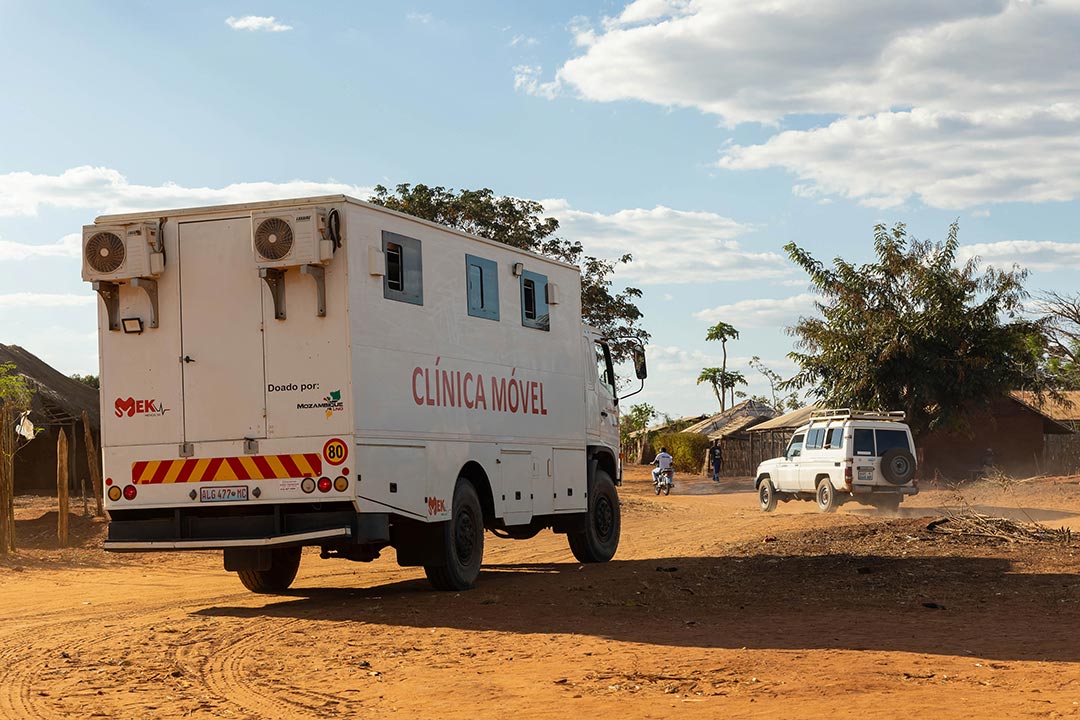
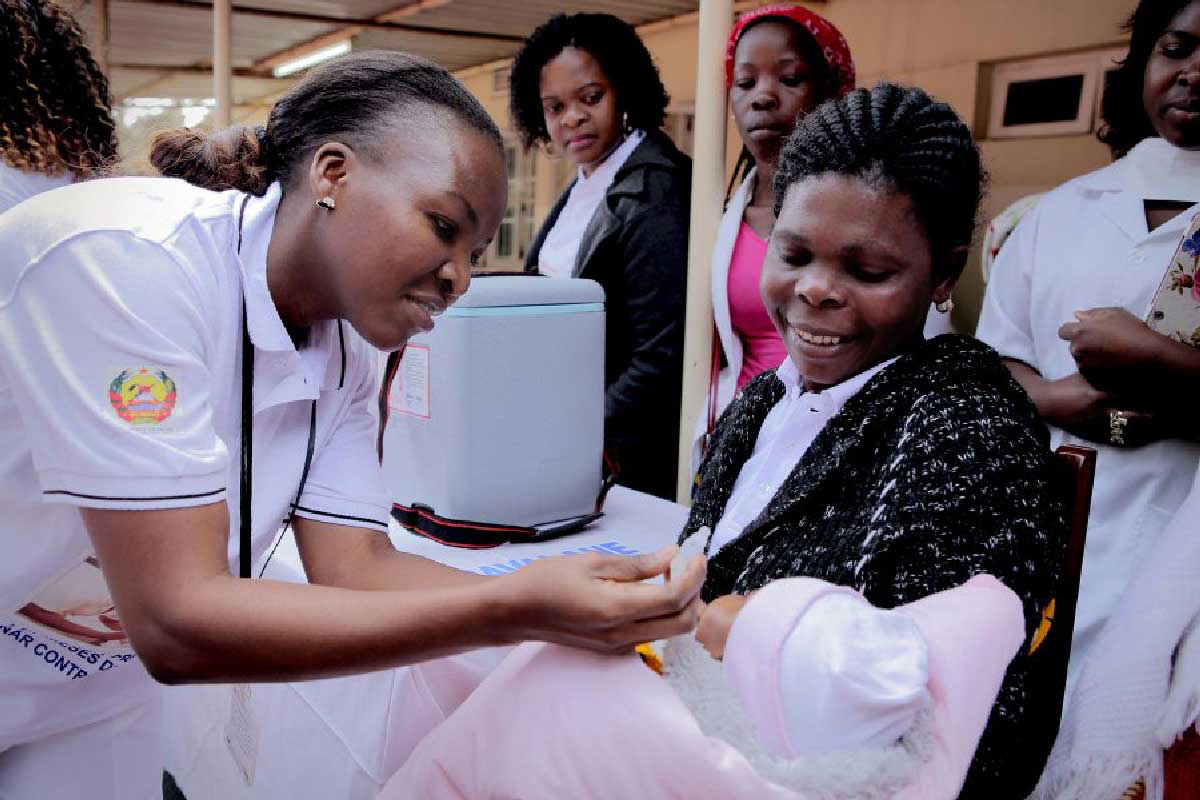
Barbara Fazenda, 49, has done it all over the years – attending emergency births, treating babies with flu, counselling fearful teenage mothers who are unaware that the sting of the vaccine needle helps so much more than it hurts.
“It’s a juggling act,” says Fazenda, a midwife based in Gurue, one of the most deprived rural districts of Zambezia, the central Mozambique province. She is employed by the Mozambique Health Ministry and serves assisted by two community health workers at a rural health post – a makeshift two-room satellite clinic located 49 km from the better-equipped Centro de Saúde de Gurué.
Her building has no obstetrics room, no pharmacist, no doctor on call and no standby ambulance – yet a line of a dozen of vulnerable mothers come in every week looking for help.
“This is the load on the shoulders of us midwives in rural Gurue. In remote locations, we are the nurse, doctor, vaccinators, therapist for an underfunded primary healthcare system”.
She says the so-called “estratégia de porta única”, or single-door policy, is a model born out of an necessity, not necessarily design. Mozambique has a dire shortage of trained health workers of all stripes, with just 0.2 physicians and 0.94 nurses and midwives per 1,000 patients. That density falls well below the World Health Organization’s guideline rates, which estimate 2.5 medical staff per 1,000 as a minimum for adequate primary health coverage.
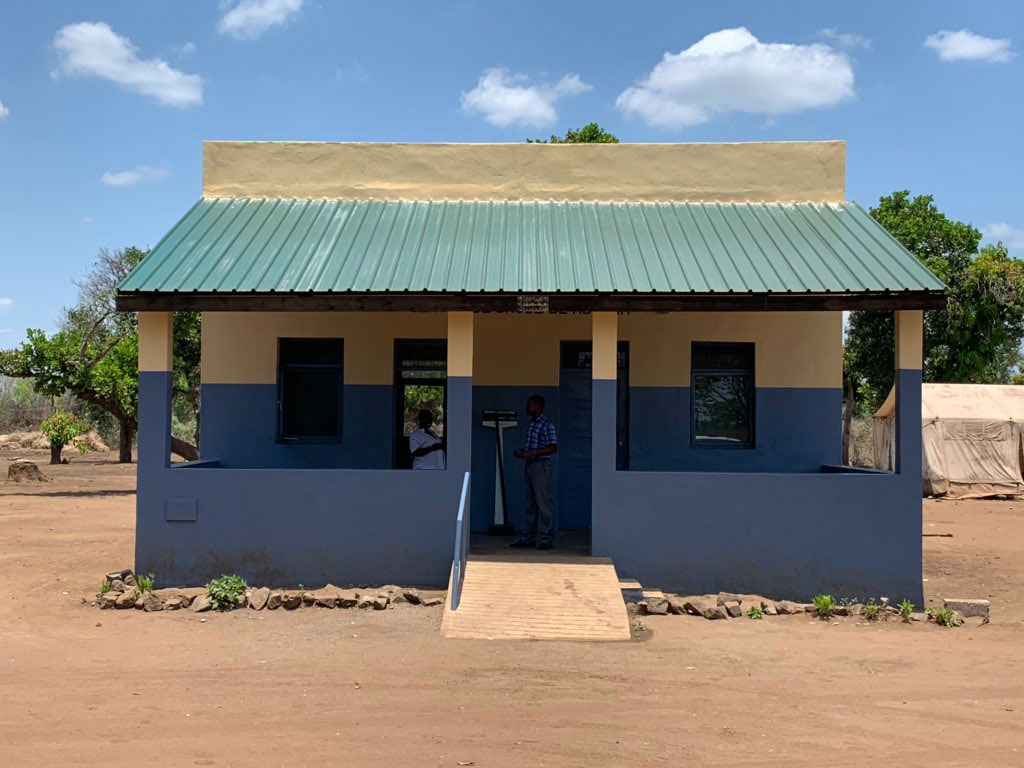
Credit: Disasters Emergency Commitee
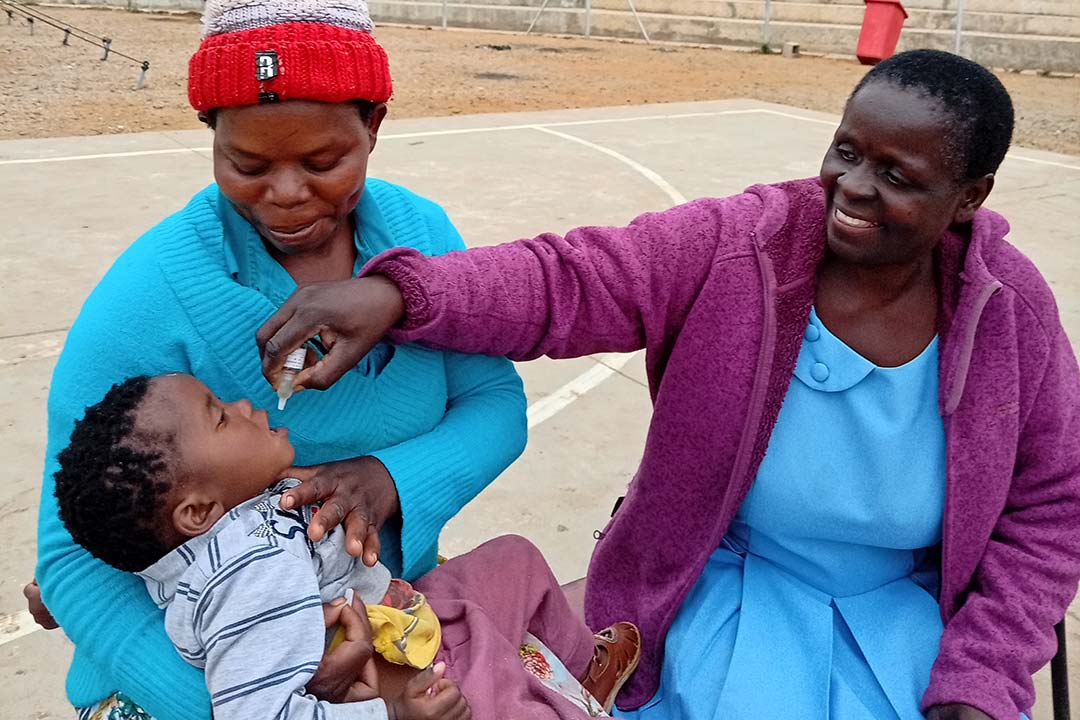
In practice, it means that in many remote rural outposts, just one trained health technician, usually a midwife like Fazenda, does it all. “A few times we even pay out of pocket for a critically ill baby to be sent to the city or Gurué Rural Hospital – and when the baby returns healthier, the mothers thanks us with a live chicken gift. We can’t really take gifts from the poor,” she says. Poverty touches everything she sees, she explains, from educational levels to nutritional deficiencies and immune vulnerability.
Peripheral, but critical
Fazenda is a deeply religious woman, who says selflessness is her “entire identity and calling”. She graduated as a midwife at Beira Central Hospital 15 years ago, and worked in the port city for ten years before she relocated to Gurue, her district of origin. Her goal was to “serve my community”, and to do that, she spurned more lucrative employment with healthcare NGOs.
“However, apart from being a critical vaccinator and nurse of last resort in my community, the city-based NGOs make me the first port of call to gauge the community’s status each time they visit my village for healthcare surveys,” she says.
Have you read?
As peripheral as they often are geographically, Fazenda and her colleagues are also located right at the heart of a global campaign.
After years of disruption to immunisation due to the COVID-19 pandemic, conflict and an apparently rolling sequence of extreme weather crises, the “Big Catch-up” is a multi-country push to patch up a dangerously frayed immunisation safety net. Mozambique’s progress under the campaign has been encouraging. But Maria Lourenço , leader of the Mozambican Order of Nurses, suggests the story being told about the country’s successes unduly relegates figures like Fazenda to a supporting role.
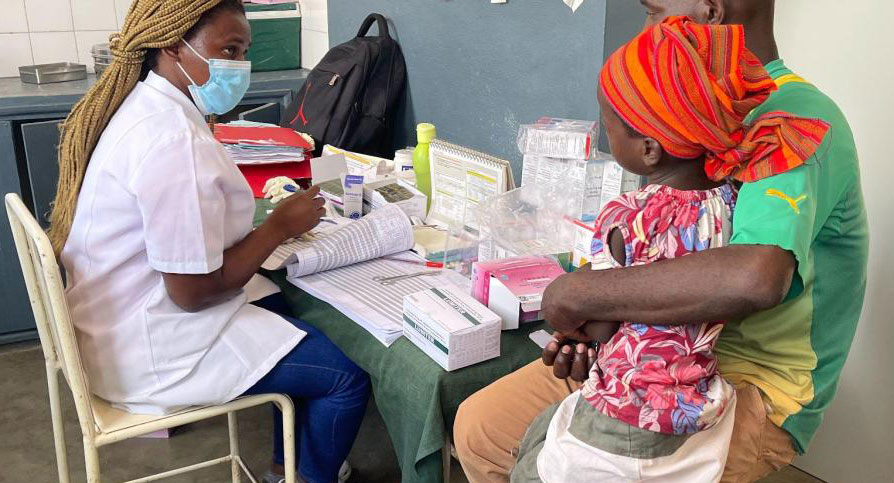
Credit: Ministry of health and Zimpricecheck
“The big global positive headlines about immunisation milestones tend to dwell on cold chain logistics, data, vaccine shipments, big donor commitments. The rural ‘do-it-all’ health technicians, they are the persons actually doing the immunisation on babies under candlelight in districts where there is no electricity – after a day of delivering an emergency baby whose due date was not known. They are hardly celebrated, and that’s unfair,” she says.
“A literal walking hospital”
Una Bishi, 35, is a midwife at Mundonguara Centro De Saúde Rural II, a deprived rural health outpost in a two-roomed shanty some 1,200 km from Maputo.
Her day rarely follows a predictable to-do list. “It can begin with a long talk with a mum who has never heard of the malaria vaccine. I always tell my clients that I’m basically a midwife – but they call me everything – doctor, therapist, vaccinator – because a lot of the rural mums here have never seen a doctor or therapist in their lifetime,” she says.
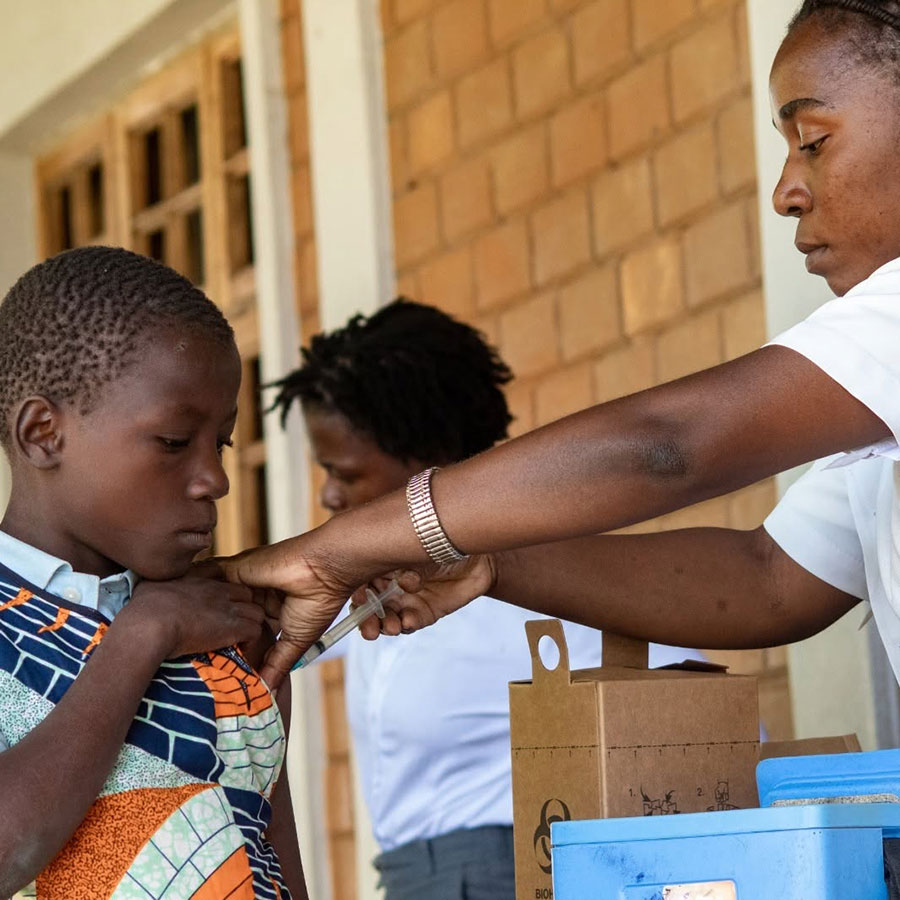
Credit: Una Bishi
If she’s pulling out a contraceptive kit for one mum, another may rush into her clinic screaming with pregnancy cramps, “and I have to stop everything to see, by manual hand-turning, if the foetus is doing well”, Bishi says.
“Sometimes, she wants to ask for her husband’s permission first, but we insist that time mustn’t be wasted and we usually get our way, thankfully,” she says.
Her clinic has no formal triage chart. She draws on experience to quickly separate a baby with teething issues and one with a red-flag fever. “I feel like Mother Theresa – a literal walking hospital. To be honest, it eventually takes a toll on our bodies – the multi-tasking. We would love it if there were a paediatric doctor and ambulance and pharmacist on call within every 40 km radius of every Mozambique rural health outpost like us,” she says.
“We are the system”
Rural mother Susana Mpempo, 35, says of the supercharged nurses that bring healthcare into their orbit: “We trust them wholeheartedly in a space where there are no pharmacists, doctors available.”
Fazenda delivered Mpempo’s last baby in 2023, when she was having cramps in the legs during the emergency birth. There was no ambulance – she has never had an ultrasound in her life – and a doctor had never assessed her pregnancy.
“These do-it-all midwives have earned our trust. They test our blood for HIV during pregnancy, deliver our babies during unplanned emergencies – strongly call us into the clinic for vaccines,” Mpempo continues. She says she has seen Fazenda skip her own lunch or days off to travel to the home of a baby who is sick.
“I have seen her enter homes unannounced to enforce that a pregnant mum with herpes takes her meds so that the growing foetus is not affected,” she says.
“We are rural healthcare workers: we believe we are heroes,” Fazenda says. “We are not stop-gap people. We are the system. Big ambitions to catch up all the millions of Mozambique kids on vaccines fail or succeed at our doors,” Fazenda says.