
Wildlife trade is fuelling the spread of diseases to humans, study finds
A 40-year analysis of global wildlife trade suggests that the longer a species has been traded, the greater the risk it poses to humans.
- 10 April 2026
- 5 min read
- by Linda Geddes
At a glance
- The global wildlife trade has been linked to major disease outbreaks, but its long-term role in shaping pathogen exchange between humans and wild animals has remained unclear.
- A new study analysing 40 years of global trade data finds that traded mammals are 1.5 times more likely to share pathogens with humans than non-traded species.
- The longer a species is traded, the more pathogens it shares with humans. On average, this amounts to one additional pathogen for every decade in trade.
The global wildlife trade could be accelerating the spillover of diseases from animals to humans, a new study warns.
It found that traded mammals are more than 40% more likely to harbour human-infecting pathogens than untraded ones, with the risk growing the longer a species has been traded.
Researchers say the findings underscore the need to better understand and manage the role of traded wildlife in human disease to reduce the risk of future outbreaks.
How does the global wildlife trade contribute to human disease outbreaks?
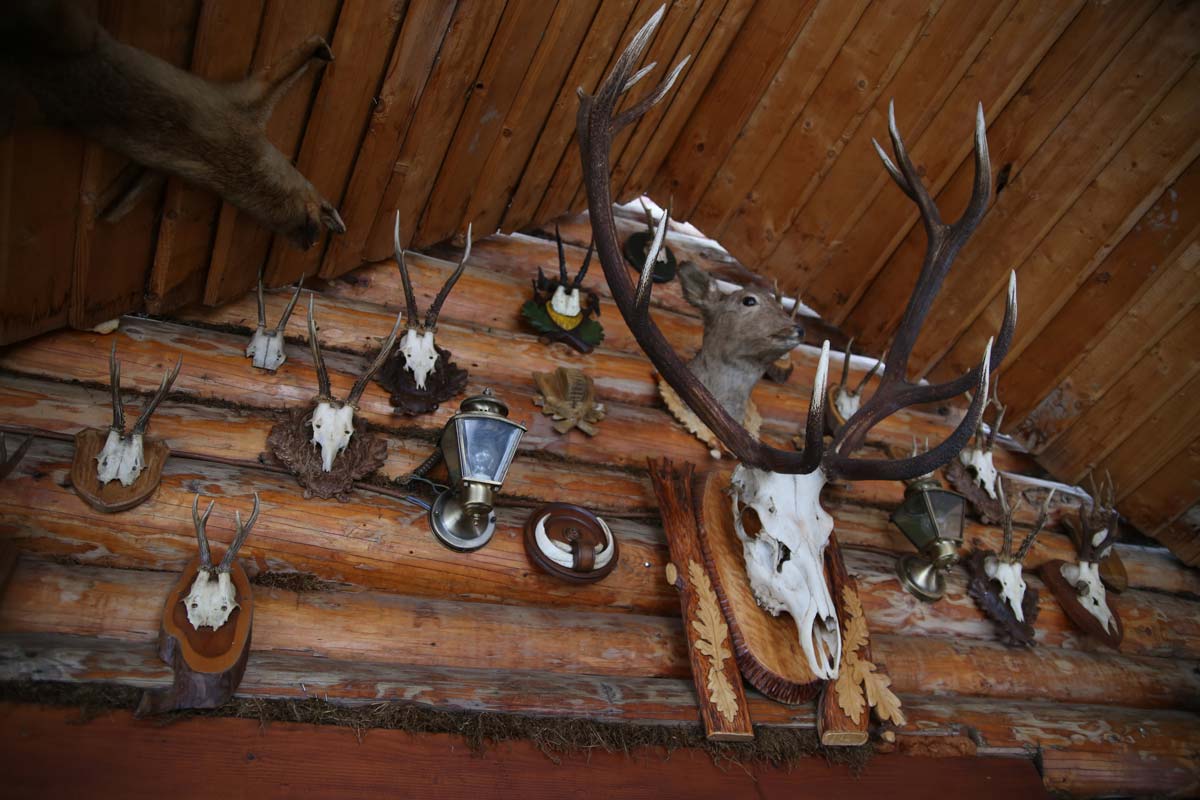
The global wildlife trade brings humans into close contact with a wide range of species, sold as pets, hunting trophies, or for their meat, fur, traditional medicine and biomedical research.
Among mammals alone, roughly a quarter of all species are targeted in this trade.
Multiple stages of the supply chain create opportunities for pathogens to jump between species. From harvesting and breeding to storage, transport, market sale and end use, these interactions can occasionally trigger outbreaks of infectious disease in humans.
Although several high-profile outbreaks, such as the emergence of HIV, the 2014 West African Ebola epidemic and the COVID-19 pandemic, have been linked to traded wildlife, its long-term influence on the exchange of pathogens between humans and wild animals remains unclear.
To investigate these links, Dr Jérôme Gippet at the University of Fribourg and the University of Lausanne in Switzerland and colleagues analysed 40 years of global wildlife trade data drawn from three major sources: the Convention on International Trade in Endangered Species of Wild Fauna and Flora (CITES), the Law Enforcement Management Information System (LEMIS), and the Dataset of Seized Wildlife and their intended uses datasets.
They then linked these data to the CLOVER database, which catalogues more than 190,000 mammal-pathogen associations, to identify which species are known to share pathogens with humans.
Which animals pose the greatest spillover threat?
The research, published in Science, found that traded wild mammals are 1.5 times more likely to share pathogens with humans than non-traded species.
This means that both humans and animals are known to carry the same disease-causing organisms. “In other words, [traded] species have a 50% higher probability of sharing at least one virus, bacterium, fungus or parasite with us,” Gippet said.
Although sharing pathogens indicates the potential for diseases to pass between animals and humans, it does not necessarily mean that transmission has directly occurred between them.
Species sold in live-animal markets shared on average 1.5 times more pathogens with humans than those traded solely as products
Another finding is that the length of time a species had been traded further increases the number of pathogens it shares with humans. “On average, a species shares one additional pathogen with humans for every ten-year period spent on the market,” Gippet said.
“This finding implies that pathogens hosted by traded species that currently do not infect humans are more likely to do so in the near future compared with those hosted by nontraded species.”
As new species enter the global wildlife trade, additional pathogens are likely to gain opportunities to infect humans, increasing the future risk of outbreaks – including potential epidemics and pandemics – the researchers warned.
What else influences the risk of spillover to humans?
The study also found that, among traded mammals, species sold in live-animal markets shared on average 1.5 times more pathogens with humans than those traded solely as products such as meat, fur or traditional medicine.
Illegally traded species were also found to share around 1.4 times more pathogens with humans than those traded exclusively through legal channels.
These findings support the idea that illegal trade and live-animal markets can facilitate the transmission of pathogens between species, although their effects are weaker than the impact of how long a species has been traded, the researchers said.
How can the risk of animal to human spillover be reduced?
The study highlights the need to improve surveillance of animals and animal-derived products, both to detect potential pathogens and assess their ability to infect humans.
Currently, the main multilateral agreement governing international trade in wild species, CITES, focuses primarily on preventing extinction.
The finding that the length of time a species has been traded increases the number of pathogens it shares with humans also emphasises the importance of repeated and prolonged contact.
“To reduce disease emergence, these opportunities for encounters must be limited, and therefore the overall volume of trade,” said Gippet.
He added that, even though the probability of being infected by playing a piano with ivory keys or wearing fur was almost non-existent, our consumption choices also indirectly fuel the transmission of pathogens to humans.
“The problem lies at the beginning of the chain: someone had to hunt the animal, skin it, transport it,” he said.