
In Zimbabwe, an almost-deadly collision between fake news and a real virus
Misinformation can affect and even derail polio vaccination campaigns, threatening the lives of children in underprotected communities.
- 23 March 2026
- 7 min read
- by Derick Matsengarwodzi
At a glance
- In 2023, after environmental samples tested positive for poliovirus in Zimbabwe, the government organised a large-scale reactive vaccination campaign.
- But out in the community, vaccinators quickly spotted a challenge: anti-vaccine misinformation was spreading on WhatsApp, and threatening to disrupt protection.
- Experts say learning to counter misinformation effectively is vital for public health. “It starts with listening. Too often, we rush to correct people without hearing their concerns. When parents feel heard, they’re more open to facts,” one vaccinologist explained.
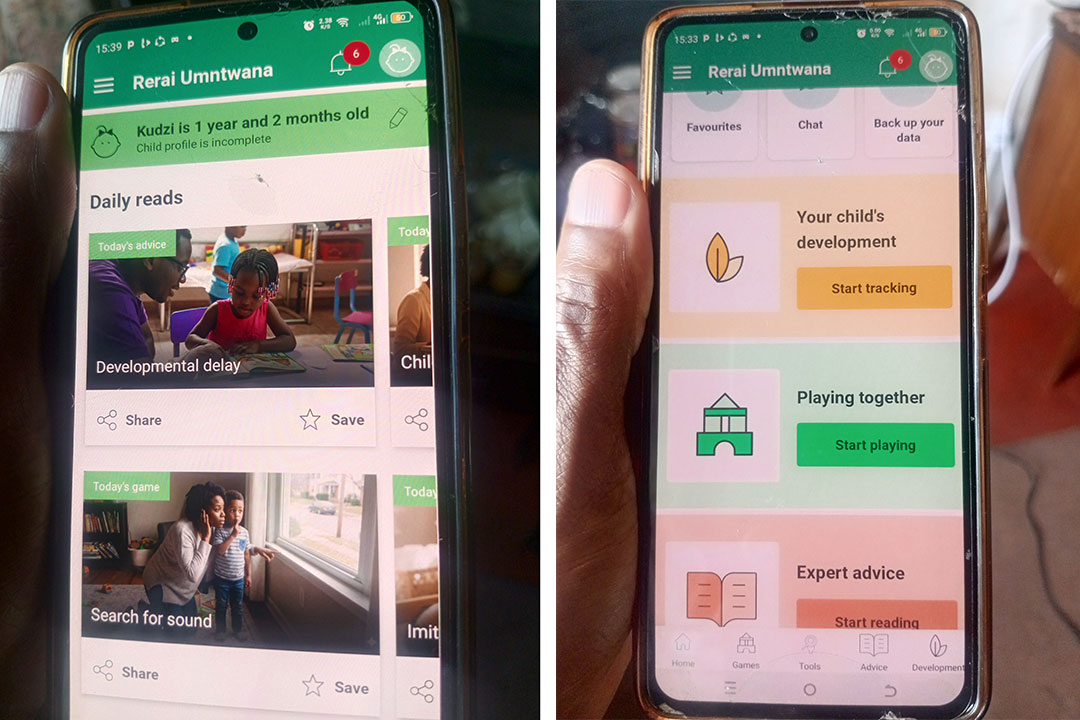
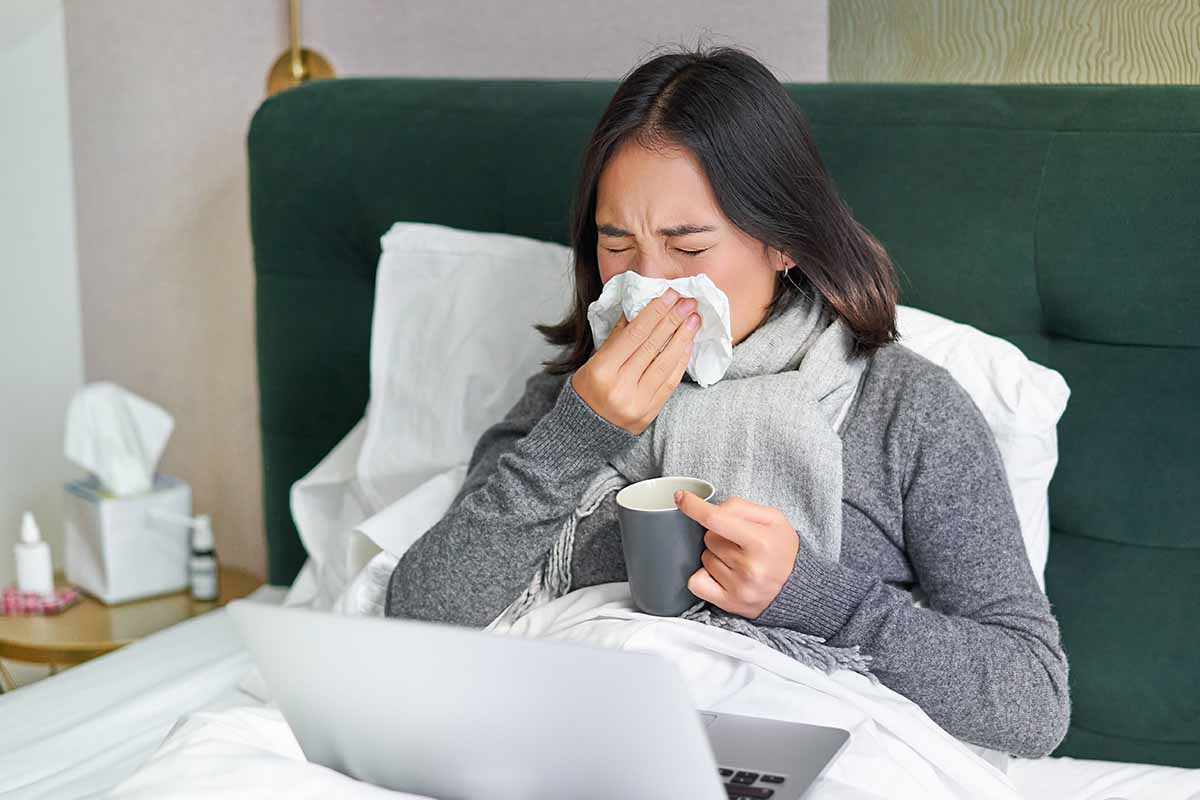
One day in 2023, mother-of-one Memory Mukusha was attending to her toddler when a curious message popped up on her mobile. She stopped what she was doing to read the incoming message, flagged eye-catchingly as “breaking news”.
At first glance, she took the tone of the text to be flatly educational. But the more she read, the more it stirred a stream of unsteady feelings, swelling to fear, in her. “Before, I had received many messages regarding health issues, but this one claiming that polio vaccination could cause infertility and many other problems to my only child, made me tremble,” Mukusha recollects.
It wasn’t obvious to her that this message was false, although it was. Like many young people in Zimbabwe and elsewhere, Mukusha, 26, relies on WhatsApp and other social media as a principal and trusted source of daily news and information. She reports that she broadly takes the information shared via her favourite WhatsApp groups as the truth – despite a baked-in lack of factual verification.
What she was reading now contradicted what healthcare staff had told her. It rattled her sense of trust deeply. The joy of motherhood, she recalls, became suddenly nightmarish.
Fake news and unqualified ‘experts’
As was her habit, she read the message, and quickly forwarded it on, soliciting some input to help her make sense of what she was being told.
In the WhatsApp group, she remembers, messages pinged in: many who called themselves experts, who came from different backgrounds and religious beliefs, offered pieces of conflicting advice.
Credit: Derick Matsengarwodzi
In a nation in which about 5 million of the total of 16 million citizens use WhatsApp to communicate easily and affordably, misinformation and disinformation can rapidly go viral, overtaking often less sensational authentic news. In this case, as in other outbreaks of anti-vaccine misinformation, that spread had the potential to threaten lives.
“In the WhatsApp group, with hundreds of participants, some were even posting messages about how COVID-19 vaccines had affected people in other countries,” Mukusha said. “To a first-time mother, this is disturbing, and without reliable information, one can easily make wrong decisions.”
All-too-real virus meets viral misinformation
As is often the case, this piece of misinformation was circulating amid an atmosphere of alarm that had a very real grounding.
In February 2023, before the WhatsApp message, environmental samples had been taken from four surveillance sites in Harare. In these, 17 tested positive for type 2 variant poliovirus (also called circulating vaccine-derived poliovirus type 2, or cVDPV2).
Although no cases of acute flaccid paralysis had so far been identified, the risk that children would soon begin to show up sick was real. So, in October 2023, a public health emergency was declared, and by January 2024, 10,517,500 doses of novel Oral Polio Vaccine type 2 (nOPV2) arrived in-country.
The Ministry of Health and Child Care (MoHCC) acted fast, launching two rounds of vaccinations with the novel Oral Polio Vaccine type 2 (nOPV2) for children aged under ten years, with the first push kicking off in early 2024.
“The detection of cVDPV2 is a serious concern, but we are prepared to respond swiftly and effectively. This nationwide vaccination campaign demonstrates our unwavering commitment to protecting the health of every child in Zimbabwe,” Dr Douglas Mombeshora, the Minister of Health and Child Care, said at that time.
Have you read?
But vaccine hesitancy, connected to swirling misinformation, threatened the campaign’s achievement of its target: reaching an estimated 4 million children.
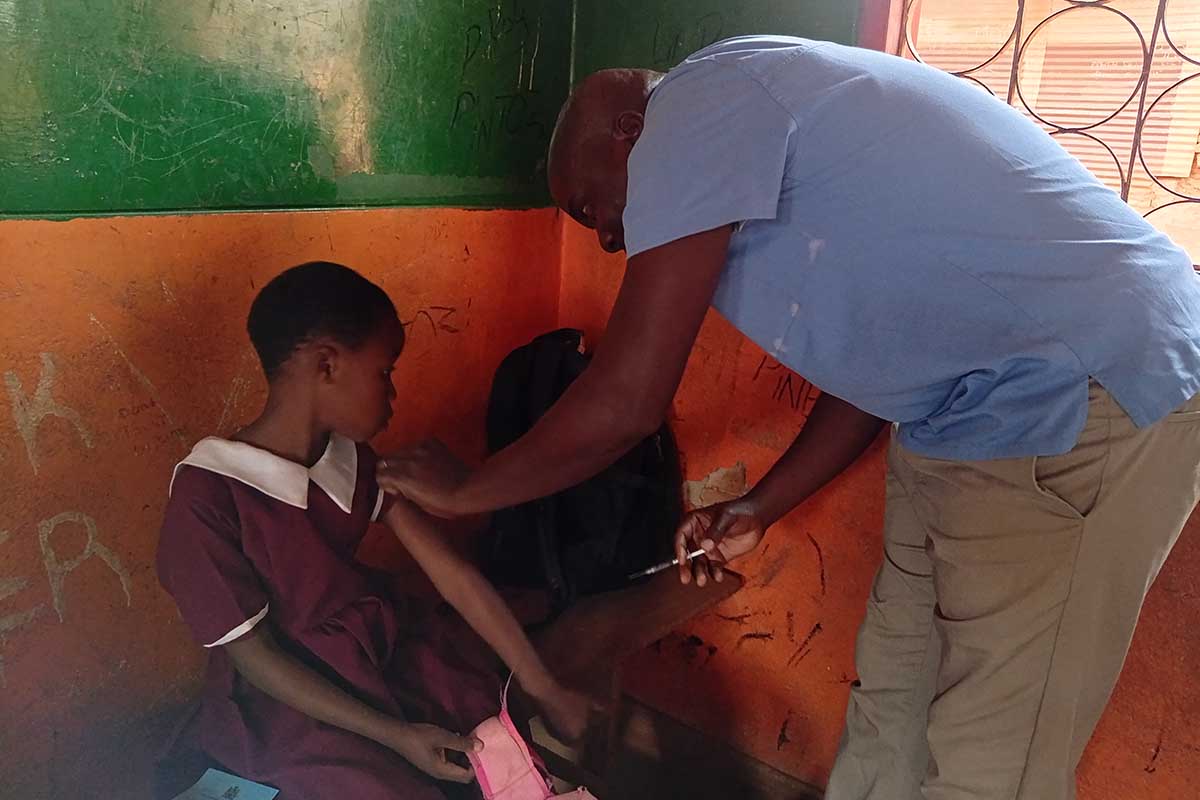
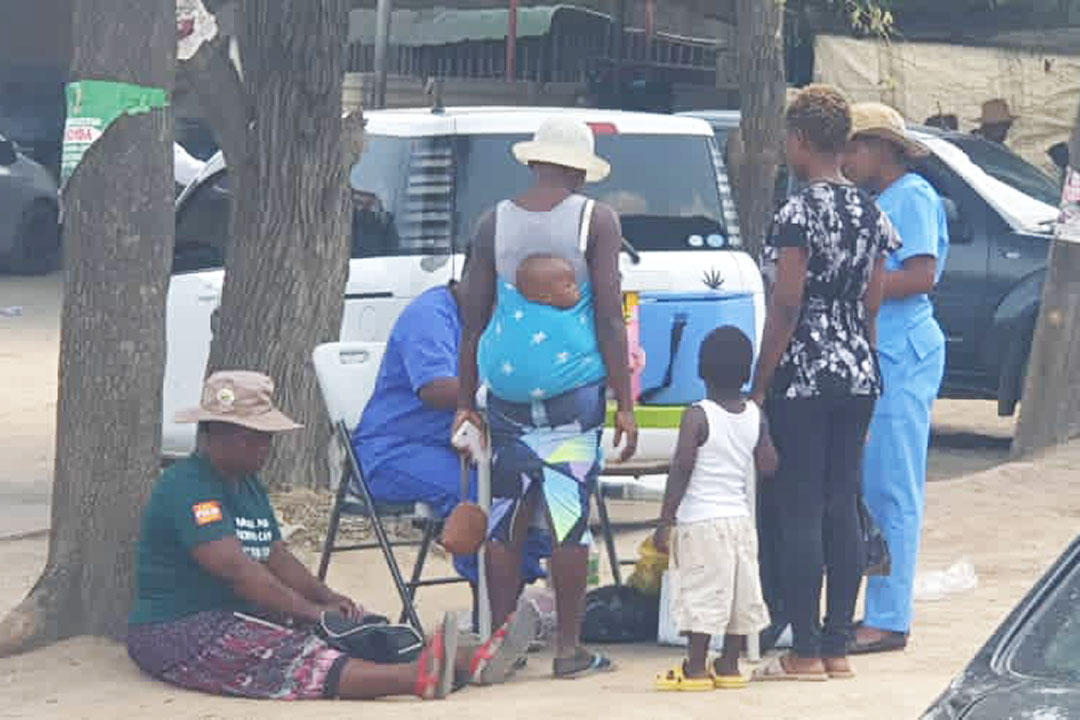
According to one vaccinator, Loice Maunganidze, the impact of misinformation on the ground was evident right away. “When we got on the field to start the vaccination, we responded to many questions regarding the safety of the vaccines, and some mothers even showed us messages that were sent via WhatsApp, discouraging them from getting their children vaccinated.”
Polio vaccine myths
“One of the most persistent myths is that polio vaccines cause infertility,” said Reagan Chidhakwa, a Zimbabwean vaccinologist. “We’ve seen this rumour derail campaigns in northern Nigeria and parts of Pakistan. There’s absolutely no scientific evidence for it, but because it taps into deep fears, it spreads quickly.”
Another rumour, Chidhakwa tells VaccinesWork, is that the vaccine itself is likely to cause polio, mainly due to misunderstandings about the nature of vaccine-derived poliovirus. Vaccine-derived poliovirus occurs only in the very rare cases that the weakened, safe virus contained in the oral polio vaccine begins to mutate, and keeps mutating as it spreads and spreads through a poorly-protected population.
Credit Derick Matsengarwodzi
The solution is better coverage, explained Oliver Rosenbauer, communications lead at the Global Polio Eradication Initiative (GPEI). “If you have high vaccination coverage in a community, then such vaccine viruses are not able to find susceptible children, not able to circulate, and do not change into strong viruses. So again, high vaccination coverage is the key. If you look at Pakistan as an example, where probably more OPV doses are administered every single year than anywhere else in the world, there are no VDPVs at all, simply because vaccination coverage is so high. Coverage is key.”
Higher vaccine coverage would fix the risk of polio, but a fix was still required for the misinformation that might hamper achieving it. Through the Real-Time Refusals Tracker and the Rumour Management System, UNICEF’s Social and Behavior Change group, working with other partners, engaged local media, health officials, the GPEI and the Zimbabwe National Immunization Technical Advisory Group (ZimNITAG), to push out factual updates that could accurately counter the misinformation.
“By filling information gaps and addressing the media’s concerns, these engagements encouraged responsible and factual reporting, which played a pivotal role in reshaping public perception,” the GPEI stated. “The strategic interventions collectively led to significant success in the vaccination campaign. By the conclusion of the second round in March 2024, Zimbabwe had vaccinated over 4.7 million children, exceeding the target by 13.2% and achieving a coverage rate of 113.2%.”
“There are many barriers to reach children, said Rosenbauer. “Part of the solutions are community engagement strategies, and it’s not just fighting disinformation, but making communities aware. Together with our partners, we work with communities, community leaders, religious leaders and parents to engage in polio eradication and give them the opportunity to ask questions about any rumours.”
Saving “zero-dose” children
The risk that a misinformation epidemic might seed a polio epidemic is real and grave anywhere in the world.
And that would be nothing short of a public health disaster. Chidhakwa says polio outbreaks strain health systems, divert resources and disproportionately affect marginalised children. Once polio re-establishes itself in a community, eliminating it again takes enormous effort.
Credit Derick Matsengarwodzi
Addressing misinformation, he says, is urgent, and it requires transparency. “It starts with listening. Too often, we rush to correct people without hearing their concerns. When parents feel heard, they’re more open to facts,” said Chidhakwa. “Then, we work with trusted messengers, faith leaders, teachers, midwives, people who already have credibility. Transparency is key: we share safety data, explain how adverse events are investigated and admit what we don’t know.”
After the 2023 incident, Mukusha is now well-informed. She believes that her choice to ignore the rumours may have saved her child, and saved herself from lifelong regrets. She says she knows some children whose parents refused vaccines on the Zimbabwean vaccination schedule, and who later fell ill, with enduring effects.
“In the midst of the confusion, I engaged some healthcare experts, sharing some messages I got from WhatsApp. They later gave me the correct information, trustworthy groups to follow on social media and got reliable information from websites, like WHO and UNICEF,” said Mukusha.
“Since that time, I have learnt to treat messages on social media with caution,” she said. “I now rely on information from trained health professionals, who are trained for the job, rather than anonymous individuals.”