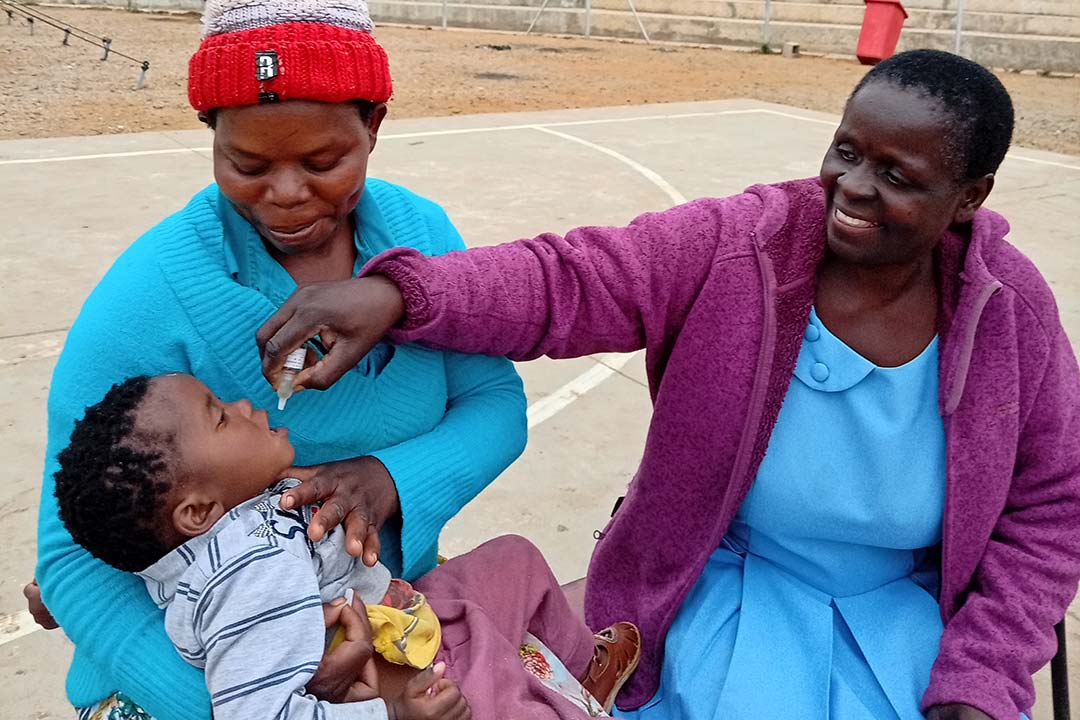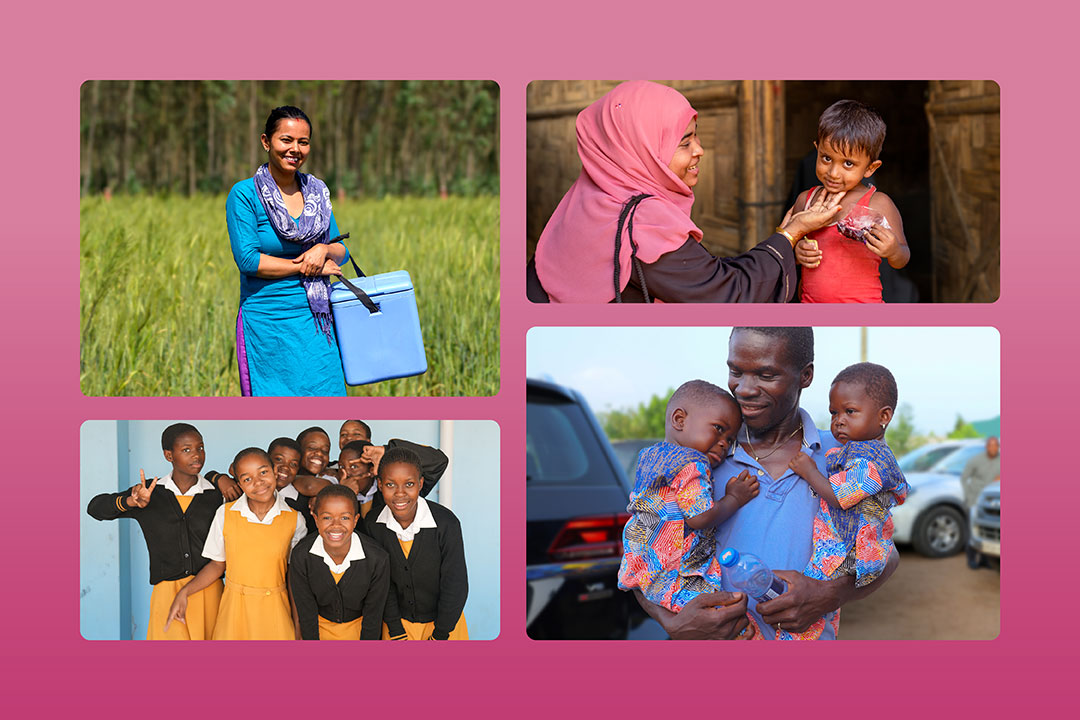

The Big Catch-Up has achieved much of what it set out to do. Its legacy could last generations
Pandemic disruptions reversed decades of immunisation progress. A programme designed to catch-up, restore and strengthen immunisation programmes is shifting paradigms.
- 24 April 2026
- 5 min read
- by Alex de Jonquieres , Rita Kaali , Phionah Lynn Atuhebwe , Diana Chang Blanc
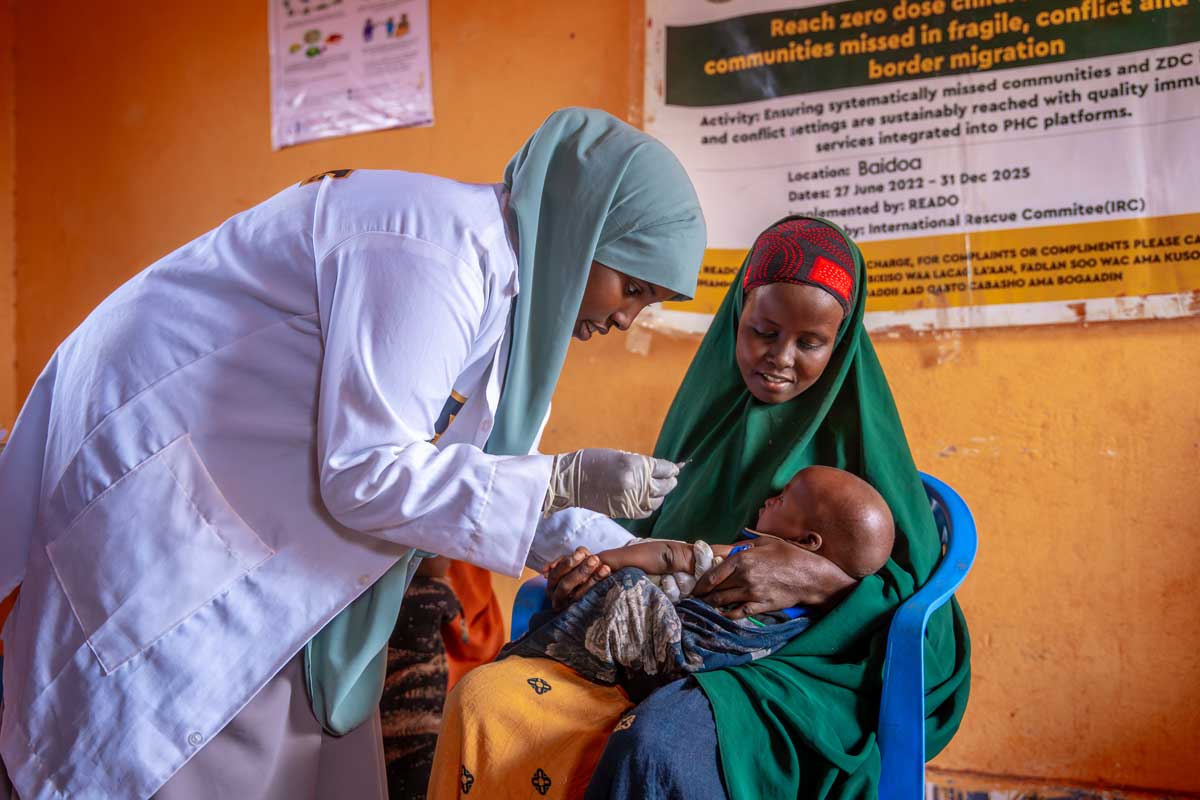
The past 25 years have seen incredible progress when it comes to closing the global immunisation gap.
In 2000 nearly half of all children born in lower-income countries were missing out on the basic vaccines that families in wealthier countries could take for granted.
Thanks to a historic, momentous effort from governments, international organisations, the private sector and civil society – acting together under the umbrella of Gavi, the Vaccine Alliance – today over 80% of children in these countries are protected.
This is what we mean when we talk about vaccine equity: the idea that a child’s chances of succumbing to preventable diseases should not be dictated by where they’re born.
However, vaccine coverage in many lower-income countries still lags well below that in high-income countries, with millions of children missing out every year. Reaching these last ‘zero-dose’ children is our toughest challenge yet.
Pandemic disruption
Since 2016 we have been focusing on these final missed communities. These communities could be missing out due to conflict and fragility or the fact they live in remote, challenging geographies. Many live in urban centres right next to hospitals and health clinics, but choose not to access immunisation or face other barriers to access, such as gender and social norms.
And because immunisation coverage is higher than any other health intervention, a community missing vaccines is likely to be systematically missed by the health system as a whole, lacking basic medical care of any kind. Closing the vaccine gap is an essential first step towards universal health coverage.
As we kicked off this push for equity, we saw initial progress. From 2016 to 2019 the number of zero-dose children in Gavi’s partner countries dropped by nearly 25%. Millions of children received their first vaccines; communities that had otherwise been invisible to health systems finally, in many cases for the first time, received access to care.
Then came the pandemic.
COVID‑19 disrupted essential health services everywhere. Outreach slowed, health workers were stretched, supply chains were hit, campaigns were disrupted and families lost access to routine immunisation.
Hard‑won progress in reaching zero‑dose children stalled, and in many countries reversed, exposing structural inequities that had long existed beneath the surface. The number of children in lower-income countries missing out on basic vaccines rose from 9.3 million in 2019 to 12.3 million in 2021, with outbreaks of deadly diseases like measles, diphtheria and yellow fever spreading as a consequence.
The Big Catch-Up
To respond, countries and global health partners mobilised an unprecedented effort: the Big Catch-Up.
Launched in 2023 to close immunity gaps created by the pandemic and get progress back on track, this historic initiative aimed to reach millions of children who missed out on routine immunisation during the pandemic years. Thirty-six countries participated, accounting for 60% of the world’s zero-dose children.
Nearly three years on we are seeing the results.
Take Ethiopia as an example, which ranks among the five countries with the highest number of zero-dose children globally. The pandemic compounded pre-existing challenges, from natural disasters to conflict, with vaccine coverage barely shifting from 2012 to 2019. The pandemic only made it harder to move the dial.
But in 2024, the country took decisive action.
Following the launch of the global Big Catch-Up initiative, Ethiopia received supplementary vaccines from Gavi and officially launched its national BCU campaign. Early progress was promising, but the real turning point came in February 2025, when the Ministry of Health and partners reignited the campaign with renewed leadership engagement, integrated delivery and strengthened local implementation.
The goals were ambitious, but the government has delivered on that ambition. Over the past year the Ministry of Health has reached nearly 70% of the children who missed out on their first dose of diphtheria, pertussis and tetanus-containing vaccine during the pandemic. More than 2.5 million children in total have been protected.
Have you read?
A paradigm shift
This is a story we’ve seen across the countries supported by the Big Catch-Up, from Nigeria to Madagascar. At the end of 2024 6.3 million children had been caught up. One year later this number had tripled to over 18 million.
With countries continuing to implement through March 2026, the largest catch-up initiative in history has delivered over 100 million childhood vaccinations. With many countries continuing to implement the Big Catch-Up during the first three months of 2026, the programme is on track to get close to or achieve its target of reaching 21 million children.
This has been a herculean effort, the product of hundreds of thousands of health workers, governments and organisations joining together to ensure families don’t have to go through the suffering of losing a child to a preventable disease, bringing communities back into the fold of the health system.
It could also mark a paradigm shift for immunisation.
Previously the focus has always, understandably, been on routine immunisation: ensuring babies and young children receive their course of vaccines at the recommended age.
This must still, of course, be the priority. However if any children missed out on routine immunisation they could easily be forgotten and added to the statistics of zero-dose children as health authorities moved onto the next generation.
The Big Catch-Up has shown what can happen when we seize every opportunity to ensure this doesn’t happen, that these children aren’t forgotten. That they can catch up.
And countries have taken notice. Of the 36 countries taking part in the Big Catch-Up, 32 are planning to continue with catch-up as part of routine immunisation by including the concept in their National Immunization Strategies, policy, directives or standard operating procedures.
As this initiative nears its conclusion, whether we reach the target or not, we can hope its legacy is a world where far fewer children are left behind when it comes to immunisation. Where millions are given the chance of a healthier future.
More from Alex de Jonquieres