
In Congo-Brazzaville, health workers take to the streets to build trust
In Pointe-Noire, the decision to vaccinate is not made only at the health centre. It takes shape on doorsteps, in conversations between mothers, health workers and neighbours, wherever trust is built or rebuilt.
- 6 May 2026
- 5 min read
- by Brice Kinhou
At a glance
- In Matindé, Congo-Brazzaville, vaccination outreach trips are not necessitated by geographic isolation, but by broken trust. Doorstep visits allow time for dialogue.
- “People need to understand why vaccination matters, not simply be told what to do. When there are doubts, we take the time to talk,” one community health worker said.
- Medics involved in the initiative, which is making progress among the hesitant, have also exported their efforts to the internet, warning that absence from online conversation can allow misleading narratives to take hold.
In Matindé, a working-class neighbourhood in the port city of Pointe-Noire, a mother spots the vaccination team and calls out to her children to come inside.
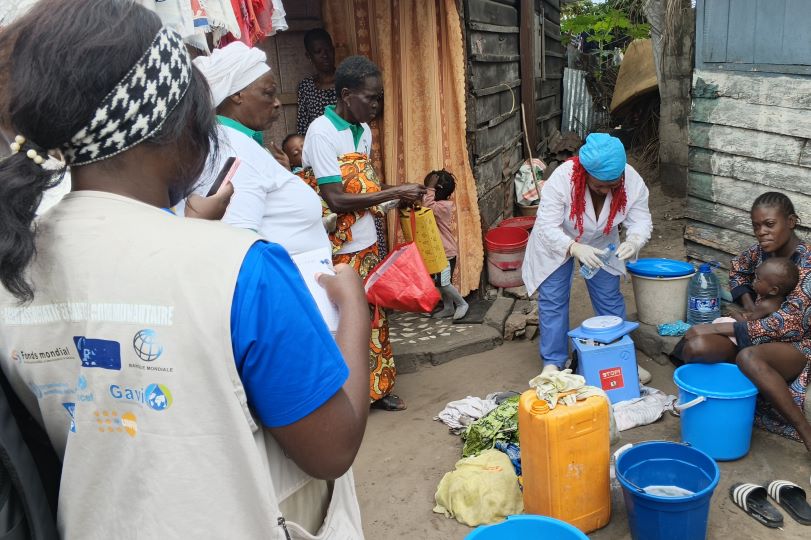
Outside her open plot, where a few wooden houses stand around an unpaved courtyard, the health workers stop. The mother refuses to let them come closer. She repeats the rumours she has heard at the market and around the neighbourhood: people say the vaccines are dangerous.
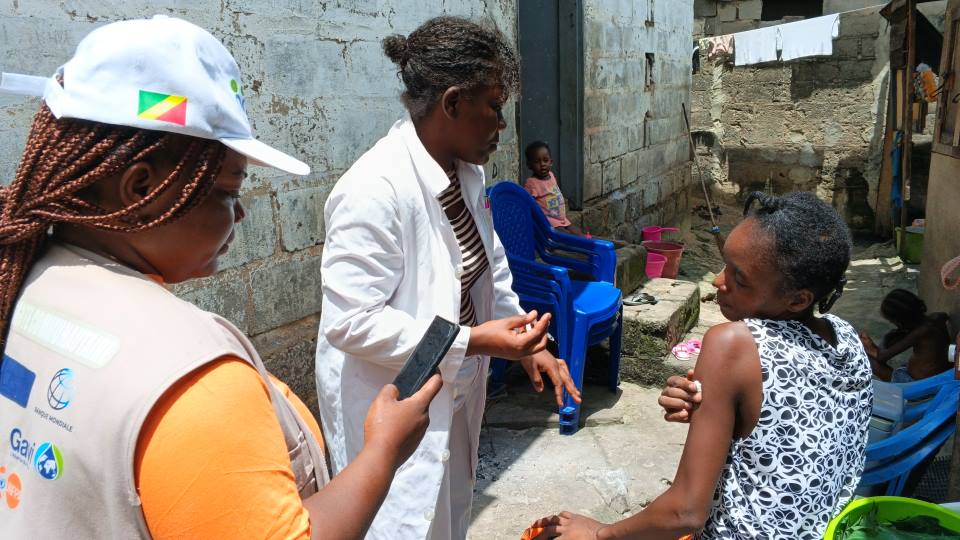
The vaccinators do not leave. They explain. Side-effects, they say, are temporary and expected. The conversation unfolds slowly. A neighbour approaches and has her child vaccinated in front of her. Time stretches.
In the end, the mother agrees.
Convincing one household at a time
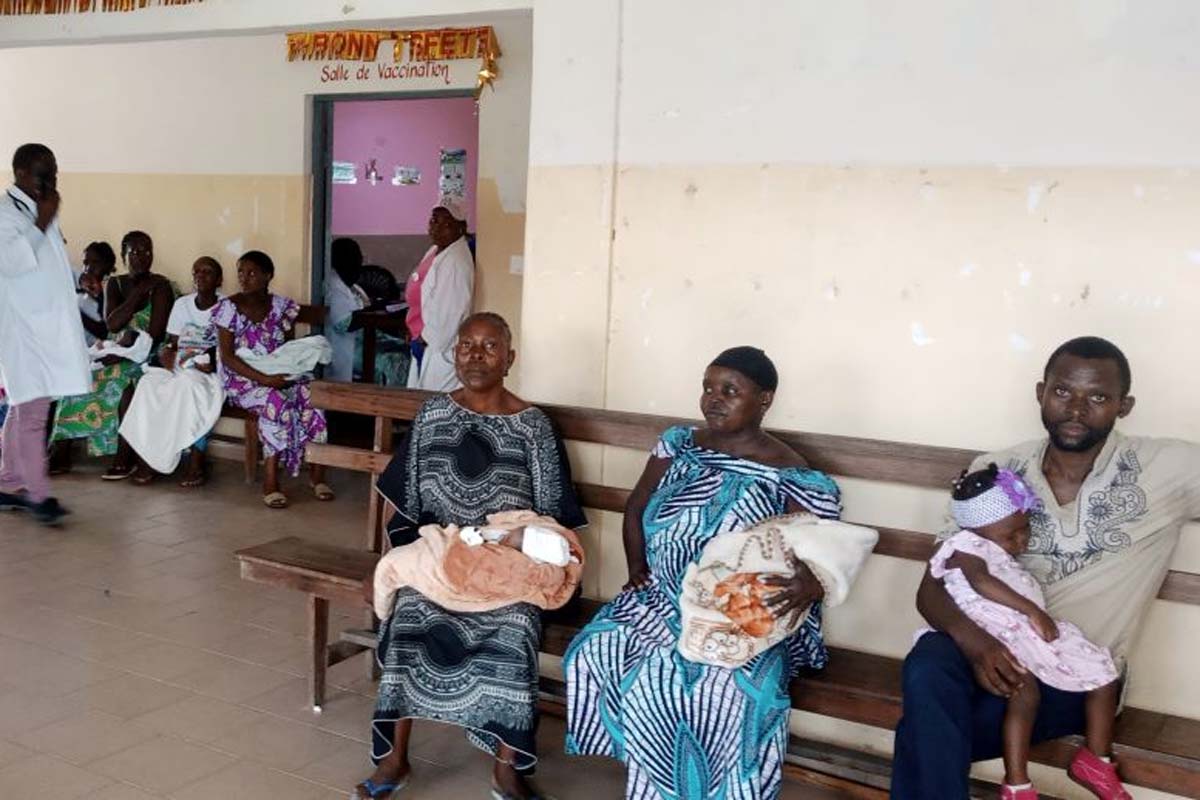
In Matindé, this kind of scene has become familiar. Here, vaccination no longer takes place only within the walls of the Saint-Joseph Integrated Health Centre: it plays out in alleyways and on doorsteps, sometimes in a matter of minutes, sometimes over the course of several visits.
Each month, around 70 to 80 children are identified as being behind on their vaccinations. Of these, between 65 and 75 are eventually caught up during outreach visits.
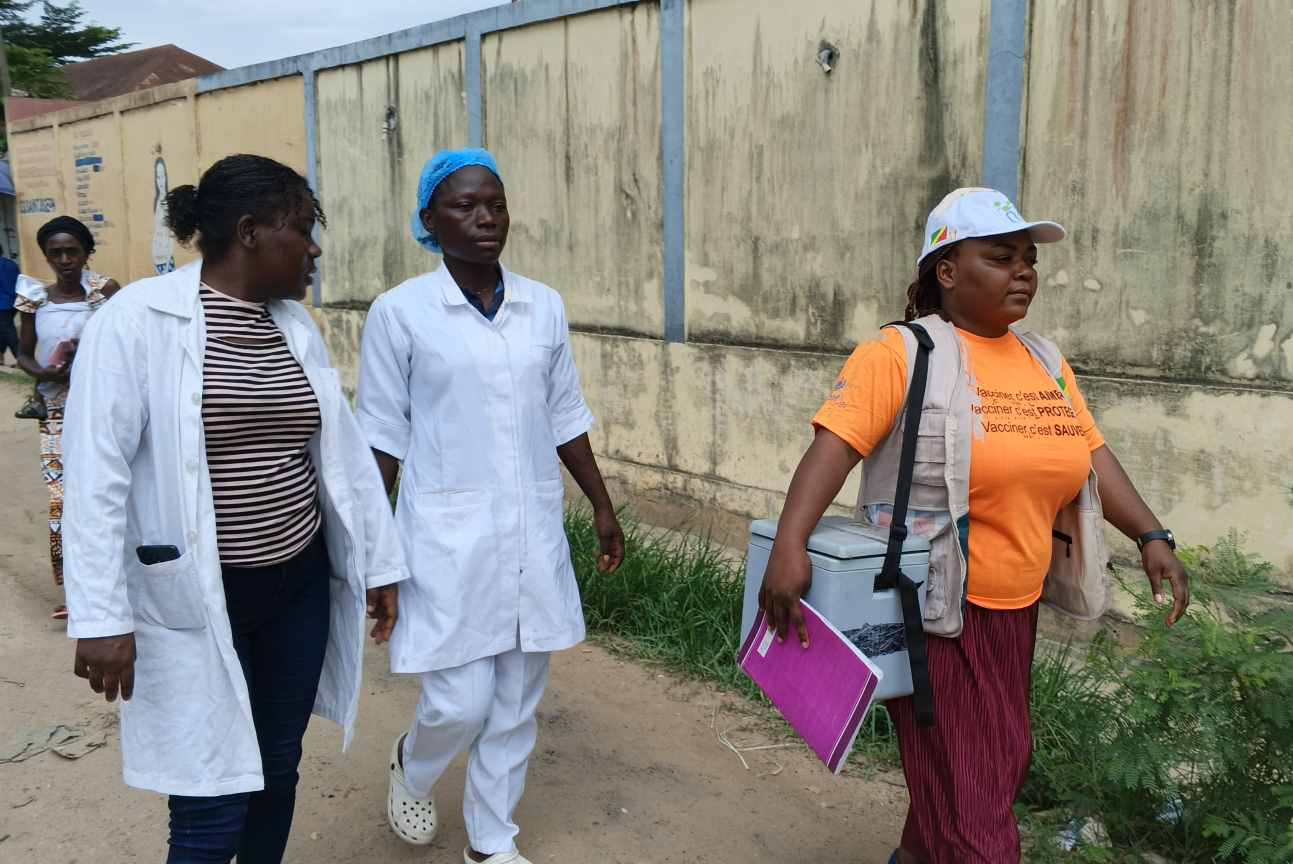
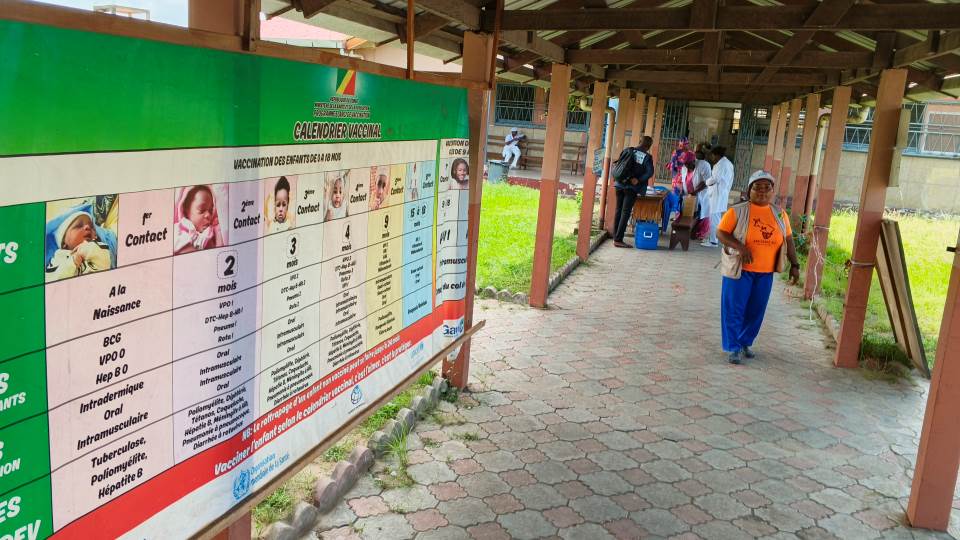
At the Saint-Joseph Integrated Health Centre, a team carries out quiet but essential work: finding children and mothers who have missed one or more vaccine doses. Two to three times a week, they go door to door to catch up on interrupted schedules, a step that has become crucial to prevent gaps in protection.
The children they are looking for are not all the same. Some have never been vaccinated. Others began their schedule, then stopped coming back. What they share is that, at some point, they slipped out of the health system.
Credit: Brice Kinhou.
“An unvaccinated child remains exposed and can put others at risk in the event of an outbreak,” says Dr Préfina Engoma, head of the centre. She regularly joins outreach teams in the field. “My presence reassures the most hesitant parents. I also speak to them about my experience as a mother.”
Reaching children who have fallen through the cracks
The work begins well before the visits. Birth and vaccination registers are carefully reviewed to identify delays and target specific areas.
“We identify children who are behind on their vaccinations, as well as mothers who have not completed the schedule. But on the ground, we always come across other families,” explains Nathalie Elenga, head of the Expanded Programme on Immunization (EPI).
Each month, around 70 to 80 children are identified as being behind on their vaccinations. Of these, between 65 and 75 are eventually caught up during outreach visits.
Under often intense heat, the team moves from door to door. Singui Milka Darina, a community health worker, knows the area and its residents well. She also knows that resistance is not always expressed as an outright refusal.
“People need to understand why vaccination matters, not simply be told what to do. When there are doubts, we take the time to talk,” she says. “In the end, many agree.”
Today, according to the teams, around 9 out of 12 parents ultimately accept vaccination after discussion.
Credit: Brice Kinhou.
This was not always the case. Before door-to-door outreach was introduced, many children received a first dose but never completed their vaccination schedule. Some families did not return to the centre for social or financial reasons, or because of their beliefs. Others simply shut their doors when teams approached.
Over time, the situation has begun to shift. Some formerly wary mothers now come to the health centre on their own, without waiting for outreach visits.
Remnants of resistance
But not everything can be resolved through conversation.
“The most difficult cases are outright refusals,” says Dr Engoma. “They often involve parents influenced by certain religious leaders who portray vaccination as dangerous or incompatible with their beliefs. In these situations, neither community outreach nor social media messaging is always enough.”
These are the children the teams are still unable to reach.
For others, trust is built gradually. One element comes up repeatedly in the field: the role of women. Health professionals, community workers and mothers are at the heart of the effort.
“When one woman speaks to another, trust takes root,” says Singui Milka Darina. “Sometimes, mothers themselves become advocates.”
This is the case for Divine. Initially hesitant, she changed her mind after several conversations with the teams. “I was afraid for my child. But after their explanations, I understood. Now I encourage other mothers to vaccinate their children,” she says.
If you're interested in health worker stories, read next:
Between the field and social media
Awareness efforts are no longer confined to the streets. Dr Engoma has expanded her work to social media, particularly TikTok and Facebook, where she has built an audience of more than 30,000 followers.
“Today, if we are not present online, other narratives – sometimes misleading – take over,” she explains.
Her posts cover vaccination schedules, side-effects and misinformation. They prompt reactions, questions and sometimes debate.
“One mother wrote to me after watching a video to say she had decided to vaccinate her child,” she says.
By combining door-to-door outreach with an online presence, the team is adapting its approach to a range of realities. The barriers have not disappeared, but some carry less weight than before.
More from Brice Kinhou