
Indonesia braces for dengue surge as El Niño strikes
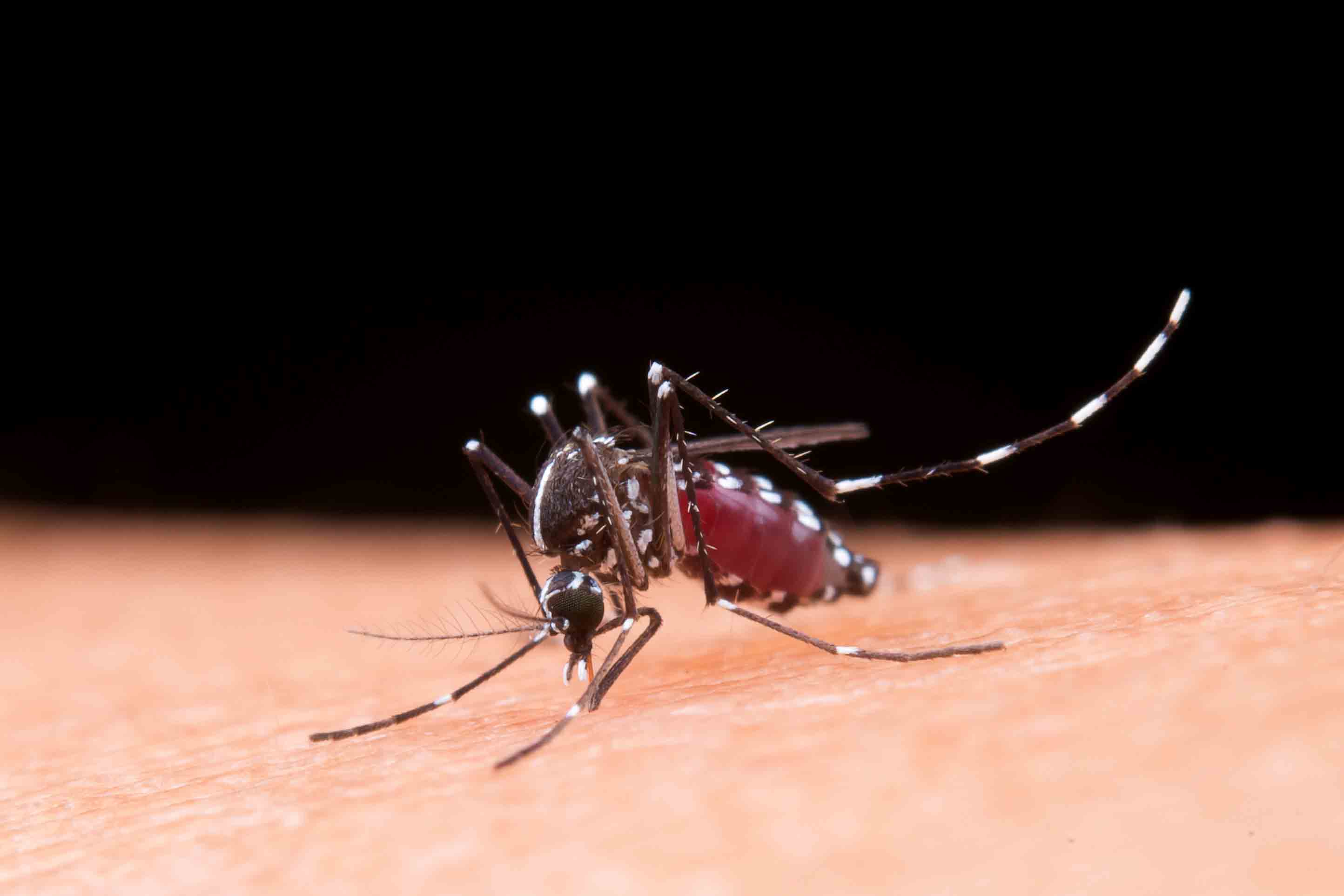
As scientists describe a pattern of major dengue spikes following El Niño events over the last 15 years, Indonesia gears up for a period of rapid transmission.
- 25 August 2026
- 6 min read
- by Dyna Rochmyaningsih
At a glance
- A new study shows that El Niño years predict major dengue spikes across Indonesia, the country with the world’s second highest dengue burden
- The archipelago’s geography can complicate public health interventions, with different provinces hitting peak transmission at different points of the year. But researchers say those patterns can help inform national strategy, too.
- Now, as the new El Niño picks up intensity, scientists, policymakers, local-level health institutions and families are doing their bit both with the tools they have and the tools still in development to brace for the dengue season ahead.
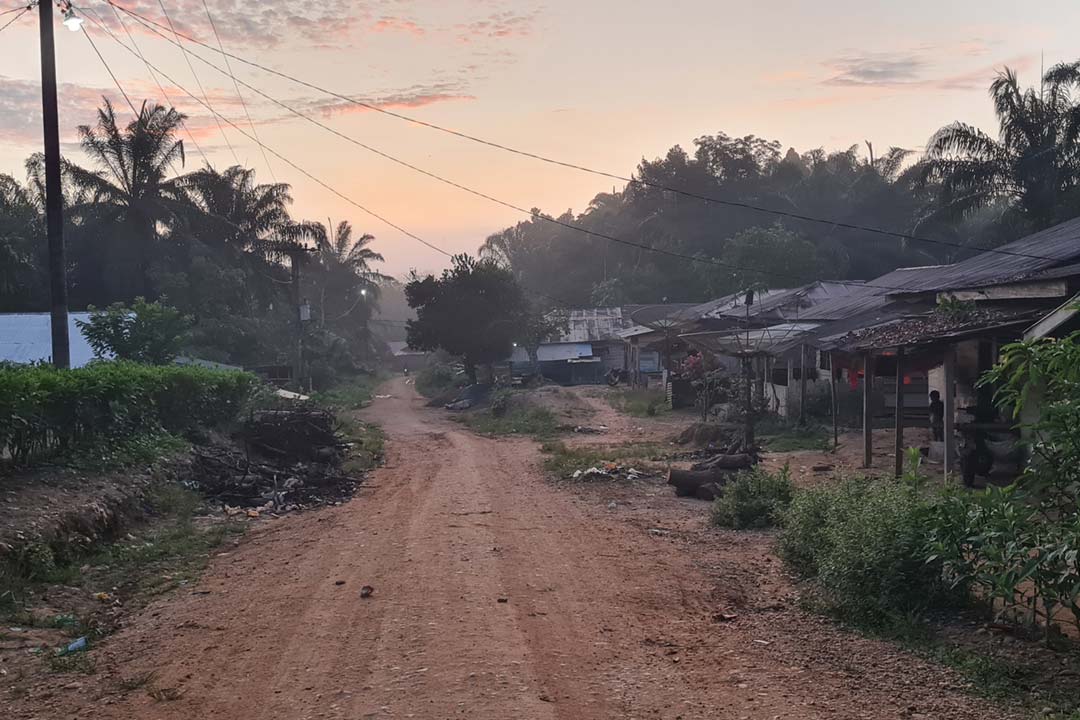
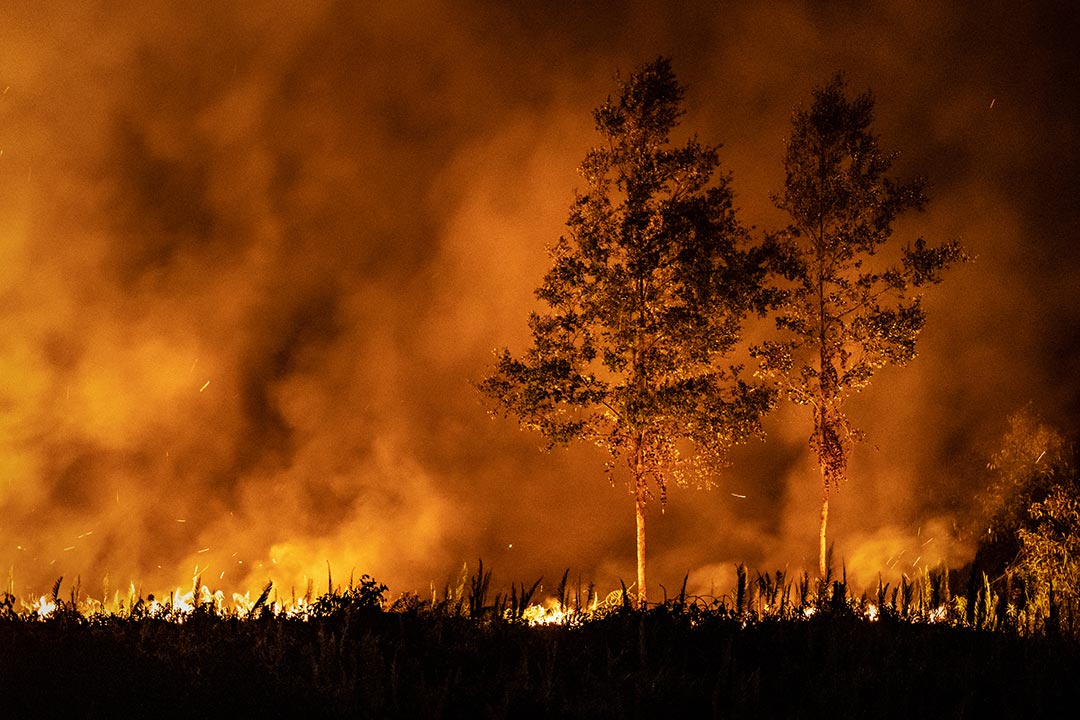
Yuliawati, a 30-year-old mother, was sitting on the porch with her 7-year-old son when VaccinesWork visited her house in Kalidoni, Palembang, South Sumatra. It was early August, and the temperature was tipping 35°C. For Yuliawati, the heat, together with a blazing forest fires on the Palembang-Kayu Agung just 60 km away from her house, was a sign that the El Niño was incoming. “I think it’s time for us to clean out the neighbourhood from trash before the rainy season and the floods come. Mosquito could breed easily here,” she said.
Yuliawati’s reasoning aligns with recent findings by a team of scientists from the National University of Singapore, Gadjah Mada University, and Indonesia’s Ministry of Health. Published in the journal PLOS Neglected Tropical Diseases, the research found that in the past 15 years, major nationwide dengue outbreaks in Indonesia consistently coincided with the El Niño events, landing in 2015, 2019 and 2023. The average dengue incidence in strong El Niño years was 96% higher than in other years.
“Although we are still not sure about the exact mechanism, El Niño is a good sign for dengue outbreak. If we know that El Niño is happening now, then we can predict that dengue outbreaks will happen later this year. It will be around November in Sumatra, and early next year in Java,” says Bimandra Djaafara, the lead author of the paper, and an infectious disease modeller at the National University of Singapore.
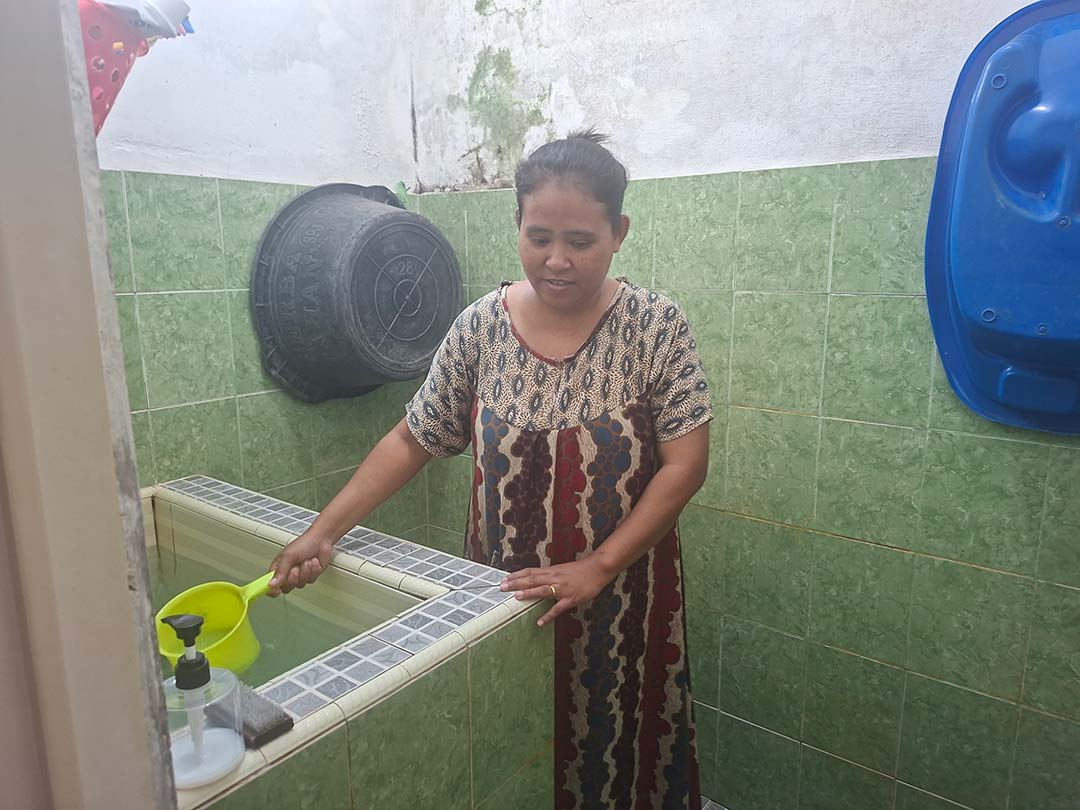
Credit: Dyna Rochmyaningsih
On 31 July, the World Meterological Organization (WMO) reported that the El Niño “continues to intensify”, dominating” global climate patterns in August to October 2026. For now, Indonesia is seeing the impact in increased heat across the archipelago. David Gaveau, a landscape ecologist who developed Nusantara Atlas, an online platform that tracks hotspots and landscape changes in Indonesia, says the temperature data trend is worrying. “In 2015, a 2.6-degree increase in sea surface temperature was recorded during the peak of El Niño season. But right now, we already reached this level, but we are just still at the beginning of the curve,” he said during a webinar in early August. Pooled insights from a variety of climate models predict weather 3.6°C warmer than average, and almost a full degree warmer than previous record temperature peaks.
Alarm bells are ringing. Now what?
For ecologists like Gaveau, the data calls for improved readiness for forest fires, which are already burning across some Indonesian provinces. But for infectious disease scientists like Djaafara and his team, this climate alarm means increased urgency to turn research findings into health policies.
Indonesia has the second highest dengue burden in the world after Brazil. With 270,000 cases and 1,200 deaths in 2024, Indonesia’s fatality rate was actually higher than Brazil’s, though the South American country’s total case-load was far higher. As of May 2026, the Ministry of Health had recorded 39,672 cases and 105 deaths, and as El Niño intensifies, the number is expected to rise.
Have you read?
Controlling dengue in Indonesia is a complex matter, says Djaafara. The country’s unique island geography and its diverse climatic sociocultural conditions present a challenge for prevention. Relying on uniform, simultaneous nation-wide dengue interventions might not be effective because, as his study found, the peaks of dengue seasons in Indonesia vary within and between provinces.
But that variation also has an instructive pattern. In his analysis, Djaafara found that dengue peaks travel from the west to the east, following the monsoon wind, he says. Western provinces like North Sumatra recorded their highest dengue incidence in November, while Java saw dengue peaks in January to April. This information, says Djaafara, should help policymakers design public health strategy and tactics.
“Our findings support a two-tier approach to dengue early warning. The first tier, based on ENSO (El Niño) monitoring, provides strategic warning at 2–6 + month horizons for outbreak years, applicable nationally. The second tier, based on local climate monitoring, provides tactical warning at 1–4 month horizons for seasonal peaks in [provincial level],” wrote Djaafara and his co-authors in the paper.
Action stations
Burhanuddin Thohir, the paper’s co-author and an entomologist with the Health Ministry’s Arbovirus Team, says the study is already being pressed into service of the National Action Plan on Dengue Prevention, which will be released later this year.
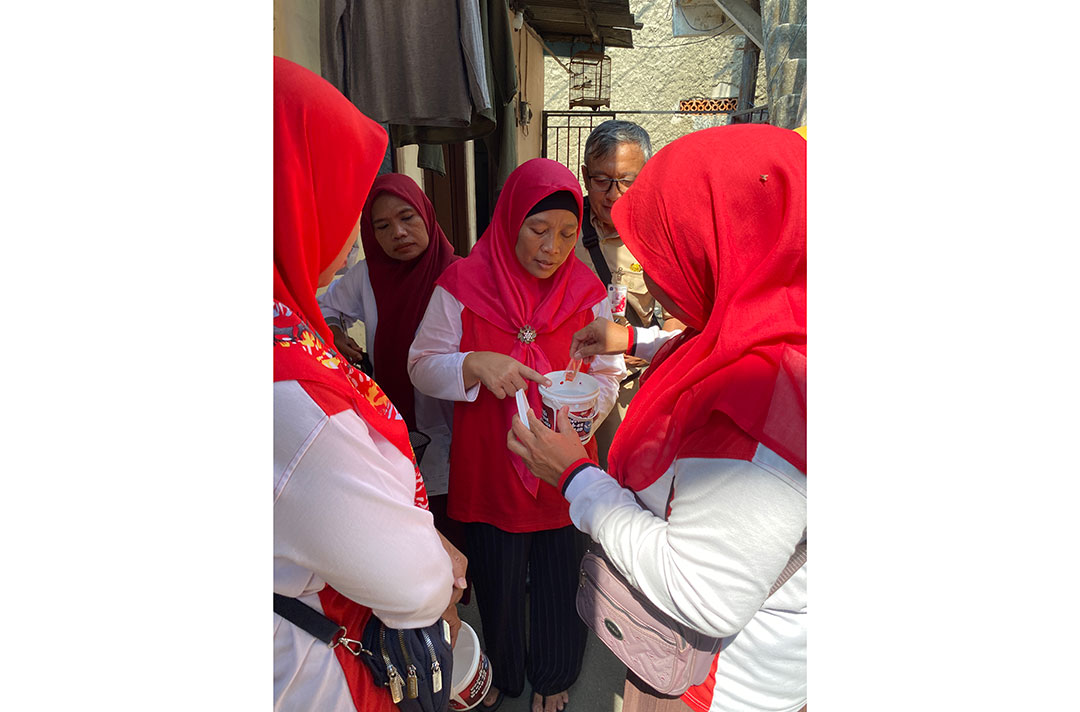
Credit: Ministry of Health
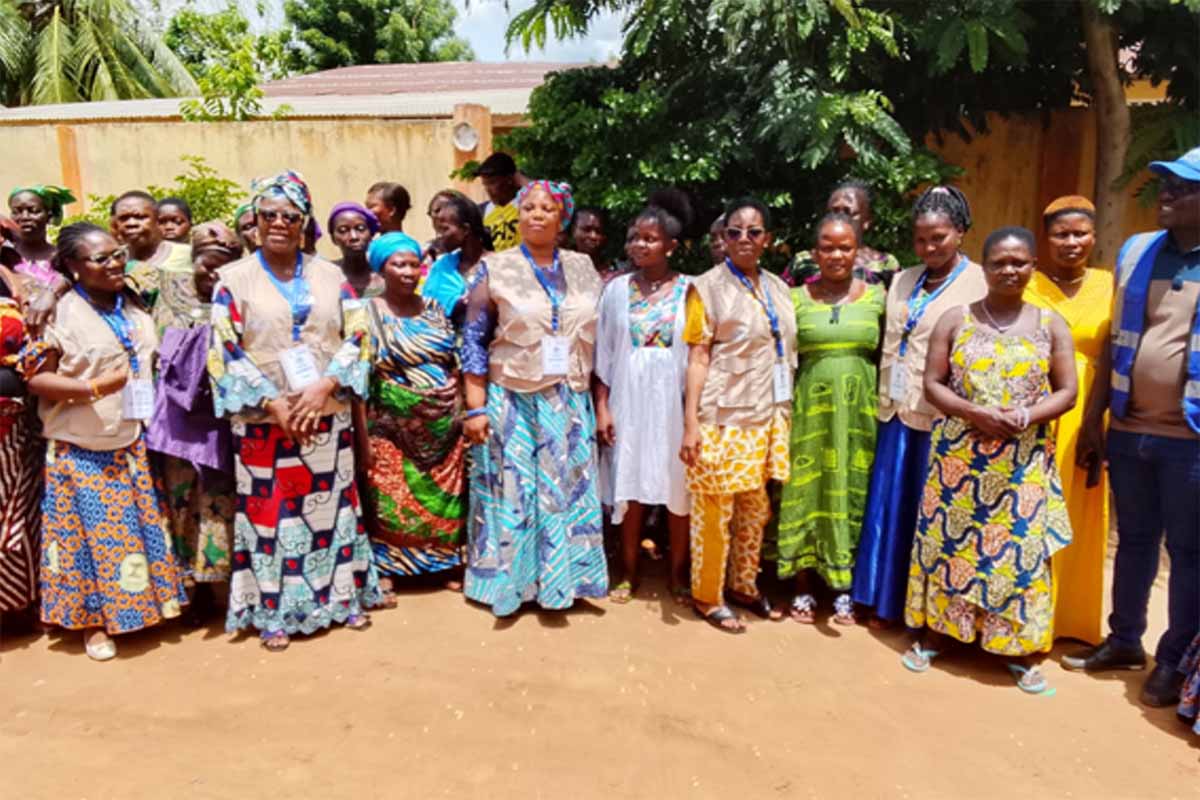
The Ministry has also actively coordinated with provincial health agencies, locally known as Dinkes, regarding the threat of El Niño and its effect on dengue surges. Every provincial Dinkes will pass relevant strategic messaging on down the chain to the local-level Puskesmas, health centres responsible for instituting measures on the ground. These measures prominently include the “3M” community-led sanitation approach, which stands for draining water containers (menguras), tightly covering water storage (menutup), and recycling or burying waste items (mendaur ulang).
Bracing for a storm
In Palembang, Yuliawati says she already tries to make the 3M approach part of her weekly routine, remembering the guidance from a 2022 outbreak during which Kalidoni, her home district, was in the dengue “red zone”. “My son was only three years old. Puskesmas officials actively promoted the 3M and I still practise it today,” she says.
But entomologist Thohir admits that the 3M measure is proving insufficient. “We have good reports of 3M implementation on the ground, but we are still getting more dengue cases,” he says.
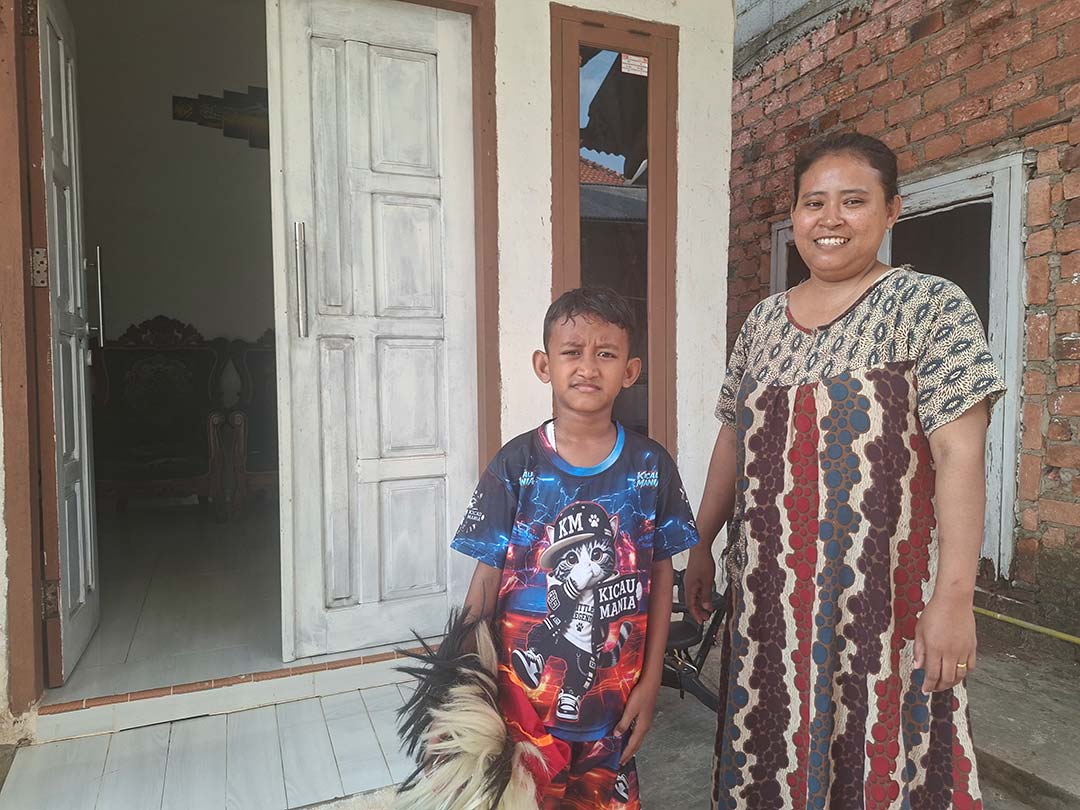
Credit: Dyna Rochmyaningsih
Tackling the fast spread of dengue will demand drawing more on new science, he says. He offers a futuristic-sounding example: releasing Aedes aegypti mosquitos deliberately infected with Wolbachia bacteria. “A successful pilot project in Yogyakarta in 2021 has shown that it has significantly reduced dengue incidence by 73%,” says Thohir.
He and his team at the Ministry of Health are trying to replicate that success by releasing the Wolbachia-infected mosquito eggs in five cities in Indonesia, namely Jakarta, Kupang, Bontang, Bandung and Semarang. “We are still waiting for two years to see the results. We’ll see if these cities still have high cases following the upcoming El Niño season.”
As scientists and policymakers translate science into policy, Yuliawati can only rely on the tools she has to hand. “3M is effective. Alhamdulillah, my family has never contracted dengue. We routinely clean our houses and surroundings so that mosquitos cannot breed. But I am just hoping that the government will support us by improving the sanitation around here.”