
Meningitis deaths above 250,000 worldwide in 2023 despite decades of progress, study finds
Children under five and countries in the African meningitis belt continue to bear the greatest burden.
- 27 March 2026
- 3 min read
- by Priya Joi
At a glance
- In 2023, meningitis caused around 259,000 deaths and 2.5 million cases worldwide, with more than a third of deaths in children under five, according to a new Lancet study.
- The burden of disease remained disproportionately high in low-income countries, particularly in the African meningitis belt, where Nigeria, Chad and Niger recorded the highest death and infection rates.
- Streptococcus pneumoniae, Neisseria meningitidis, non-polio enteroviruses and other viruses were the leading causes of death, while non-polio enteroviruses caused the most cases.
More than a quarter of a million people died from meningitis in 2023, according to the most comprehensive global analysis to date.
The study, published in The Lancet Neurology as part of the Global Burden of Disease (GBD) 2023 project, estimates that 259,000 people died from meningitis last year, while 2.5 million fell ill. Children under five accounted for over a third of those deaths.
Meningitis, an inflammation of the membranes surrounding the brain and spinal cord, is also the leading infectious cause of neurological disability worldwide, leaving many survivors with lifelong complications such as hearing loss, seizures or cognitive impairment.
Progress – but not fast enough
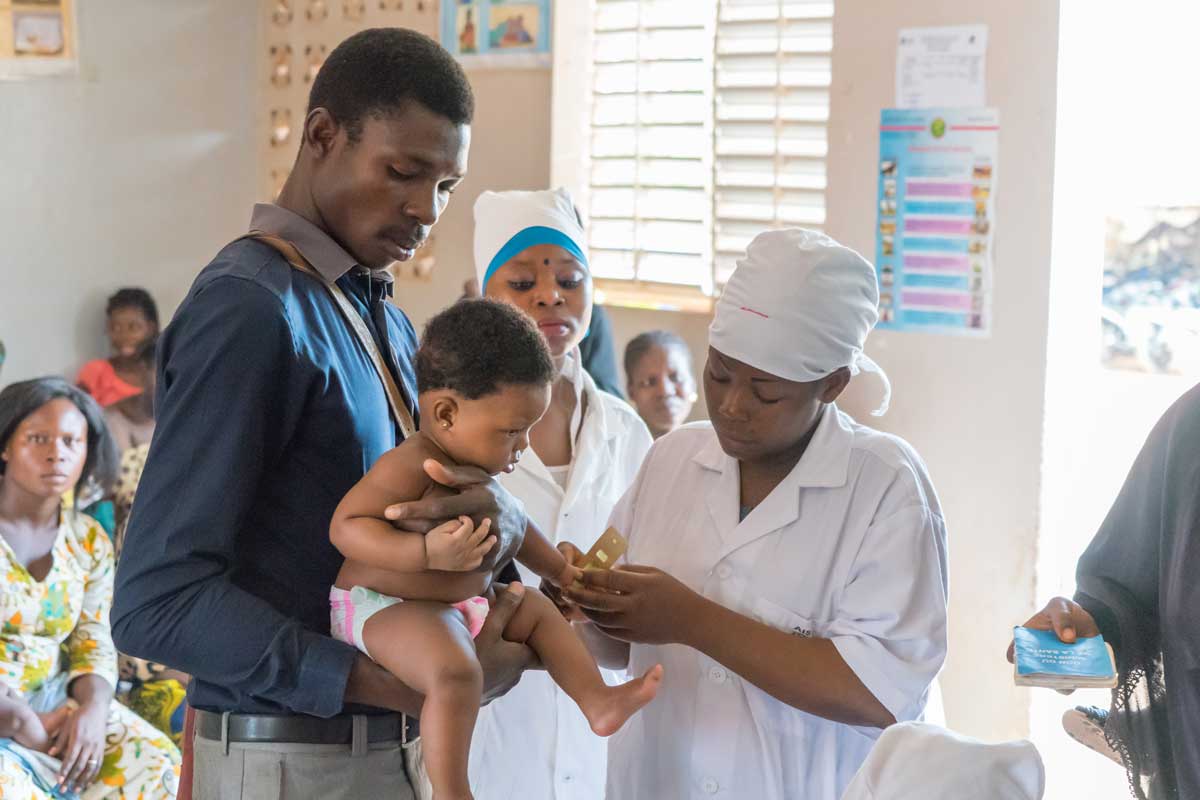
Since 1990, global vaccination campaigns against key bacterial causes, including Haemophilus influenzae type b (Hib), pneumococcus and meningococcus, have driven sharp declines in both deaths and cases.
However according to The Lancet analysis, the current rate of decline is not sufficient to meet the World Health Organization’s goal of reducing meningitis deaths by 70% and cases by 50% by 2030, compared to 2015 levels.
Nearly 100,000 deaths in 2023 were still linked to four pathogens that are largely preventable through vaccination or maternal interventions: Streptococcus pneumoniae, Neisseria meningitidis, Haemophilus influenzae and Group B streptococcus.
The authors highlight that several of the leading causes of meningitis are preventable through vaccination or maternal interventions, pointing to gaps in vaccine coverage and access to care as key barriers.
Shifting pathogens
While bacterial meningitis remains the deadliest form of the disease, the study highlights a more complex and evolving picture.
For the first time, researchers included 17 different pathogens in their global estimates, revealing the growing importance of non-bacterial causes.
Non-polio enteroviruses were responsible for the largest number of meningitis cases worldwide and ranked among the leading causes of death.
Although typically less severe than bacterial infections, their sheer volume means they now account for a substantial share of the global burden.
The analysis also identified emerging threats from fungal infections such as Candida, particularly in hospital settings and among vulnerable patients, raising concerns about antimicrobial resistance and healthcare-associated infections.
Inequality drives the burden
The burden of meningitis remains heavily concentrated in low-income settings, especially across the African meningitis belt, which stretches from Senegal to Ethiopia.
Countries including Nigeria, Niger and Chad recorded the highest death and infection rates globally, with seasonal outbreaks continuing to strain fragile health systems.
Risk factors linked to poverty and early life conditions also play a significant role. Low birthweight and premature birth were among the leading contributors to meningitis deaths, alongside household and ambient air pollution.
New conjugate vaccines targeting five major meningococcal serogroups, known as Men5CV, are now being rolled out in high-risk countries with support from Gavi, the Vaccine Alliance. Recent campaigns in countries including Nigeria and Niger aim to protect millions of people across the meningitis belt, offering a critical opportunity to prevent future epidemics and reduce deaths at scale.
Have you read?
Making progress
The findings underscore that vaccines are critical, but that vaccination programmes urgently need to be expanded and supplemented with strengthening disease surveillance, improving access to rapid diagnosis and treatment, and tackling antimicrobial resistance.
Better maternal care, including screening and prevention of Group B streptococcus, could also significantly reduce deaths in newborns.
Without renewed investment and focus, they warn, the world risks falling short of eliminating one of its most devastating, yet increasingly preventable, infectious diseases.