
Multilateral paralysis is harming global health. Gavi's 'minilateralism' can get us back on track
As global health collaboration declines, Gavi’s experience in building mission-driven coalitions offers a practical workaround for sustaining collective solutions.
- 20 January 2026
- 5 min read
- by Sania Nishtar , World Economic Forum

At a glance
- The decline of multilateralism is severing connections between systems, communities and governments necessary for tackling global health challenges.
- Gavi's experience in fostering collective solutions through mission-driven 'minilateralist' coalitions provides an alternative way forward.
- Collaboration on last-mile health solutions for the vulnerable Global South is as significant as overarching reform of global health architecture.
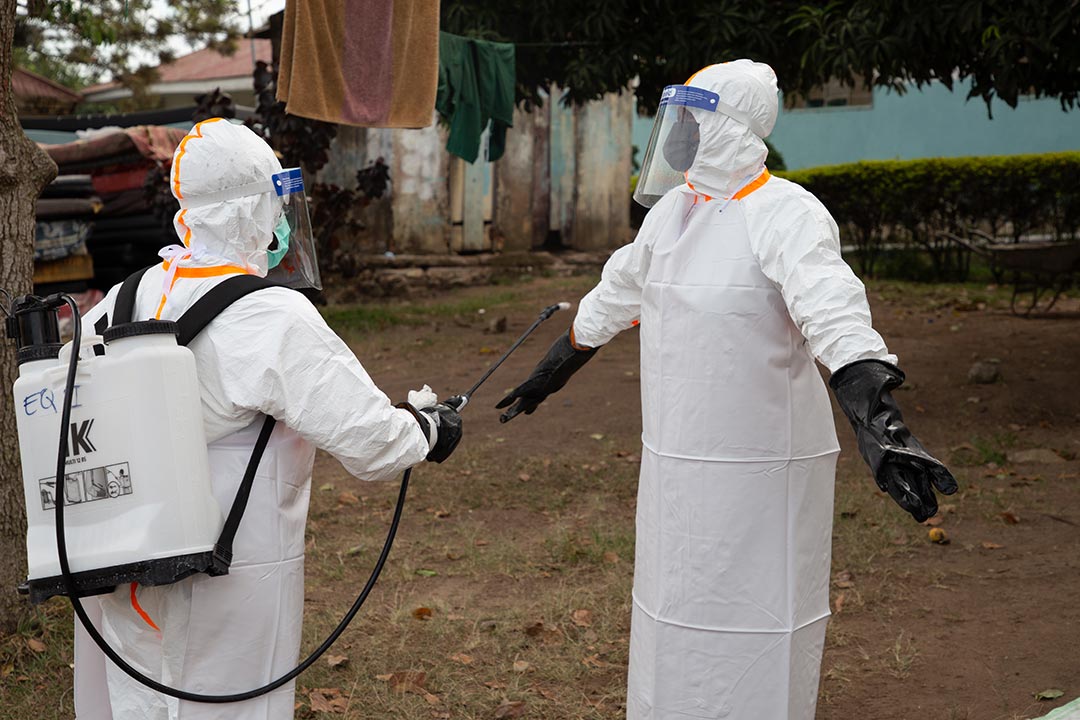
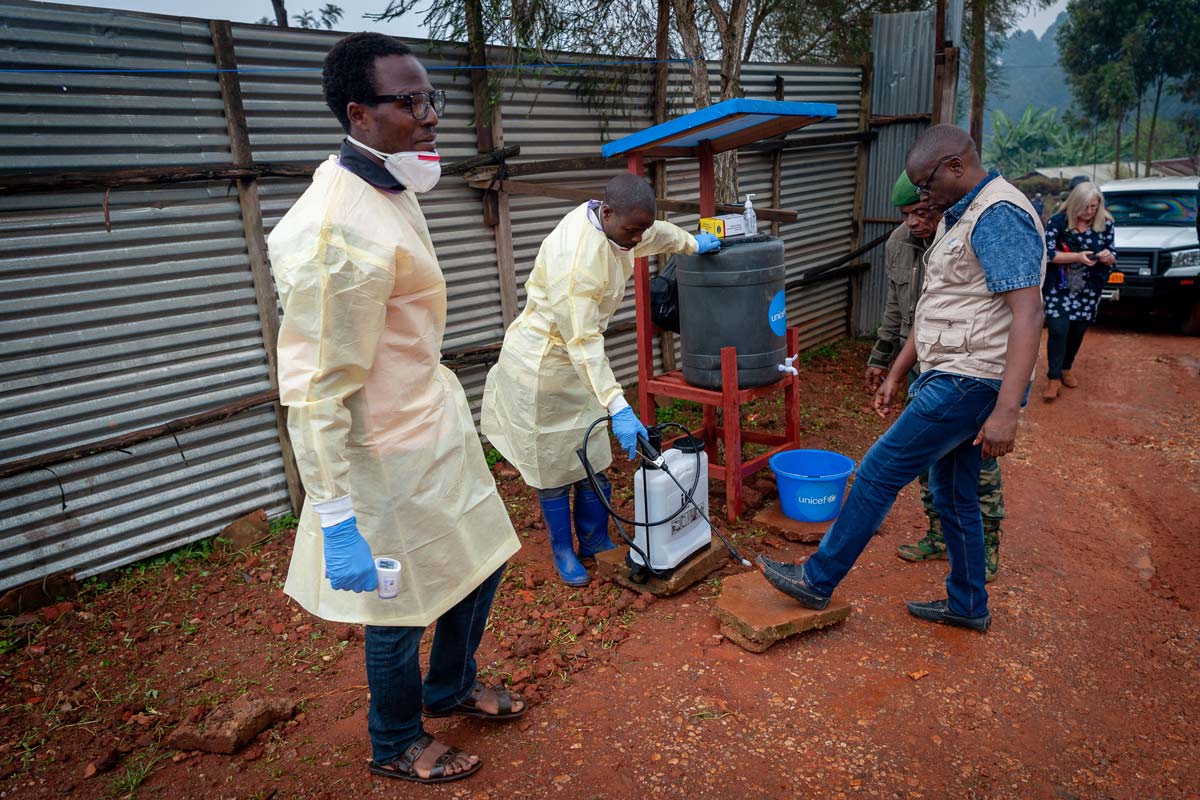
There is a paradox at the heart of every infectious disease epidemic. From outbreaks of measles and cholera in refugee camps to the respiratory infections that spread in offices, classrooms and gatherings around the world, infectious pathogens exploit the connections between people.
But infectious diseases can be at their most dangerous when they exploit disconnection and division. Disconnection between health systems and communities; disconnections within governments; and, crucially, divisions between governments.
That should set alarm bells ringing for anyone who has seen this year’s Global Risks Report. Threaded through the findings is the alarming decline of multilateralism, the rise of division, and the disintegration of the rules-based order that has bound together what we call the international community for almost a century.
Crucial connections are being severed. In a world of escalating and disorienting geoeconomic confrontation, it may now be more apt to speak of international communities. The question for those of us who seek common solutions to the challenges that face humanity, from preventing infectious disease outbreaks to tackling climate change, is: How will we unlock collective solutions in an increasingly multipolar world?
This is where the example of Gavi, the Vaccine Alliance, may hold some useful lessons. Founded at the World Economic Forum in 2000 to expand immunization against a host of deadly yet preventable diseases in lower-income countries, Gavi has gone on to vaccinate more than 1.2 billion children, helping to halve child mortality along the way.
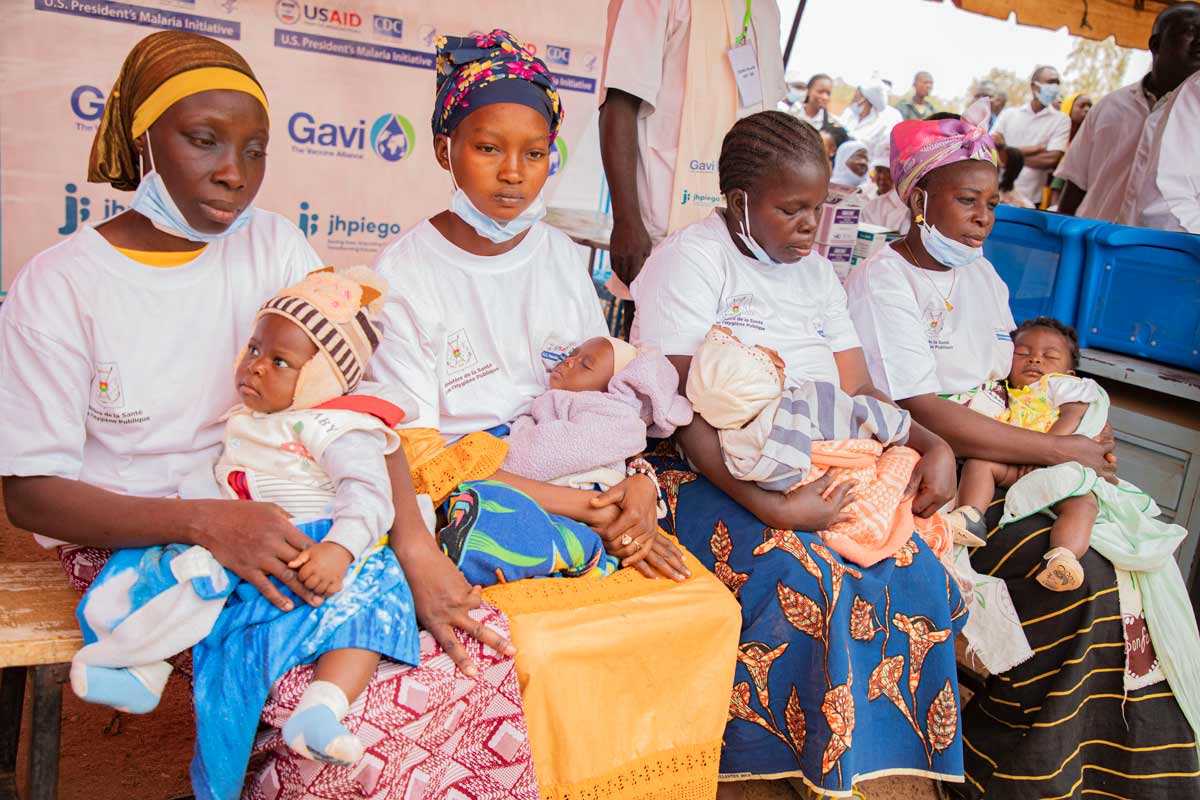
Protecting an entire generation has meant creating new markets for vaccines that were otherwise unaffordable to many countries and creating markets for brand new vaccines; for example, our historic rapid roll-out of malaria vaccines in 2024. Crucially, Gavi’s model also helps countries achieve health sovereignty, enabling them to pay incrementally more towards their immunization programmes as their national income rises, and creates opportunities for private sector innovation. This week in Davos, we will be announcing a number of agreements that will advance private sector investment in the immunization value chain.
Have you read?
A generational health opportunity
The contours of global health have always been shaped by geopolitics, but the upheaval of the past two years is without any meaningful historical precedent. There can be no doubt that global health is facing both a crisis and a generational opportunity. Wholesale funding cuts and an increasing emphasis on sovereignty and ownership by many low-income countries will be the primary drivers of fundamental change that is both inevitable and, in many ways, desirable – though certainly not without risk.
I have called before for coordinated action – a global health leap – with a shared scope, clear objectives, clear principles and a transparent process to seek consensus and coordinate transformative change. We must ensure that we preserve a global capacity to deliver the essential global public health goods, protect the health of the most fragile and vulnerable populations, and support countries to transition towards self-sustaining the essential functions of national health systems.
We are not there yet. The fragmented response across global health organizations and initiatives reflects some of the drawbacks of the current global health architecture. Rather than a strategic and coordinated reset and re-examination of mandates and opportunities for operational synergies, we are seeing piecemeal cost-cutting as a route to short-term survival.
The Gavi Leap
Nevertheless, Gavi’s recent experience gives me grounds for optimism. Through our own transformation programme, which we call the Gavi Leap, we are already making it easier for countries to set their own priorities on immunization and to work with us, by radically simplifying our grant management processes. And we are redoubling our commitment to accelerate countries on their journeys towards strong and self-sustaining national immunization programmes, at the same time as increasing targetted support for those countries affected by conflict and crisis.
The Gavi Leap is proof that a spirit of dialogue can lead to rapid action. And our continued success in protecting us all by protecting the most vulnerable through immunization is proof that mission-driven coalitions of the willing – or “minilateralism” as I have heard it called – can continue to find collective solutions in a fragmenting world.
It is by building on the success of Gavi’s model, and replicating it where we can, that we can overcome the paralysis that afflicts many of the traditional multilateral institutions, at the same time as shifting the centre of gravity of global health to where it should be: the Global South.
Often the discourse on reform of global health architecture errs towards the corporate language of takeovers and mergers of institutions in the Global North. That may well form part of the solution if it is the outcome of a high-level political process. But more importantly, our focus should be on focusing every iota of our attention on fostering collaboration and operational synergies where they can make a life-or-death difference: at the last mile of delivery in the world’s most vulnerable communities.
For now, what the global health landscape will look like five years from now remains unclear. What we can say with confidence is that those organizations and institutions with the agility to evolve, innovate, respond to and anticipate change will continue to deliver the improvements to health and health security that underpins global growth and prosperity.
More from Sania Nishtar