
The nurse nurturing vaccine confidence in an Uzbek mountain exclave
In Shahimardan, nurse Nilyufar Tursunova says patient explanation of immunisation science is all nervous parents really need.
- 6 October 2026
- 5 min read
- by Umida Maniyazova
At a glance
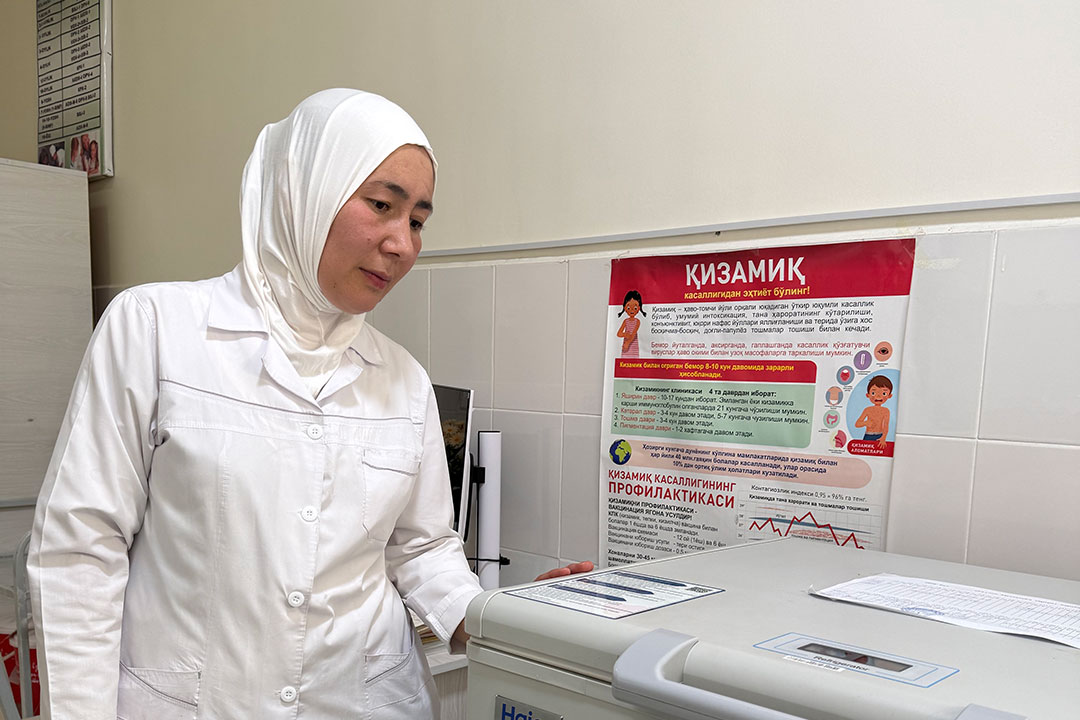
- Nilyufar Tursunova looks after the 896 children of Shahimardan, a mountain exclave of Uzbekistan.
- Despite the fact that Shahimardan’s unique geography means that a referral to any larger health centre means crossing an international border twice, she says logistics don’t hamper vaccine uptake in the locality – at least not since her clinic received a reliable vaccine fridge back in 2018.
- Instead, her major challenge is communicating vaccines well in a climate of anxiety. Her approach is simple: trust the facts to do the talking. “When a mother understands what the vaccine protects her child from, she no longer needs to be persuaded. She makes the decision herself.”
“Despite the fact that we are located in an exclave, we have never had difficulties with the delivery of vaccines or with vaccinating children,” says nurse Nilyufar Tursunova of Shahimardan with deserved pride.
Shahimardan is part of Uzbekistan, but totally surrounded by Kyrgyzstan, which means that even a routine journey to a larger medical centre involves crossing an international border. That used to pose some problems for reliable vaccine supply, she concedes, but since her clinic got its own vaccine refrigerator back in 2018, the 896 children in her care have never needed to go without.
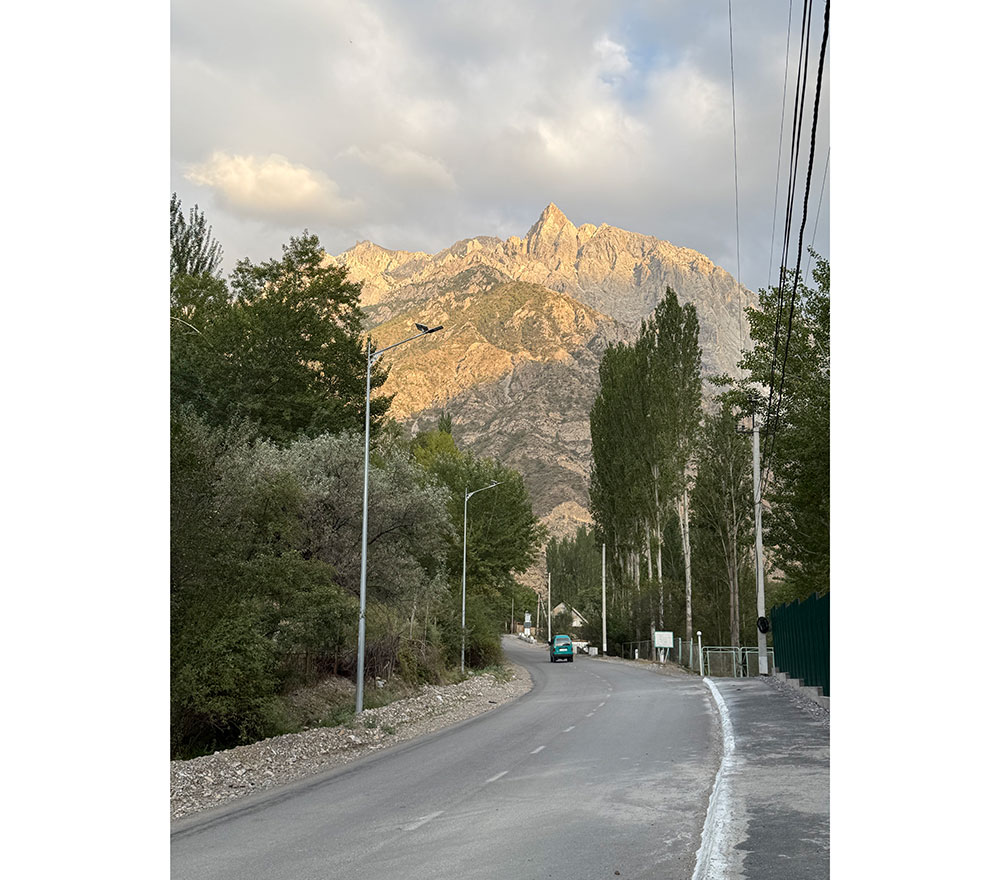
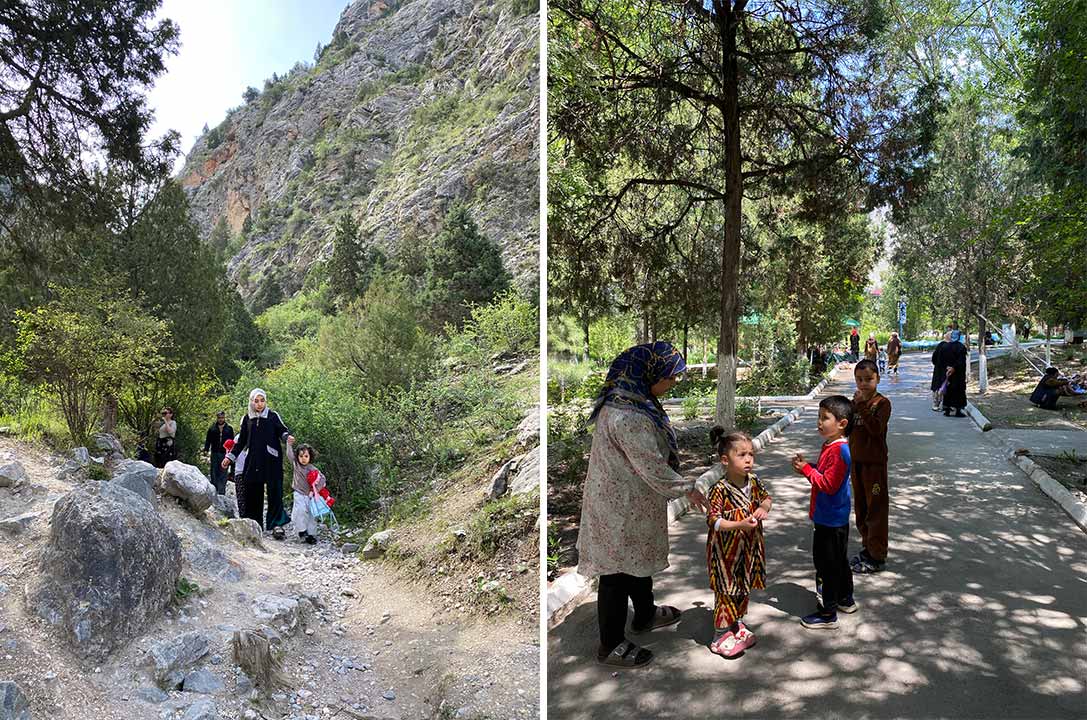
And that’s even though Shahimardan’s diplomatic reality is not its only geographic challenge. The village lies 1550 m above sea level, ringed by peaks of up to 2,800 m. The rivers Oq-Su and Kok-Su rush along steep valleys; houses seem to cling to the slopes. In the past, when getting kids vaccinated meant going door-to-door, that meant health workers like Tursunova either catching a lift with local residents on old “IZH” motorcycles, Soviet-era bikes fitted with sidecars, or walking house to house along mountain paths. Still, today, vaccine logistics in Shahimardan tick over with little stress or variation.
Credit: Umida Maniyazova
Instead, what most requires Tursunova’s vigilance is the challenge of effectively communicating vaccination. “If you properly explain to parents how vital vaccination is for the child’s healthy development, they understand,” she says.
She estimates that 80% of parents here make sure their children receive their vaccines on time. That means that there are still some who are unduly anxious.
Gently does it
One trigger phrase for the vaccine-worried, Tursunova says, is “live vaccine”. Mothers worry that live vaccines – such as the highly effective and extremely safe live-attenuated measles vaccine – are more liable to provoke fevers and other side-effects than inactivated, or ‘killed’ vaccines.
It’s untrue, but could still put parents off immunising their children. That would be dangerous. In 2025, the European Regional Verification Commission concluded that measles transmission had been re-established in Uzbekistan, making continued large-scale vaccination and surveillance all the more important.
Have you read?
Still, Tursunova doesn’t respond with pressure. She speaks in a quiet, even voice, soft and unhurried. Eight years of working with children seem to have scrubbed all the sharpness and hurry from her delivery. If it calms down her paediatric patients, it also seems to reach their parents. Once they know what to expect, their concerns usually ease, she says.
Tursunova explains what “live-attenuated” really means: that the vaccine uses a weakened, safe form of the virus to stimulate a healthy immune response. But the technical explanation is only part of the task. The way it is communicated matters just as much, she insists.
Her faith in kind, respectful conversation has also shaped how Shahimardan has responded to the arrival of unfamiliar vaccines.
Shock of the new
New vaccines can raise parents’ internal alarm systems. “When we first received the HPV vaccine and started vaccinating girls, there were, of course, some difficulties,” she says. “Not all parents understood what kind of vaccine it was.”
In 2019 the human papillomavirus, or HPV, vaccine made its first entrance to Uzbekistan’s vaccine portfolio. The fact that the vaccine, which protects adolescent girls against developing cervical cancer in the future, was being recommended for a different target group than most of the vaccines parents were used to opened the door to anxieties.
But over the years, Tursunova says attitudes and knowledge levels have shifted. “Now mothers come themselves and ask: isn’t it time for my daughter to get the vaccine?” At least some of that change appears to be down to Tursunova.
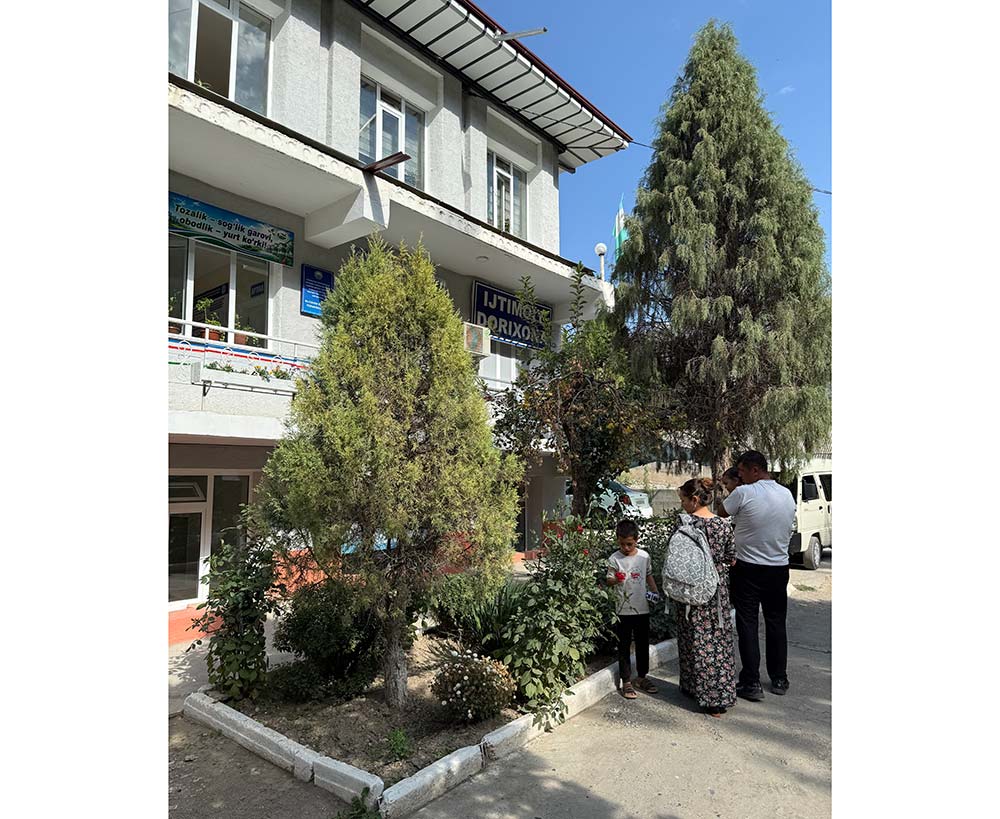
For Sayora, the mother of ten-year-old Gulbahor and three younger children, moving to Shahimardan dissolved her resistance to HPV vaccination.
When the family lived in Margilan city, about 55 km from Shahimardan, Sayora said neighbours and acquaintances had warned her off having her daughter vaccinated. “People around us used to say that the HPV vaccine could cause infertility and other problems. Many neighbours and acquaintances tried to convince me not to give it to my daughter. I listened to them because I didn’t know enough about the vaccine myself.”
Credit: Umida Maniyazova
When her family relocated to Shahimardan, she found herself part of a small, close-knit community with a high degree of confidence in the vaccine, and a high degree of confidence in the counsel of Tursunova.
“When Nilyufar explained to me what diseases the HPV vaccine protects against, I agreed. Of course I wanted my daughter to have that protection. Gulbahor received the vaccine here in Shahimardan.”
“I understood that what I had heard before was just talk – there was no scientific evidence behind those claims,” she added. “I realised that I had been wrong.”
A relationship of trust
In a remote community like Shahimardan, the relationship between the health system and families can be especially important.
The clinic serves a relatively small population. Parents return to the same health workers with questions, concerns and sometimes information they have heard from neighbours or relatives.
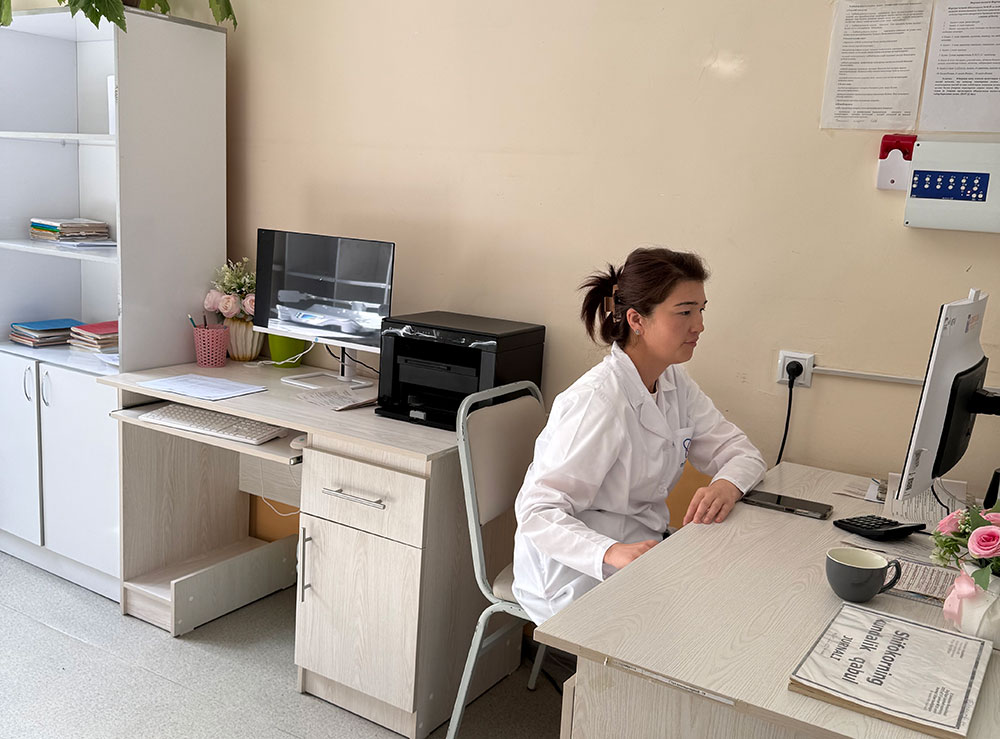
Credit: Umida Maniyazova
It helps that the local community is proud of their health centre’s competence and reliability. When mountain storms knock the village’s power out, the clinic’s lights – and crucially, its vaccine fridge – stay on. A solar energy system makes sure of that. According to Tursunova, even some clinics in Uzbekistan’s capital cannot boast such a system.
Tursunova, meantime, is quite as dependable. She has worked with the local children for eight years in steady, dependable service of a simple goal: parents should not leave the clinic having simply followed an instruction. They should leave understanding why they made that choice for their child.
“When a mother understands what the vaccine protects her child from, she no longer needs to be persuaded. She makes the decision herself.”
More from Umida Maniyazova
Recommended for you