
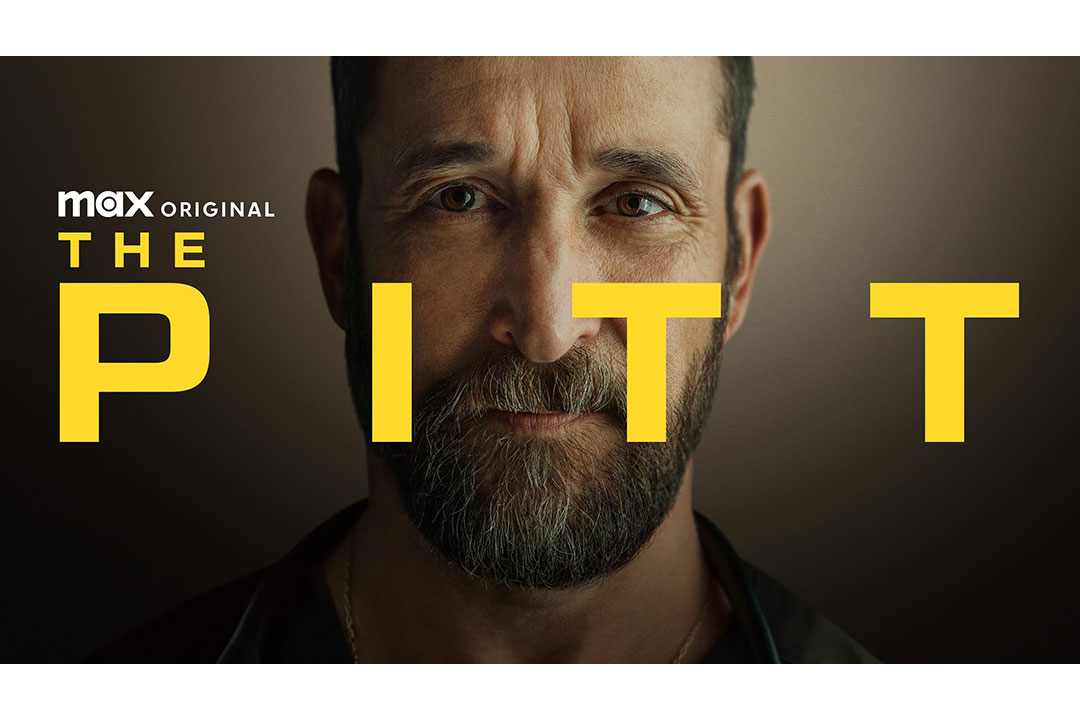
The Pitt: did we really need yet another medical drama?
I’ve done my time in the trenches of hospital TV shows, and feared the Pitt would be a tired rehash. I was wrong.
- 23 April 2026
- 6 min read
- by Elinore Court
I tried. Somewhere in season 19 of Grey’s Anatomy, and at around episode 160 of House, I definitively lost patience. News that a new emergency-room drama was set to air, moreover, one that shared two producers and a star with the 90s O.G hospital soap, ER, provoked more than a little cynicism.
But I hadn’t reckoned with how seriously The Pitt would take its diagnostic vocation, indexing how rapidly technology, politics and society have changed in the few short years since the pandemic, and tracking how those changes show up in the health system.
The Pitt navigates compound crises across the United States – from obesity and addiction to funding cuts, mass shootings and staff shortages – and shows how they all converge, often tragically, in an emergency department. And each proposed fix seems to come with a new challenge
We’ve needed this: a less manicured, less polished show that magnifies the realities playing out in emergency rooms across the United States – warts and all. Two seasons down, I’m ready to prescribe the show as mandatory viewing.
Postcards from contemporary America
I work at Gavi, so I spend a lot of time thinking about the ways that politics (and diplomacy and geopolitics) impact medical systems. Still, The Pitt forced me to confront the reality of health politics in new ways, humanising the American headlines.
Watching a patient walk out of the hospital against medical advice because he doesn’t want to subject his family to crushing medical debt brought home to me – a British national living in Switzerland – what cuts to Medicaid really mean for millions of people. Seeing masked ICE agents bring in a woman injured during a raid was as chilling as seeing the effect their presence had: staff and patients alike, presumably people of uncertain immigration status, quietly packed up and vanished.
Across both seasons, we see crises of trust from ‘out there’ infect medical practice: a teenaged son of antivax parents almost dies of measles in Season 1. In Season 2, a pregnant woman who has refused antenatal care for a “free birth” tells the doctors that women have done it “alone” forever, before going into sustained seizures from eclampsia, dying, undergoing a C-section and being resuscitated on the table.
Have you read?
The Pitt navigates compound crises across the United States – from obesity and addiction to funding cuts, mass shootings and staff shortages – and shows how they all converge, often tragically, in an emergency department. And each proposed fix seems to come with a new challenge. AI-generated notes for charts have dangerous errors, the digital translation service keeps glitching, and algorithmic triage tools sometimes misjudge the urgency of some cases.
No, it’s not always subtle, but it’s well-written – and doctors have praised the show for its dedication to accuracy.
Empathetic wormhole
The show’s success owes a lot to its structure. Each 15-episode season of The Pitt follows the staff of the fictional Pittsburgh Trauma Medical Center, hour by hour, for a single 15‑hour shift.
We’re in an emergency room, so the pace of the narrative is punishing, but allowing TV time to track “real-world” time 1:1 seems daringly slow in an attention economy that prioritises clickbait headlines and short-form video.
The writers also don’t pander to ‘second-screen viewing’ – audiences who watch TV while simultaneously scrolling their phones. Look for it and you’ll see it: in lots of shows today, plot points are restated in dialogue, and unnatural exposition is built in to help people catch up between Instagram stories. Not The Pitt: when an episode begins, class is in session and you have to pay close attention.
And not just to scalpel-in-hand highwire medicine: we see staff catching up on their charting, or trying, for hours, to find a free bed for their patient. Adrenaline surges one minute, and crashes the next. They – and we – get tired.
And that’s the format’s big coup: it forces you to live through each shift in empathetic lockstep with the staff.
Flawed heroes
And who are they? In the first episodes of both seasons, we meet the new cohort of interns and student doctors thrown in at the deep end, eager to learn, quick to bruise. But in that vulnerability, they’re not alone. It’s quickly revealed that the veterans – their teachers - are still reeling from the pandemic.
The Pitt’s leading physician Dr Michael 'Robby' Robinavitch – played beautifully by Noah Wyle, formerly of ER – suffers panic attacks and flashbacks as he mourns the loss, to COVID-19, of his mentor. He operates coolly under crushing stress until he doesn’t: the sight of the painted mural on the wall of the paediatric emergency room sends him spinning into an anxiety crisis.
In another show we might glimpse a few seconds of Robbie’s breakdown before the camera cuts away. In The Pitt, the sequence is uncomfortably long, and raw: another provocation of empathy. As you watch him gasp for breath and struggle to regain composure, you consider the toll that was placed on health workers around the world during the pandemic and the lasting impacts of that unprecedented crisis. It’s hard to watch, but it gives our collective trauma the airtime it deserves.
On that point: if, like me, you’re tired of the glossy, perfect doctors you see on many TV shows that somehow manage to run a full code without smudging their lipstick, this show is for you.
The Pitt doesn’t shy away from showing how flawed the medical staff are as they battle their own demons. It’s not just Robbie’s ill-timed panic attacks. One doctor is exposed for stealing prescription medication; another is wearing a police-issued ankle monitor under her scrubs. One doctor realises she’s miscarrying in the ER bathroom; another is distracted by incessant phone calls from her mum.
Still, the show keeps it collegial: there is bleed-through from variously messy personal lives, but we do not follow The Pitt’s staff home. That has the effect of communicating how all-consuming their jobs are – and how impossible it is to leave it all behind once their shift finally ends.
Time to clock in for your shift
Still dubious? Give it a go. I guarantee just a couple of episodes will give you new perspective on what medical staff have to go through every day, and I think all of us need this perspective.
Next time you’re frustrated by long wait times, confused why there’s no space for a proper bed when you are admitted, or convinced ChatGPT knows more than a trained physician, you may benefit from an instructive sense of déjà vu. There are many professions about which we can all remain blissfully ignorant, but unfortunately, healthcare is not one of them. We will all have to face the realities in some capacity so, no matter which country you are tuning in from, I recommend clocking in for your shift at The Pitt and paying close attention.