
A protective dose of the giggles: the Ugandan comics boosting immunisation
Madrat and Chiko are Ugandan comedians using their platforms – both online and on stage – to persuade parents to vaccinate their children.
- 27 August 2026
- 6 min read
- by John Musenze
At a glance
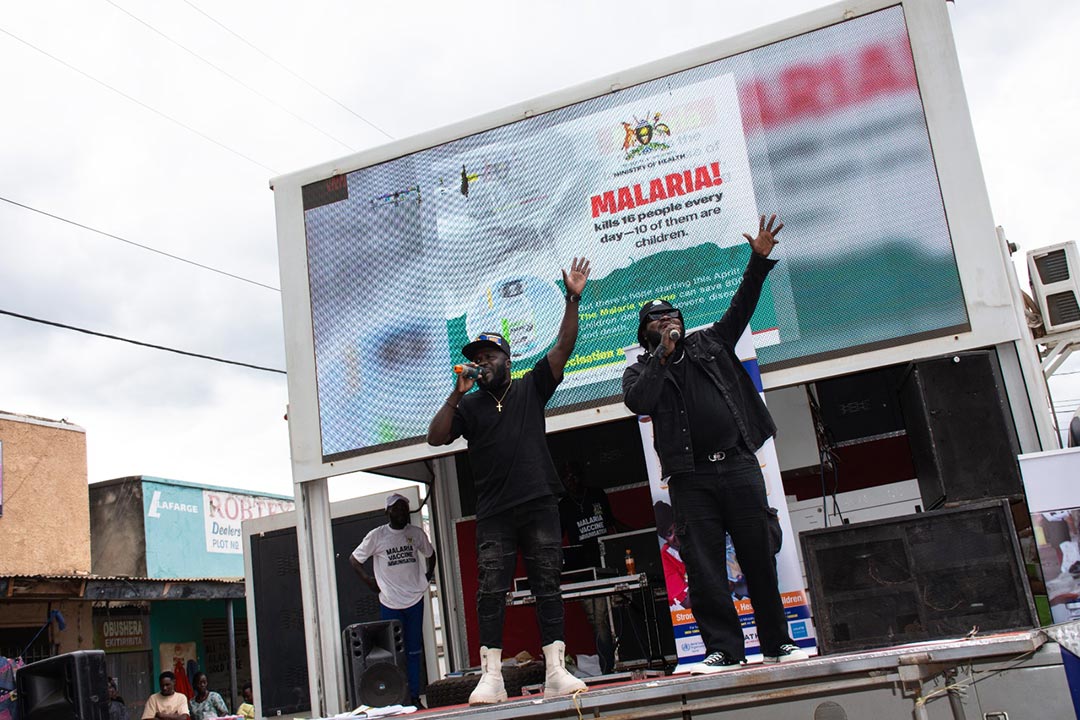
- Comedians Madrat and Chiko have criss-crossed Uganda on the immunisation trail, cracking jokes at public health gatherings to make conversations about vaccination feel less technical, and more accessible.
- "A joke can become a conversation, and a conversation can become a question to a health worker," says Chiko. Health workers are on hand not only with the answers, but ready with the required dose of vaccine.
- Ministry of Health officials say it's working: the funnymen are boosting uptake of routine childhood jabs by acting as a "hook" – that is, encouraging attendance at immunisation events.
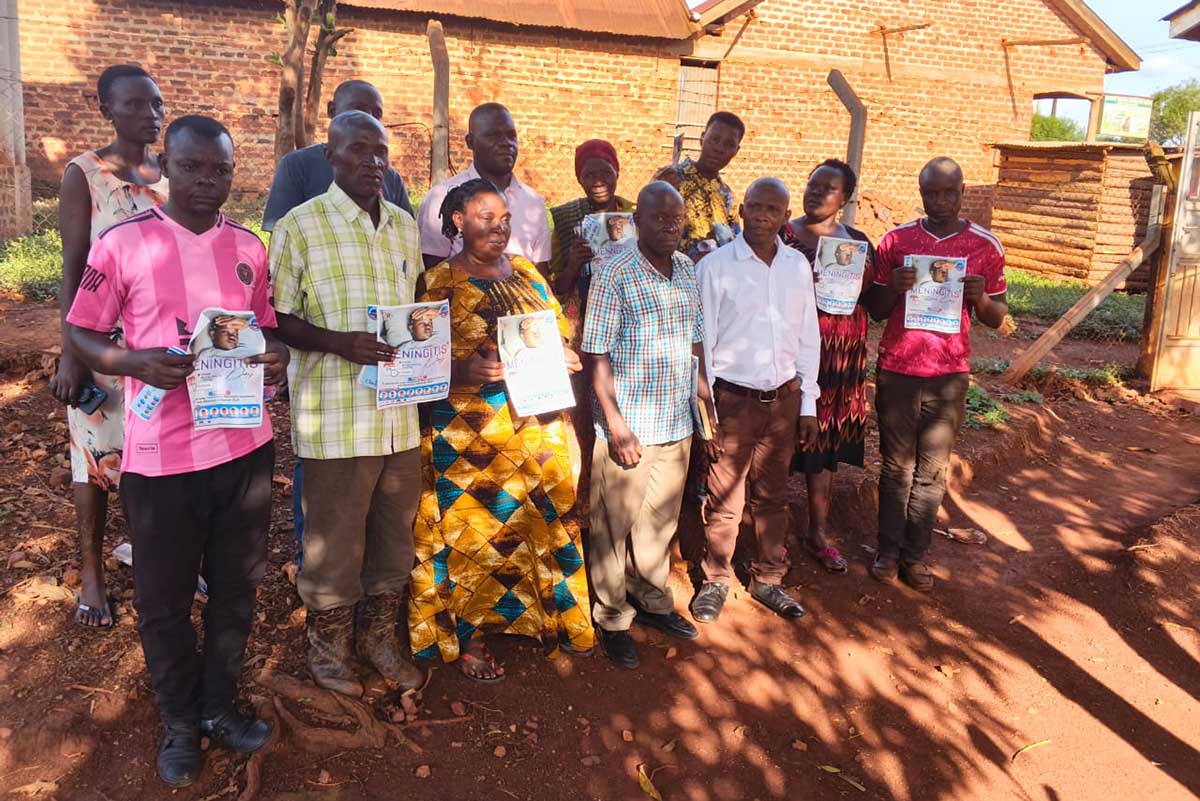
Hellen Namubiru, of Ntaawo village in Mukono district was reluctant to take her three-year-old daughter for the second dose of measles-rubella vaccine. That was until she went to a community health baraza – a public meeting – where comedy duo Madrat and Chiko were performing live.
“The two have different shapes. Because one [Chiko] is big, tall and looks more ‘healthy’ than the other [Madrat], they use that message that Madrat wasn’t vaccinated and Chiko was vaccinated. They joke that if you don’t vaccinate your child, the child will grow [up] stunted like Madrat. It’s comedy and jokes, but we get the message while laughing,” Namubiru told VaccinesWork.
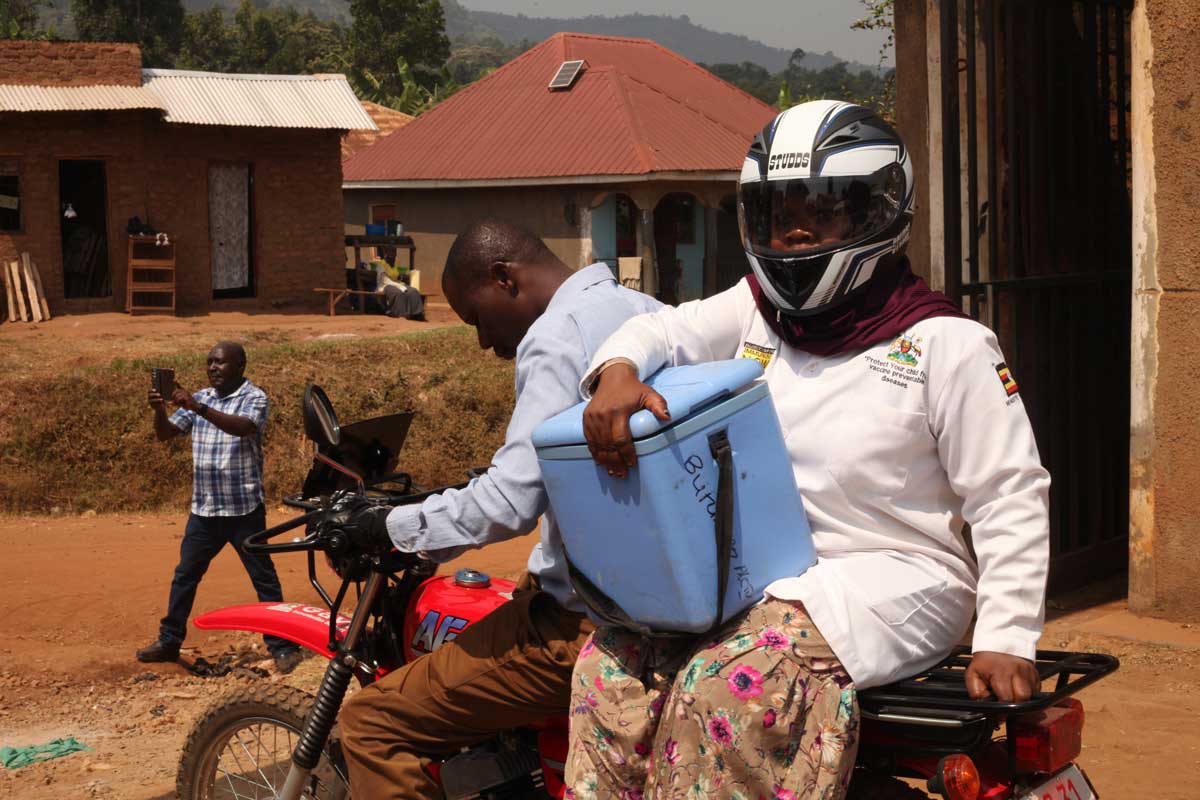
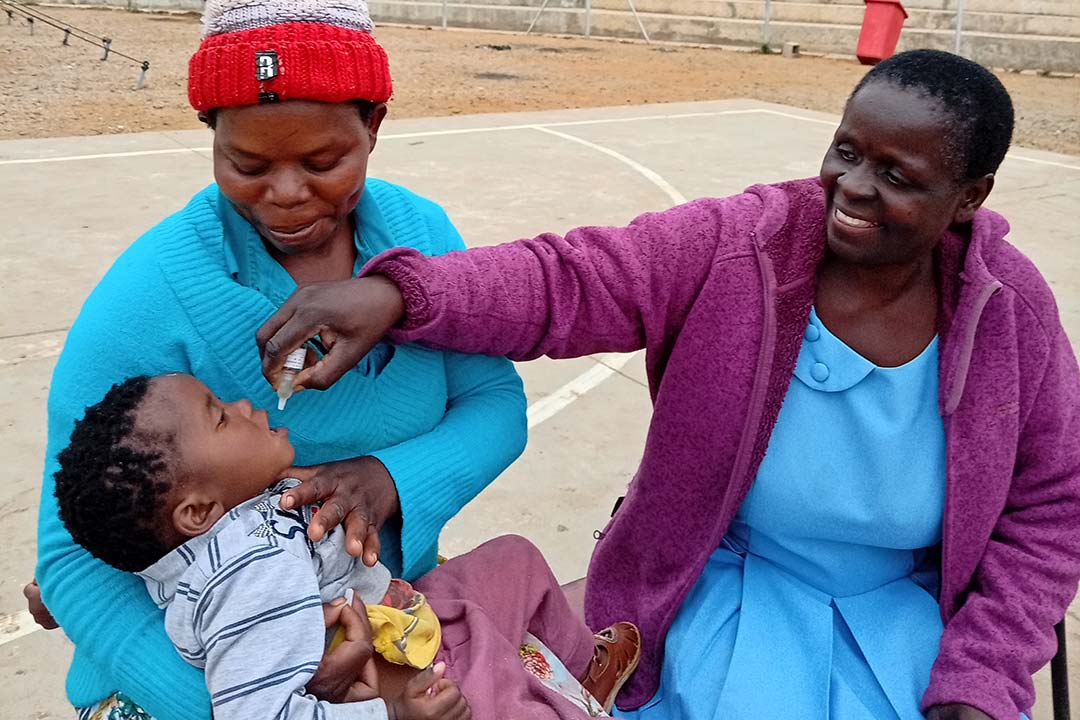
Because the vaccines and the health workers trained to administer them were on-hand at the baraza, many mothers were able to directly respond to the comedians’ invitation, and get their children immunised.
“I work in a market and sometimes it’s hard for me to leave and go for vaccinations. Women here mostly move when their children are sick, not to take their healthy children for just vaccinations.” The comedy show, she explained, provided an extra dose of incentive.
Laughter drops barriers
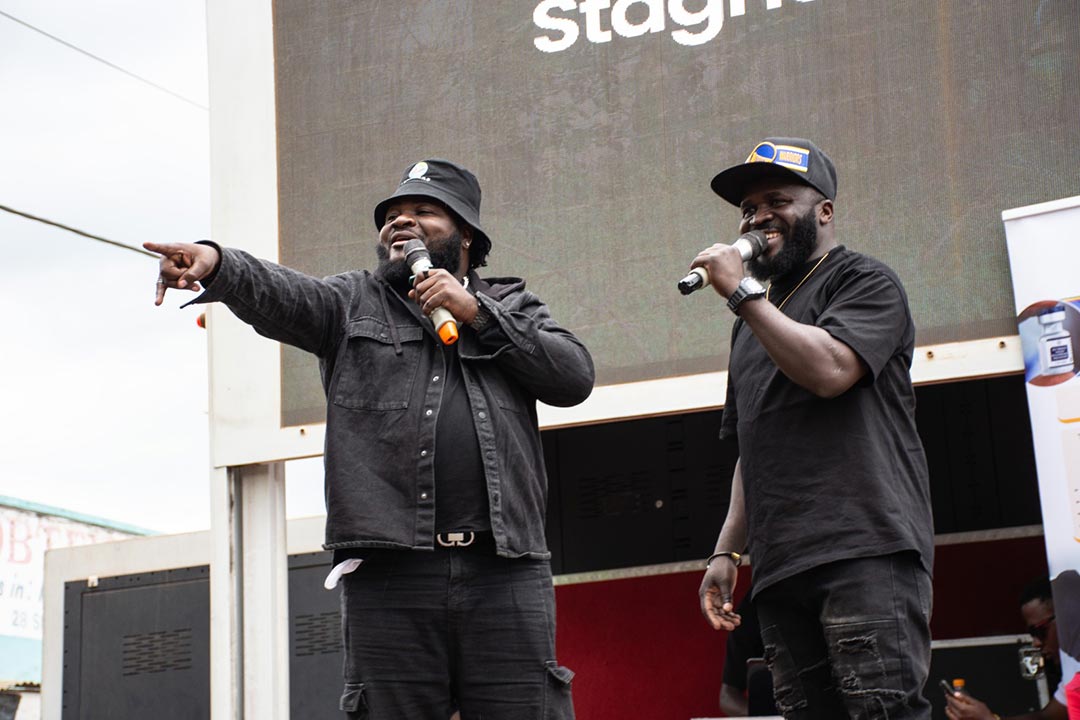
Thousands of people across communities in Uganda have sat in the audience of a Chiko and Madrat show, or responded to them on social media. Although their most extensive engagement has been around malaria vaccination, the duo have also used their platforms to promote human papillomavirus, hepatitis B and measles-rubella vaccination.
Their approach is simple: draw people in with entertainment, make them laugh, then use the attention to start conversations about protecting children from vaccine-preventable diseases.
Credit: Madrat and Chiko
According to Madrat and Chiko, whose real names are Dickson Lubega and Frank Mubiru, the strategy responds to a reality health workers have long encountered as an obstacle: accurate health information, while available, doesn’t always reach communities.
“Entertainers have a powerful voice in society. People listen to us and follow us – especially young adults, and communities where traditional health messages may not always attract attention,” Chiko said, when the duo sat down with VaccinesWork.
At the request of the Ministry of Health, and with their expenses covered, Madrat and Chiko have travelled through several of Uganda’s districts on the immunisation trail.
At community engagements and barazas, entertainment provides a light-hearted entry point for conversations that could otherwise feel technical or intimidating. Instead of beginning with alienating medical terminology, Madrat and Chiko use broad humour, songs, stories, and skits that audiences can relate to.
“It is about helping parents understand why vaccination matters even when their children appear healthy,” Chiko said.
“A health worker may give you the correct medical information, but an entertainer can make that information memorable, so that even without barazas, the next time you will go to the health facility yourself,” they said.
Comedians – not experts
Madrat and Chiko said they do not present themselves as medical experts. And they don’t need to – they have back-up. During their engagements, they have worked alongside District Health Teams, Village Health Teams, Community Health Extension Workers and other health personnel.
“We rely on approved campaign information and guidance from health professionals before delivering messages to communities,” they explain.
“Some people believe vaccines could cause the diseases they were designed to prevent. Others worry about side-effects or questioned the need to vaccinate a child who appeared healthy. Rather than dismissing such concerns, we encourage them to ask questions and seek clarification from qualified health workers,” they said.
Social reach
Besides community engagements, the duo uses their social media platforms to engage Ugandans they haven’t encountered at barazas.
“Very many young people are parents, and these get a lot misinformation from social media, so we use all our social media platforms to give out the right information to them. We have good following on X, TikTok, Instagram and Facebook, and we use those numbers to get to the numbers,” Madrat said.

Credit: Madrat and Chiko
“A parent who might not attend a formal vaccination meeting may turn up to watch a comedian. A person who might ignore a health poster may share a humorous video. A joke can become a conversation, and a conversation can become a question to a health worker,” Chiko added.
The sombre side
The duo said their experience has also changed their own understanding of vaccination. Travelling through communities exposed them to families dealing with the consequences of serious and preventable childhood illness.
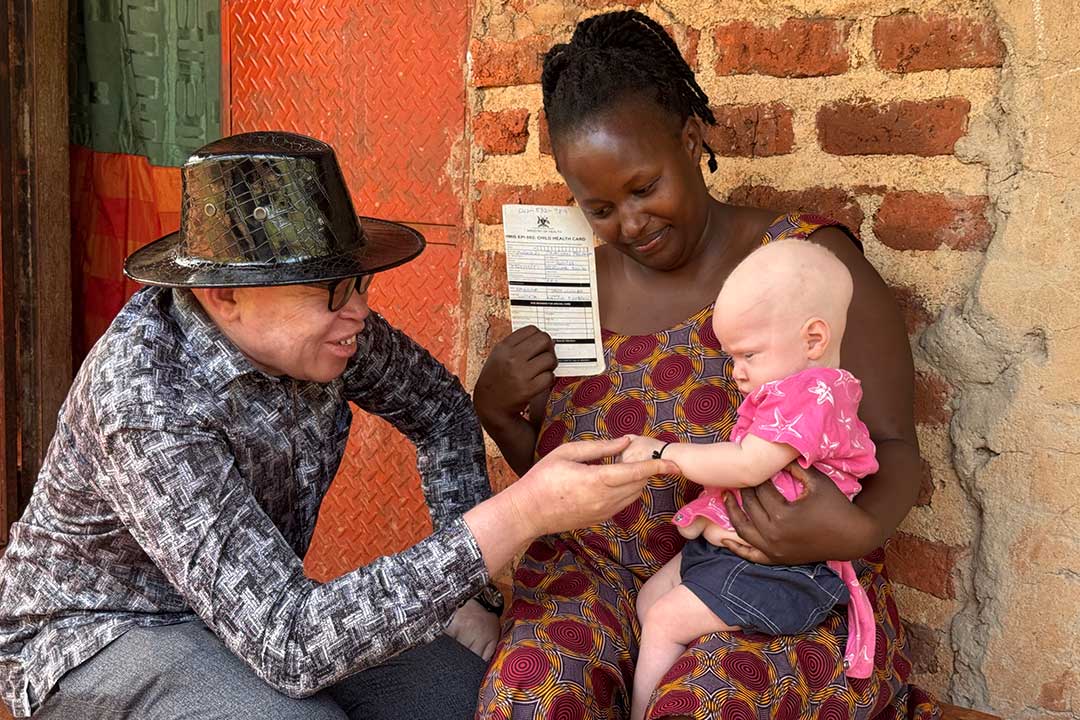
“We have seen how diseases such as malaria affect families, especially children. In Busoga we found families that have hepatitis B and we have seen parents that have lost their daughters to cervical cancer,” they said.
Have you read?
“Claiming that we personally convinced someone to vaccinate would not be true. We see our role as opening the door, getting people to stop, listen and ask questions. Then those who have unvaccinated children use the opportunity, and we have seen big numbers come and benefit,” they said.
“Big numbers”
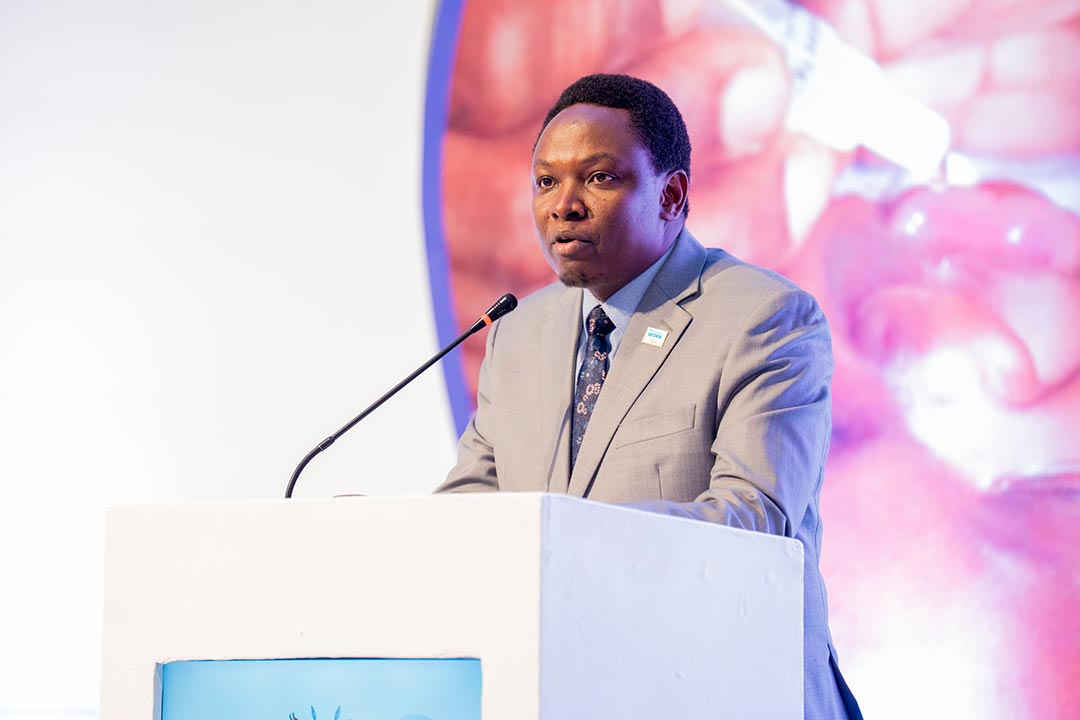
“Vaccine uptake is challenging because people normally go to health facilities when sick, so when their children are not sick, we have to find hooks to bring them out,” explained Dr Richard Kabanda, the Commissioner of Health Promotion and Disease Prevention at Uganda’s health ministry, adding, “that’s what Madrat and Chiko help us with – especially with 14 antigens which are quite many for a parent.”
Credit: Richard Kabanda
He said the duo’s impact has especially been felt at community engagements where mothers bring their child along with them.
“In regions where they have joined us, we have recorded an increase in uptake of these vaccines, like malaria,” Kabanda said, adding that coverage with the first dose of the malaria vaccine now exceeds initial targets, with the second reaching 85% nationally at this point.
He noted that the Ministry of Health equips them with the right information to share, but also always has qualified representatives available in case they encounter hard questions.
“They carry a huge following so if we have them, [more] people will come than if people are told Kabanda is coming. Reason: majority do not know me but, they know them. They amplify the message of routine immunisation of all the 14 antigens,” Kabanda told VaccinesWork.