
Swine flu surges in India
“Don’t panic” urges the government, as the H1N1 case-count soars but symptoms stay generally mild.
- 9 September 2026
- 6 min read
- by T V Padma
At a glance
- India has faced a large surge of swine flu cases in recent weeks, with the capital alone reporting more than 3,000 cases in August.
- H1N1, a subtype of influenza A, has caused fatality at large scale before – notably in the 2009-2010 pandemic – but senior Indian health leaders say cases during the current surge have been generally mild, with most patients managing symptoms at home.
- Still, Indians are encouraged to help tamp down the spread, by staying home if symptomatic, wearing masks in crowded spaces, washing their hands often and getting the flu jab if they are able.]
Swine flu is spiking in India, with the country’s capital, Delhi, seeing a surge of more than 3,000 cases in the three weeks to 2 September. Infections have also been reported from Karnataka, Kerala, Rajasthan, Punjab and other states.
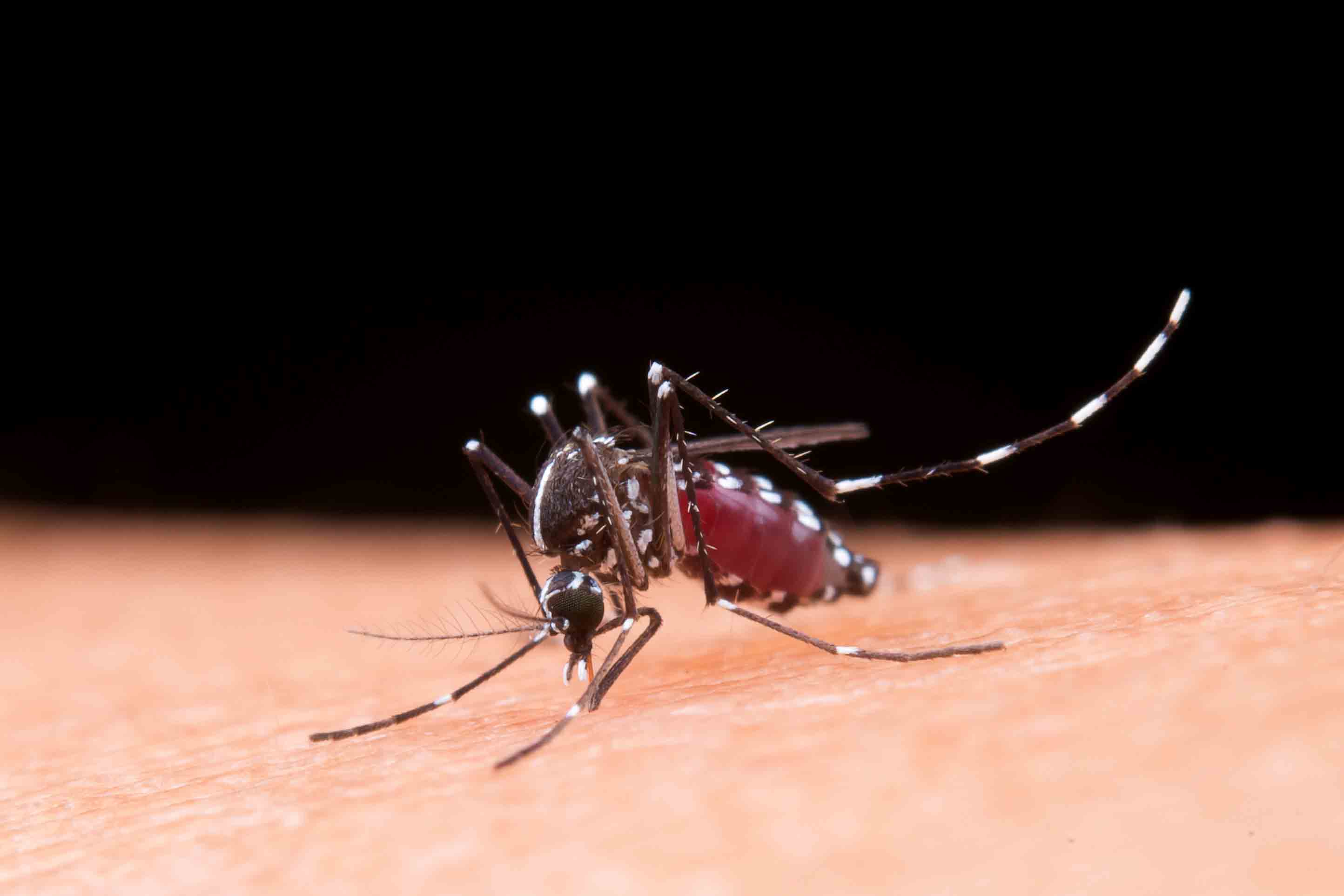
Swine flu, also known as H1N1, is a subtype of influenza A that usually causes symptoms including sore throat, cough, fever, and body aches. Some patients also present with nausea, vomiting and diarrhoea. While it can prove fatal, deaths from common strains of the virus are rare.
Not a new strain
India typically has two peaks of seasonal influenza: one from January to March and another in the post-monsoon season, from October to November, according to the Ministry of Health and Family Welfare.
While the timing of this disease surge is mildly off-pattern, H1N1 is not an unfamiliar bug. The virus has been circulating globally as a seasonal virus since it emerged in the United States of America in 2009, exploding into a pandemic that is estimated to have resulted in close to 300,000 deaths. That specific strain of the virus was a unique combination of influenza virus genes never previously identified in either animals or people, according to the US Centers for Disease Control and Prevention (CDC).
The Indian Council of Medical Research (ICMR) has said that the current upsurge in cases in India is not due to a new strain, confirming that the currently circulating strain remains the previous seasonal H1N1 strain, with no evidence of new genetic mutations.
Public called on to help limit spread
ICMR director general Rajiv Bahl says most cases during this wave of infections have been mild and self-limiting. He added that not all cases of cough need to be tested for swine flu, but called for basic precautions to limit spread, including wearing of masks and avoiding crowded places.
According to scientist, paediatrician and former deputy director of the World Health Organization Soumya Swaminathan, data available from surveillance laboratories in India shows that out of all the respiratory infections in India right now, over 70% are H1N1. Some strains of COVID-19 and other strains of influenza account for a majority of the remainder. “But the good thing is that there has been no marked antigenic shift, which would indicate that this is behaving differently or that it has become more virulent or more dangerous.”
“What we are seeing is a seasonal increase in influenza which happens during the monsoon season,” she said in an interview with PTI News.
The Indian Medical Association (IMA) said in an August that there was “no cause for panic” as swine flu has not taken any epidemic shape this year. Most swine flu patients have been able to be managed at home.
Yet the IMA also strongly advised against self-medication with over-the-counter antibiotics and antivirals for flu symptoms, as these are required only for secondary infections based on laboratory diagnosis. Deployment of wrong or ineffective medicines is liable to exacerbate rates of antimicrobial resistance (AMR). Preventive measures recommended by the IMA include frequent handwashing, covering the face when coughing or sneezing, wearing masks in crowded spaces and staying home when sick.
Most patients in India find it difficult to distinguish initially between ordinary coughs and colds that spread typically during the monsoon season, and swine flu. Common H1N1 symptoms include high fever, cough, sore throat, muscle aches, and headache Specific warning signs, such as difficulty in breathing and/or chest pain, are an indicator that a patient should seek immediate medical attention.
Will flu shots work against H1N1?
Currently, there is no specific standalone vaccine against H1N1.
The H1N1 virus is, however, one of the viruses targeted by vaccines against seasonal influenza, which are designed to protect against multiple flu strains, and updated periodically to keep up with circulating viruses. They commonly include influenza A(H1N1), influenza A(H3N2) and an influenza B strain.
Influenza vaccines can reduce the severity of the swine flu infection in vulnerable groups, but they do not affect the spread of the disease, which follows a typical self-limiting cycle of viral infections, Ritu Priya, retired professor at the Centre for Social Medicine and Community Health at the Jawaharlal Nehru University, New Delhi, explains.
IMA guidelines released in 2015 also suggest that the flu jab offers a degree of protection against the emergence of new epidemic-prone strains, specifying that while “current seasonal influenza vaccines are not expected to provide protection against human infection with avian or swine influenza A viruses,” vaccination could reduce the theoretical risk for recombination of influenza A viruses of animal origin.
The fact is that the flu vaccine is a valuable shield against influenza in general, and most health experts and physicians in India, as well as the IMA, also recommend it particularly for vulnerable groups, such as the elderly, children, those with immunity problems and health workers.
Have you read?
Paying for care out-of-pocket
While the current wave of swine flu cases seems to be causing milder symptoms than some outbreaks of the past, it is still having an impact on the financial well-being of patients. That’s partly because a large number of patients in India rely on private sector doctors for care, a trend that NITI Ayog, the government’s apex policy think tank, says is down mainly to the longer time private sector doctors are able to spend with each patient.
Gomati, a domestic helper in her 60s, is a typical example. She thought she had mild flu, usual for the rainy season in Delhi. She visited a private clinic near her house when her cough turned severe and led to chest pain and body aches. The symptoms turned out to indicate pneumonia from severe swine flu cases. “I spent 16,000 rupees (US$ 168) on treatment,” said a worried Gomati, who earns barely 6,000 rupees (US$ 63) a month as a supplement to her 2,500 rupees (US$ 27) monthly state government pension.
While experts agree that flu vaccination is a good idea, it’s expensive. Unlike routine childhood jabs, which are provided to families for free, the flu vaccine is available only privately, at a cost of 2,000–3,000 rupees (US$ 22–32), depending on the brand. In a country that sees the poorest 20% of households surviving on a monthly expenditure of about 12,000–18,000 rupees for a family of five, that can be a prohibitive sum.
More from T V Padma