
The chief’s nod: how traditional leaders in rural Nigeria boost vaccine uptake
During a major measles-rubella vaccination campaign in 2025, village heads, womens’ leaders and imams came aboard to boost trust.
- 22 September 2026
- 6 min read
- by Abdullahi Muritala
At a glance
- Mistrust of vaccination used to be widespread in Koya community, rural Kano.
- A group of influential, traditional figures, including the village chief, the local imam and a women’s leader with a knack for reading social situations, have come together to change that.
- By attaching themselves to teams of health workers going home to home, these well-known local leaders boosted trust, keeping doors from slamming and helping get children protected.
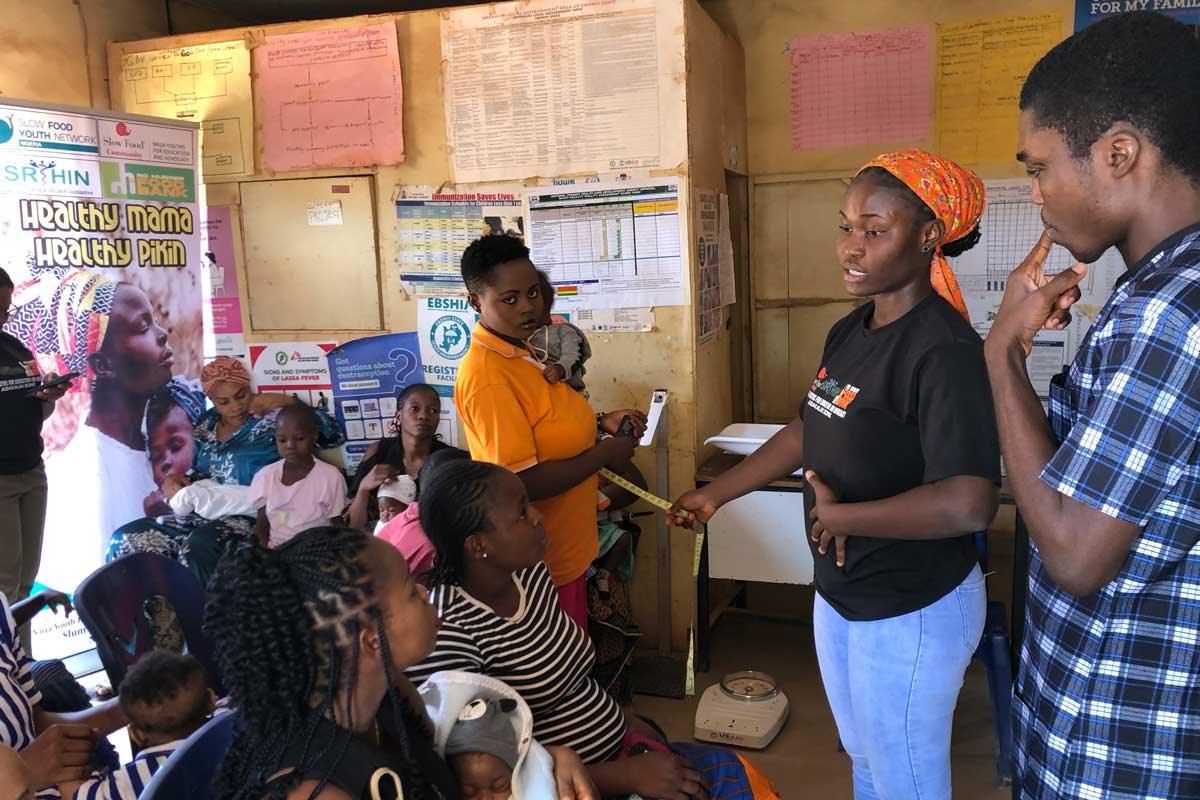
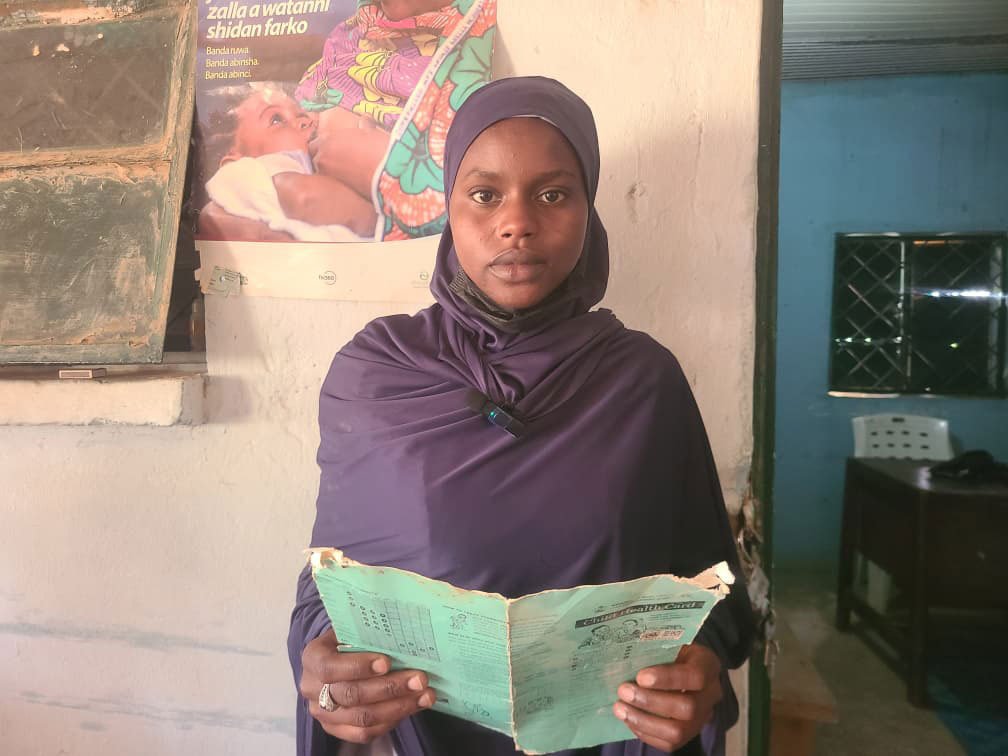
When Zainab Musa Ibrahim, 30, a mother of two and resident of Koya, a community in northern Nigeria’s Kano State, received health officials at her doorstep in the past, she abruptly refused them. But this time was different.
It was October 2025 and the health workers – identifiable by the blue immunisation boxes they carried – had come in the company of a familiar figure.
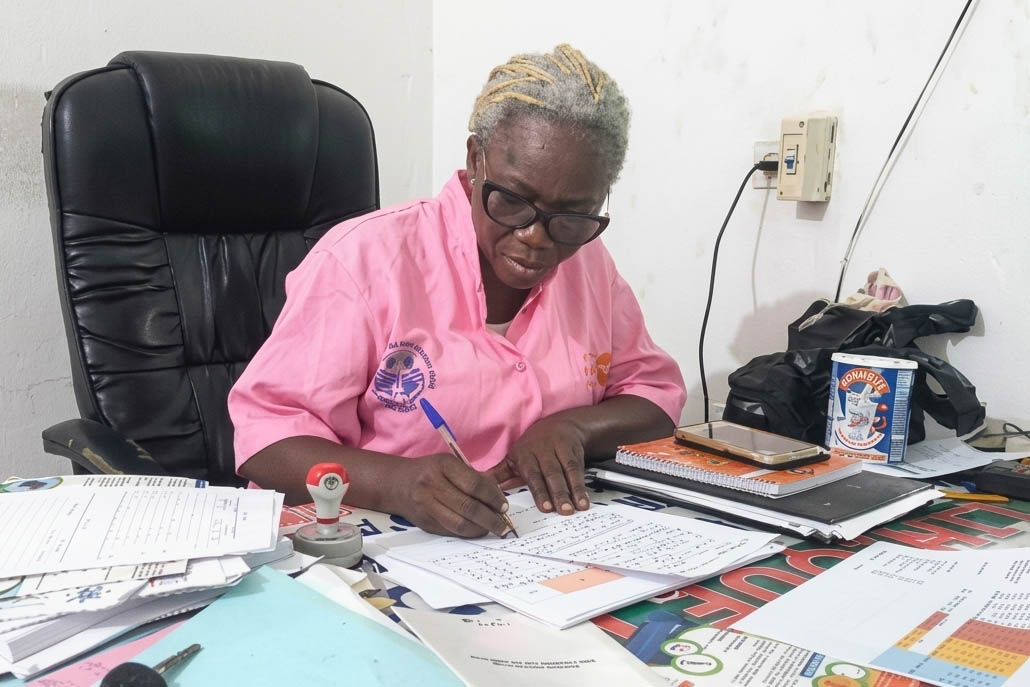
Uwale Sunusi is a 58-year-old community mobiliser and women’s leader who had received a directive from the Mai Gari, or village head, to escort the health workers from household to household. Her job was to help them confront the suspicion and hesitancy that had become common in this town.
“I was sceptical because he wasn’t sick,” Ibrahim said. But with Sunusi’s help, a vaccinator was able to explain the preventive function of vaccination.
Credit: Abdullahi Muritala
Their words made sense to Ibrahim, who said she can remember seeing serious common childhood diseases that were now all but unheard of. She agreed to let her son be immunised. “I don’t want my child to suffer from any of those diseases,” she told VaccinesWork.
Tackling measles
As much as it is almost perfectly preventable through vaccination, measles is one childhood disease that continues to pose an active danger.
That’s because measles is the most contagious human virus science knows of, which makes it highly adept at exploiting any gaps in immunisation coverage.
In 2023, the Nigeria Centre for Disease Control and Prevention (NCDC) tracked 184 separate measles outbreaks with 11,433 confirmed cases. In 2025, the country logged 27,433 suspected cases, resulting in 19,225 confirmed cases and 153 deaths.
To tamp down the risk, Nigeria’s Federal Ministry of Health, with support from partners, launched the country’s largest-ever integrated vaccination campaign in October 2025. It aimed to reach approximately 109 million children aged nine months to 14 years with vaccines against measles-rubella (MR), human papillomavirus (HPV), which prevents cervical cancer, polio and other routine childhood diseases.
Kano state was one of the 19 states included in the first wave of the roll-out, with 59 million children reached in that initial phase.
Respect and community engagement builds trust
Abubakar Bello Koya, aged approximately 70, is the village head of Koya and says he has been for at least 55 years. Before that, he was a farmer, an occupation he inherited from his parents.
When asked how he persuaded residents to accept vaccination, his answer was simple: “It was through respect. They respect me and vice versa.”
Have you read?
People are more receptive when outsiders, like government officials or aid organisations, receive the endorsement of the village head, he said. This is rooted in the belief that the village head would not jeopardise their culture and ways of living for personal gain, or accept an initiative that could harm the community.
He told VaccinesWork that when he received officials from the immunisation department ahead of last year’s measles-rubella campaign, he summoned community mobilisers, including the women’s leader and the local imam, who formed the committee that championed the campaign. Working alongside the immunisers, they went from household to household to ensure the vaccines had the best shot of delivering the protection they promised.
In Koya, religious authority meets public health
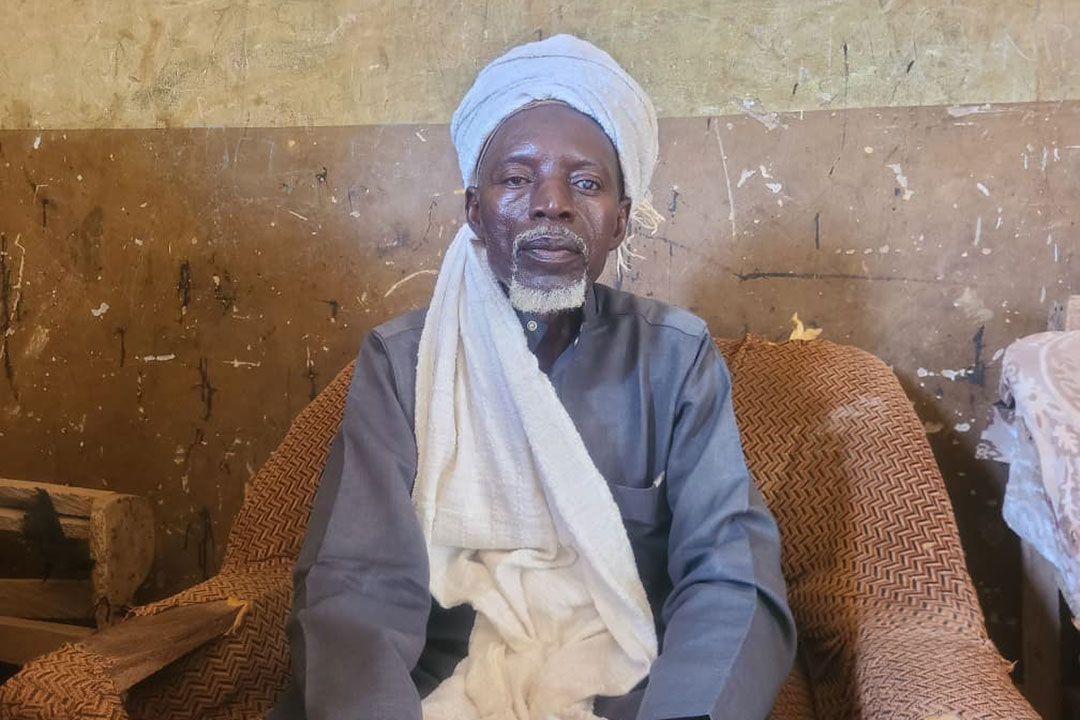
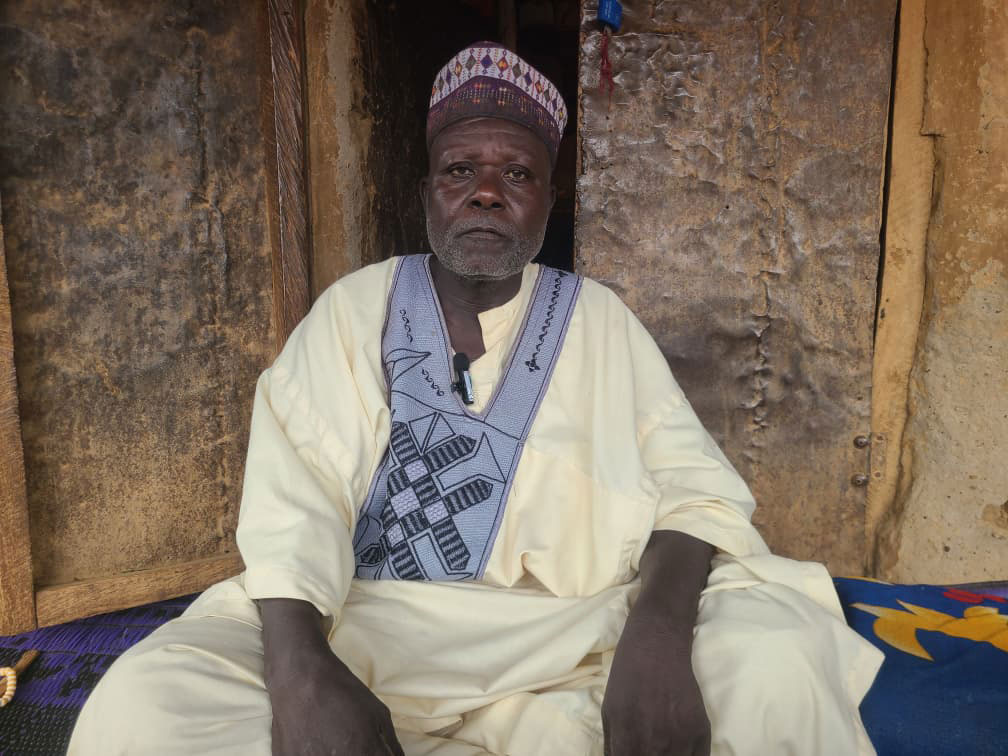
At about 68, Mallam Ibrahim Na’ibi has served for more than 30 years as the assistant Imam of Koya Head Mosque. His relationship with the community is closely linked to the traditional leadership structure. When the Mai Gari asks religious leaders to educate residents about a new programme, the clerics do so during the few minutes after salat prayers, and Na’ibi says they are typically confident of receiving worshippers’ cooperation.
Credit: Abdullahi Muritala
Although Ibrahim was not present during the administration of the MR vaccine, he believes the mosque served as an important avenue for creating awareness during the campaign.
Na’ibi has previously participated in health programmes, particularly when the chief Imam was unavailable. His role has involved explaining health initiatives and addressing misunderstandings from a religious perspective.
“Based on my own knowledge, too, going by the way I was briefed on what the vaccines are, they do not contradict any religious teaching,” he emphasised.
The woman reaching 50 households a day
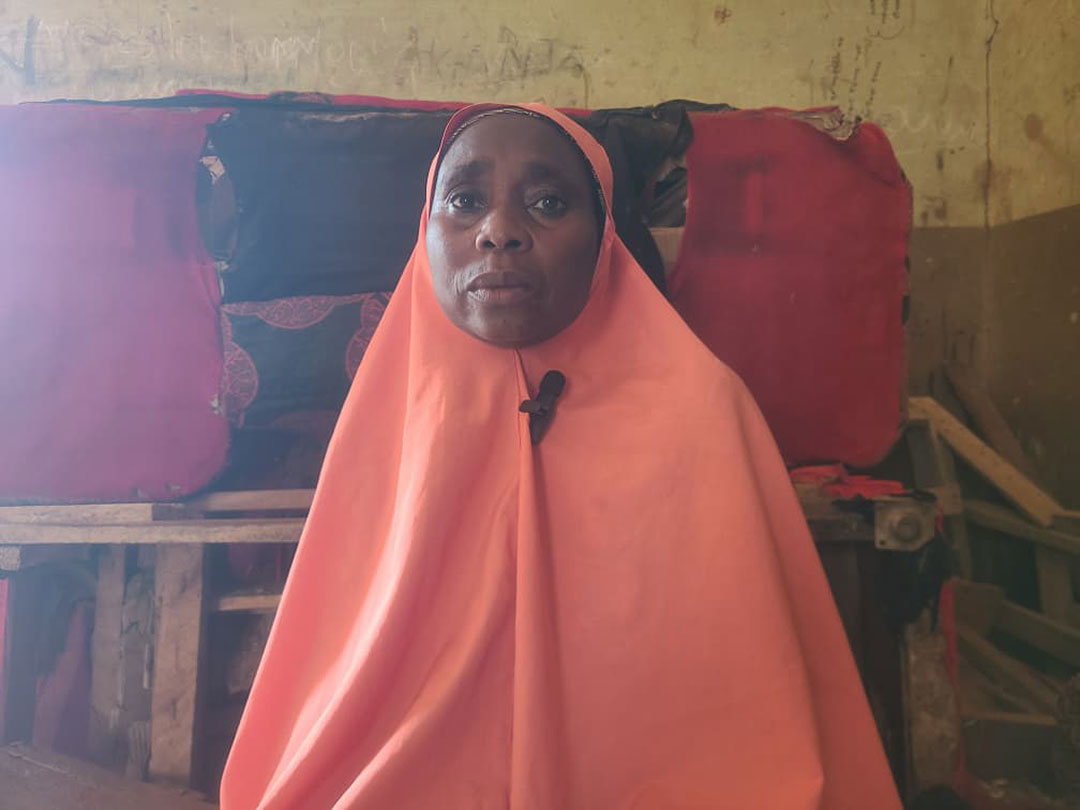
Uwale Sunusi, 58, is a community mobiliser in Koya whose work focuses on women. During immunisation campaigns, she says she reaches as many as 50 households a day.
Credit: Abdullahi Muritala
Her experience gives her a unique insight into vaccination attitudes in the community, and how they have changed over time. She remembers that about a decade ago, some women feared vaccination could affect their fertility or cause their children to die. She believes those fears have reduced significantly.
That’s partly down to her own interventions. Sunusi responds to community members’ concerns by explaining the protective purpose of vaccination. “Immunisation isn’t meant to affect anybody’s health; instead, it is meant to protect them from future disease conditions,” she tells women.
The work is not without its conflicts, but she has powerful backup. During one campaign, a household head ordered Sunusi and her supervisor to return to his home and remove the markings they had made after completing their vaccination work. Sunusi reported the incident to the Mai Gari, who summoned the man to the palace. The man apologised there and later went to Sunusi’s home to apologise personally.
Uwale believes her ability to communicate calmly has helped her earn the trust of women. “If you are good at social interactions, then you won’t have problems with people, and they will always trust you,” she said.
Asked whether she contributed to the success of the MR campaign, she responded: “Yes, of course.” Her recommendation to the government is straightforward: while these initiatives are propelled by people like her, support for transportation and logistics is lacking. “The government should invest more in community mobilisation,” she concluded.
“You can’t work smoothly without traditional leaders”
Mustafa Aliyu, head of immunisation in the Gwarzo North Zone of Gwarzo Local Government Area, which includes Koya, played a major role in the last MR vaccination campaign. His responsibilities included monitoring service delivery across a zone covering more than 20 districts and settlements.
He acknowledged that working with rural communities comes with challenges, but said the support of influential figures helped make the campaign successful.
Interestingly, he said misinformation was not a major problem during the campaign. “We haven’t faced any, because the time has come when challenges like that have nearly been erased,” he said.
For Aliyu, however, the absence of misinformation does not diminish the importance of traditional leadership.
“As a frontline healthcare worker working in local communities, you can’t work smoothly without the support of those people [traditional leaders] because they have a better understanding of the community than you do,” he said. “The residents trust them more than you, since they are a part of them.”