
New typhoid vaccine brings relief to Bangladesh
Fifty million children countrywide were offered the typhoid conjugate vaccine (TCV) during the November campaign, which marked that jab's introduction into the national immunisation schedule.
- 10 December 2025
- 5 min read
- by Mohammad Al Amin
At a glance
- Typhoid is estimated to kill 8,000 people each year in Bangladesh, but leading scientists say “most” of those unnecessary deaths can be prevented by the Typhoid Conjugate Vaccine (TCV), new to the country’s vaccine arsenal this October
- 50 million children aged 9 months to 15 years were offered the jab amid the two-week introductory campaign, which health workers in Dhaka described as “smooth”
- “No eligible child will remain left to get the vaccine,” said Nazma Akter, one of the many determined paramedics staffing the campaign frontline
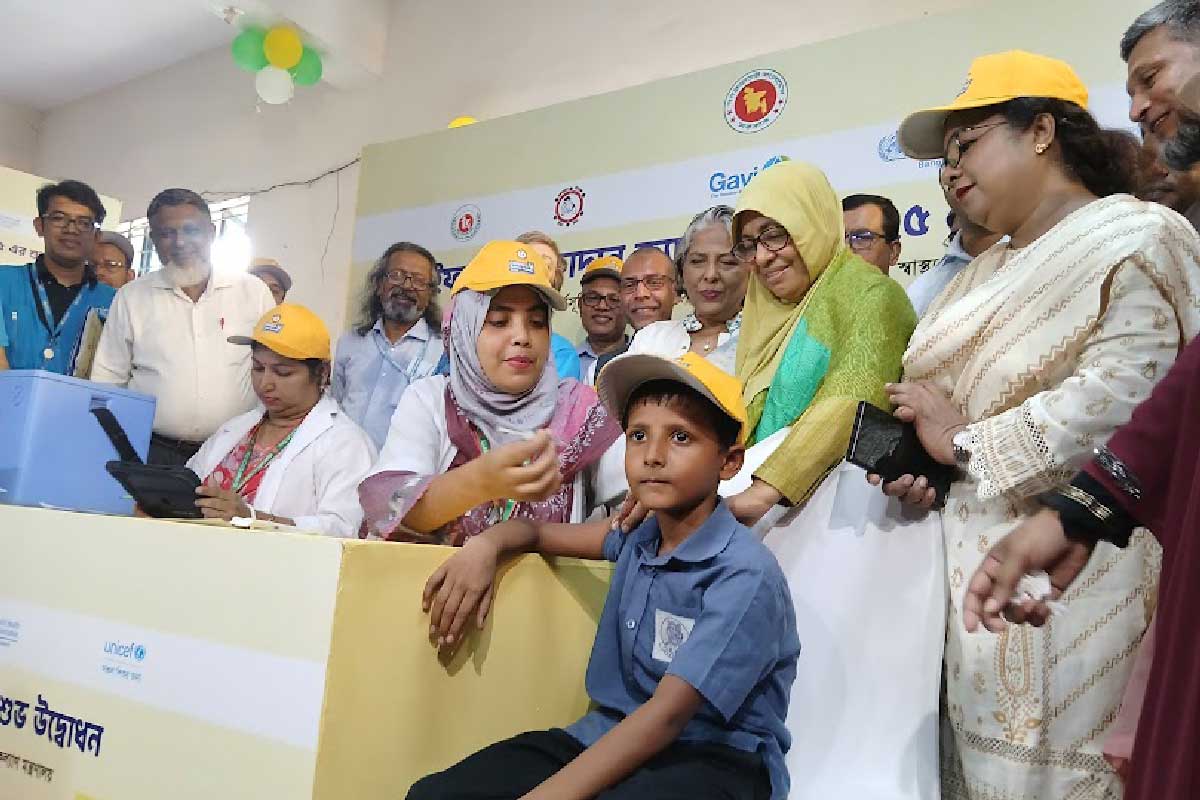
“My two children most often suffer from fever. We were worried about it. That’s why I brought them here – to get them vaccinated against typhoid. It makes me free from worries about my children,” said Sumaya Akter from Hazaribagh in Dhaka.
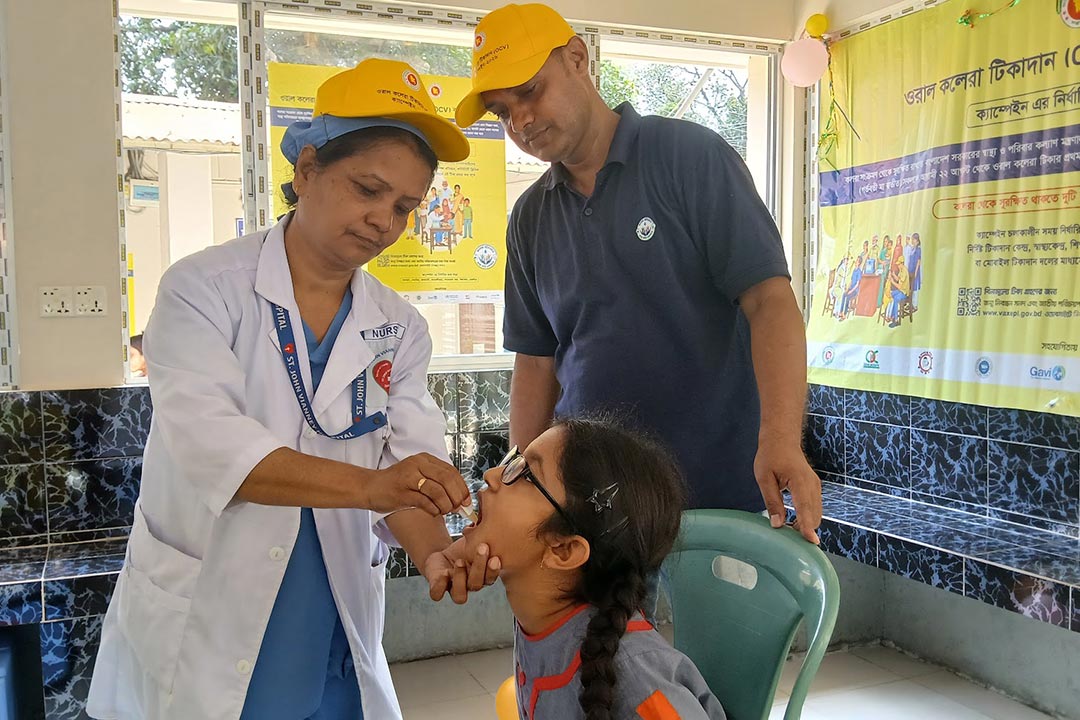
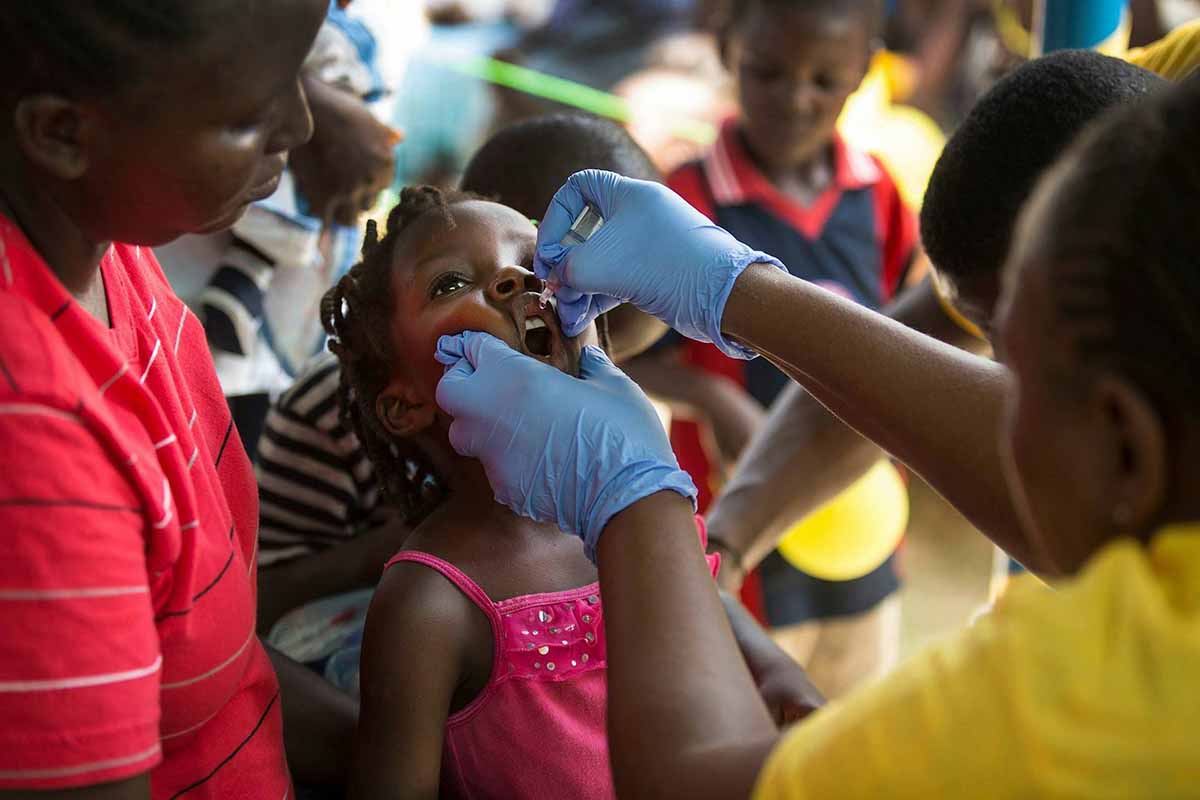
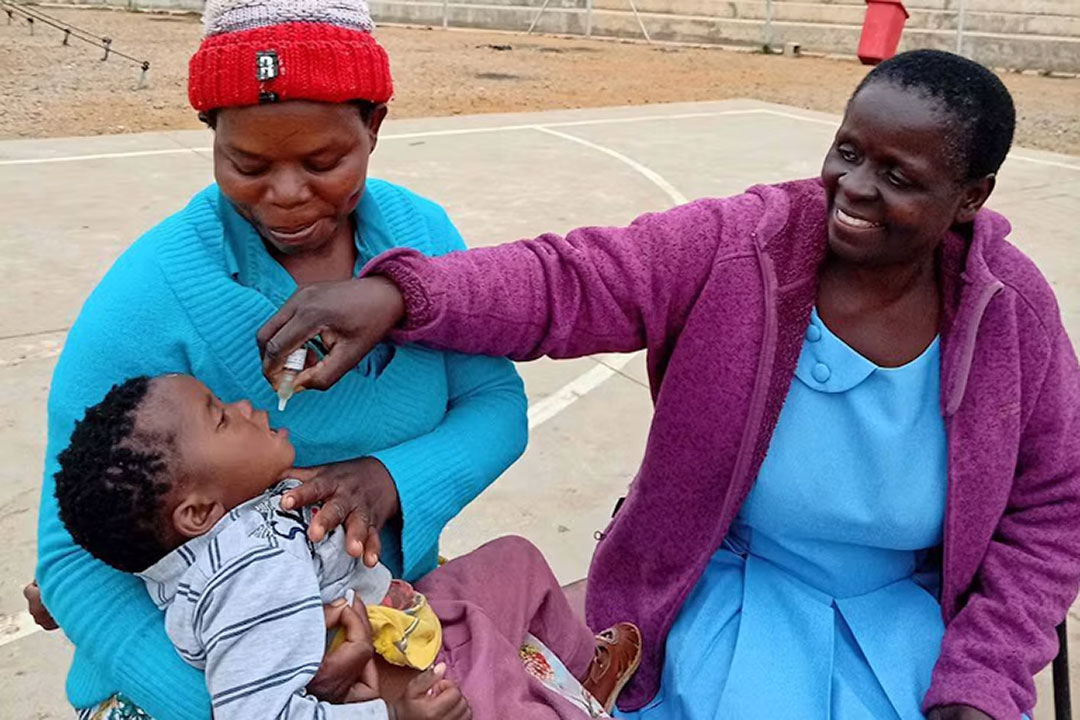
She had brought her seven-year-old daughter Annur Hossain Sejda to an immunisation point set up at Azimpur Government Girls’ School, to receive her dose of the typhoid conjugate vaccine (TCV). It was 12 October, the first day of the first-ever countrywide TCV campaign, which aimed to protect 50 million Bangladeshi children aged nine months to 15 years over the course of two weeks.
Endemic and evasive
Earlier that day, just a few hundred metres away at the Sir Salimullah Muslim Orphanage, Health and Family Welfare Adviser of the Interim Government, Nurjahan Begum had spoken at the launch event of the campaign. “Around 8,000 die of typhoid disease every year,” she had said. “Most of the patients are between nine months and 15 years of age.” Vaccination with TCV, she added, would prevent both fatalities and hospitalisations.
Mehedi Hassan, a student of class III and an resident of the Sir Salimullah Muslim Orphanage, was one of the first to receive the vaccine, and reported that he had felt no pain at all. “I’m happy about taking this vaccine as it will save me from typhoid,” he told VaccinesWork. A single dose is considered to offer protection for a period of several years.
Globally, typhoid, which is caused by the food- and waterborne bacterium Salmonella typhi, is estimated to kill about 110,000 people each year. It also sickens millions, and amid high and rising rates of antimicrobial resistance, managing cases of the disease can be a difficult and costly affair.
According to a 2024 retrospective observational study published in PLOS Neglected Tropical Diseases, rates of resistance to some important first-line drugs remain high in Bangladesh, but efforts to manage the bacterium’s resistance to other therapeutics – principally by managing rates of consumption of those antibiotics – are paying off. The vaccine is expected to help. “The reduced number of cases in the post-TCV period will enable more focused efforts on implementing effective antimicrobial stewardship strategies in Bangladesh …TCV is also expected to significantly reduce the consumption of antibiotics in the country,” the study’s authors write.
Campus roll-out
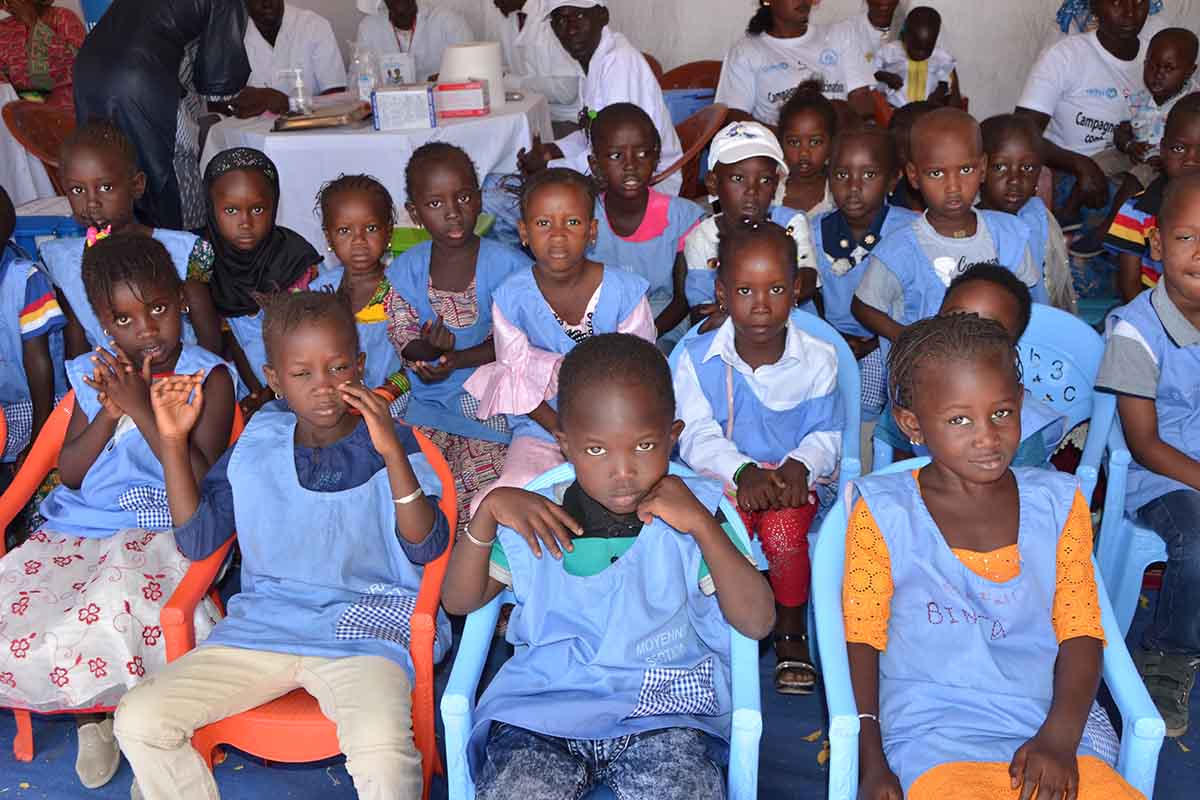
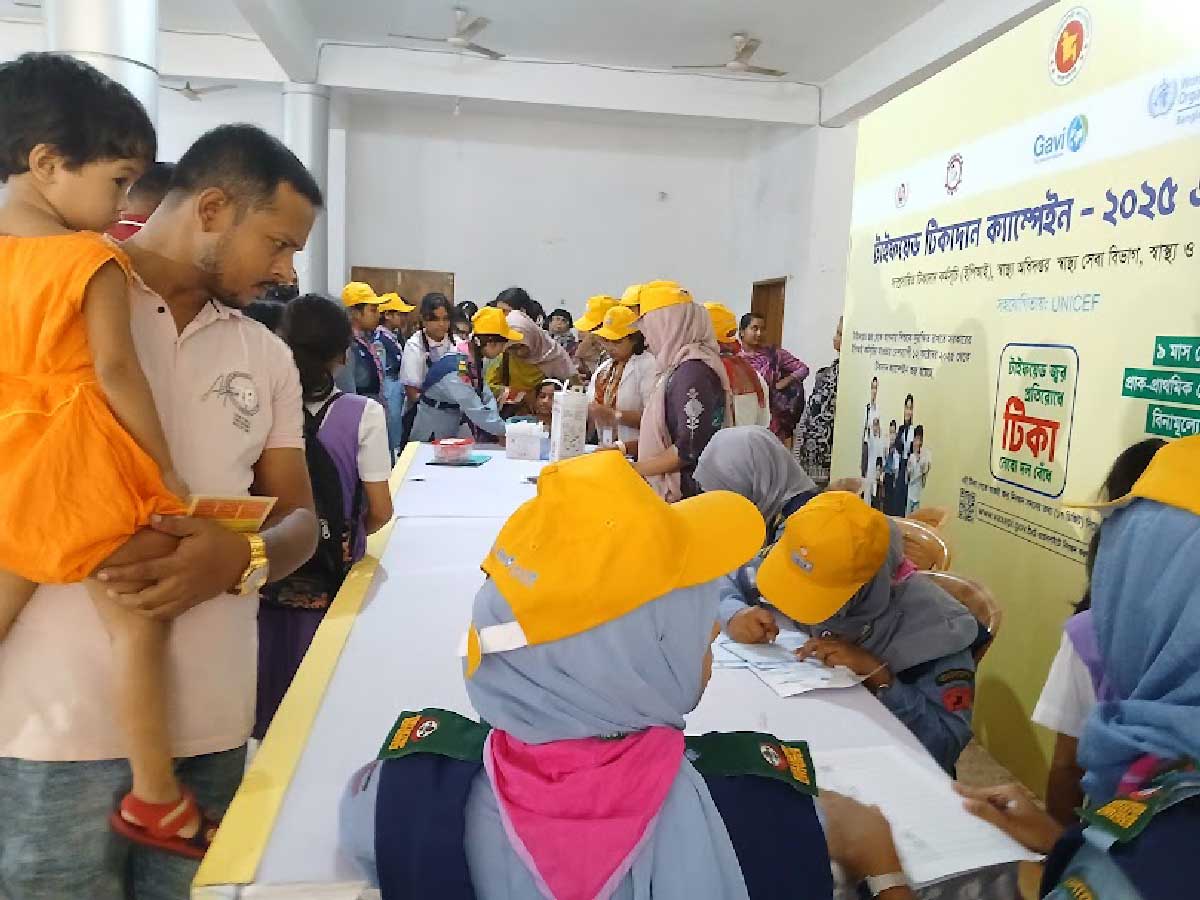
The first phase of the introductory campaign focused on the country’s diverse educational institutions, while a second phase, launched in November, brought the vaccine to Expanded Programme on Immunization (EPI) fixed centres and about 120,000 outreach sites.
“If any child misses to get inoculated with the vaccine from the temporary vaccination centre due to different reasons including sickness, then the child can get the jab from nearby permanent EPI vaccination centre. However, no eligible child will remain left to get the vaccine,” said Nazma Akter, a paramedic from Surjer Hashi Clinic in Dhaka, who was on-duty at the TCV inoculation point at Farid Uddin Siddique High School.
Meantime, a diverse set of government and private organisations brought the jab to Dhaka’s so-called “floating” and street children.
Have you read?
“Smooth” uptake
Merija Begum, another on-duty vaccinator at Farid Uddin Siddique High School, described the start of the campaign as “smooth,” and reported a good response from guardians of eligible children. “After completing our target here, we will inoculate the vaccine on another centre, by rotation,” she added.
Rasheda Khatun, Senior Assistant Teacher at the orphanage next door, said, “We have completed registration of our children of the orphanage. We are free from worry that the vaccine will protect our children from typhoid disease. Actually, we remain worried usually about the health of these orphans, as they have no proper guardian to look after them. We thank the government as well as others who have managed to run this vaccination campaign.”
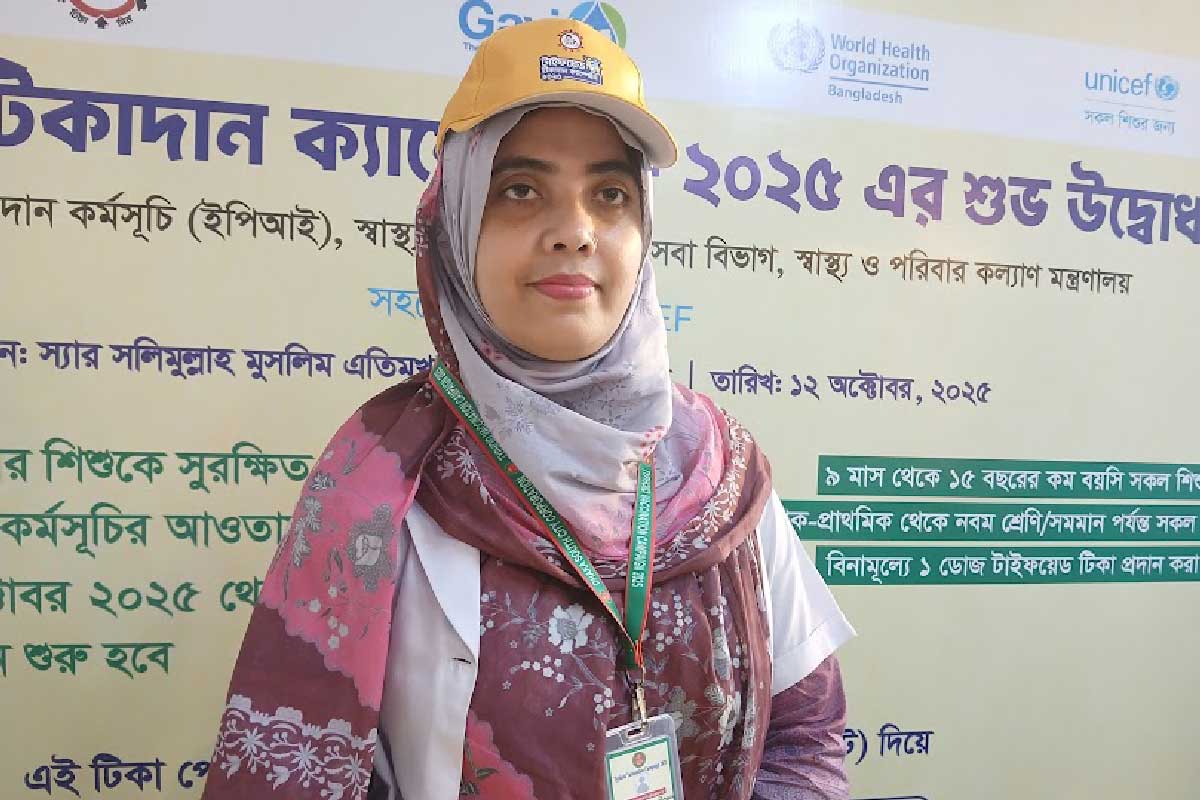
Shahriar Sajjad, Deputy Director (EPI and Surveillance) of the Department General of Health Services (DGHS) said over 43.2 million children had been vaccinated as of 13 November. “The dropped children can take the TCV vaccine from EPI centres across the country from 1 December till 31 December this year,” he added.
Thereafter, the government plans to introduce TCV into the routine immunisation schedule. “As per the plan, if the higher authority approves, then the children who will come to take the MR1 vaccine, they will get the TCV vaccine.”
Talking to VaccinesWork, vaccine expert Dr Firdausi Qadri, Senior Scientist at the Infectious Diseases Division of icddr,b, said, “In Bangladesh, typhoid claims about 22 lives every day, and it is deeply concerning that around 15 of them are children.”
“The Typhoid Conjugate Vaccine (TCV) can prevent most of these unnecessary deaths. With limited access to clean water, poor sanitation and rising antibiotic resistance, treating typhoid is becoming longer, costlier and more risky. In addition, typhoid fever can lead to complications which put lives at further risk. Introducing TCV into the National Immunization Programme (EPI) will offer the most effective protection against this hard-to-diagnose disease,” she added.