
Lassa fever is going undiagnosed in West Africa, risking global spread
A new Lancet study says undiagnosed infections of the Ebola-like disease are endangering patients in West Africa and beyond.
- 9 March 2026
- 5 min read
- by Priya Joi
At a glance
- Lassa fever, a haemorrhagic disease similar to Ebola, often goes undiagnosed: new research in Liberia shows that 11% of people with a fever not suspected to be Lassa turned out to have the disease, and children made up 43% of cases.
- Patients who died had much higher levels of virus in their blood and weaker antibody responses, pointing to a narrow window where early diagnosis and care matter most.
- Recent cases in travellers from the US and South Africa underline the risk of this disease spreading outside current endemic regions.
Lassa fever kills thousands of people every year in West Africa, but many of those infections go undiagnosed until it’s too late.
With the Ebola-like haemorrhagic disease now emerging in hospitals from Iowa to Johannesburg and Beijing, it’s a problem that is pushing beyond West Africa’s borders.
A new study in Liberia, published by the Lancet Infectious Diseases, found that 11% of people admitted to hospital with fever who weren’t suspected to have Lassa fever, turned out to be infected.
The study authors argue this points to an urgent need for a clearer understanding of the symptomology and better detection and treatment.
A deadly threat hiding in plain sight
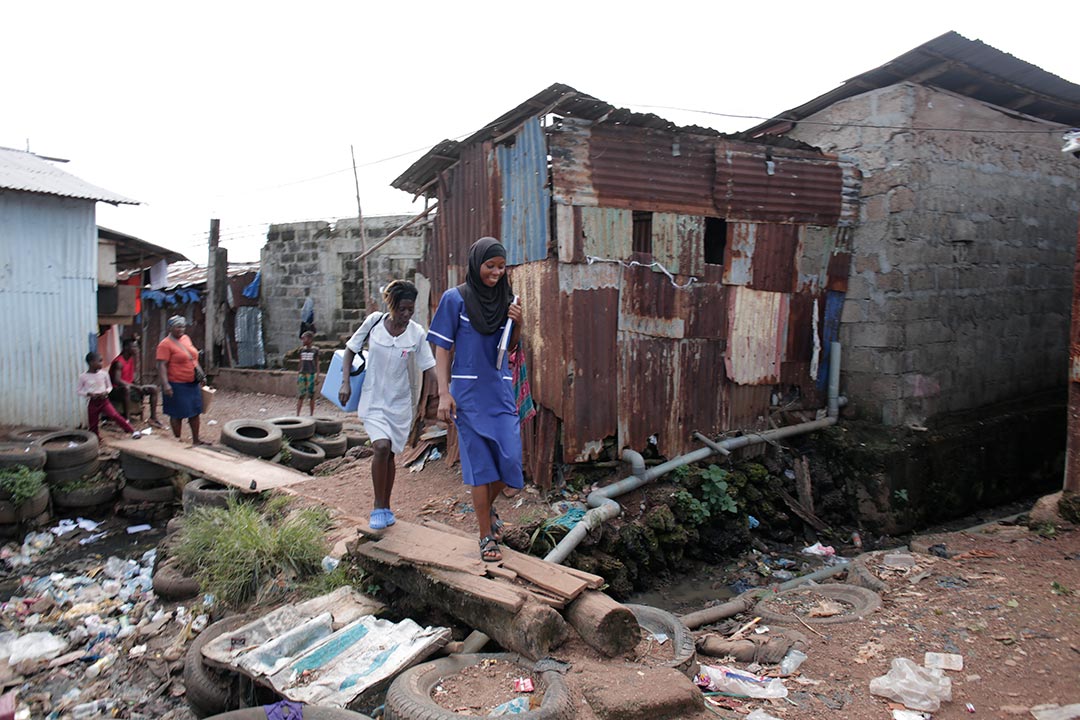
Lassa fever is a viral haemorrhagic illness spread mainly by rodents. It’s known to be endemic in parts of Nigeria, Liberia, Sierra Leone and neighbouring countries.
However, travellers to West Africa can carry the disease back with them. In 2022, a man travelling back to South Africa from Nigeria became sick with Lassa fever and died. In 2024, a man from Iowa was infected after travelling to Liberia, and died shortly after returning home to the US.
People can get infected by eating food or using household items that have been contaminated by rodent urine or droppings. Once someone is sick, the virus can spread to others through contact with their blood or other body fluids.
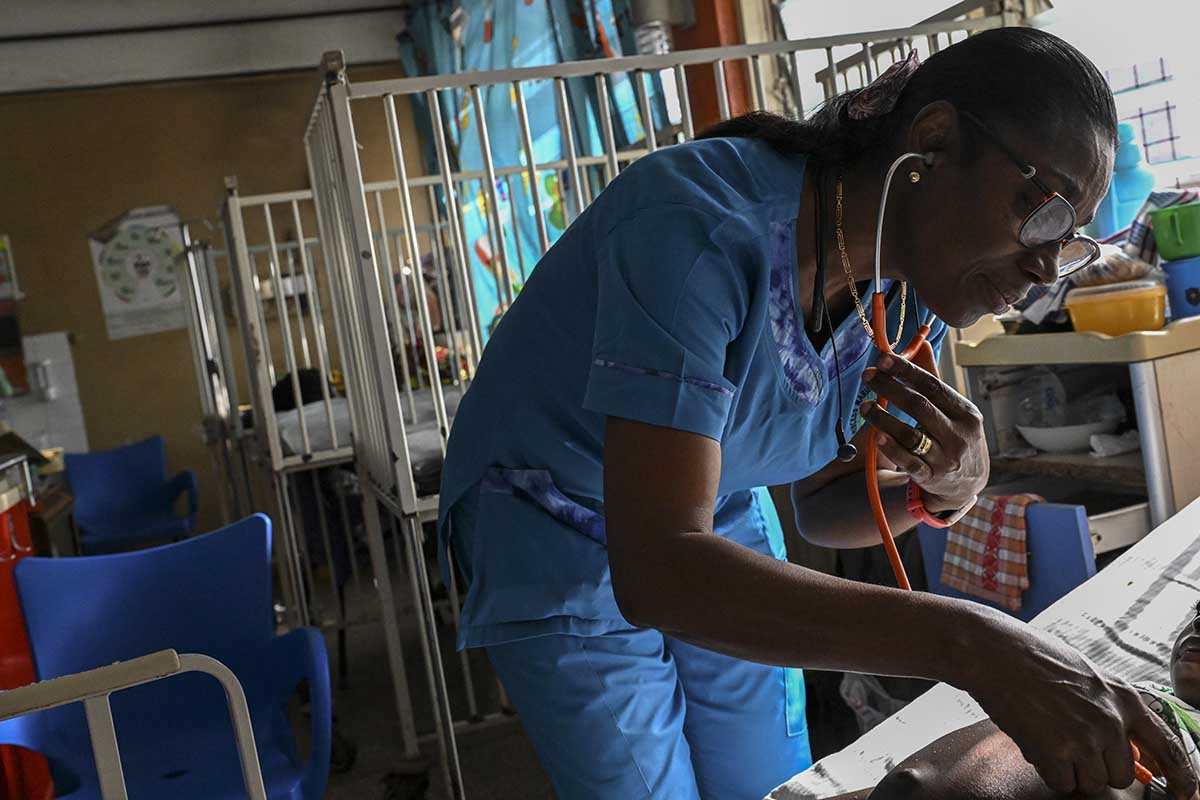
It often goes undetected because patients arrive with the same symptoms that clinicians see dozens of times a day: fever, headache, deep tiredness, maybe a cough or sore throat.
It’s only when some patients start to deteriorate that health workers might suspect Lassa fever. However, by then that crucial early window for intervention may already be closing.
“Before you can order the test, you must have clinical suspicion that Lassa fever is possibly causing your patient’s illness,” said co-author Dr David Wohl, professor of medicine, The University of North Carolina.
“Even though we have known about Lassa fever for decades, we don’t fully understand the spectrum of the presentation of this infection.”
What the Liberian study looked at
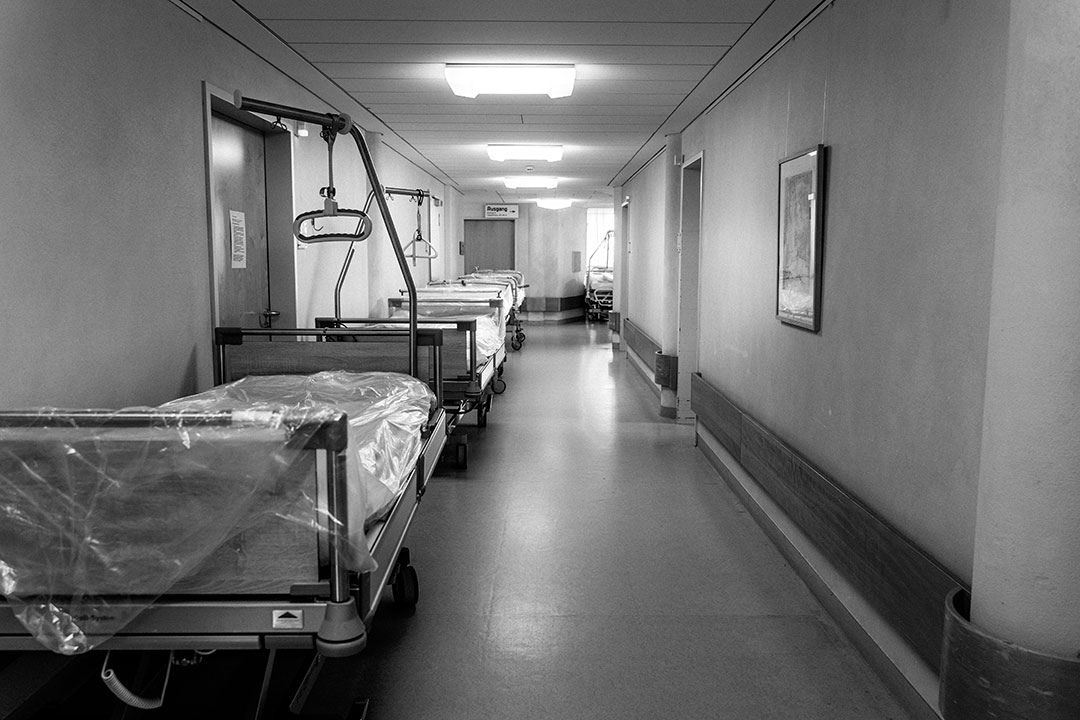
To get a clearer picture of how often Lassa fever is being missed, the PREPARE (Prevalence, Pathogenesis, and Persistence) team, led by researchers at the Institute for Global Health and Infectious Diseases at the University of North Carolina School of Medicine in Chapel Hill, ran a study in two hospitals in central Liberia between 2018 and 2024.
Among people admitted with fever with no clinical suspicion of Lassa, 11% turned out to be infected with the virus. Children and adolescents between 5 and 17 years old accounted for about 43% of confirmed cases.
They enrolled 435 patients aged five and over who were admitted either because they had a fever or because doctors already suspected Lassa.
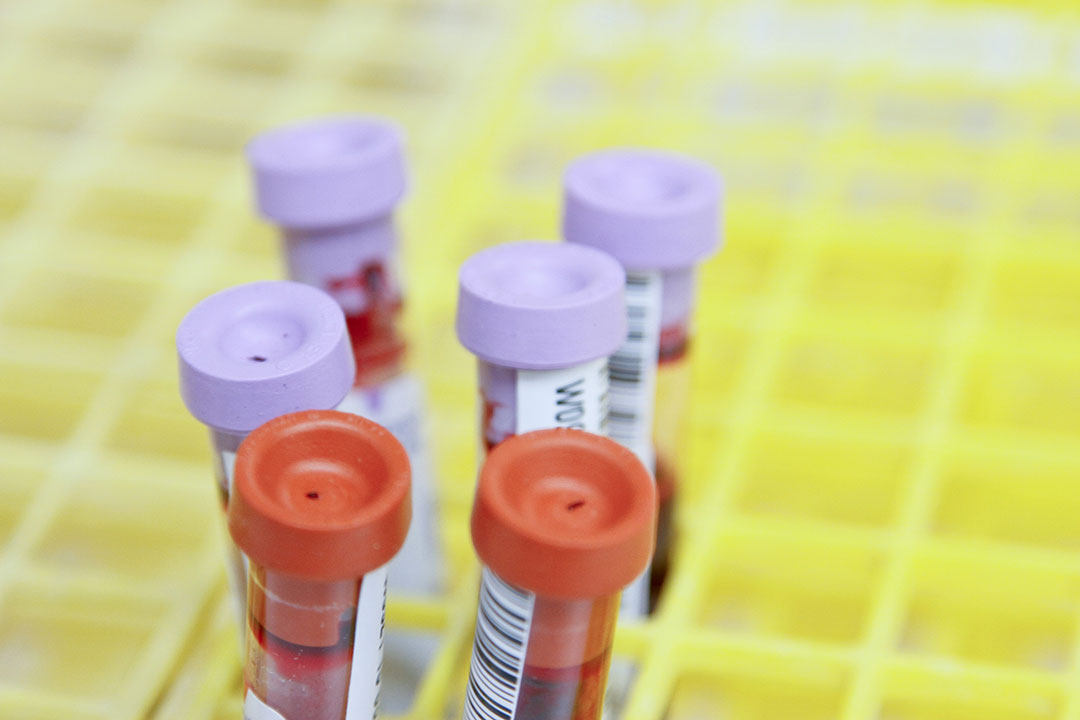
Instead of only testing the patients who seemed like classic Lassa cases, they tested everyone with PCR diagnostics, then followed those with confirmed infection during their hospital stay and for up to a year afterwards.
Among people admitted with fever with no clinical suspicion of Lassa, 11% turned out to be infected with the virus. Children and adolescents between 5 and 17 years old accounted for about 43% of confirmed cases.
Have you read?
The team found that patients who died generally had much higher levels of virus in their blood and weaker antibody responses than survivors: a signal that catching and treating infections early may be key to saving lives.
Not only does missing cases put patients at risk, but if a patient with unrecognised Lassa is on a general ward, health workers and other patients may be exposed without appropriate precautions being in place.
The PREPARE authors highlight outbreak investigations in Liberia and Nigeria showing how quickly one missed case can translate into large numbers of health‑worker contacts needing monitoring.
Better prevention of Lassa
Lassa is already on global priority lists for vaccine and therapeutic development, and the team say that better data from endemic settings, including on who is most at risk and when their viral loads peak, can help shape future trial design and target groups.
Experimental Lassa vaccines are moving through early‑stage testing, and the authors argue that improved diagnostics and clinical understanding will be essential for any larger trials or future roll‑out in high‑risk communities and among health workers.
Giving hospitals the tools to test could make all the difference, say the researchers. By setting up real‑time PCR testing for Lassa at a regional hospital in rural Liberia, the team were able to pick up infections that would otherwise have been put down to malaria or another common cause of fever.
“These findings reveal how easily cases slip through routine clinical screening,” said Dr Wohl. “Our data make it clear that without widening our diagnostic aperture to look beyond routine diagnostic assumptions, a substantial number of Lassa virus infections will be missed.”