
Bringing nomadic communities into the immunisation fold in Pakistan
From camps to alpine pastures, Pakistan’s vaccinators follow migrant families to deliver life-saving vaccines.
- 7 July 2026
- 6 min read
- by Adeel Saeed
At a glance
- Families who live on the move are more likely to fall out of contact with the health system, meaning their children are statistically at higher risk from preventable disease.
- Pakistan’s Migrant and Mobile Population strategy is all about reversing that trend, and making sure the estimated 1.6 million children who fall into that broad category get the vaccinations they need.
- Because the MMP umbrella includes diverse groups of people, the strategies used to reach them vary. Among an insular nomadic people in the mountains of Khyber Pakhtunkhwa, for instance, cricket and horse racing turned out to be the best “in” for vaccinators.
Looking frail and exhausted, three-year-old Muhammad Hussain and his five-year-old sister, Noor Fatima, sat quietly on a traditional woven-jute charpoy at a temporary settlement on the outskirts of Peshawar. Together with their mother, they had travelled a long way – from Multan, more than 500 kilometres south.
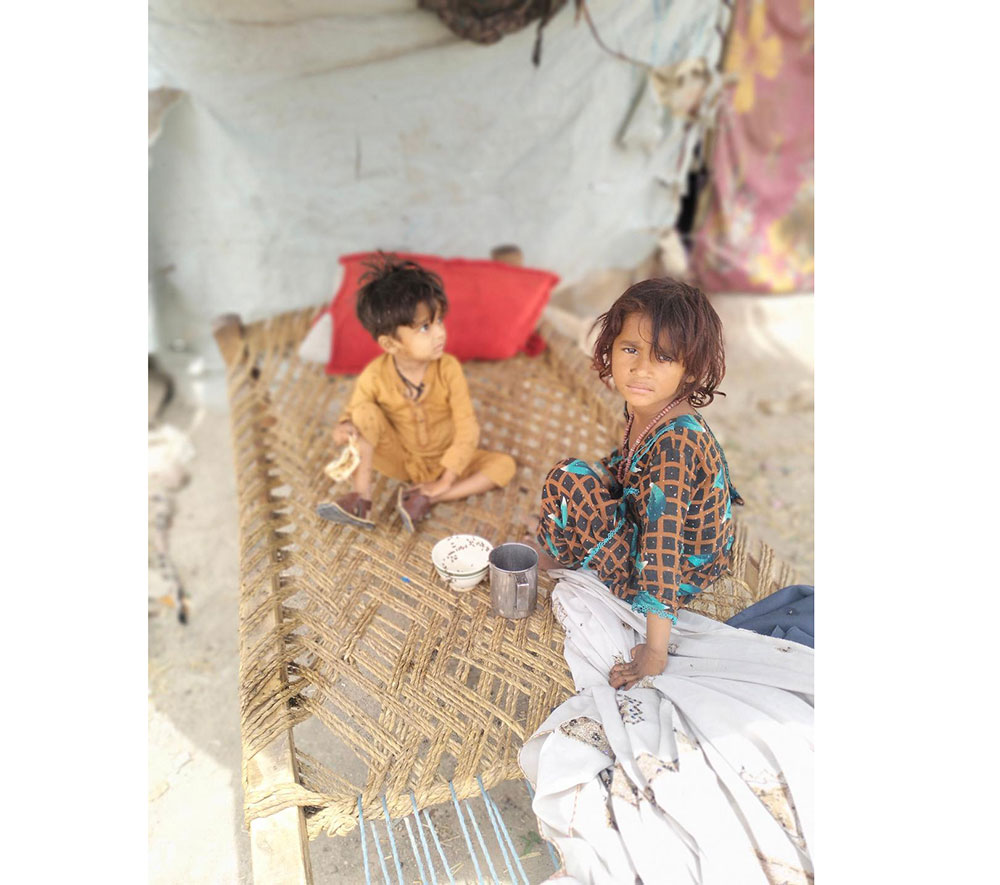
Credit: Adeel Saeed
“Our lives are always on the move,” said their mother, Sakina Iqbal, explaining that the family relies on alms and small jobs for survival, which prompts them to relocate frequently in search of opportunity. Their stay in Peshawar will be brief. “Within few days, we will leave for Karachi, where the children’s father is struggling to earn a living,” she added.
The constant movement makes it difficult for the children to reliably access essential services. Neither of them attended school or received routine immunisations on schedule, their mother explained. “We want our children to remain healthy, but because we move frequently, it is not always easy,” Iqbal said.
Then, in June, a vaccination team led by Muhammad Shahid, Area Supervisor with the local health services, visited the informal settlement on the Peshawar outskirts and encountered the young family.
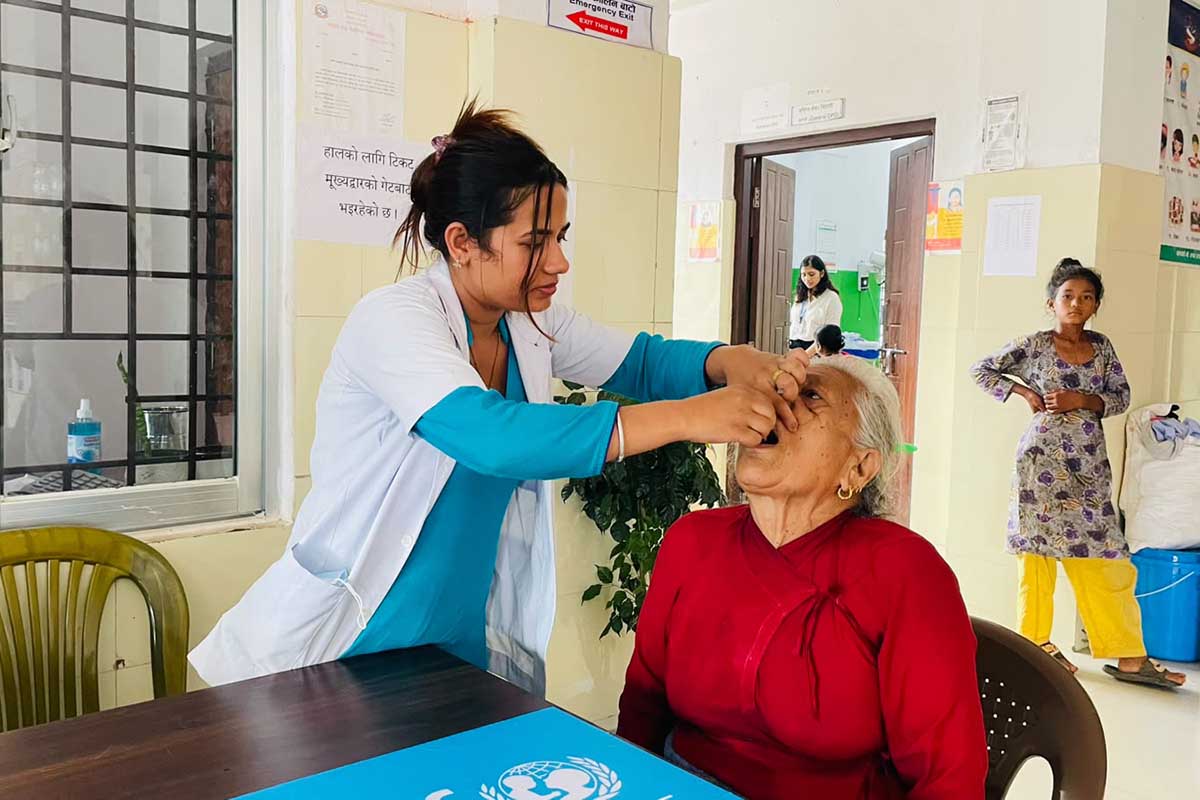
Following an awareness session highlighting the importance of routine immunisation, both siblings were vaccinated and enrolled for regular follow-up in the immunisation programme.
Playing catch-up among a people on the move
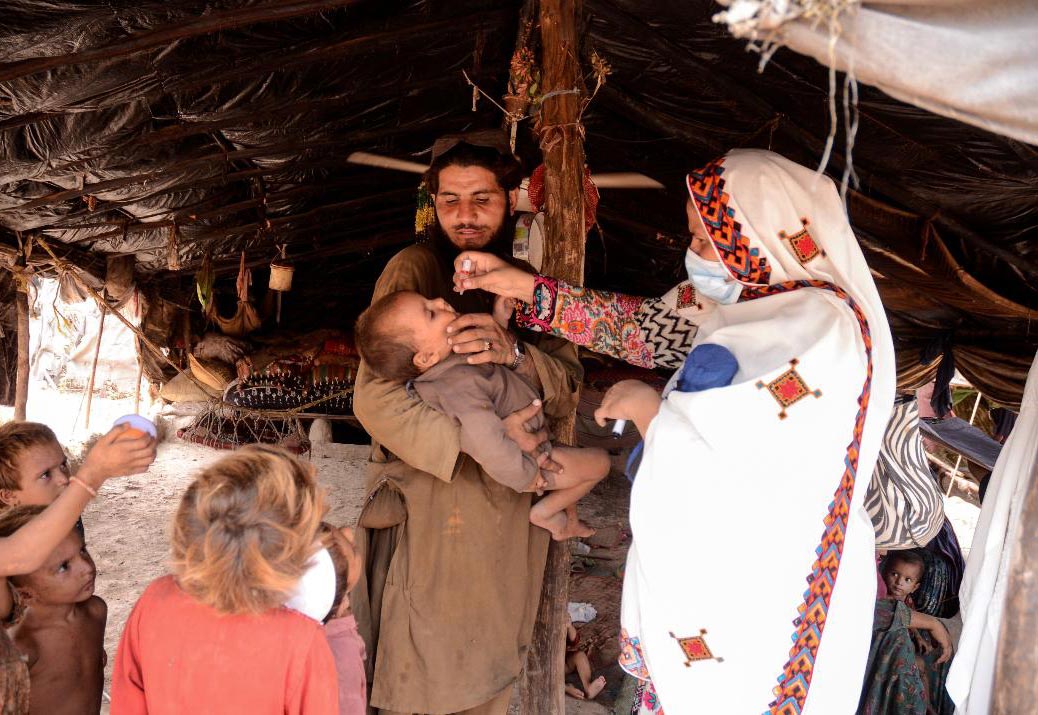
The outreach visit was part of a broader initiative aimed at reaching migrant, nomadic and other under-served communities whose children are at a greater risk of missing routine vaccinations because of frequent movement and limited access to healthcare facilities, said Shahid. He has been working on immunisation programmes targeting migrant populations for the past four years.
“Our teams regularly visit temporary settlements and transit points to ensure that every child, regardless of where they live or how often their family moves, receives protection against preventable diseases,” he told VaccinesWork.
That work is part of a strategic priority for Pakistan’s immunisation system. “Launched in 2022 under Pakistan’s Polio Eradication Programme, the Migrant and Mobile Population (MMP) strategy is specifically tailored to track, map and vaccinate nomadic communities, daily commuters and seasonal labourers across Pakistan with focus on bordering areas with Afghanistan,” explained Dr Burhan-ud-Din, Focal Person for the World Health Organization-led MMP initiative.
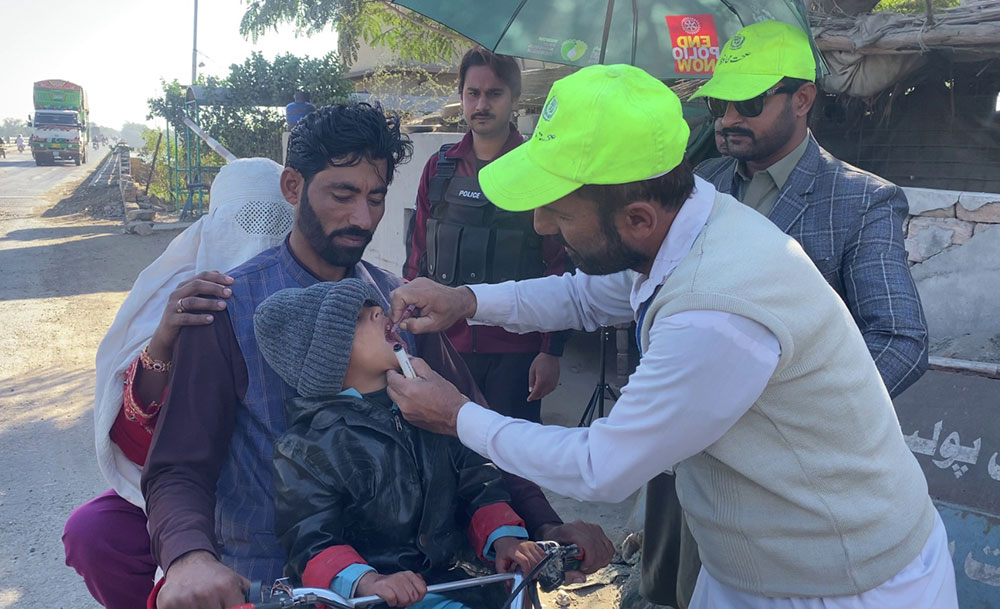
Credit: EOC KP
That catch-all covers very different but universally vulnerable communities, like nomads, seasonal migrants, agriculture migrants, brick kiln workers, economic migrants, internally displaced persons and the population that straddles the Pakistan-Afghanistan border.
They’re inherently trickier groups to track and protect than fixed urban communities. But under the MMP strategy, comprehensive mapping work has laid the groundwork for supplementary immunisation activities, transit vaccination for people on the move across the northern border and other targeted interventions designed to close the immunity gap. The Afghanistan-Pakistan cooperation mechanism further supports the tracking and vaccination of families that move across or reside on both sides of the border.
1.6 million children on frequent move in Pakistan
Taken together, they’re a minority, but not a small one. In Pakistan around 1.6 million children have been identified as MMPs, Burhan shared.
The identification of those 1.6 million children has been made through an extensive mapping process targeting 153 districts and 6,080 Union Councils (UCs) in the country.
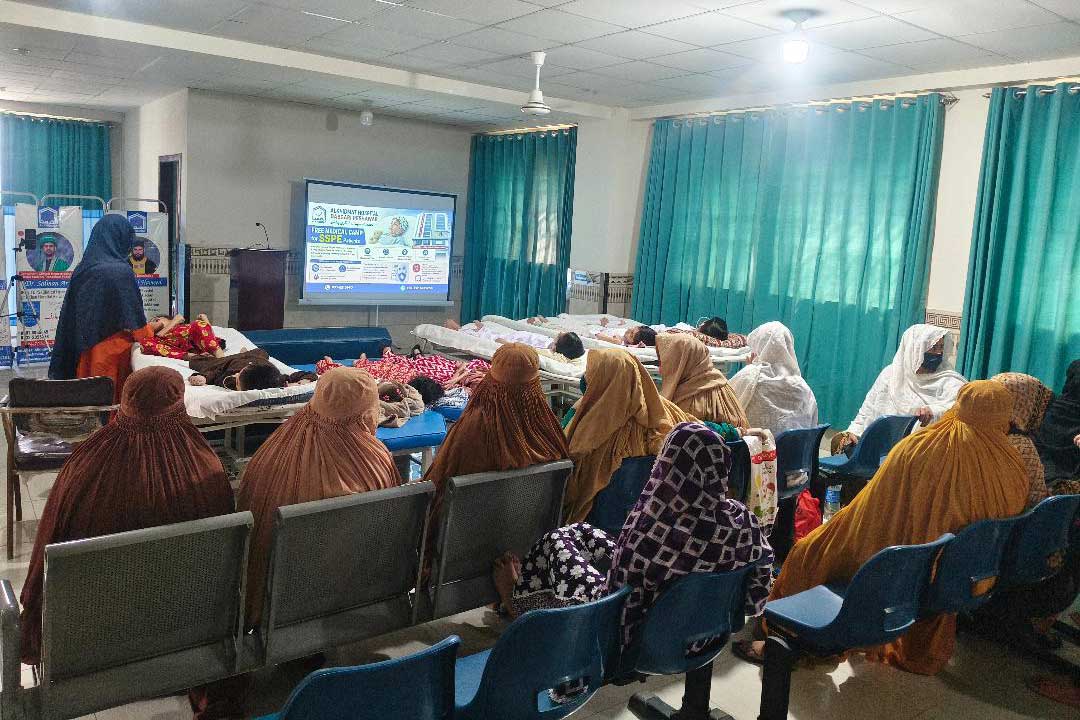
Special outreach teams regularly visit temporary settlements, grazing routes, transit points and remote areas where nomadic families reside. Community health workers, vaccinators and local elders are also being engaged to map migratory routes and track families during seasonal movements.
Have you read?
Peshawar, the provincial capital of Khyber Pakhtunkhwa and gateway to Afghanistan, hosts the largest MMP group in Pakistan, with an estimated 193,351 individuals, including 186,740 migrants and 6,611 mobile population members. Quetta, the capital of Balochistan, ranks second with a total MMP of 123,570.
Civil society comes aboard
While the work is led by the WHO in collaboration with the Pakistan’s Expanded Programme on Immunization (EPI), civil society organisations (CSOs) have been successfully brought in to specific parts of the programme, to bridge the gap between provincial health departments and local populations.
“Sustained outreach to nomadic communities is vital for improving immunisation coverage and achieving disease elimination goals,” commented Dr Junaid Khan, Project Manager of one such CSO: the Medical Emergency Resilience Foundation or MERF.
Supported by Gavi, the Vaccine Alliance, MERF works to vaccinate hard-to-reach populations in Pakistan’s north-western region, where the organisation has gained access to under-served nomadic communities in several areas, in part by allying with local private doctors.
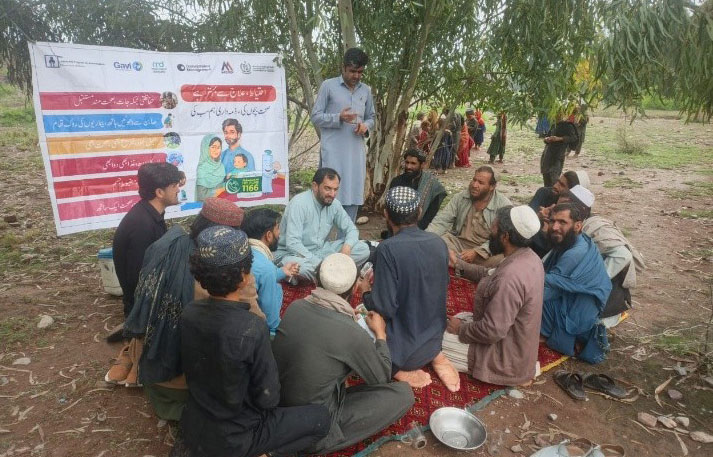
Photo courtesy: MERF
One physician, Dr Haroon Afridi, reached out to MERF when he encountered an unvaccinated child from a recently migrated family in Ghari Gula Khan, a remote settlement near Peshawar, Junaid told VaccinesWork. Further inquiry revealed many children in the nomadic community had never received routine vaccines.
The MERF team visited the settlement and identified about 30 unvaccinated children, and were able to bring them all into the immunisation system.
According to Junaid, MERF vaccinated more than 520,000 mothers and children between July 2025 and April 2026 alone, nearly 8,000 of which were zero-dose children.
Trekking the alpine pastures to reach pastoralists
Operating in the rugged, mountainous terrain of Khyber Pakhtunkhwa, where vaccine acceptance remains low, another CSO, the HUJRA Village Support Organization, observed the seasonal migration of large numbers of pastoral families to the alpine Suppat Valley in Upper Kohistan district last July.
To bring these nomadic communities into the immunisation network, HUJRA deployed outreach teams that travelled for an entire day by vehicle, and then trekked for another day on foot, to reach the remote valley, said Dr Munib ur Rehman, Team Lead at HUJRA.
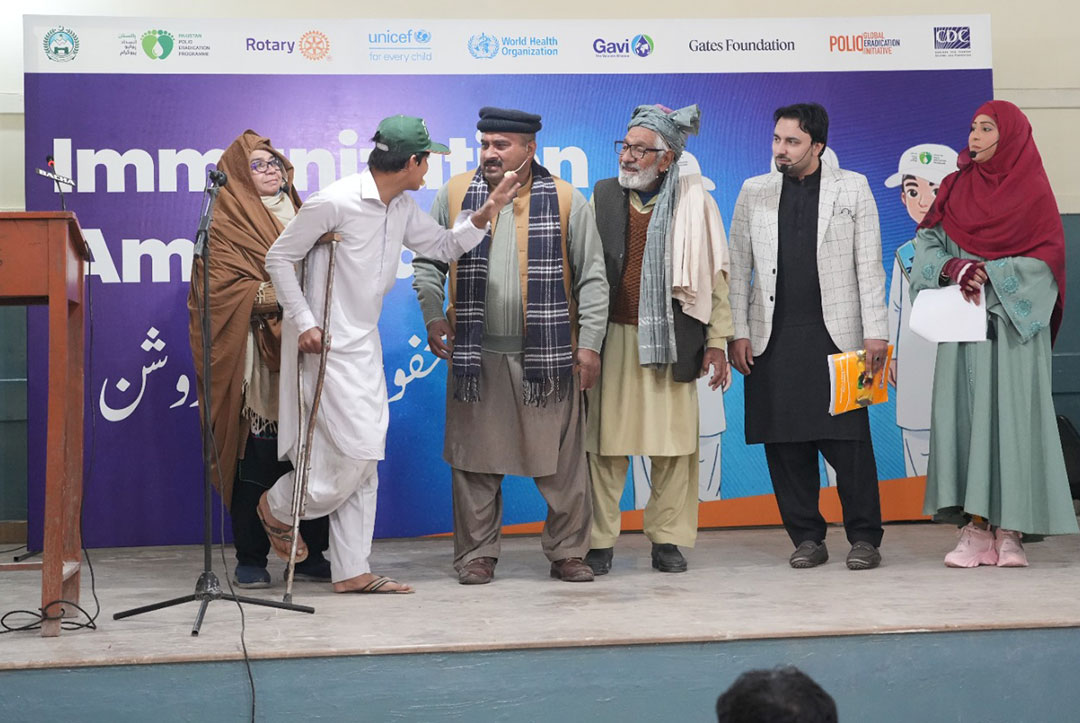
There the organisation took a possibly surprising side-step, and arranged a series of sports events, including horse-riding and cricket tournaments. The objective was to build trust and engage local youths as go-betweens – and it worked. After the week of sporting contests, HUJRA appointed 100 “immunisation champions” from within the community.
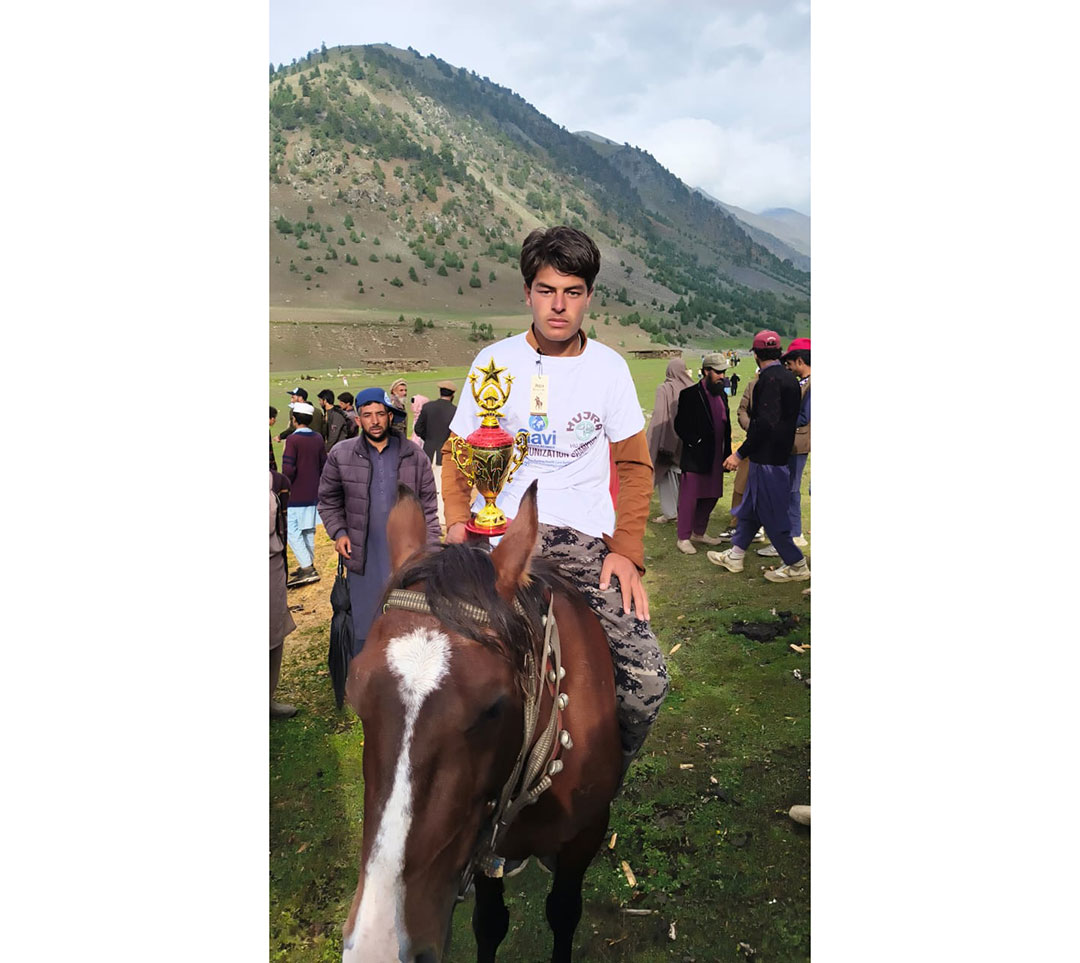
Credit: HUJRA
With their support, health teams were able to vaccinate 364 children, including 67 totally unimmunised children. The campaign became one of the largest immunisation efforts ever conducted in the remote and hard-to-reach mountainous region.
Coming soon: a digital system to enable vaccination anywhere in Pakistan
An additional boost to the programme’s success will come when the National Electronic Immunization Registry (NEIR), is online. The tool is expected to help improve tracking of migrant and mobile populations, said Dr Muhammad Arif, Coordinator EPI at Moulvi Jee Hospital, Peshawar.
A dashboard has already been established under NEIR and the system is expected to be launched soon. Once operational, the system will enable health workers across the country to access online immunisation records of every child, regardless of their location, Arif said. That should lower access barriers for mothers like Sakina Iqbal, who currently rely on easily misplaced paper cards to track their children’s vaccinations.