
Mass grave reveals who really died in Switzerland’s last plague outbreak
Study of 17th-century plague burials suggests disadvantaged young workers faced the highest risk of death.
- 15 April 2026
- 5 min read
- by Linda Geddes
At a glance
- The discovery of a 17th-century mass grave in Basel gave researchers a rare chance to examine whether plague killed indiscriminately or whether poverty and social disadvantage shaped who was most likely to die.
- Analysis of the skeletons, ancient DNA and archival records strongly suggests that the buried individuals died during a plague outbreak, with victims typically young and showing signs of physically demanding work linked to lower social status.
- The findings provide historical evidence that epidemics do not strike societies evenly, much like modern outbreaks, and that those unable to isolate safely or rely on strong support networks often face greater exposure and worse outcomes.
Plague has long been cast as history’s great leveller. But evidence from a 17th-century grave in Basel suggests the young and poor may have paid the highest price.
The COVID-19 pandemic showed how factors such as socioeconomic status, citizenship and access to social support networks can shape the vulnerability of specific groups today, but researchers say the new findings suggest this is by no means a new phenomenon.
“It was striking to observe the extent to which young lives were cut short by the plague, especially the lives of disadvantaged lower-class youths already subject to hard and frequent labour in Early Modern Basel,” said Dr Laura Rindlisbacher from the University of Basel, who led the study.
“We were also surprised by how clearly some of the social determinants of well-being and survival observed during the COVID-19 pandemic also emerged for the Early Modern period.”
When did plague last strike Europe?
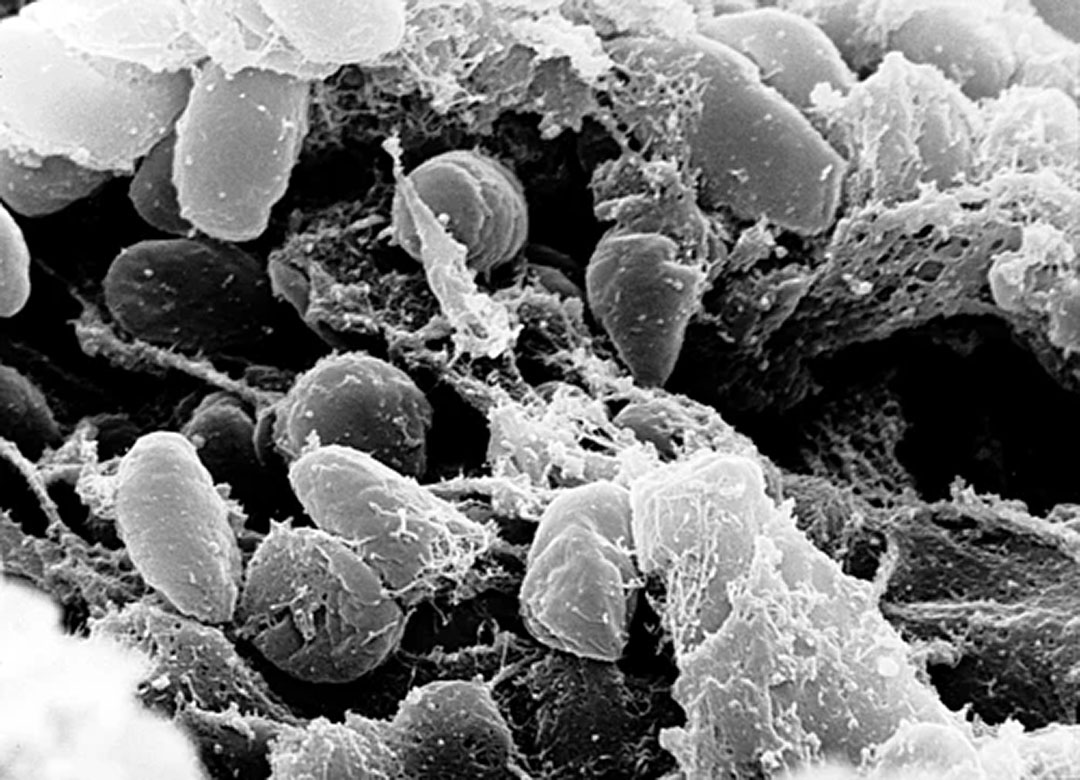
Throughout history, Europe suffered many outbreaks of plague (Yersinia pestis). These epidemics did not end suddenly, but faded unevenly over time.
The outbreak, linked to the mass graves in Basel dated to around 1665–1670, is regarded as the last recorded plague epidemic in Switzerland, though further outbreaks struck Vienna, Scandinavia and France in the following decades, culminating in the Plague of Marseille from 1720–1722.
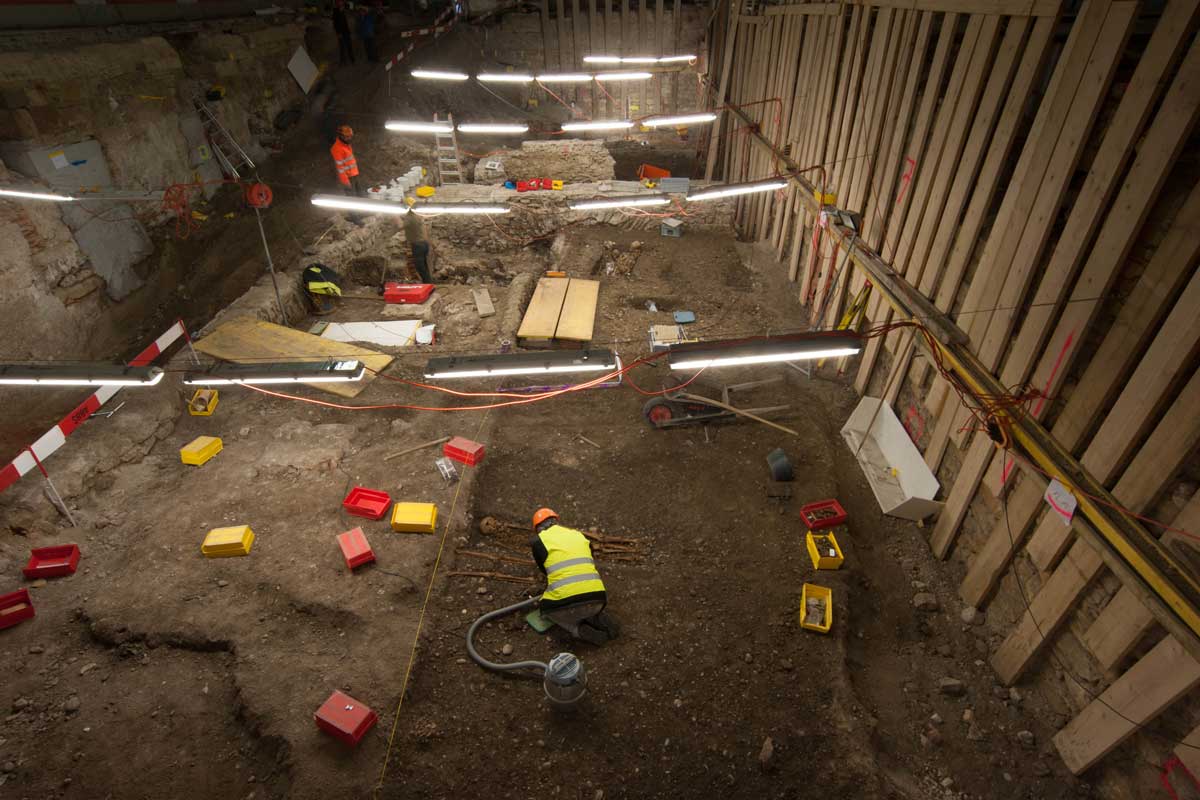
The city of Basel was regularly hit by plague outbreaks, as its reliance on trade made the city council reluctant to close the gates, helping the disease to spread. The graves were uncovered during excavations carried out beneath the city’s Stadtcasino concert hall in 2016–2017, on the site of the former Barfüsser monastery, later repurposed as a plague hospital and burial ground.
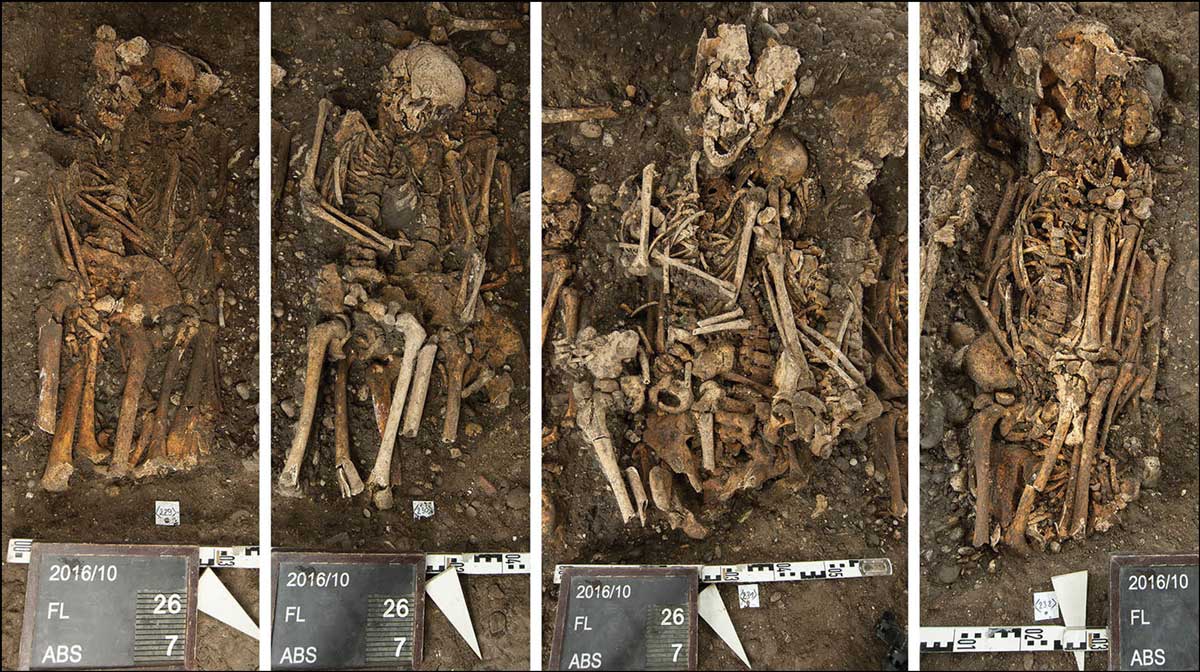
Archaeologists had previously identified a cluster of four graves containing 15 individuals buried simultaneously or in quick succession, pointing to a fatal event or outbreak that overwhelmed normal burial practices.
That suspicion has now been strengthened by the new study, in which ancient DNA analysis confirmed the presence of the plague bacterium Yersinia pestis in at least five of the dead.
Did plague strike rich and poor alike?
The discovery of the Basel graves provided Rindlisbacher and her team with a rare opportunity to directly investigate how a historic epidemic affected real people.
“The COVID-19 pandemic raised many questions about social inequality. We wanted to explore these same questions for our Early Modern sample,” Rindlisbacher said.
By examining the human remains alongside archival records from Basel, including hospital registers and mortality accounts, they set out to determine whether plague killed indiscriminately or whether poverty and social disadvantage shaped who was most likely to die.
The research, published in Antiquity, found that the dead were typically young, with an average age at death of just 17.7 years, and they appeared to have died within a short timespan.
Detailed analysis of the skeletons also revealed signs of chronic hardship and physical strain, including spinal wear, joint degeneration and other conditions associated with sustained manual labour, suggesting that they may already been engaged in physically demanding work linked to lower social status.
“Work strain was of particular interest for us, as this represents one of the most important factors for vulnerability during a pandemic,” said Rindlisbacher. “If somebody can’t forgo work to survive, even the danger of contracting a deadly disease cannot stop these persons from working.”
The team also analysed chemical signatures in the bones to reconstruct diet. This suggeted that the individuals ate a relatively modest diet dominated by staple grains and small amounts of meat, adding to the evidence that working youths from poorer backgrounds may have been among those most vulnerable during Early Modern plague outbreaks.
Even among poorer people, some may have had better chances than others, depending on their citizenship, social standing and support networks.
“Besides municipal schemes, medical care was provided by family or similar close-knit social networks,” said Rindlisbacher. “While social cohesion was strong in the Early Modern period, it did not automatically include everyone. In these social dynamics, citizenship status, as well as perceptions of honour and respectability, were an important social capital.”
Have you read?
What does this mean for modern outbreaks?
The study provides historical evidence that epidemics do not strike societies evenly, just as modern-day outbreaks do not.
Its broader message is that vulnerability in a health crisis is shaped not only by the pathogen, but by the social conditions in which people live. Those unable to work from home, isolate safely, or draw on strong support networks often face greater exposure and worse outcomes.
It’s a reminder that tackling future outbreaks requires not only access to medicine, but action on the inequalities that shape risk.