
Phase I (2000-05)
In the 2000-05 period, Gavi focused on getting funds to countries quickly to extend the reach and quality of immunisation programmes.
Explore our strategic phases:
In Gavi's first five years, the Vaccine Alliance concentrated on two primary areas:
Supply of new and underused vaccines
From 2000-05, Gavi's new and underused vaccine support (NVS) focused on three underused vaccines: hepatitis B (hepB), Haemophilus influenzae type b (Hib) and yellow fever.
Support was provided in the form of five-year grants with the expectation that countries would increase their national contribution, leading to eventual financial sustainability.
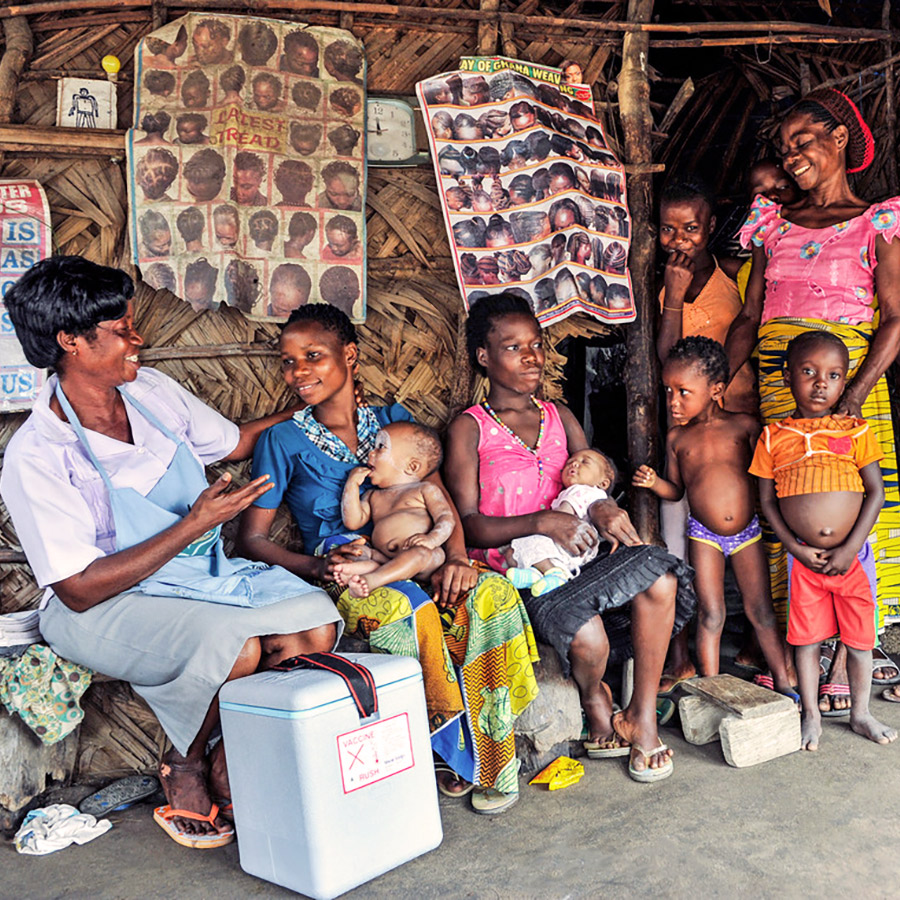
Strengthening vaccine delivery systems
Delivery systems were improved through Gavi's injection safety support (INS) initiatives. As most infections result from the re-use of equipment, Gavi enabled the supply of disposable auto-disable (AD) syringes for all vaccines to all countries. In addition to minimising infection risk, this helped to drive down the price of AD syringes and increased vaccine demand.
Incentives to immunise more children were given through performance-based funding known as immunisation services support (ISS) with countries receiving extra money per additional child immunised.
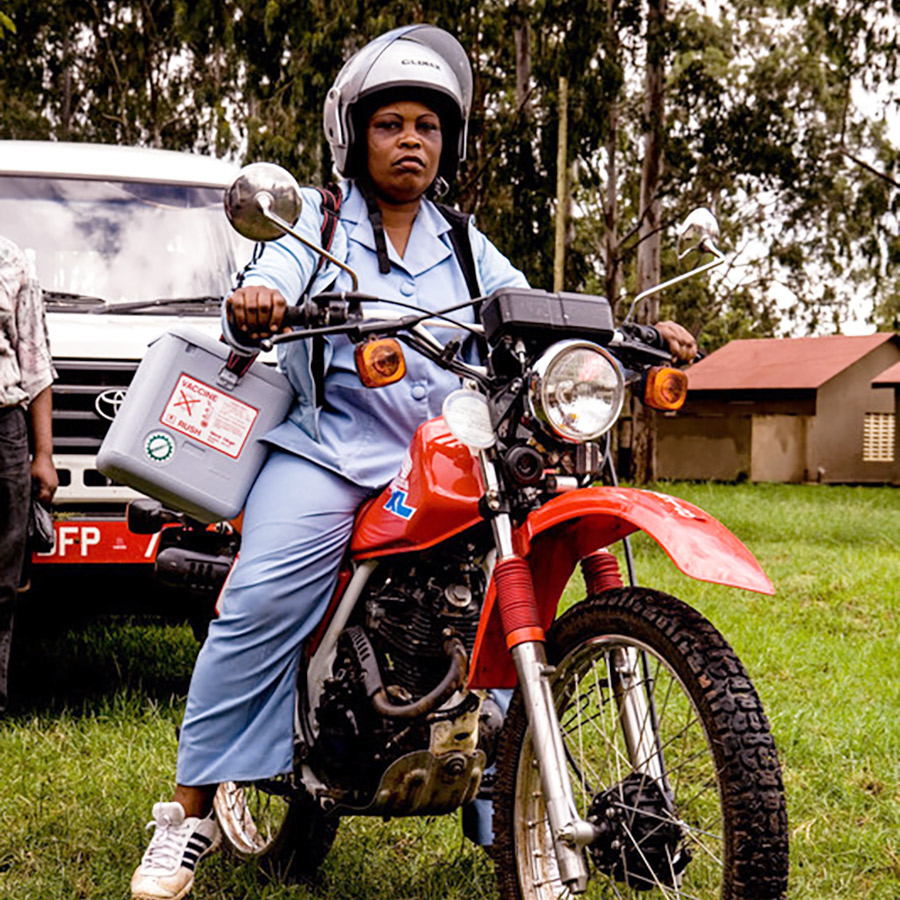
>3.9 million
Since the first human papillomavirus (HPV) vaccine demonstration programme in Kenya in 2013, more than 3.9 million girls have been immunised with Gavi support.
Related downloads
Phase II (2006-2010)
Phase II (2006-2010)
A period of significant innovation and changes for the Vaccine Alliance.