

Evaluation of the COVAX Facility, COVAX Advance Market Commitment (AMC) and COVAX pillar delivery efforts
Evaluation of the COVAX Facility, COVAX Advance Market Commitment (AMC) and COVAX pillar delivery efforts
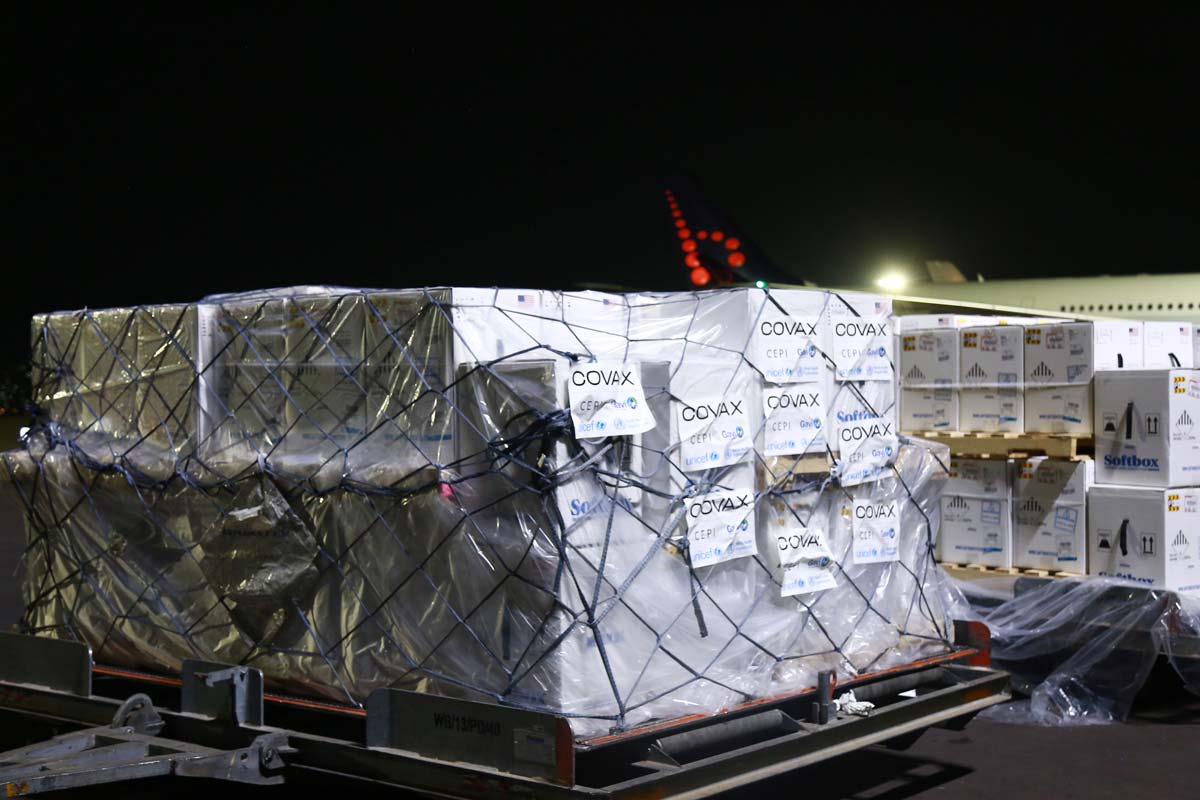
Gavi, the Vaccine Alliance appointed RTI International in consortium with Itad and Genesis Analytics to conduct an evaluation of the COVAX Facility, Gavi COVAX Advance Market Commitment (AMC) and COVAX pillar delivery efforts. The evaluation was conducted over the period 2024–2025.
The evaluation builds on the first two years of the COVAX Facility and Gavi COVAX AMC (2020–2021), which were evaluated through the COVAX Facility and AMC Formative Review and Baseline Study (2023). Importantly, this is the first formal joint evaluation by the Coalition for Epidemic Preparedness Innovations (CEPI), Gavi, the Vaccine Alliance (Gavi), the United Nations Children’s Fund (UNICEF) and the World Health Organization (WHO); and includes country perspectives, which are crucial for understanding the extent to which COVAX addressed country needs, to inform recommendations to improve effectiveness of future responses.
The evaluation yielded several key lessons, for example: achieving equity requires action both between and within countries. Additionally, having the right mix of agencies – including national and subnational governments, and civil society organisations (CSOs) – along with appropriate functions, skills and competencies, is critical for an end-to-end approach. This includes effective coordination for vaccine product development, to secure supply and to provide delivery support.
Objective and scope of the evaluation
The overall purpose of the evaluation as defined in the request for proposals was to:
- provide an independent assessment of:
- COVAX Facility and Gavi COVAX AMC contributions to intended results – for the Gavi Board;
- COVAX pillar delivery efforts towards expanding access to COVID-19 vaccines and increasing immunisation coverage, in terms of outcomes and achievement of intended results – for the Gavi Board, Partner Executive Committees and countries;
- foster institutional learning and strengthen evidence-based action; and
- inform decision-making of Gavi and Alliance partners.
The evaluation of the COVAX Facility, Gavi COVAX AMC and COVAX pillar delivery efforts reflects the shared goal of CEPI, Gavi, UNICEF and WHO to learn and provide an accountability perspective from past experiences to inform future strategies.
Methods
This evaluation used a non-experimental, theory-based design with a systems lens to address the evaluation questions (EQs) posed by CEPI, Gavi, UNICEF and WHO. The theory-based approach compares COVAX’s intended goals and implementation with its actual outcomes. This design allows for an assessment of the programme’s design, adaptations and results across diverse contexts, countries and organisational structures at global, regional and country levels.
The evaluation employed a mixed-methods approach for data collection and analysis that combined existing data with primary sources.
Findings, conclusions, recommendations and lessons learned
Overall, 47 findings, 7 conclusions, 11 lessons learned and 4 recommendations were presented. Following validation meetings with relevant Gavi Secretariat colleagues, 4 priority recommendations were identified for further action:
- A future pandemic response mechanism should adopt a multilateral approach to ensuring equitable access to vaccines: It should function as a coordinated and inclusive system that engages country governments, civil society organisations (CSOs) and other relevant partners. Roles should be clearly defined and should leverage existing strengths across fundraising, dose procurement (including advance planning for dose donations), donation coordination, vaccine allocation, and support for country readiness and delivery. Because no single agency can manage this full range of tasks, a multilateral, end-to-end approach is essential. The system should prioritise equity, unity in partnerships and flexibility
- Develop an end-to-end vision and approach for equitable access to vaccines: The vision for an end-to-end approach should integrate key learnings across core functions – resource mobilisation, portfolio management, allocation, coordination and collaboration, political advocacy, risk management, communication and delivery support. These strategies focus on leveraging partner strengths; enhancing decision-making; and ensuring flexibility, transparency and strong country ownership. This approach aims to ensure rapid, equitable responses to future pandemics.
- To continue working towards resilient health systems, define a realistic delivery support objective during the acute phase of a pandemic, versus a longer-term systems-strengthening objective (more achievable once the acute phase has subsided): Delivery support needs vary across countries and evolve. Initially, emergency funding with high flexibility is necessary to address immediate gaps in health systems, which can be described as health systems support on a no-regrets basis. As the acute phase wanes, funding should be more strategically allocated to strengthen health systems and build long-term resilience. A future mechanism should develop a clear framework for delivery support objectives throughout a pandemic, identifying partners to ensure complementarity; and using delivery support to analyse health system bottlenecks – which is essential for identifying and addressing challenges effectively during emergencies.
- Develop approaches to address specific surge capacity challenges likely to be experienced again in future pandemic scenarios at country, regional and global levels: Future support should consider a minimum package of essential personnel and skills; assess gaps; and develop strategies to meet needs. To maintain essential health services during emergencies, several actions are critical. First, existing structures such as health clusters should be leveraged to ensure coordination and efficiency. To enable timely response, regulatory and financial barriers must be addressed. Finally, regional teams must be given a clear mandate to bridge gaps between global and country-level efforts. Together, these measures create a stronger, more integrated system capable of sustaining health services when they are needed most. At global level, lessons from staff recruitment delays, skill mismatches and managing surge capacity staff should inform the design of future centralised response mechanisms, ensuring staff with relevant expertise are efficiently recruited and effectively utilised.
Documents
Evaluation of the COVAX Facility, AMC and COVAX Pillar delivery efforts (Phase 2)
- The Evaluation Management Response (EMR)
- Final report
- Annexes
- Evaluation brief
- One-pager
- Evaluation Advisory Committee (EAC) assessment
Country case studies
- Cameroon English | French
- Côte d'Ivoire English | French
- Guyana English
- Indonesia English
- Uzbekistan English
- Zambia English