

Lower-income countries investing record amount in immunisation programmes
Lower-income countries investing record amount in immunisation programmes
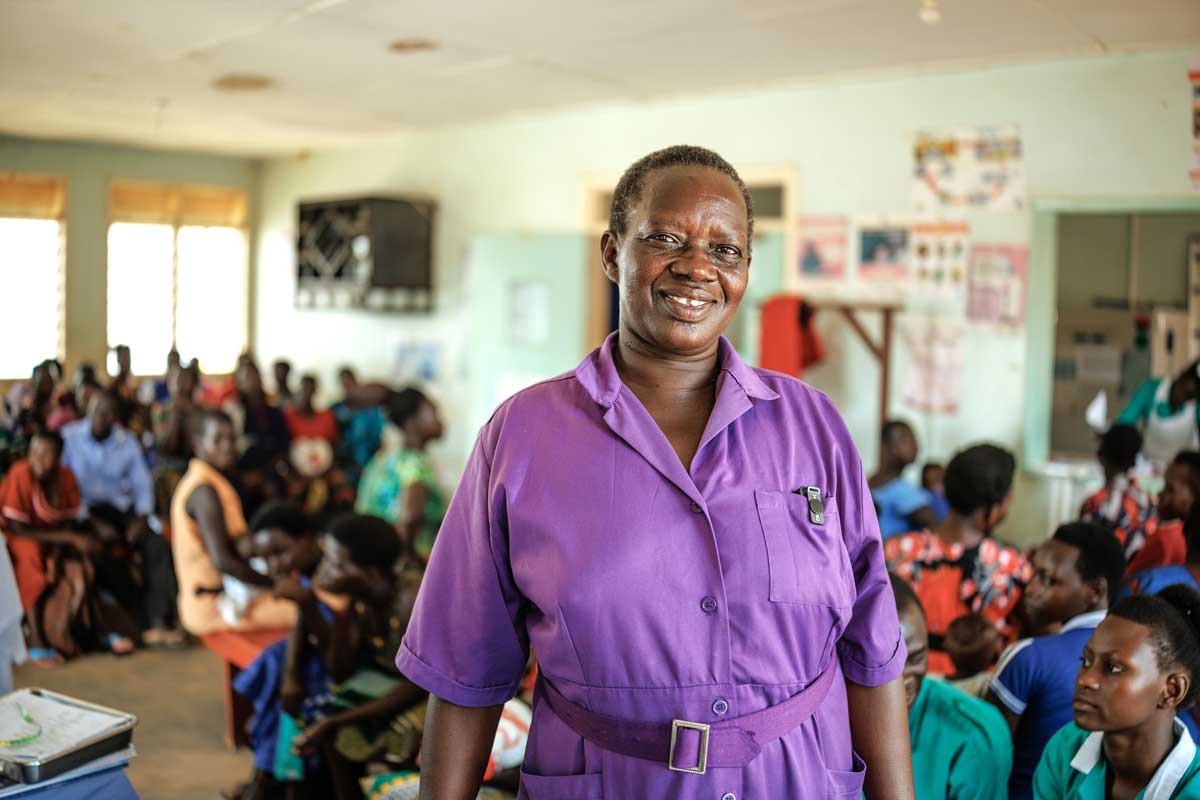
- Against a backdrop of aid cuts, lower-income countries contributed a record US$ 302 million towards Gavi-supported vaccines for 2025.
- Over the last five years, countries have mobilised US$ 1.1 billion for immunisation, matching the total raised over the previous 13 years combined.
- Gavi CEO Dr Sania Nishtar: “In an increasingly constrained global financing environment, countries are stepping forward to secure the future of immunisation.”
Geneva, 16 April 2026 – New data released today by Gavi, the Vaccine Alliance, shows that lower‑income countries have collectively contributed over US$ 300 million towards Gavi-supported immunisation programmes for 2025, setting a new record for annual country investment in vaccines.
This performance reflects the accelerated pace at which countries are assuming greater ownership of immunisation financing, enabled by the unique design of the Gavi model, which prioritises sustainable transitions to self-sufficiency. At the core of Gavi’s partnership with countries is a co‑financing approach that strengthens national ownership by increasing government investment in vaccines over time. Over the last five years, lower-income countries contributed a combined US$ 1.1 billion towards the cost of vaccines – equaling the total mobilised over the previous thirteen years combined.
“In an increasingly constrained global financing environment, countries are stepping forward to play a lead role in securing the future of immunisation,” said Dr Sania Nishtar, CEO of Gavi, the Vaccine Alliance. “Record co-financing at this scale demonstrates that the shift toward country led, sustainable immunisation systems is gaining momentum and that we are entering a new era when it comes to protecting children against preventable diseases.”
The strong 2025 results demonstrate that immunisation continues to be prioritised in national budgets. All Gavi‑eligible countries met their co‑financing obligations for 2025, with the exception of countries benefiting from exceptional flexibility and temporary waivers due to acute humanitarian emergencies. Of the 16 Gavi‑supported countries affected by fragility and conflict, only six required co‑financing waivers in 2025 – underscoring the resilience of government commitment even in the most difficult crisis contexts.
Since the introduction of Gavi’s co‑financing policy in 2008, countries will have contributed a cumulative US$ 2.2 billion by the end of 2025, reflecting sustained growth in domestic financing of immunisation – despite economic pressures, rising debt burdens and humanitarian crises. Looking ahead, this momentum is expected to accelerate further. During Gavi’s current five‑year strategic period (2026–2030), total country co‑financing is projected to double. In parallel, the Gavi Leap transformation agenda will place countries even further at the center of decision‑making, helping accelerate the transition toward self-sustaining immunisation programmes.
The continued, strong commitment from countries reflects the shared understanding that vaccines continue to be one of the most cost-effective investments in health and development. Since 2000, Gavi has worked with countries to protect more than 1.1 billion children against a range of diseases, helping them halve childhood mortality and prevent outbreaks. At the same time, every US$1 spent on immunisation generates US$54 in socioeconomic returns – with Gavi-supported programmes having generated more than US$280 billion for countries. Emergency vaccination in response to outbreaks has helped lower-income countries reduce cases and deaths by 60% on average.
MEDIA CONTACTS
Meg Sharafudeen
+41 79 711 55 54
msharafudeen@gavi.org
Cirũ Kariũki
+41 79 913 94 41
ckariuki@gavi.org
Laura Shevlin
41 79 529 92 87
lshevlin@gavi.org