
Phase II (2006-10)
A period of significant innovation and changes for the Vaccine Alliance.
Explore our strategic phases:
With a growing range of new vaccines coming on to the market and evidence that some countries simply could not sustain the significant increases in funding required to maintain immunisation programmes, Gavi's first-ever strategy incorporated a detailed review of how best to deploy its growing resources:
- Gavi added two new vaccines to its portfolio: pneumococcal and rotavirus
- A new vaccine investment strategy and a platform for accelerating the introduction of new vaccines in developing countries (Accelerated Vaccine Introduction) were developed
- It became increasingly clear that parallel investment was needed in health systems and delivery systems, with the Vaccine Alliance extending its support to health system strengthening and civil society organisations
- Several fundamental policies and programmes were developed and reviewed, including co-financing, gender, and eligibility as well as innovative financing mechanisms such as the Innovative Finance Facility for Immunisation (IFFIm) in 2005 and the Advance Market Commitment (AMC)
STRATEGIC GOALS
Four strategic goals underpinned Phase II
Strategic Goal 1
Contribute to the strengthening the capacity of the health system to deliver immunisation and other health services in a sustainable manner.
Strategic Goal 2
Accelerate the uptake and use of underused and new vaccines and associated technologies and improve vaccine supply security.
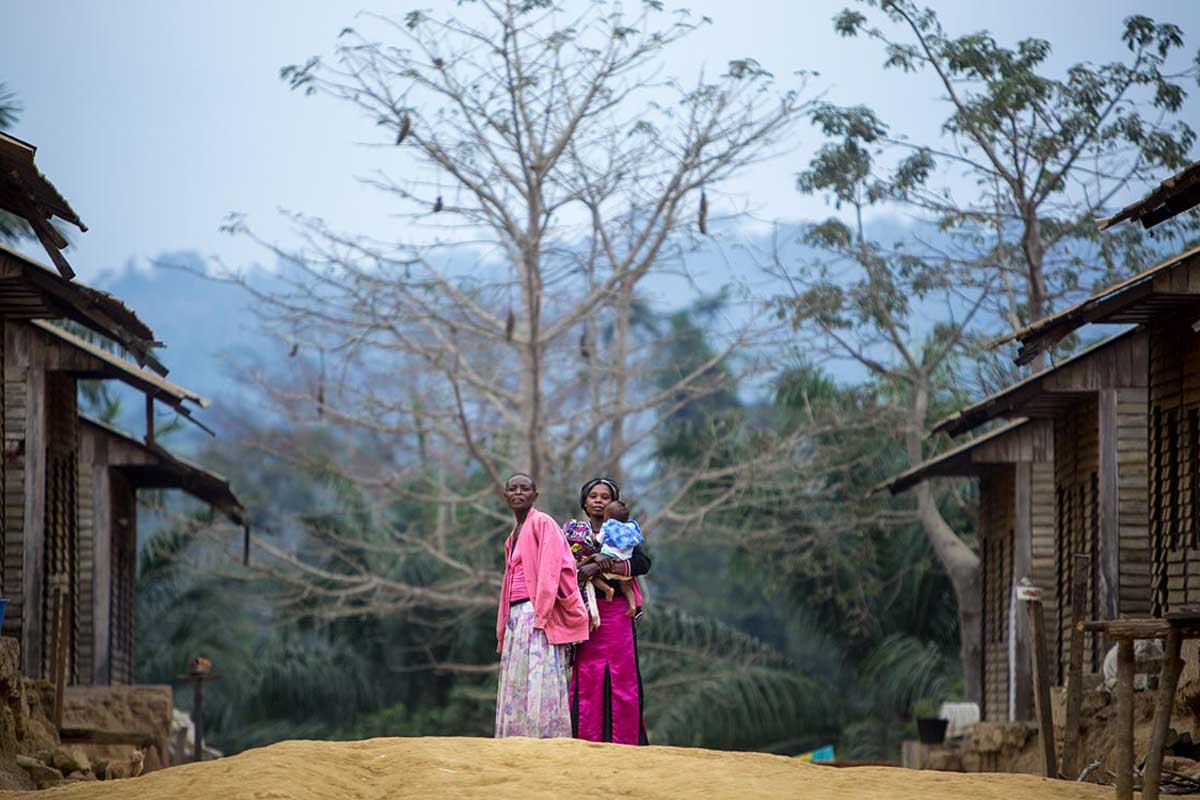
Strategic Goal 3
Increase the predictability and sustainability of long-term financing for national immunisation programmes.
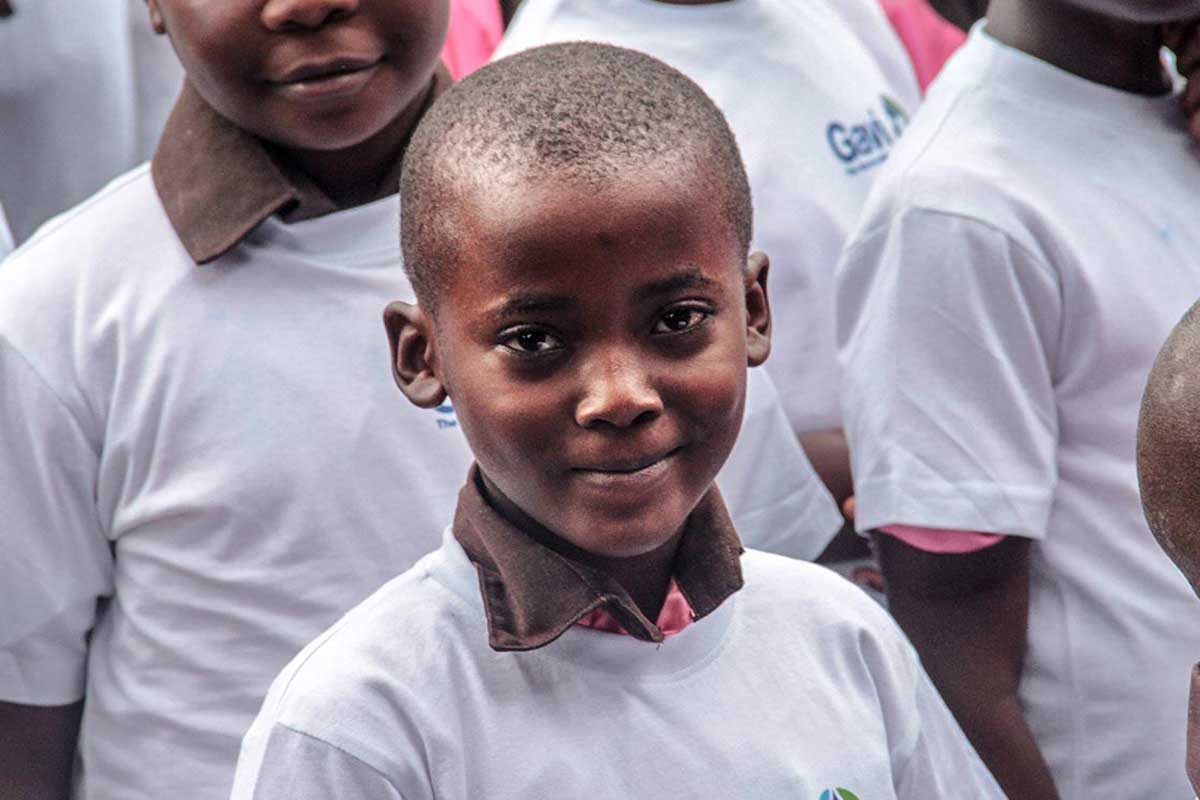
Strategic Goal 4
Increase and assess the added value of Gavi as a public-private global health partnership through improved efficiency, increased advocacy and continued innovation.
WORKPLAN, ACTIVITIES, OUTPUTS
With a total budget of US$ 297 million available for the strategy's four-year life cycle, any given year in the Gavi strategy contained up to 100 activities. To help measure progress, these activities are reported against 17 outputs.
The 2010 Work Plan Report highlights the 2010 progress under each output. It is based on the reporting provided by WHO, UNICEF, World Bank, AVI TAC and the Gavi Secretariat. The paper includes an annex table summarising the progress per output against the 2010 work plan targets.
Related downloads
Latest news
President Bio visits Gavi to advance immunisation and Gavi Leap reform
President Bio of Sierra Leone and Gavi CEO Dr Sania Nishtar discuss immunisation progress, sustainable health financing and global health reform.

Vaccines deliver over US$ 30 billion in economic benefits for lower-income countries in 2025
Gavi-supported immunisation generated more than US$ 30 billion in economic benefits in 2025, through lower healthcare costs and healthier, more productive populations.
Made in Africa: New measles rapid diagnostic tests mark breakthrough for vaccination efforts
First-of-their-kind rapid measles diagnostic tests will support targeted vaccination during outbreaks and identification of priorities for preventive vaccination efforts.