
Cost-effective
Cost-effective
Immunisation is one of the most cost-effective ways to save lives, improve health and ensure long-term prosperity

PUBLIC HEALTH'S 'BEST BUY'
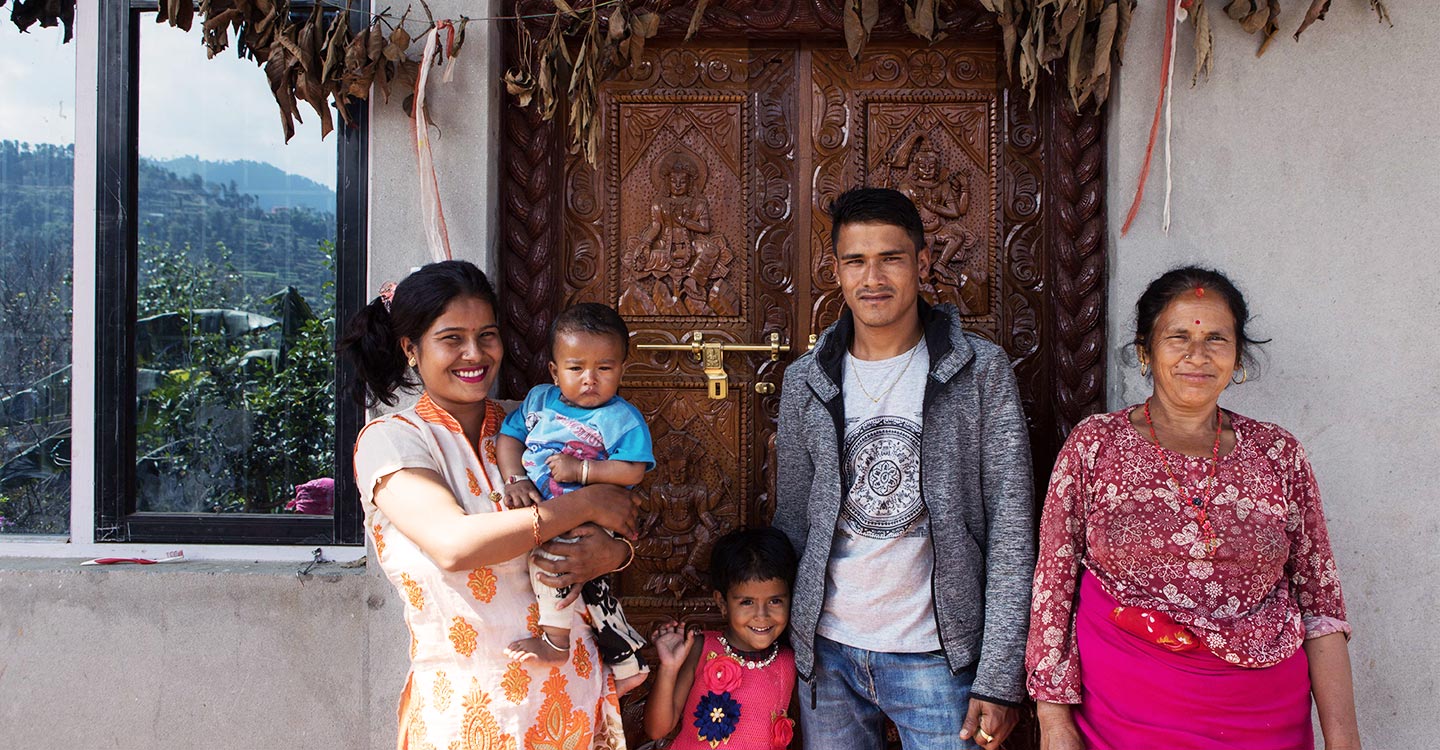
Immunising children is one of public health's "best buys". Vaccines are relatively easy to deliver and, in most cases, provide lifelong protection. They boost development both through direct medical savings and indirect economic benefits such as cognitive development, educational attainment, labour productivity, income, savings and investment.
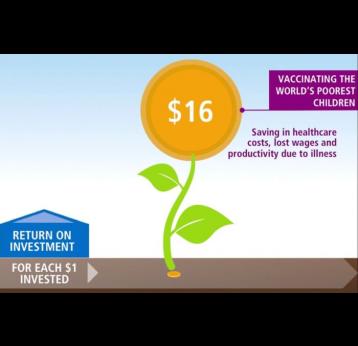
A 2016 study conducted by Johns Hopkins University and published in Health Affairs1 found that for every dollar invested in vaccination in the world’s 94 lowest-income countries, US$ 16 are expected to be saved in healthcare costs, lost wages and lost productivity due to illness and death. Focusing on Gavi-supported countries only, this figure rises to US$ 18.
If we include broader benefits, such as the value that people place on living healthier, longer lives and the long-term burden of disability, the net return increases to US$ 44 per dollar invested. Looking only at Gavi-supported countries this figure again rises, this time to US$ 48. This brings the overall economic benefit for the 2011–2020 period – the “Decade of Vaccines” – to more than US$ 1.5 trillion.
According to David Bloom, Professor of Economics and Demography at Harvard University, “the return on investment for many vaccines appears, conservatively, to be at least as high as the return on investment for spending on primary education.”2
Although new vaccines supported by Gavi cost more than other vaccines that have long been included in national immunisation programmes, they remain cost-effective compared with many other interventions:
Hepatitis B
Hepatitis B
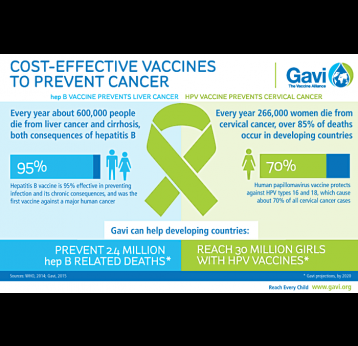
A review of economic evaluations found that universal immunisation against hepatitis B in intermediate and high-endemic countries is cost-effective or even cost-saving in comparison to no vaccination.3

Hib and pneumococcal
Hib and pneumococcal
The majority of economic evaluations of Haemophilus influenzae type b vaccines conclude that the vaccine is a cost-effective intervention.4 It is estimated that pneumococcal vaccines are highly cost-effective in the vast majority of Gavi-supported countries.5
Rotavirus
Rotavirus
According to a 2009 study, at an initial price of US$ 7 per dose, which gradually decreases over time to US$ 1.25 per dose by 2017, vaccination with rotavirus vaccines would be very cost-effective in all Gavi-eligible countries.6
HPV
HPV
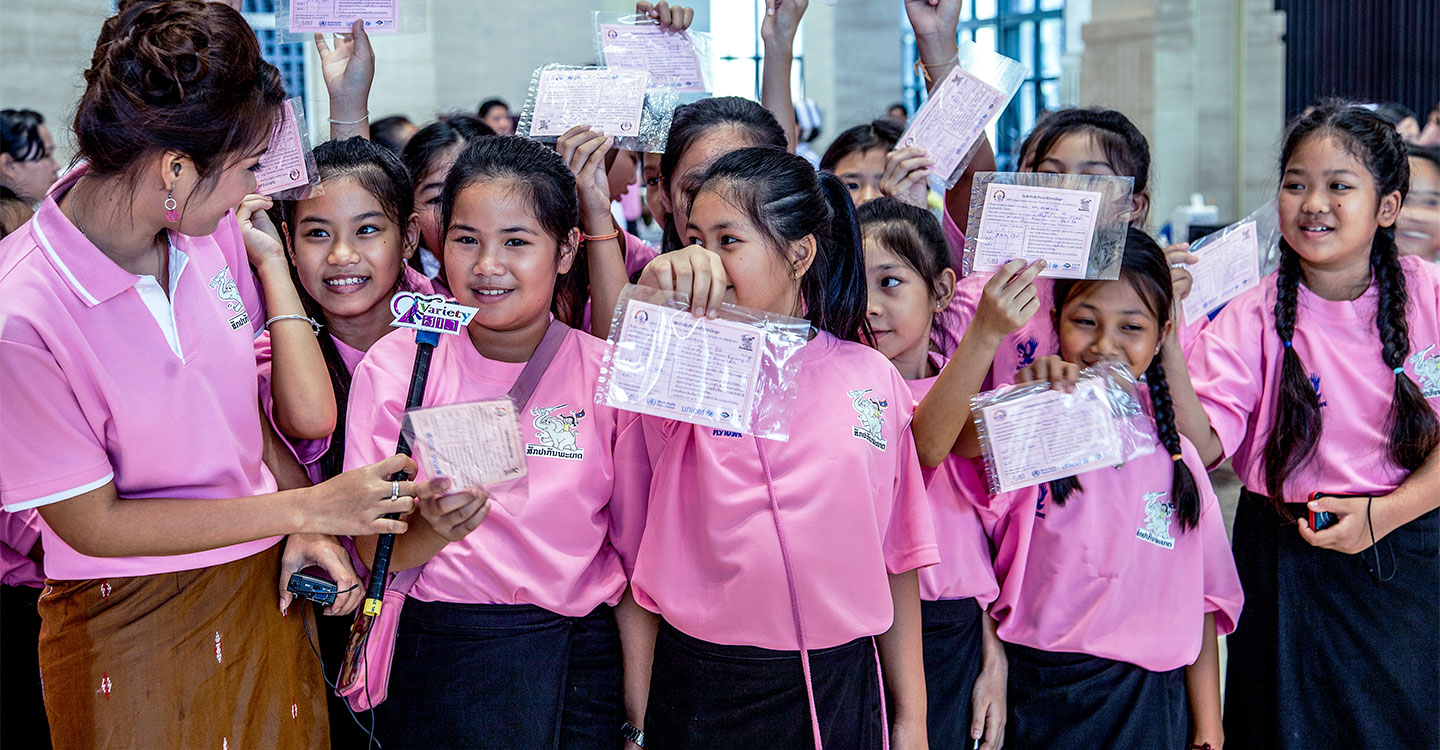
A 2016 review published in the Lancet showed that HPV vaccination is very cost effective in low- and middle-income countries, assuming high vaccine efficacy and a long-lasting effect.7
VACCINE AFFORDABILITY
The cost-effectiveness of immunisation has made vaccines increasingly affordable for low-income countries. While all low-income countries are largely dependent on external support to finance vaccination, domestic investment in immunisation is rising. In Gavi-supported countries, the average country investment in vaccine per child increased from US$ 3.80 in 2010 to US$ 5.09 in 2015.